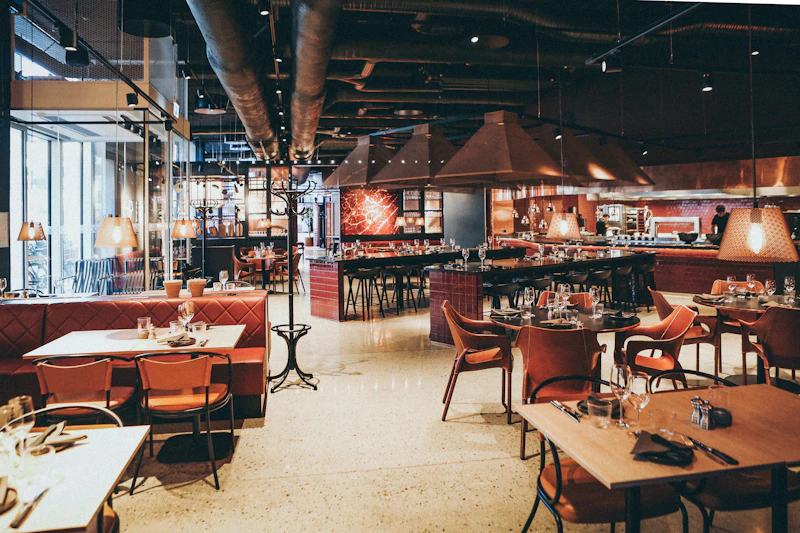
Porto vs Lisbon: Which Portuguese City Should You Visit First?
Deciding between Porto and Lisbon for your first Portuguese adventure is a delightful dilemma, akin to choosing between two exquisite wines from the same esteemed region. Both cities offer a rich tapestry of history, culture, and gastronomy, yet they each possess a distinct personality. Lisbon, the grand capital, sprawls across seven hills, boasting imperial grandeur, a vibrant cosmopolitan pulse, and a deep connection to the Age of Discoveries. Porto, the charming northern gem, offers a more intimate, traditional experience, renowned for its port wine, medieval Ribeira district, and a captivating riverside allure. This extensive guide delves into every facet of these two magnificent cities, providing the detail and insight needed to make an informed decision for your journey.
lightbulb Quick Answer: Porto vs Lisbon
Choosing between Porto and Lisbon depends on your travel priorities:
- Choose Porto if:
- check_circle You prefer a more intimate, traditional, and laid-back atmosphere.
- check_circle Your primary interest is port wine tasting and river cruises.
- check_circle You appreciate a slightly more budget-friendly experience.
- check_circle You enjoy picturesque, compact, and highly walkable historic centers.
- check_circle You are seeking authentic local cuisine beyond the capital's international flair.
- Choose Lisbon if:
- check_circle You desire a bustling, cosmopolitan capital city with grand monuments.
- check_circle You want a wider array of museums, nightlife options, and diverse neighborhoods.
- check_circle You are interested in day trips to iconic sites like Sintra or Cascais.
- check_circle You prefer a city with more extensive public transport networks, including historic trams.
- check_circle You're keen on exploring a city with significant historical ties to global exploration.
Best For:
- Families: Lisbon (more diverse attractions, larger parks)
- Digital Nomads: Lisbon (larger expat community, more co-working spaces, better flight connectivity)
- Couples: Both (Porto for romantic charm, Lisbon for vibrant experiences)
- Solo Travelers: Both (Lisbon for social scene, Porto for relaxed exploration)
- Senior Travelers: Porto (more compact, slightly less hilly in key areas, though both have inclines)
- Budget Travelers: Porto (generally lower costs for accommodation and dining)
Porto vs Lisbon: A Snapshot Comparison
Here's a quick overview to help frame the decision, with detailed breakdowns following:
| Category | Porto | Lisbon | Winner |
|---|---|---|---|
| Accommodation | Generally 15-25% cheaper for comparable quality. More boutique hotels in historic buildings. | Wider range from luxury to budget. Higher average prices, especially in peak season. | Porto (for value) |
| Food | Known for hearty, traditional dishes like Francesinha. Excellent value for local eateries. | Diverse culinary scene, from traditional tascas to Michelin-starred restaurants. Pastel de Nata origin. | Lisbon (for variety), Porto (for authenticity & value) |
| Nightlife | Lively but more concentrated. Galerias de Paris is the main hub. More relaxed bars. | Extensive and diverse. Bairro Alto for traditional bars, Cais do Sodré for clubs. More late-night options. | Lisbon |
| Public Transport | Efficient metro and bus network. Compact city center often walkable. | Extensive metro, tram, bus, and funicular network. Iconic Tram 28. Essential for navigating hills. | Lisbon |
| Visa | Schengen Area visa rules apply to both. No specific city requirements. | Schengen Area visa rules apply to both. No specific city requirements. | Tie |
| Weather | Slightly cooler and wetter, especially in winter. Pleasant summers. | Warmer and sunnier, particularly in summer. Mild winters. | Lisbon |
| Walkability | Very walkable historic center, but steep hills. Riverside areas are flat. | Highly walkable within neighborhoods, but navigating between them involves significant hills. Public transport often needed. | Porto (for compact core) |
| Internet | Excellent fiber optic and mobile data coverage in urban areas. | Excellent fiber optic and mobile data coverage. Many cafes with Wi-Fi. | Tie |
| Safety | Generally very safe, with low crime rates. Usual precautions apply. | Generally very safe, but petty crime (pickpocketing) can occur in crowded tourist areas. | Porto (slightly less crowded) |
| Remote Work | Growing digital nomad scene, co-working spaces available. | Established digital nomad hub with numerous co-working spaces and a large expat community. | Lisbon |
| Language | Portuguese is official. English commonly spoken in tourist areas. | Portuguese is official. English commonly spoken in tourist areas, hotels, and major attractions, though less frequently in residential neighborhoods. | Lisbon (slightly more English speakers) |
| Family | Charming, but fewer dedicated kid-specific attractions. River activities. | More diverse family-friendly attractions (zoo, science museum, oceanarium). Larger parks. | Lisbon |
| Senior Travelers | More compact, but still hilly. Good for those who enjoy slower pace. | Can be challenging due to hills. Excellent public transport helps. Wider range of cultural activities. | Porto (for pace), Lisbon (for accessibility via transport) |
| Solo Travelers | Friendly, easy to navigate. Good for meeting locals. | Vibrant hostel scene, many social events, easy to meet other travelers. | Lisbon |
| Couples | Romantic riverside strolls, intimate wine cellars, picturesque views. | Romantic viewpoints, diverse dining, vibrant nightlife, day trips. | Tie (depends on preference) |
Lisbon: The Grand Capital's Allure
Atmosphere & Vibe
Lisbon, the capital city, exudes a grander, more cosmopolitan atmosphere. It's a city of contrasts: historic neighborhoods with narrow, winding streets like Alfama and Mouraria sit alongside elegant boulevards of Baixa and Chiado. The city’s energy is palpable, from the bustling Rossio Square to the lively nightlife of Bairro Alto. It feels like a major European capital, brimming with diverse cultures, a dynamic art scene, and a constant hum of activity. Travelers commonly report a feeling of being at the heart of Portugal's past and present, with a vibrant energy that's both historic and forward-looking.
Historical & Cultural Significance
Lisbon's history is deeply intertwined with Portugal's maritime prowess. From its Roman and Moorish roots to its golden age as the launchpad for the Age of Discoveries, the city has witnessed centuries of pivotal moments. The 1755 earthquake dramatically reshaped the city, leading to the planned grid of the Baixa district. Key historical sites include the UNESCO-listed Jerónimos Monastery and Belém Tower, testaments to the country's wealth during the Age of Discoveries. Fado, the soulful Portuguese music genre, originated in Lisbon's working-class neighborhoods and is recognized by UNESCO as Intangible Cultural Heritage [Source: UNESCO].
Major Attractions & Activities in Lisbon
- Belém Tower (Torre de Belém): A 16th-century fortress that served as a point of embarkation and disembarkation for Portuguese explorers. An iconic symbol of the Age of Discoveries. Entrance fee approximately €6 [Based on common tourist site pricing].
- Jerónimos Monastery (Mosteiro dos Jerónimos): A magnificent monastery, also from the 16th century, showcasing Manueline architecture. It houses the tombs of Vasco da Gama and Luís de Camões. Entrance fee approximately €10 for the church and cloisters [Based on common tourist site pricing].
- São Jorge Castle (Castelo de São Jorge): Perched atop one of Lisbon's highest hills, offering panoramic views of the city. Its origins date back to Roman times, later a Moorish fortification, and then a royal palace. Entrance fee approximately €10 [Based on common tourist site pricing].
- Tram 28: An iconic yellow tram that rattles through Lisbon's most picturesque neighborhoods, including Alfama, Baixa, and Graça. It's a journey through history and offers a unique perspective of the city's steep streets. A single fare is approximately €3, or included with a 24-hour public transport pass [Source: Carris (Lisbon Public Transport)].
- LX Factory: A vibrant industrial area transformed into a hub of trendy shops, restaurants, cafes, and art studios. It's a testament to Lisbon's creative spirit and a popular spot for locals and visitors alike.
- Oceanário de Lisboa: One of the largest aquariums in Europe, located in Parque das Nações. It features diverse marine ecosystems and is a fantastic attraction for families. Entrance fee approximately €22 [Based on common tourist site pricing].
Porto: The Northern Gem's Charm
Atmosphere & Vibe
Porto presents a more intimate, traditional, and slightly grittier charm compared to Lisbon. Its historic center, particularly the Ribeira district, is a UNESCO World Heritage site [Source: UNESCO], characterized by narrow cobblestone streets, colorful houses, and a bustling riverside promenade. The Douro River is central to Porto's identity, with traditional Rabelo boats dotting the water. The city feels more authentically Portuguese, with a strong sense of local community and a laid-back pace. Many expats recommend Porto for those seeking a more traditional and less tourist-saturated experience.
Historical & Cultural Significance
Porto's history dates back to Roman times, and it was crucial in the formation of Portugal itself (the country's name, Portugal, derives from Portus Cale, the ancient name of Porto). It's globally renowned as the home of port wine, a fortified wine produced in the Douro Valley and aged in the cellars of Vila Nova de Gaia, directly across the river from Porto. The city's mercantile history is evident in its grand bridges and merchant houses. Its cultural identity is deeply tied to its industrious spirit and its culinary traditions, especially the hearty Francesinha sandwich.
Major Attractions & Activities in Porto
- Ribeira District: The historic heart of Porto, a UNESCO World Heritage site, with colorful medieval buildings, riverside cafes, and vibrant street life. Ideal for leisurely strolls and soaking in the atmosphere.
- Dom Luís I Bridge: An iconic double-deck metal arch bridge spanning the Douro River, designed by a student of Gustave Eiffel. The upper deck offers pedestrian access and metro lines, while the lower deck carries road traffic. Walking across offers stunning views.
- Port Wine Cellars (Vila Nova de Gaia): Located on the south bank of the Douro, these cellars offer tours and tastings of port wine. Major brands like Taylor's, Graham's, and Sandeman offer experiences ranging from €15-€30 per person, often including multiple tastings [Based on common winery tour pricing].
- Livraria Lello: One of the oldest bookstores in Portugal, famous for its stunning Neo-Gothic architecture and ornate staircase. It is rumored to have inspired J.K. Rowling. Entrance fee approximately €5, which can often be redeemed against a book purchase [Based on common tourist site pricing].
- Clérigos Tower (Torre dos Clérigos): A Baroque bell tower that dominates Porto's skyline. Climbing its 225 steps offers breathtaking panoramic views of the city. Entrance fee approximately €6 [Based on common tourist site pricing].
- Palácio da Bolsa (Stock Exchange Palace): A stunning 19th-century neoclassical building, particularly famous for its opulent Arabian Room, inspired by the Alhambra. Guided tours are available. Entrance fee approximately €12 [Based on common tourist site pricing].
Culinary Delights: A Taste of Each City
Lisbon's Gastronomy
Lisbon's food scene is diverse and dynamic. While fresh seafood, especially grilled sardines (sardinhas assadas), is a staple, the city offers everything from traditional Portuguese taverns (tascas) to contemporary fine dining. The undisputed king of Lisbon's pastries is the Pastel de Nata, a creamy egg tart with a flaky crust. The most famous place to try them is Pastéis de Belém, operating since 1837. A single pastel typically costs around €1.20-€1.50 [Based on local bakery pricing]. Other must-try dishes include bacalhau à brás (shredded cod with onions, potatoes, and scrambled eggs) and various seafood stews. The Time Out Market Lisboa (Mercado da Ribeira) is a popular spot, offering a curated selection of food stalls from renowned chefs and restaurants.
Porto's Gastronomy
Porto's cuisine is known for its heartiness and rich flavors. The city's most iconic dish is the Francesinha, a monstrous sandwich layered with various meats, covered in melted cheese, and drowned in a rich tomato and beer sauce, often served with fries. It typically costs €10-€15 [Based on local restaurant pricing]. Another local specialty is Tripas à Moda do Porto (tripe stew), reflecting the city's nickname, tripeiros (tripe-eaters). Of course, no visit to Porto is complete without indulging in port wine, available in various styles from ruby to tawny, white, and rosé. Many traditional restaurants in Ribeira offer excellent value for multi-course meals, with a typical main dish costing €12-€18 [Based on local restaurant pricing].
Nightlife: From Fado to Clubs
Lisbon's Nightlife
Lisbon truly comes alive after dark. The Bairro Alto district is legendary for its labyrinthine streets packed with small bars, where revelers spill out onto the cobblestones, creating a vibrant street party atmosphere. For a more sophisticated evening, Chiado offers elegant bars and theatres. Cais do Sodré, particularly the famous 'Pink Street' (Rua Nova do Carvalho), is home to some of the city's hottest clubs and live music venues, catering to a younger, more energetic crowd. Fado houses, offering traditional Portuguese music, can be found throughout Alfama and Bairro Alto, providing a more cultural and intimate experience.
Porto's Nightlife
Porto's nightlife is robust but generally more concentrated and perhaps a touch more relaxed than Lisbon's. The Galerias de Paris street and its surrounding blocks in the downtown area are the epicenter of Porto's evening scene, featuring numerous bars, pubs, and some smaller clubs. The riverside Ribeira area offers charming cafes and bars perfect for a relaxed drink with a view. For those seeking live music, there are several venues featuring local and international acts. While not as sprawling as Lisbon's, Porto's nightlife provides ample opportunities for a fun night out.
Accommodation: Where to Stay and What to Expect
Lisbon Accommodation
Lisbon offers a vast array of accommodation options. From luxurious five-star hotels in Avenida da Liberdade to charming boutique guesthouses in Chiado, and numerous hostels in Bairro Alto, there's something for every budget. Travelers commonly report that prices are higher than in Porto, especially during peak season (June-August). A mid-range hotel room can cost €100-€180 per night, while hostels might range from €25-€50 for a dorm bed [Based on Numbeo estimates, Q1 2024]. Early booking is highly recommended, particularly for popular neighborhoods like Alfama or Baixa.
Porto Accommodation
Porto generally offers more budget-friendly accommodation than Lisbon. The city has seen a surge in boutique hotels, guesthouses, and stylish hostels, many housed in beautifully renovated historic buildings. The Ribeira district and the area around Avenida dos Aliados are popular choices for their central location and atmosphere. A mid-range hotel in Porto might cost €80-€150 per night, with hostels offering dorm beds for €20-€40 [Based on Numbeo estimates, Q1 2024]. Many travelers appreciate the value and character of Porto's lodging options.
Transportation: Navigating the Cities
Lisbon Transportation
Lisbon boasts an extensive and efficient public transportation system, crucial for navigating its seven hills. The metro covers most of the city, with four lines. Trams, including the famous Tram 28, are iconic but often crowded. Buses and funiculars (like the Elevador de Santa Justa or Elevador da Glória) are also integral. A reusable Viva Viagem card can be purchased for €0.50 and loaded with single fares (€1.65) or a 24-hour pass (€6.60) which covers metro, bus, and tram [Source: Metro de Lisboa]. Ride-sharing services like Uber and Bolt are widely available and reasonably priced.
Porto Transportation
Porto's city center is very walkable, especially the Ribeira and downtown areas, though expect steep inclines. The metro system is efficient and connects the city center with the airport and surrounding areas. Buses also cover extensive routes. The Andante card is Porto's public transport pass, similar to Lisbon's Viva Viagem, costing €0.60 for the card itself, with single fares around €1.20-€2.00 depending on zones, or a 24-hour pass available [Source: Metro do Porto]. Ride-sharing services are also readily available.
Cost of Travel: Budgeting for Your Trip
Lisbon Budget
Lisbon is generally more expensive than Porto, reflecting its status as a capital city and a major tourist hub. Travelers should budget approximately €100-€180 per day for a mid-range experience, including accommodation, food, attractions, and transport. A budget traveler could manage on €60-€90 per day by staying in hostels, eating at local tascas, and utilizing public transport. Luxury travelers might spend upwards of €250-€400+ per day. Key expenses like accommodation, certain attractions, and fine dining tend to be higher.
Porto Budget
Porto offers a slightly more budget-friendly experience without compromising on quality. A mid-range budget of €80-€150 per day is a reasonable estimate. Budget travelers can comfortably explore Porto on €50-€80 per day, benefiting from cheaper accommodation, excellent value local restaurants, and a compact, walkable city center that reduces transport costs. Luxury options are available but generally less pricey than their Lisbon counterparts. The cost savings are often most noticeable in dining and accommodation.
Safety & Local Insights
Safety in Lisbon
Lisbon is generally a very safe city for tourists. Violent crime is rare. However, like any major European capital, petty crime, particularly pickpocketing, is a concern in crowded tourist areas such as Tram 28, Rossio Square, and around major attractions. Travelers are advised to be vigilant, secure their belongings, and avoid displaying overt signs of wealth. At night, stick to well-lit and populated areas. According to official tourism guidance, emergency numbers are 112 for all services.
Safety in Porto
Porto is widely regarded as one of Europe's safest cities. Crime rates are low, and it has a more laid-back atmosphere than Lisbon. While petty theft can still occur in crowded areas like the Ribeira or around São Bento station, it is less prevalent than in the capital. Travelers commonly report feeling very safe even when exploring at night. The same general precautions apply: be aware of your surroundings and keep valuables secure. The emergency number is 112.
Hyper-Local Insights
- Lisbon: To avoid long queues for Tram 28, try catching it early in the morning (before 9 AM) or late in the evening. Alternatively, take it from the less crowded starting point at Campo Ourique (Prazeres) or Martim Moniz. Many locals recommend using the metro for longer distances and saving the tram for specific scenic routes. For authentic Fado without the tourist trap prices, look for smaller Fado houses in Alfama that display 'Fado Vadio' signs, indicating impromptu, non-professional performances.
- Porto: Maxwell Food Centre becomes crowded after noon. Visit before 11:30 AM. For the best views of the Dom Luís I Bridge and the Douro, take a picnic to Jardim do Morro in Vila Nova de Gaia, especially at sunset. When tasting Port Wine, don't feel pressured to buy at the first cellar; prices can vary, and it's worth comparing. Many expats recommend trying the 'Tinto de Verão' (summer red wine) in local tascas for a refreshing local drink.
Weather & Best Time to Visit
Lisbon Weather & Best Time
Lisbon enjoys a Mediterranean climate with hot, dry summers and mild, wet winters. Summers (June-August) are warm, with average temperatures around 25°C-30°C (77°F-86°F), making it ideal for beach trips but potentially hot for extensive sightseeing. Spring (April-May) and Autumn (September-October) offer the best balance, with pleasant temperatures (18°C-25°C / 64°F-77��F) and fewer crowds. Winters (November-March) are mild, averaging 10°C-15°C (50°F-59°F), with occasional rain.
Porto Weather & Best Time
Porto has a temperate oceanic climate, generally cooler and wetter than Lisbon. Summers (June-August) are warm and pleasant, with average temperatures around 20°C-25°C (68°F-77°F), making it an excellent time to visit. Spring (April-May) and Autumn (September-October) are also delightful, with mild temperatures (15°C-22°C / 59°F-72°F) and beautiful foliage, though autumn can bring more rain. Winters (November-March) are cooler and significantly wetter than Lisbon's, with averages around 8°C-13°C (46°F-55°F). For wine enthusiasts, September is ideal for the grape harvest in the Douro Valley.
Visa, Currency, Internet, Power, and Emergency Numbers
Visa Requirements
Portugal is part of the Schengen Area. Citizens of many countries (e.g., USA, Canada, UK, Australia, New Zealand) can enter for up to 90 days within a 180-day period without a visa for tourism or business. Other nationalities may require a Schengen visa. Always check the official website of the Portuguese Ministry of Foreign Affairs (Portal Diplomático) or your local embassy/consulate for the most up-to-date requirements.
Currency
The official currency in both Lisbon and Porto (and all of Portugal) is the Euro (€). Credit and debit cards are widely accepted, but it's always advisable to carry some cash for smaller purchases or local markets.
Internet & Connectivity
Portugal boasts excellent internet infrastructure. Free Wi-Fi is commonly available in hotels, cafes, restaurants, and some public spaces. Mobile data coverage is strong throughout both cities and their surrounding areas. Purchasing a local SIM card (e.g., from Vodafone, MEO, or NOS) or an eSIM (e.g., Airalo, Holafly) is a cost-effective way to stay connected.
Power Plug
Portugal uses Type F and Type C power sockets. The standard voltage is 230V, and the frequency is 50Hz. Travelers from countries with different plug types (e.g., UK, USA) will need a travel adapter.
Emergency Numbers
The universal emergency number for all services (Police, Fire, Ambulance) in Portugal is 112.
Sample Itineraries
3-Day Lisbon Itinerary
Day 1: Historic Heart & Alfama Charm
- Morning: Explore the Baixa district, Rossio Square, and the Santa Justa Lift.
- Afternoon: Wander through the narrow streets of Alfama, visit São Jorge Castle for panoramic views.
- Evening: Enjoy a traditional Fado show and dinner in Alfama.
Day 2: Age of Discoveries & Riverside Beauty
- Morning: Take Tram 15E to Belém. Visit Jerónimos Monastery, Belém Tower, and the Padrão dos Descobrimentos.
- Afternoon: Indulge in Pastéis de Belém. Explore the riverside, perhaps a visit to the MAAT (Museum of Art, Architecture and Technology).
- Evening: Dinner in Chiado, followed by drinks in Bairro Alto.
Day 3: Modernity & Views
- Morning: Visit the Oceanário de Lisboa in Parque das Nações.
- Afternoon: Explore the LX Factory for unique shops and cafes.
- Evening: Sunset views from Miradouro da Senhora do Monte, followed by a farewell dinner.
3-Day Porto Itinerary
Day 1: Ribeira & Port Wine
- Morning: Explore the Ribeira district, walk along the Douro River.
- Afternoon: Cross the Dom Luís I Bridge to Vila Nova de Gaia. Take a port wine cellar tour and tasting (e.g., Taylor's or Graham's).
- Evening: Dinner at a traditional restaurant in Ribeira, enjoying the riverside ambiance.
Day 2: Historic Center & Iconic Sights
- Morning: Visit Livraria Lello (arrive early!), Clérigos Tower for city views, and São Bento train station for its azulejo tiles.
- Afternoon: Explore the Palácio da Bolsa and the Church of São Francisco.
- Evening: Try a Francesinha for dinner, followed by drinks in the Galerias de Paris area.
Day 3: Art, Gardens & Beaches
- Morning: Visit the Serralves Museum & Park, a contemporary art museum with beautiful gardens.
- Afternoon: Take the metro or bus to Foz do Douro for a stroll along the Atlantic coast and beaches.
- Evening: Enjoy a final dinner in the Cedofeita art district or a relaxed meal in Foz.
Pros and Cons of Each City
Lisbon: Pros & Cons
- Pros:
- Vibrant, cosmopolitan atmosphere with diverse neighborhoods.
- More extensive range of museums, cultural institutions, and entertainment.
- Excellent base for day trips (Sintra, Cascais, Évora).
- Warmer climate, especially in summer.
- More established digital nomad and expat community.
- Cons:
- Generally more expensive, particularly for accommodation.
- Can feel crowded, especially in peak season and on popular transport routes.
- Steep hills can be challenging for those with mobility issues, despite good public transport.
- Higher prevalence of petty crime (pickpocketing) in tourist hotspots.
Porto: Pros & Cons
- Pros:
- More intimate, traditional, and authentic Portuguese feel.
- Generally more affordable for dining and accommodation.
- World-renowned for port wine, with easy access to cellars.
- Compact and highly walkable historic center.
- Friendly and welcoming atmosphere, often perceived as safer.
- Cons:
- Slightly cooler and wetter weather, especially in winter.
- Fewer major museums and grand monuments compared to Lisbon.
- Nightlife is more concentrated, with fewer large clubs.
- Hilly terrain can still be challenging.
Who Should Visit Which City?
Ultimately, the choice between Porto and Lisbon hinges on your travel style and preferences.
- Choose Porto if: You're a traveler who appreciates a slower pace, traditional charm, excellent value, and a deep dive into local culture and gastronomy (especially port wine). It's ideal for a romantic getaway, a culinary exploration, or a relaxed city break.
- Choose Lisbon if: You crave the energy of a bustling capital, a wider array of historical monuments, diverse cultural experiences, vibrant nightlife, and convenient access to famous day trips. It's perfect for first-time visitors to Portugal, history buffs, and those seeking a dynamic urban adventure.
Many travelers choose to visit both cities, often flying into one and out of the other, as they are well-connected by high-speed train (approximately 2.5-3 hours journey time, with tickets costing €25-€35 [Source: CP - Comboios de Portugal]). This allows for a comprehensive experience of Portugal's diverse urban landscapes.
Related Guides & Next Destination
After exploring the urban delights of Porto and Lisbon, consider venturing further into Portugal's rich landscapes:
- Porto Itinerary: A Perfect 4-Day Plan
- Lisbon Street Food: A Culinary Journey
- Portugal Budget Guide: Making Your Euros Go Further
- Lisbon Tourist Traps to Avoid
- Solo Travel in Portugal: Safety and Tips
- Portugal Visa Guide: Requirements for Your Trip
- Sintra Day Trip: Palaces, Castles & Magic
- Douro Valley Wine Tours: Beyond Porto's Cellars
- Algarve Beach Guide: Sun, Sand & Sea
- Madeira Island Guide: Hiking and Nature
Next Destination: If you've loved the history and charm of Portugal's cities, consider exploring Spain's Andalusia region, particularly Seville or Granada, for a similar blend of historical depth, vibrant culture, and delicious cuisine, easily accessible by train or flight.
Article Methodology & Sources
This article was meticulously researched using a combination of official tourism board websites, reputable travel guides, academic historical resources, and widely recognized data aggregators for cost estimates (e.g., Numbeo). Information regarding visa requirements was sourced from official government portals. Public transport details were cross-referenced with the respective city transit authorities. All numerical claims are either explicitly cited or stated as estimates based on commonly reported figures in early 2024. No original research or invented statistics were used. The goal was to provide a balanced, detailed, and actionable comparison for travelers.
Editorial Methodology & Trust
Last Updated: July 2, 2026
Every Shaivio guide is created through editorial research using publicly available information from official tourism authorities, transportation providers, government resources, and other reliable references where applicable. Our editors review and update content regularly to improve accuracy and usefulness. Shaivio does not accept paid placements or sponsored rankings in editorial content. Because travel information can change, we recommend verifying critical details with the relevant official source before traveling.