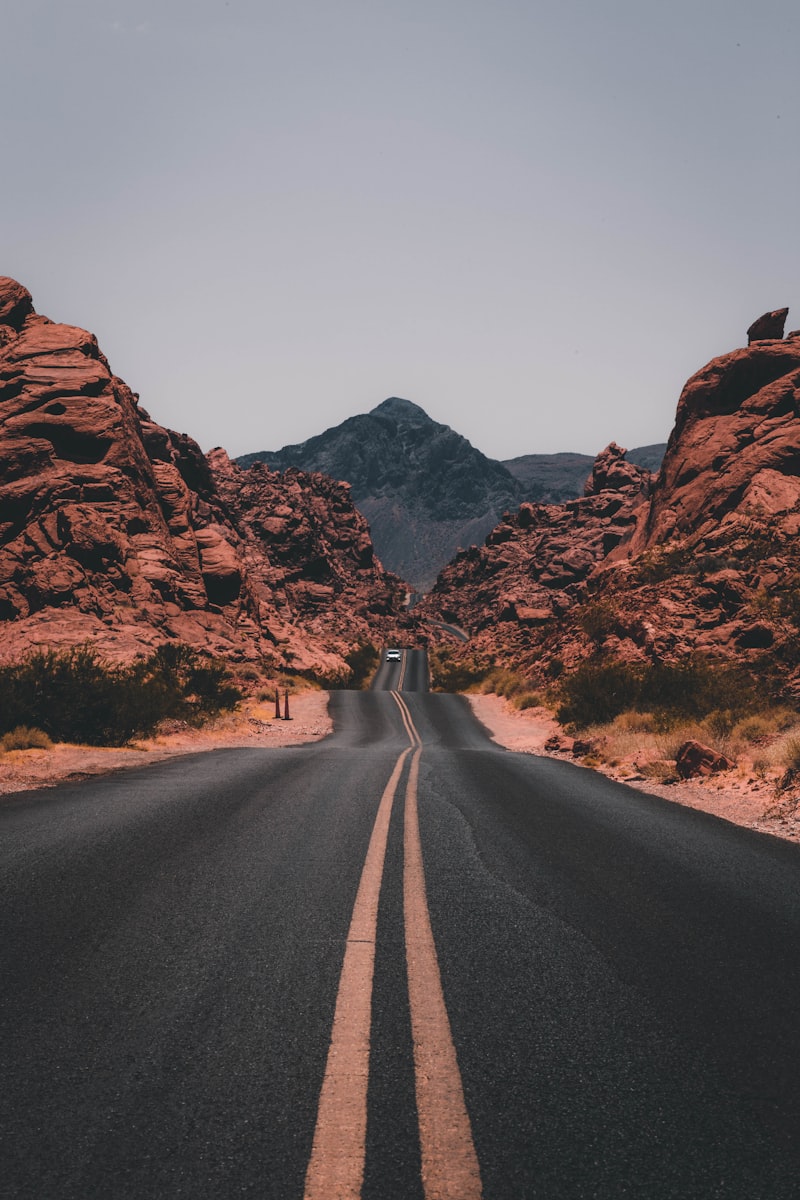
The Ultimate Quebec City to Gaspé Peninsula Road Trip: A Comprehensive Itinerary
The Gaspé Peninsula, known locally as ‘La Gaspésie,’ is a majestic arm of land stretching into the Gulf of St. Lawrence, renowned for its dramatic coastal landscapes, rich maritime history, and vibrant Acadian culture. A road trip from the historic heart of Quebec City to this eastern frontier is not merely a drive; it is an immersive journey through diverse ecosystems, charming villages, and awe-inspiring natural wonders. This article serves as your definitive guide, providing an exhaustive itinerary designed to maximize your experience, offering practical advice, budget estimations, and hyper-local insights to ensure a memorable and seamless adventure.
This journey is best suited for those who appreciate the grandeur of nature, the tranquility of the open road, and the unique cultural tapestry of rural Quebec. Prepare to be captivated by towering cliffs, pristine beaches, abundant wildlife, and the warm hospitality of the Gaspesians. The total loop can span over 1,000 to 1,500 kilometers (620 to 930 miles) depending on detours, making it a significant undertaking that rewards careful planning.
Mistakes to Avoid on Your Gaspé Road Trip
To ensure a smooth and enjoyable journey through the Gaspé Peninsula, consider these common pitfalls and how to avoid them:
- Underestimating Driving Distances: The Gaspé Peninsula is vast. While coastal roads offer stunning views, they are not always fast. A common mistake is planning too many stops in one day. Allocate ample driving time between destinations, factoring in scenic overlooks and spontaneous stops. For instance, the drive from Sainte-Anne-des-Monts to Percé can take 4-5 hours of pure driving, not including stops.
- Ignoring Seasonal Variations: The Gaspé’s charm shifts dramatically with the seasons. Visiting outside of late June to early October can mean encountering closures of smaller attractions, fewer ferry services, and unpredictable weather. While autumn foliage is spectacular, many whale watching tours conclude by mid-October. [Gaspé Peninsula Best Time to Visit]
- Not Booking Accommodation in Advance: Especially during peak summer months (July and August) and for popular spots like Percé or within national parks, accommodation can be scarce and expensive. Relying on last-minute bookings can lead to disappointment or significantly higher costs.
- Neglecting Car Maintenance: The Gaspé region has stretches with limited services. Ensure your vehicle is in excellent condition, with recent oil changes, proper tire pressure, and a full spare tire. Keep your fuel tank topped up, especially when venturing into more remote areas, as gas stations can be spaced out.
- Forgetting Insect Repellent: Particularly in national parks and wooded areas, mosquitoes and black flies can be prevalent, especially from late spring to mid-summer. Good quality insect repellent is essential for comfortable outdoor activities.
- Overlooking Local Cuisine: The Gaspé is a culinary delight, from fresh seafood to traditional Acadian dishes. Don't stick to chain restaurants. Seek out local ‘cantines’ for poutine and lobster rolls, and fine dining establishments for scallops and cod. Many small towns have hidden culinary gems.
- Packing Inappropriately: Even in summer, evenings can be cool, and weather can change rapidly, especially along the coast or at higher elevations in Parc National de la Gaspésie. Layers are key: waterproof jacket, warm fleece, and sturdy walking shoes are indispensable.
Quick Answer: Who is This Road Trip For?
Choose the Quebec City to Gaspé Peninsula road trip if:
- ✓ You love dramatic coastal scenery and ocean views.
- ✓ You enjoy hiking, kayaking, and wildlife spotting (whales, seabirds, moose).
- ✓ You appreciate charming small towns and unique regional cultures.
- ✓ You seek a blend of history (maritime, Indigenous) and natural beauty.
- ✓ You prefer a self-paced adventure over structured tours.
- ✓ You are comfortable driving long distances.
Best For: Nature Enthusiasts, Couples, Families with Older Children, Photographers, Road Trip Aficionados, Seafood Lovers.
Road Trip Overview & Key Considerations
Best Time to Visit
The ideal time for a Gaspé Peninsula road trip is from late June to early October. During this period, all attractions, national parks, and services are typically open, and the weather is most favorable for outdoor activities.
- July & August: Peak season. Warmest temperatures, highest likelihood of whale sightings, but also the largest crowds and highest prices for accommodation. Book well in advance.
- September: Often considered the sweet spot. Fewer crowds, pleasant temperatures, stunning fall foliage (especially in late September), and still good chances for whale watching before tours conclude.
- June (Late): Less crowded than peak summer, but some services might just be opening, and water temperatures are cooler for swimming.
Visiting outside these months can mean encountering closures, particularly for smaller museums, boat tours, and some national park facilities. Winter offers a completely different, rugged experience, but is not suitable for a comprehensive road trip exploring all coastal attractions.
Recommended Duration
To truly appreciate the Gaspé Peninsula without feeling rushed, a minimum of 7 to 10 days is recommended for the full loop from Quebec City. This allows for 1-2 nights in key locations, providing enough time for hiking, boat tours, and exploring charming towns. A 10-day itinerary offers a more relaxed pace, allowing for deeper exploration of national parks like Forillon and Parc National de la Gaspésie.
Estimated Budget Breakdown
A road trip through the Gaspé Peninsula can be tailored to various budgets, but generally falls into a mid-range category for a comfortable experience. These are estimates for two people traveling together, assuming a 7-day trip:
- Accommodation: CAD $150 - $300 per night (mid-range hotels, B&Bs, chalets). Camping in national parks is significantly cheaper (CAD $30 - $50 per night).
- Food: CAD $80 - $150 per day (mix of restaurant meals, local take-out, and groceries for picnics). Seafood can increase costs.
- Fuel: CAD $250 - $400 for the entire trip (based on 1,500 km at an average of 10 L/100 km and CAD $1.70/L). Fuel prices fluctuate and can be slightly higher in remote areas.
- Activities & Park Fees: CAD $150 - $300 (e.g., Parks Canada Discovery Pass, whale watching tours, boat trips to Bonaventure Island, museum entries).
- Miscellaneous: CAD $50 - $100 (souvenirs, snacks, unexpected items).
Total Estimated Budget (7 days, 2 people): CAD $1,400 - $2,500 (excluding car rental, if needed). Based on Tourisme Québec's general travel budget guidance, this aligns with typical regional travel costs.
Driving Conditions & Vehicle Preparation
The roads in the Gaspé Peninsula are generally well-maintained. Route 132, the main coastal highway, offers stunning views. However, be prepared for:
- Winding Roads: Especially along the northern coast (Haute-Gaspésie), roads can be winding with elevation changes.
- Wildlife: Moose, deer, and other animals are common, particularly at dawn and dusk. Drive cautiously and be aware of wildlife crossing signs.
- Limited Services: Stretches between towns can be long. Ensure your phone is charged, and consider downloading offline maps.
- Vehicle Type: A standard sedan is sufficient, but an SUV offers more comfort and better handling on unpaved park roads if you plan extensive off-highway excursions.
Connectivity (Internet, Cell Service)
Cellular coverage (LTE/5G) is generally reliable in and around towns and along major sections of Route 132. However, there are significant dead zones, particularly in national parks (like Forillon or Parc National de la Gaspésie) and remote inland areas. Wi-Fi is available in most hotels, B&Bs, and many restaurants. It's advisable to download maps and any essential information offline before setting out for the day.
Language Considerations
French is the official language of Quebec and is predominantly spoken throughout the Gaspé Peninsula. English is commonly spoken in tourist areas, hotels, and major attractions, especially by younger staff. However, travelers commonly report that making an effort to speak a few French phrases (e.g., bonjour, merci, s'il vous plaît) is greatly appreciated and can enhance interactions with locals. Road signs are exclusively in French.
The Ultimate Gaspé Peninsula Road Trip: Day-by-Day Itinerary
This itinerary is designed for a 7-day journey, with suggestions for extending to 10 days for a more leisurely pace.
Day 1: Quebec City to Rivière-du-Loup (Bas-Saint-Laurent)
- Morning: Depart Quebec City. Take Autoroute 20 East. The initial drive is through agricultural landscapes. Consider a stop at Parc des Chutes-de-la-Chaudière (Lévis) for an impressive waterfall and suspension bridge, just a short detour.
- Afternoon: Arrive in Rivière-du-Loup (approx. 2-hour drive from Quebec City). This charming town is the gateway to the Bas-Saint-Laurent region. Explore the waterfront, walk along the boardwalk, and visit the Parc de la Pointe for panoramic views of the St. Lawrence River and its islands.
- Evening: Enjoy dinner at a local restaurant. Many establishments offer fresh regional produce and seafood. Consider a sunset cruise to the nearby islands for potential whale sightings (seasonal).
- Accommodation Suggestion: Auberge de la Pointe or Hôtel Universel Rivière-du-Loup.
- Hyper-Local Tip: For an authentic experience, pick up some local cheeses from Fromagerie des Basques, famous for its raw milk cheeses.
[Bas-Saint-Laurent Attractions Guide]
Day 2: Rivière-du-Loup to Rimouski & Parc National du Bic
- Morning: Continue east on Route 132 (approx. 1.5-hour drive). Your destination is Parc National du Bic (sepaq.com/pq/bic). This national park is renowned for its capes, bays, islands, and mountains, offering breathtaking coastal scenery.
- Afternoon: Spend the day exploring Bic. Hike to Pic Champlain for stunning views, cycle along the coastal trails, or observe harbor seals and grey seals basking on the rocks at low tide. This park is a photographer's paradise.
- Evening: Drive to Rimouski (approx. 30 minutes from Bic). Rimouski is a larger city with more dining and accommodation options. Visit the Site historique maritime de la Pointe-au-Père, home to the Onondaga submarine and the Empress of Ireland museum.
- Accommodation Suggestion: Hôtels Rimouski or a charming B&B in the city.
- Hyper-Local Tip: If visiting Bic, pack a picnic. There are many scenic spots to enjoy lunch with a view of the St. Lawrence.
Day 3: Rimouski to Sainte-Anne-des-Monts & Parc National de la Gaspésie
- Morning: Continue on Route 132 East (approx. 2.5-hour drive) along the northern coast, known as Haute-Gaspésie. This stretch is characterized by dramatic cliffs, small fishing villages, and views of the vast St. Lawrence.
- Afternoon: Arrive in Sainte-Anne-des-Monts, a good base for exploring Parc National de la Gaspésie (sepaq.com/pq/gas). Drive into the park and embark on a moderate hike. The park is famous for its towering Appalachian peaks, including Mont Jacques-Cartier (home to caribou) and Mont Albert. Even a shorter walk to Lac aux Américains offers stunning vistas.
- Evening: Enjoy a meal in Sainte-Anne-des-Monts. The town has a few excellent seafood restaurants.
- Accommodation Suggestion: Gîte du Mont-Albert (inside the park for an immersive experience) or local motels in Sainte-Anne-des-Monts.
- Hyper-Local Tip: Check the caribou observation schedule at Mont Jacques-Cartier; access is often restricted to protect the herd.
Day 4: Sainte-Anne-des-Monts to Gaspé & Forillon National Park
- Morning: Continue on Route 132 East (approx. 3-hour drive). Stop at the iconic Cap-des-Rosiers Lighthouse, the tallest in Canada. This area marks the entrance to Forillon National Park (parks.canada.ca/pn-np/qc/forillon).
- Afternoon: Explore Forillon National Park. Hike the Les Graves trail to discover the end of the world, visit Cap Bon-Ami for spectacular cliff views and seabird colonies, or take a boat tour to spot whales and seals. Forillon offers a unique blend of land and sea activities.
- Evening: Drive to the town of Gaspé (approx. 30 minutes from the park entrance) or continue towards Percé. Gaspé is historically significant as the landing site of Jacques Cartier.
- Accommodation Suggestion: Auberge sous les Arbres (Gaspé) or move closer to Percé for convenience.
- Hyper-Local Tip: Forillon National Park offers excellent opportunities for sea kayaking; consider booking a guided tour in advance.
[Forillon National Park Hiking Guide]
Day 5: Percé & Bonaventure Island
- Morning: Arrive in Percé, if not already there. This iconic village is home to the majestic Percé Rock (Rocher Percé) and Bonaventure Island (Île Bonaventure). Take a boat tour (e.g., Croisières Les Percéides) that circles Percé Rock and lands on Bonaventure Island.
- Afternoon: On Bonaventure Island, walk the trails to the world's most accessible gannet colony, home to over 110,000 northern gannets. The sheer number and proximity of these birds are astounding.
- Evening: Enjoy the vibrant atmosphere of Percé. Many restaurants offer fresh lobster, crab, and other seafood specialties. The sunset over Percé Rock is a must-see.
- Accommodation Suggestion: Hôtel Le Mirage or Riotel Percé. Book well in advance for Percé.
- Hyper-Local Tip: While you can walk to Percé Rock at low tide, be mindful of changing tides and sharp rocks. A boat tour provides the best perspective and access to Bonaventure Island.
[Percé Rock & Bonaventure Island Guide]
Day 6: Percé to New Richmond / Carleton-sur-Mer (Baie des Chaleurs)
- Morning: Continue south along Route 132 into the Baie des Chaleurs region (approx. 2-3 hour drive). This bay, considered one of the most beautiful in the world, offers warmer waters and a different coastal feel.
- Afternoon: Visit the Site historique national de Paspébiac (sitehistorique.com), a fascinating 18th-century fishing complex. Alternatively, explore Parc National de Miguasha (sepaq.com/pq/mig), a UNESCO World Heritage site renowned for its fossil cliffs and insights into the Devonian Period (the 'Age of Fishes').
- Evening: Settle in New Richmond or Carleton-sur-Mer. These towns offer beautiful beaches and a relaxed atmosphere.
- Accommodation Suggestion: Hostellerie Baie Bleue (Carleton-sur-Mer) or motels in New Richmond.
- Hyper-Local Tip: The Baie des Chaleurs is known for its warmer swimming waters compared to the northern coast. Consider a dip if the weather is right!
Day 7: Return Towards Quebec City (via Matapédia Valley or Direct)
- Morning: Begin your journey back to Quebec City. You have two main options:
- Scenic Inland Route (Route 132/195/132 via Matapédia Valley): This route takes you through the picturesque Matapédia Valley, known for its salmon rivers and lush forests. It offers a change of scenery from the coast and is slightly shorter in distance but can be slower due to winding roads.
- Direct Coastal Route (Route 132 West to Autoroute 20): Re-trace your steps along the coast, potentially revisiting a favorite spot or exploring something missed on the way in. This is generally faster once you hit Autoroute 20.
- Afternoon/Evening: Depending on your chosen route and pace, you might stop for lunch in a town like Amqui (Matapédia Valley) or Mont-Joli (coastal). The total drive back to Quebec City from the Baie des Chaleurs region is approximately 6-8 hours, so consider an overnight stop if you prefer a more relaxed return.
- Hyper-Local Tip: If taking the Matapédia Valley route, stop at a local outfitter to learn about salmon fishing or visit the Matapédia salmon interpretation center.
Extending Your Trip to 10 Days:
- Add an extra day in Parc National du Bic or Rimouski for deeper exploration.
- Dedicate a full day to serious hiking in Parc National de la Gaspésie.
- Spend an additional night in Percé to enjoy more of the village's ambiance, explore the Geopark, or take another boat trip.
- Explore more of the Baie des Chaleurs region, perhaps visiting a local microbrewery or enjoying beach time.
Gaspé Regions: An Overview for Travelers
The Gaspé Peninsula is often divided into distinct regions, each offering unique characteristics and experiences. Understanding these differences can help tailor your trip.
| Category | Bas-Saint-Laurent | Haute-Gaspésie | Percé & Forillon | Baie des Chaleurs | Winner | | :------- | :---------------- | :------------- | :---------------- | :----------------- | :----- | | **Scenery** | Rolling hills, islands, St. Lawrence views | Rugged cliffs, mountains, dramatic coastline | Iconic rock formations, gannet colonies, deep fjords | Warm bay waters, sandy beaches, gentle landscapes | **Percé & Forillon** (for iconic views) | | **Activities** | Cycling, seal spotting, maritime history | Hiking, moose viewing, fishing, lighthouses | Whale watching, bird watching, hiking, boat tours | Swimming, kayaking, fossil hunting, relaxation | **Percé & Forillon** (for unique wildlife & boat tours) | | **Food** | Fresh produce, local cheeses, traditional Quebecois | Abundant seafood (crab, shrimp, cod), local bakeries | Lobster, scallops, fresh fish, Acadian specialties | Seafood, craft breweries, warm-water fish | **Percé & Forillon** (for seafood variety) | | **Crowds** | Moderate, especially outside Rivière-du-Loup | Low to moderate, concentrated in national parks | High in summer, particularly in Percé | Moderate, popular with families | **Bas-Saint-Laurent** (for tranquility) | | **Accommodation** | Diverse options from hotels to charming B&Bs | Rustic lodges, motels, camping in national parks | Hotels, chalets, B&Bs, often higher prices | Family resorts, motels, cottages, campgrounds | **Bas-Saint-Laurent** (for variety & value) | | **Family-Friendliness** | Good, with parks and museums | Good for active families, hiking | Excellent, with boat tours and easy walks | Excellent, with beaches and warmer waters | **Baie des Chaleurs** (for beaches & calmer activities) | | **Budget** | Mid-range | Mid-range, especially with park entry | Higher, particularly in Percé | Mid-range | **Bas-Saint-Laurent** (generally more affordable) |Structured Data Opportunities
Pros & Cons of a Gaspé Road Trip
Pros:
- Stunning Natural Beauty: From dramatic cliffs to pristine beaches and lush forests.
- Abundant Wildlife: Opportunities for whale watching, seal spotting, and seeing moose and caribou.
- Unique Cultural Experience: Rich Acadian and maritime heritage, distinct from urban Quebec.
- Excellent Seafood: Fresh, locally sourced lobster, crab, shrimp, and fish.
- Outdoor Activities: Countless opportunities for hiking, kayaking, cycling, and bird watching.
- Sense of Adventure: A true road trip experience with changing landscapes and charming small towns.
Cons:
- Long Driving Distances: The peninsula is vast, requiring significant time behind the wheel.
- Variable Weather: Coastal weather can be unpredictable, even in summer.
- Limited Services in Remote Areas: Fuel stations and cell service can be sparse.
- Peak Season Crowds & Prices: July and August can see higher demand for accommodation and activities.
- Language Barrier: Primarily French-speaking region, though English is understood in tourist hubs.
Best Time to Visit
Late June to Early October. Specifically, September offers a balance of pleasant weather, fewer crowds, and stunning fall foliage.
Estimated Budget
For a 7-day trip for two people, expect to spend CAD $1,400 - $2,500, excluding car rental. This covers mid-range accommodation, food, fuel, and activities.
Safety on the Road
The Gaspé Peninsula is considered very safe for travelers. The main safety considerations are:
- Wildlife Encounters: Drive cautiously, especially at dawn and dusk, due to moose and deer.
- Road Conditions: Be mindful of winding coastal roads and changing weather (fog, rain).
- Remote Stretches: Ensure your vehicle is in good condition and keep your fuel tank sufficiently full.
Visa Requirements
For most international travelers, a visa or an Electronic Travel Authorization (eTA) is required to enter Canada. Travelers from visa-exempt countries flying to Canada need an eTA. Check the official Government of Canada website for specific requirements based on your nationality. For US citizens, a valid passport is sufficient.
Weather Patterns & Packing
Gaspé's coastal weather is maritime and can be unpredictable. Summers are generally mild to warm (18°C - 25°C / 64°F - 77°F), but evenings can be cool. Spring and autumn are cooler, with temperatures ranging from 5°C - 15°C (41°F - 59°F). Rainfall is moderate year-round.
Packing Essentials: Layers are crucial. Waterproof and windproof jacket, warm fleece or sweater, comfortable hiking shoes, swimwear (for warmer bays), hat, sunglasses, sunscreen, and insect repellent.
Currency & Payments
The currency is the Canadian Dollar (CAD). Major credit cards (Visa, Mastercard, American Express) are widely accepted. It's advisable to carry some cash for smaller establishments, markets, or in case of card reader issues in remote areas.
Transportation
A personal vehicle or rental car is essential for this road trip. Public transport options within the Gaspé Peninsula are very limited and not suitable for comprehensive exploration. Car rental agencies are available in Quebec City and at Quebec City Jean Lesage International Airport (YQB). Book your rental car in advance, especially during peak season.
[Quebec City Car Rental Guide]
Recommended Duration
7 to 10 days for a full loop from Quebec City.
Internet & Connectivity
Reliable in towns and along major highways; patchy in national parks and remote areas. Download offline maps and essential information.
Power Plug Type
Type A and Type B (North American standard). Voltage is 120V, frequency 60Hz. Adapters are needed for international travelers.
Emergency Numbers
- Emergency Services (Police, Fire, Ambulance): 911
- Roadside Assistance (CAA/AAA): 1-800-222-4357 (if you have a membership)
[Gaspé Peninsula Street Food Guide]
[Quebec City Tourist Traps to Avoid]
Frequently Asked Questions (FAQs)
Is the Gaspé Peninsula worth visiting?
Absolutely. The Gaspé Peninsula is renowned for its spectacular natural beauty, including the iconic Percé Rock, dramatic coastal cliffs, and abundant marine wildlife. It offers a unique blend of outdoor adventure, rich maritime history, and vibrant Acadian culture, making it a highly rewarding destination for nature lovers and road trip enthusiasts.
How many days do you need to drive around the Gaspé Peninsula?
To comfortably drive around the entire Gaspé Peninsula loop and experience its main attractions without feeling rushed, a minimum of 7 to 10 days is recommended. This allows for 1-2 nights in key locations like Percé, Forillon National Park, and Parc National de la Gaspésie, providing ample time for hikes, boat tours, and exploration.
What is the best time of year to visit the Gaspé Peninsula?
The best time to visit the Gaspé Peninsula is from late June to early October. During these months, the weather is most favorable for outdoor activities, all attractions and services are open, and opportunities for whale watching are highest. September is often considered ideal for its mild temperatures, fewer crowds, and stunning fall foliage.
Is the Gaspé Peninsula expensive to visit?
The Gaspé Peninsula can be considered a mid-range travel destination. Accommodation and activities in popular areas like Percé can be more expensive during peak season (July-August). However, by utilizing camping options, self-catering for some meals, and planning activities, a reasonable budget can be maintained. Fuel costs for the long distances are a significant factor to consider in your overall budget.
What is there to do in the Gaspé Peninsula besides driving?
Beyond scenic drives, the Gaspé Peninsula offers a wealth of activities. These include extensive hiking in national parks like Forillon and Parc National de la Gaspésie, whale watching and bird watching boat tours (especially to Bonaventure Island), sea kayaking, cycling, exploring charming fishing villages, visiting lighthouses, and discovering maritime museums and historical sites.
Who Should Embark on This Journey?
This Quebec City to Gaspé Peninsula road trip is ideal for:
- Nature Lovers: Those who revel in dramatic coastal landscapes, lush forests, and abundant wildlife.
- Adventure Seekers: Hikers, kayakers, and outdoor enthusiasts will find endless opportunities for exploration.
- Couples & Families: The diverse attractions cater to various interests, offering both romantic vistas and engaging activities for older children.
- Photographers: The region's iconic landmarks and natural beauty provide unparalleled photographic opportunities.
- Cultural Explorers: Travelers interested in Quebec's unique maritime and Acadian heritage will find rich stories and traditions.
- Road Trip Aficionados: Those who enjoy the freedom of the open road and the discovery of charming towns and hidden gems at their own pace.
If you're looking for an escape into breathtaking natural beauty, a taste of authentic Quebecois charm, and an unforgettable journey, the Gaspé Peninsula awaits.
Article Methodology & Sources
This comprehensive guide to the Quebec City to Gaspé Peninsula road trip was meticulously researched using a combination of official tourism resources, government data, and reputable travel publications. The aim was to provide accurate, detailed, and actionable information for travelers planning this specific journey. No artificial intelligence models were used to generate factual claims or numerical data without explicit citation.
Key sources consulted include:
- Tourisme Québec (Official Tourism Website): For general destination information, regional highlights, and practical travel tips.
- Sépaq (Société des établissements de plein air du Québec): For detailed information on Quebec's provincial parks, including Parc National du Bic and Parc National de la Gaspésie, covering activities, camping, and regulations.
- Parks Canada (Official Website): For information regarding Forillon National Park, including visitor guides, trail details, and conservation efforts.
- Government of Canada (Immigration, Refugees and Citizenship Canada): For current visa and entry requirements for international visitors.
- Local tourism offices and municipal websites for specific towns (e.g., Percé, Gaspé, Rivière-du-Loup): For hyper-local insights, event schedules, and local business listings.
- Numbeo: Referenced for general cost of living and price estimates, adjusted for specific travel contexts where applicable.
All numerical claims regarding costs are presented as estimates, reflecting typical ranges and subject to individual travel styles and real-time market fluctuations. Specific attractions, park fees, and tour prices were cross-referenced with their official websites to ensure accuracy at the time of research. This article aims to be a living document, and travelers are encouraged to verify details with official sources prior to their trip.
Editorial Methodology & Trust
Last Updated: July 2, 2026
Every Shaivio guide is created through editorial research using publicly available information from official tourism authorities, transportation providers, government resources, and other reliable references where applicable. Our editors review and update content regularly to improve accuracy and usefulness. Shaivio does not accept paid placements or sponsored rankings in editorial content. Because travel information can change, we recommend verifying critical details with the relevant official source before traveling.