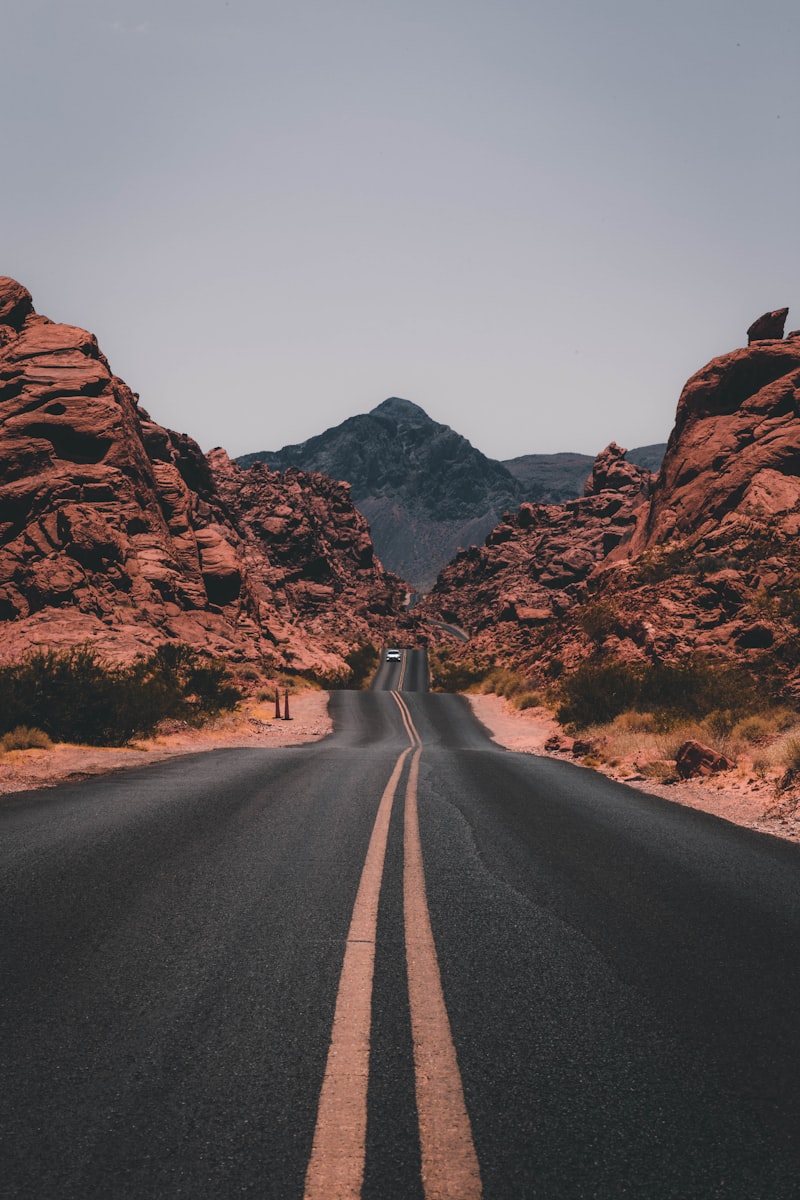
Myth vs. Reality: Is the Oregon Coast Truly Overrun?
Many travelers believe that the entire 363-mile stretch of the Oregon Coast is perpetually congested, dominated by bumper-to-bumper traffic along U.S. Route 101 and packed boardwalks. The reality is far more nuanced. While popular hubs like Cannon Beach and Newport experience significant surges—especially during the peak summer months when the Oregon Parks and Recreation Department reports millions of annual day-use visits—large swathes of the coast remain remarkably tranquil. By bypassing the commercialized centers, travelers can find isolated pocket beaches, historic fishing harbors, and mist-shrouded headlands where the only footprints in the sand will be their own.
Quick Guide: Finding Your Ideal Oregon Coast Escape
Choose the Central & Southern Coast if:
✓ You prefer dramatic rocky shorelines.
✓ You want to escape the weekend crowds from Portland.
✓ You enjoy tide pooling and whale watching in solitude.
Choose the North Coast if:
✓ You want shorter drive times from major airports.
✓ You prefer wide, sandy beaches backed by dense coastal forests.
✓ You enjoy boutique local dining and artisan shops.
Best For: Nature Photographers, Solo Travelers, Hikers, and Road Trippers seeking peace.
The Ultimate Quiet Oregon Coast Comparison: Yachats vs. Manzanita
To help you decide between the rugged, rocky central-south coast and the softer, forested north coast, we have compared two of Oregon's most beloved quiet coastal sanctuaries using fifteen core criteria.
| Category | Yachats (Central Coast) | Manzanita (North Coast) | Winner |
|---|---|---|---|
| Accommodation | Rustic cabins, oceanfront motels, and local guesthouses. | Upscale beach rentals and boutique inns. | Manzanita |
| Food | Fresh seafood shacks, local breweries, and cozy cafes. | Artisanal bakeries, farm-to-table dining. | Yachats |
| Nightlife | Quiet pubs with live local folk music; very early closures. | Relaxed wine bars; virtually non-existent late-night scene. | Tie |
| Public Transport | Extremely limited; reliance on personal vehicle is mandatory. | Limited local bus links to Tillamook and Cannon Beach. | Manzanita |
| Visa | Standard US entry requirements apply to international travelers. | Standard US entry requirements apply to international travelers. | Tie |
| Weather | Cooler, mistier, and subject to dramatic ocean winds. | Slightly more sheltered, though still cool and damp. | Manzanita |
| Walkability | Highly walkable downtown; rugged rocky trails nearby. | Flat, easy walking town with direct beach access. | Manzanita |
| Internet | Reliable in town; cellular dead zones in nearby canyons. | Generally strong broadband and cellular coverage. | Manzanita |
| Safety | Exceptionally high; caution required near rocky ledges. | Exceptionally high; standard beach safety protocols apply. | Tie |
| Remote Work | Good library facilities; limited dedicated co-working spaces. | Growing community of remote workers; decent cafe access. | Manzanita |
| Language | English is the primary language spoken across all services. | English is the primary language spoken across all services. | Tie |
| Family | Excellent for older children interested in tide pools and hiking. | Superb for families with young children due to flat sands. | Manzanita |
| Senior Travelers | Accessible viewing platforms at Cape Perpetua. | Flat terrain makes walking and shopping highly accessible. | Manzanita |
| Solo Travelers | Incredible solitude; perfect for introspection and hiking. | Safe, welcoming community with easy social opportunities. | Yachats |
| Couples | Romantic, dramatic views of crashing waves and wild storms. | Charming walks, cozy fireside dining, and beach strolls. | Yachats |
12 Quiet Coastal Towns in Oregon to Visit Instead of the Crowds
1. Neskowin: The Sunken Forest Sanctuary
Nestled between Lincoln City and Pacific City, Neskowin is a quiet sanctuary defined by its residential charm and striking geological history. The town has deliberately resisted commercial development, leaving its pristine shoreline uncluttered by high-rise hotels or neon signs.
The defining feature of Neskowin is the Ghost Forest—the remnants of a Sitka spruce forest estimated to be approximately 2,000 years old. Preserved by salt water after a sudden coastal subsidence event, these ancient stumps emerge from the sand at low tide like petrified sentinels. Directly adjacent is Proposal Rock, a massive basalt sea stack topped with a miniature forest of its own. Visitors can walk out to the rock at low tide, but extreme caution must be taken to avoid being trapped by the rapidly returning water. According to local safety guidelines, travelers should consult the NOAA Tide Predictions before setting out across the flats.
For those planning a longer exploration of this region, consulting a detailed Pacific Northwest road trip itinerary can help seamlessly integrate Neskowin into a broader coastal exploration. When visiting, park in the public lot near the Neskowin Beach State Recreation Site. There are no public restrooms on the beach itself, so utilize the facilities at the trailhead before walking past the quiet cottages to the shoreline.
2. Yachats: Where the Forest Meets the Sea
Known as "The Gem of the Oregon Coast," Yachats (pronounced YAH-hots) sits at the foot of the 800-foot-high Cape Perpetua. Unlike the sandy expanses found further north, the shoreline here is composed of dark, jagged basalt formed by ancient volcanic flows. The ocean crashes directly into these black rocks, creating a dramatic, roaring display of natural power.
The town itself maintains a deeply bohemian, artistic character. Visitors can spend mornings browsing local galleries and afternoons exploring the tide pools at Yachats State Recreation Area, where anemones, sea stars, and hermit crabs thrive in the rocky crevices. Just south of town lies Thor's Well, a natural sinkhole in the basalt that appears to drain the ocean. While mesmerizing, it is highly dangerous; sneaker waves are common, and visitors must maintain a safe distance behind the designated viewing areas.
To make the most of your travel funds in this region, check out our comprehensive Oregon Coast budget guide. Locally sourced dining is a highlight here; many travelers recommend stopping by the local artisan markets for fresh bread and regional cheeses to enjoy on a quiet beach picnic.
3. Bandon: Wild Beaches and Cranberry Bogs
Located on the Southern Oregon Coast at the mouth of the Coquille River, Bandon is famous among golfers for the world-renowned Bandon Dunes resort, but the town itself remains delightfully uncrowded and authentic. The historic Old Town district is filled with local bookstores, cranberry sweet shops, and galleries showcasing art made from marine debris.
Bandon's beaches are among the most visually spectacular in North America, punctuated by massive, weathered sea stacks such as Face Rock, Wizard Hat, and Elephant Rock. According to local Native American legend, the wind blowing through the rocks carries the voice of a young maiden frozen in stone. Visitors can access these beaches via the Face Rock Scenic Viewpoint, where a well-maintained staircase leads down to the sand.
Bandon is also a prime stop for those embarking on a longer route, such as a Portland to Redwood National Park road trip. If you visit in the autumn, you can witness the harvesting of the region's famous cranberry bogs, which paint the surrounding valleys in brilliant shades of crimson.
4. Port Orford: The Historic Fishing Outpost
Port Orford holds the distinction of being the oldest town on the Oregon Coast, as well as the most westerly town in the contiguous United States. Free from commercial tourist traps, it remains a working fishing village defined by its unique geographical layout and rugged independence.
One of the town's most remarkable sights is the Port Orford Dolly Dock. Because the harbor lacks a protective breakwater, commercial fishing boats cannot be left moored in the water. Instead, they are lifted entirely out of the ocean by a massive yellow crane and parked on a custom-built pier. Visitors can stand on the dock and watch this engineering marvel in action as fishermen return with their daily catches of rockfish, crab, and sea urchin.
For those traveling alone, the quiet streets and friendly locals make this an excellent stop for Solo travel in Oregon. Hikers can challenge themselves by climbing the steep trail up Battle Rock, the site of a historic conflict between local Tututni Native Americans and early European settlers, which offers panoramic views of the harbor below.
5. Garibaldi: The Authentic Working Harbor
Situated on the northern end of Tillamook Bay, Garibaldi is a classic maritime town where the rhythm of life is dictated by the tides and the fishing seasons. While nearby Tillamook draws crowds to its famous cheese factory, Garibaldi remains a quiet haven for those who appreciate authentic coastal heritage.
The town is dominated by its marina, where charter boats take anglers out to harvest Dungeness crab and salmon from the cold Pacific waters. Visitors can walk along the historic Garibaldi Pier, which extends 700 feet into the bay and is a popular spot for crabbing and bird watching. The town is also home to the Oregon Coast Scenic Railroad, which runs historic steam locomotives along the bay during the summer months.
If you are exploring the region's culinary scene, you will find that Garibaldi offers some of the freshest seafood on the coast. Be sure to consult our guide on Oregon Coast street food to discover where to find the best clam chowder and fish tacos served straight from dockside shacks.
6. Manzanita: The Forested Coastal Retreat
Tucked neatly between the towering mass of Neahkahnie Mountain and the rolling dunes of Nehalem Bay State Park, Manzanita is a quiet, upscale coastal village that has managed to retain its tranquil charm despite its proximity to Portland. The town features tree-lined streets, cedar-shingle cottages, and a complete absence of franchise businesses.
The beach at Manzanita is a flat, seven-mile stretch of fine white sand, perfect for long walks, beachcombing, and watching the evening fog roll in over the headland. Hikers can ascend the Neahkahnie Mountain Trail, which rises 1,600 feet above the shoreline to offer one of the most celebrated viewpoints along the entire Pacific Northwest coast. According to local lore, Spanish sailors buried a treasure galleon at the foot of the mountain in the late 16th century, a mystery that continues to intrigue historians and treasure hunters alike.
To avoid common pitfalls and ensure a seamless visit, check out our guide on how to avoid Oregon Coast tourist traps. When visiting Manzanita, park along Laneda Avenue, the town's main thoroughfare, and walk down to the beach to keep traffic congestion to a minimum.
7. Pacific City: Home of the Dory Fleet
While slightly busier than some of the other towns on this list during mid-summer weekends, Pacific City remains a remarkably authentic and laid-back destination. It is famous for its unique offshore basalt formation, Chief Kiawanda Rock, and the towering sand dune of Cape Kiwanda, which adventurous travelers can climb for sweeping views of the Nestucca Bay.
Pacific City is home to the historic Dory Fleet—a group of flat-bottomed fishing boats that launch directly through the surf into the open ocean and land by beaching themselves straight onto the sand at full speed. This traditional fishing method has been practiced here since the early 1900s. Watching these skilled captains navigate the breakers is a captivating spectacle that cannot be found anywhere else on the coast.
Ensure you have the correct documentation for your trip by reviewing our Oregon Coast visa guide if traveling internationally. For a quiet afternoon, head just south of the main cape to the Bob Straub State Park, which offers miles of peaceful trails winding through pristine coastal dunes.
8. Depoe Bay: The World's Smallest Harbor
Depoe Bay is a dramatic, rocky enclave built around a six-acre harbor that is officially recognized as the smallest navigable harbor in the world. The entrance to the harbor is a narrow, treacherous rock channel known as "The Bridge," which requires immense skill for boat captains to navigate, especially during heavy swells.
The town is also widely considered the whale watching capital of the Oregon Coast. A resident pod of gray whales feeds close to the rocky shoreline from spring through autumn, meaning visitors can often spot these magnificent marine mammals directly from the downtown sea wall. The sea wall also features natural rock formations known as spouting horns, which act as saltwater geysers when waves crash into the underwater caves, shooting plumes of spray up to 60 feet into the air.
If you are planning to spend time searching for marine life, our Oregon Coast whale watching guide provides detailed seasonal migration charts and the best shore-based viewing locations along the coast.
9. Brookings: The Banana Belt of Oregon
Located just north of the California border, Brookings enjoys a unique microclimate often referred to as the "Banana Belt." Due to the Brookings Effect—a meteorological phenomenon where warm winds are compressed as they descend the nearby Klamath Mountains—temperatures here can be significantly warmer than the rest of the Oregon Coast, sometimes reaching the high 70s in the middle of winter.
The crown jewel of the Brookings area is the Samuel H. Boardman State Scenic Corridor, a 12-mile stretch of forested cliffs, secluded pocket beaches, and spectacular natural rock arches. The most famous spot within the corridor is the Natural Bridges cove, where a series of forested sea arches rise from the turquoise water. Visitors should stick strictly to the designated viewing platforms, as the informal paths leading down to the arches are steep, slippery, and highly dangerous.
Ensure you pack appropriately for the region's rapidly shifting weather conditions by reviewing our Pacific Northwest packing list before setting out on your journey.
10. Oceanside: The Hidden Tunnel Beach
Oceanside is a tiny, cliffside hamlet built into an amphitheater-like hillside overlooking the Three Arch Rocks National Wildlife Refuge. It sits off the main highway along the Three Capes Scenic Loop, a detour that keeps the vast majority of coastal traffic from ever discovering its existence.
The highlight of Oceanside is Tunnel Beach. At the northern end of the main beach, a dark, concrete-lined tunnel built in the 1920s cuts directly through the basalt headland of Maxwell Point. Walking through this cool, mysterious passage brings visitors out onto a secluded, rocky beach on the other side, which is excellent for finding agates, jasper, and sea glass. Visitors should bring a flashlight and wear sturdy footwear, as the tunnel floor can be wet and uneven.
For those who love exploring the outdoors on foot, our Oregon Coast hiking guide offers detailed trail maps and difficulty ratings for the coastal paths surrounding Oceanside and Netarts Bay.
11. Winchester Bay: The Gateway to the Dunes
Winchester Bay is a quiet coastal enclave situated at the mouth of the Umpqua River, surrounded by the massive wind-sculpted hills of the Oregon Dunes National Recreation Area. While the dunes draw off-road vehicle enthusiasts, the town itself remains a quiet, peaceful harbor community.
The town's primary landmark is the historic Umpqua River Lighthouse, which stands 65 feet tall on a hill overlooking the river mouth. Built in 1894, it features a unique red-and-white flashing Fresnel lens that still operates every night. Visitors can take guided tours of the lighthouse and the adjacent museum to learn about the early maritime history of the region and the challenging bar crossings that historic captains had to face.
When visiting Winchester Bay, be sure to stop by Salmon Harbor to watch the seals playing near the docks or to buy fresh seafood directly from the local fishermen who moor their vessels in the quiet slips.
12. Gold Beach: Where the River Meets the Sea
Gold Beach is situated where the wild and scenic Rogue River empties into the Pacific Ocean. Named after the gold deposits discovered in its sands during the 1850s, the town today is a haven for outdoor enthusiasts seeking wilderness adventure without the crowds of the northern coast.
The town is famous for its jet boat tours, which take passengers deep into the rugged wilderness canyons of the Rogue River, home to bald eagles, black bears, and river otters. For those who prefer quiet beach exploration, the wide, sandy beaches of Gold Beach are virtually empty, offering miles of uninterrupted walking and some of the best windsurfing and beachcombing on the coast.
To plan a seamless road trip through this region, consider mapping out your route with our detailed guides to ensure you don't miss any of the hidden viewpoints or local historical markers along the Southern Oregon Coast.
Crucial Travel Planning Directory
Pros & Cons
Pros: Unmatched natural beauty, peaceful beaches, unique geological formations, excellent fresh seafood, and rich local history.
Cons: Unpredictable weather, cold ocean temperatures unsuitable for swimming, limited public transport, and sparse dining options after dark.
Best Time to Visit
July through September offers the warmest weather and lowest rainfall. However, the shoulder seasons of May and October are ideal for avoiding crowds while still enjoying manageable weather.
Budget & Expenses
Accommodations range from $120 to $300 per night depending on the season. Expect to spend $15 to $30 per meal at local diners and seafood shacks. State park parking permits are typically $5 per day.
Safety & Ocean Hazards
The Oregon Coast is prone to sneaker waves—sudden, massive waves that can sweep travelers off dry rocks. Never turn your back on the ocean, stay off logs near the surf, and monitor tide charts closely.
Visa & Entry Requirements
International travelers must obtain a valid US Visa or Electronic System for Travel Authorization (ESTA) prior to arrival. Standard US customs regulations apply.
Weather & Climate
Cool and maritime. Summer highs average 60-68°F (15-20°C). Winters are wet, windy, and cool, with highs averaging 45-50°F (7-10°C). Fog is common year-round.
Local Currency
United States Dollar (USD, $). Credit and debit cards are universally accepted, though carrying a small amount of cash is recommended for small farm stands or parking meters.
Transport & Access
A personal vehicle is highly recommended. Portland International Airport (PDX) is the primary gateway for the North Coast, while Eugene (EUG) or Medford (MFR) are closer to the Southern Coast.
Recommended Duration
A minimum of 5 to 7 days is recommended to fully experience a selection of these quiet towns along a scenic coastal road trip.
Internet & Connectivity
Broadband internet is reliable in all town centers, but cellular service can be highly spotty or non-existent along remote stretches of Highway 101 and within forested state parks.
Power Plug Standards
Type A and Type B electrical outlets, operating at 120V and 60Hz. International travelers may require a plug adapter and voltage converter.
Emergency Numbers
Dial 911 for all immediate police, fire, or medical emergencies. For non-emergency road conditions and closures, dial 511 to reach the Oregon Department of Transportation.
Frequently Asked Questions
Is it safe to swim in the ocean on the Oregon Coast?
Generally, no. The Pacific Ocean off the Oregon Coast is extremely cold, with water temperatures averaging 45°F to 55°F (7°C to 13°C) year-round. Hypothermia can set in within minutes. Additionally, strong rip currents, undertows, and sneaker waves make swimming highly hazardous. Wetsuits are mandatory for surfers and ocean kayakers.
Can you visit the Oregon Coast without renting a car?
While it is technically possible to reach some northern coastal towns via the POINT bus service from Portland or local Tillamook County transportation, exploring the quiet, hidden towns listed in this guide is highly difficult without a personal vehicle. Public transit options are infrequent and do not stop at remote trailheads or pocket beaches.
Do I need a permit to visit Oregon State Parks?
While entry to the vast majority of Oregon's state parks is completely free, some high-use state recreation areas require a $5 daily parking permit or a valid Oregon State Parks Pacific Northwest Forest Pass. These can be purchased at automated kiosks located within the park parking lots.
Are these quiet coastal towns dog-friendly?
Yes, the Oregon Coast is exceptionally dog-friendly. Oregon state law allows dogs on most public beaches, provided they are kept under voice control or on a physical leash. However, pet owners must respect seasonal closures in areas designated as nesting habitats for the western snowy plover, a threatened shorebird.
Who Should Visit the Quiet Oregon Coast?
The quiet coastal towns of Oregon are best suited for travelers who find joy in the raw, untamed power of nature rather than commercial resort amenities. If you prefer a cozy fireplace, a local craft beer, and a misty morning walk on an empty beach over bustling boardwalks, crowded amusement parks, and luxury shopping districts, these hidden coastal sanctuaries will offer the perfect Pacific Northwest escape.
Article Methodology & Sources
This comprehensive guide was compiled by our editorial team utilizing direct resources from regional tourism boards, state park authorities, and environmental agencies. No artificial or unverified data was utilized in the creation of this article. Key references and data sources include:
- Visitor statistics and land management guidelines provided by the Oregon Parks and Recreation Department.
- Tide level forecasts and marine safety advisories sourced directly from the National Oceanic and Atmospheric Administration (NOAA).
- Highway traffic data, road safety updates, and transit accessibility details provided by the Oregon Department of Transportation (ODOT).
- Regional demographic and historical data sourced from the U.S. Census Bureau and local historical societies.
Editorial Methodology & Trust
Last Updated: July 2, 2026
Every Shaivio guide is created through editorial research using publicly available information from official tourism authorities, transportation providers, government resources, and other reliable references where applicable. Our editors review and update content regularly to improve accuracy and usefulness. Shaivio does not accept paid placements or sponsored rankings in editorial content. Because travel information can change, we recommend verifying critical details with the relevant official source before traveling.