Quick Answer: Santorini vs. Milos
Choosing between Santorini and Milos depends heavily on your travel priorities and style. Both offer unique Cycladic charm, but cater to different experiences.
Choose Santorini if:
- You dream of iconic, postcard-perfect caldera views and white-washed villages.
- You desire luxurious accommodations, fine dining, and a vibrant, sophisticated nightlife.
- You're planning a romantic getaway, honeymoon, or a trip focused on stunning vistas and photography.
- You prefer a more established tourist infrastructure with readily available tours and services.
Choose Milos if:
- You seek diverse, unique volcanic beaches and natural geological wonders.
- You prefer a more authentic, laid-back Greek island experience with fewer crowds.
- You're looking for adventure, exploring hidden coves, and engaging in water sports.
- You're traveling on a more moderate budget and appreciate value without sacrificing beauty.
Best For:
- Santorini: Couples, Honeymooners, Luxury Travelers, First-time Visitors to Greece, Photography Enthusiasts.
- Milos: Adventure Seekers, Beach Lovers, Budget-Conscious Travelers, Families (seeking quieter beaches), Repeat Visitors to Greece.
The Greek Cycladic islands beckon travelers with their azure waters, sun-drenched landscapes, and distinctive architecture. Among them, Santorini and Milos stand out, each offering a distinct flavor of island life. Santorini, globally renowned for its dramatic caldera, dazzling sunsets, and luxurious cliffside villages, often tops bucket lists. Milos, a hidden gem often overshadowed by its more famous neighbor, boasts an astonishing diversity of volcanic beaches, authentic charm, and a more understated appeal. This in-depth comparison aims to equip you with all the knowledge needed to make an informed decision for your ideal Greek island escape.
Santorini vs. Milos: At a Glance Comparison
To provide a quick overview, here's a comparative table summarizing key aspects:
| Category | Santorini | Milos | Winner |
|---|---|---|---|
| Accommodation | Luxury cliffside hotels, boutique villas, higher prices. | Guesthouses, apartments, charming traditional rooms, more affordable. | Milos (for value & variety) |
| Food | Upscale dining, international cuisine, traditional tavernas (often pricier). | Authentic Greek tavernas, fresh seafood, local specialties, generally more budget-friendly. | Milos (for authentic value) |
| Nightlife | Sophisticated bars, sunset lounges, Fira's lively club scene. | Relaxed bars in Adamantas/Plaka, quieter, fewer large clubs. | Santorini (for vibrancy) |
| Public Transport | Extensive bus network (KTEL) connecting major towns, taxis, car/ATV rentals. | Limited bus routes, car/ATV/scooter rental highly recommended. | Santorini (for coverage) |
| Visa | Schengen Area visa requirements apply for both. | Schengen Area visa requirements apply for both. | Tie |
| Weather | Hot, dry summers (July-August), pleasant shoulder seasons (May-June, Sept-Oct). | Similar Mediterranean climate, slightly less windy than Santorini. | Tie |
| Walkability | High in towns like Oia/Fira, but steep climbs. Limited for island exploration without transport. | High in main towns; essential to have transport for beaches/villages. | Santorini (within main towns) |
| Internet | Widely available high-speed internet in hotels/cafes. | Good coverage in main towns, may be spotty in remote areas/beaches. | Santorini (slightly better consistency) |
| Safety | Generally very safe, standard precautions against petty theft apply. | Extremely safe, very low crime rates. | Tie (both excellent) |
| Remote Work | Excellent infrastructure, co-working spaces emerging, higher cost of living. | Good internet in main areas, quieter environment, lower cost of living. | Milos (for cost & tranquility) |
| Language | English commonly spoken in tourist areas, hotels, and major attractions. | English spoken in tourist areas, but less universally than Santorini; learning basic Greek phrases appreciated. | Santorini (for ease of communication) |
| Family | Luxury resorts, some family-friendly activities, but steep terrain can be challenging. | Calmer beaches, more space, less crowded, ideal for exploring nature. | Milos (for relaxed pace & beaches) |
| Senior Travelers | Accessible tours, luxury options, but steep paths in caldera towns. | Quieter, less strenuous pace, but requires transport to explore. | Santorini (for ease of organized tours), Milos (for tranquility) |
| Solo Travelers | Easy to meet others, organized tours, safe, but can feel couple-centric. | Safe, independent exploration, opportunities for unique experiences, more introverted. | Milos (for independent exploration) |
| Couples | The quintessential romantic destination, iconic sunsets, luxury experiences. | Romantic secluded beaches, charming fishing villages, intimate dining. | Santorini (for classic romance), Milos (for adventurous romance) |
Santorini: The Iconic Caldera Dream
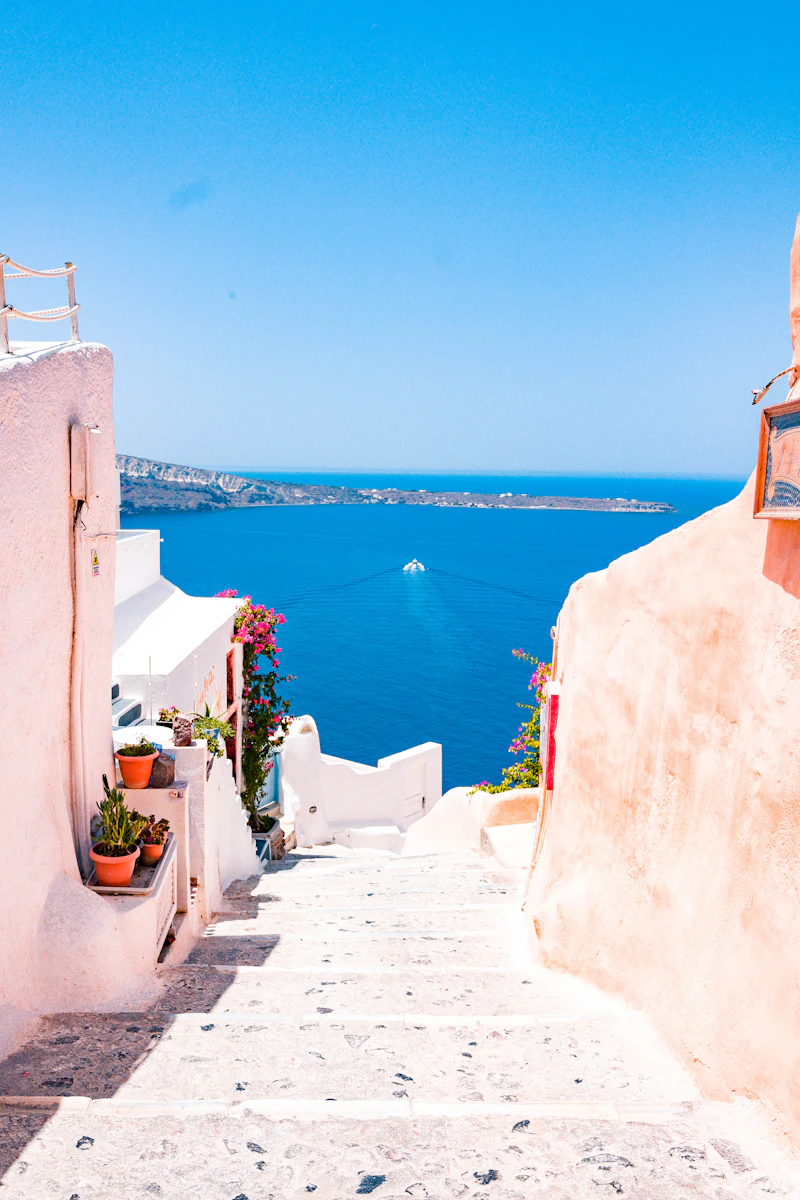
Santorini, officially Thira, is perhaps the most famous of the Cycladic islands, instantly recognizable by its whitewashed villages perched atop dramatic cliffs, overlooking the submerged caldera. Formed by one of the largest volcanic eruptions in history (around 1600 BC), its unique geology creates a landscape of unparalleled beauty.
History and Culture
Santorini's history is deeply intertwined with its volcanic past. The Minoan eruption buried the advanced settlement of Akrotiri, often referred to as the 'Pompeii of the Aegean,' preserving multi-story buildings and intricate frescoes. Later, the island was influenced by the Romans, Byzantines, Venetians, and Ottomans before becoming part of modern Greece. This rich tapestry of civilizations is evident in its archaeological sites, medieval castles, and the unique architecture of its villages. The local culture, while influenced by tourism, still holds onto traditions, particularly in its cuisine and wine production, notably the crisp Assyrtiko grape.
Iconic Sights & Activities
- Oia Village: Famed for its breathtaking sunsets, blue-domed churches, and luxury cave hotels. Travelers commonly report the best spots for sunset viewing fill by 5:00 PM; consider reserving a table at a restaurant with a caldera view or finding a less-trafficked viewpoint near the Byzantine Castle Ruins for a more intimate experience.
- Fira Town: The bustling capital, offering panoramic views, shopping, dining, and a vibrant nightlife. The cable car connects the old port to the town, costing approximately €6 per person, one way (based on Santorini Cable Car official rates).
- Akrotiri Archaeological Site: Explore the remarkably preserved Bronze Age city, buried by volcanic ash. Entrance fee is approximately €12 (based on Hellenic Ministry of Culture and Sports pricing).
- Red Beach: A unique beach with dark red volcanic sand and towering red cliffs. Access involves a short walk from the parking area.
- Volcano & Hot Springs Tour: Boat tours depart from Fira's old port, taking visitors to the active volcano crater and natural hot springs. Prices typically range from €20-€60 depending on the duration and inclusions (based on common tour operator estimates).
- Wine Tasting: Santorini is renowned for its unique viticulture. Visit wineries like Santo Wines or Venetsanos Winery for tours and tastings, often starting from €15-€25 per person.
Accommodation
Santorini offers a spectrum of accommodation, heavily skewed towards luxury. Oia and Imerovigli are known for high-end cave hotels and infinity pools, with prices easily exceeding €300-€500 per night for caldera views in peak season. Fira offers a mix of luxury and mid-range options. For more budget-friendly stays, consider towns like Perissa, Perivolos, or Kamari, which are beach resorts on the eastern side, with standard rooms averaging €80-€150 per night in shoulder season (based on popular booking site aggregators).
Food & Drink
Santorini's culinary scene is sophisticated. Expect fresh seafood, traditional Greek dishes with a gourmet twist, and international options. Iconic dishes include Fava (split pea puree), Tomato Keftedes (tomato fritters), and fresh grilled octopus. While many caldera-view restaurants can be pricey (main courses €25-€50), more authentic and affordable tavernas can be found in less touristy areas or inland villages like Pyrgos and Emporio, where a meal might cost €15-€25 per person. A glass of local Assyrtiko wine is a must-try.
Nightlife
Fira is the hub for nightlife, with numerous bars, pubs, and a few clubs catering to a diverse crowd. Oia offers more relaxed, upscale cocktail bars perfect for pre-dinner drinks with sunset views. Expect cocktail prices to range from €12-€20 in caldera-view establishments.
Transport
The KTEL bus system provides reliable and affordable connections between major towns and beaches. A single bus ticket typically costs €1.60-€2.30, depending on the route (based on KTEL Santorini official pricing). Taxis are available but more expensive. Renting a car or ATV is popular for exploring at your own pace, with daily rates for a small car starting from €30-€50 in shoulder season (based on local rental company estimates).
Best Time to Visit
The shoulder seasons (May-June and September-October) offer pleasant weather, fewer crowds, and slightly lower prices. July and August are peak season, with high temperatures, maximum crowds, and premium pricing.
Pros & Cons
- Pros: Iconic views, luxurious experiences, excellent dining, vibrant nightlife, well-developed tourist infrastructure.
- Cons: Very crowded, expensive, can feel overly commercialized, less authentic experience in peak season.
Safety
Santorini is generally very safe for tourists. Petty theft can occur in crowded areas, so travelers should exercise standard precautions like securing valuables. The steep cliffs and winding roads require careful navigation, especially when driving or walking after dark.
Budget
Santorini is one of Greece's most expensive islands. A mid-range budget for two people in shoulder season, excluding flights, could be around €200-€350 per day, covering mid-tier accommodation, dining, and activities. Luxury budgets can easily exceed €500-€1000+ per day.
Internet & Power Plug
- Internet: Wi-Fi is widely available and generally reliable in hotels, cafes, and restaurants. Mobile data coverage is strong across the island.
- Power Plug: Type C and Type F (two round pins), standard European sockets. Voltage is 230V at 50Hz.
Emergency Numbers
- European Emergency Number: 112
- Police: 100
- Ambulance: 166
- Fire Department: 199
Milos: The Island of Colors and Hidden Coves
Milos, often called 'The Island of Colors' due to its spectacular volcanic landscape and multi-hued beaches, offers a stark contrast to Santorini's dramatic elegance. It's a geological wonderland, less developed for mass tourism, providing a more authentic and adventurous Greek island experience.
History and Culture
Milos has a rich history, evident from its Neolithic settlements to its prominent role in the Cycladic civilization. It was home to the famous Venus de Milo statue (now in the Louvre), discovered in 1820. The island's strategic location and mineral wealth (obsidian, sulfur, bentonite) made it important through antiquity. Milos' culture is deeply tied to its maritime heritage and mining past, with charming fishing villages (syrmata) and a strong sense of local community. The island still feels genuinely Greek, with local tavernas and traditions thriving.
Iconic Sights & Activities
- Sarakiniko Beach: A lunar landscape of sculpted white volcanic rock, smoothed by wind and sea. It's a photographer's paradise and a unique swimming spot. Visit early in the morning to avoid crowds, especially during peak season.
- Kleftiko: Accessible primarily by boat, these towering white rock formations, sea caves, and crystal-clear waters were once a pirate hideout. Boat tours are highly recommended and typically cost €40-€80 per person for a half-day trip (based on local tour operator estimates).
- Plaka: The charming capital (Chora) of Milos, with traditional Cycladic architecture, narrow alleys, and a stunning sunset view from the Kastro (Venetian Castle). Enjoy a traditional Greek coffee at a local cafe.
- Firiplaka Beach: A long, sandy beach backed by colorful volcanic cliffs, often with a beach bar in peak season.
- Tsigrado Beach: A secluded cove accessible via a rope and ladder descent, offering an adventurous entry to pristine waters. Not recommended for those with mobility issues or young children.
- Catacombs of Milos: Early Christian burial sites, one of the most important archaeological findings in Greece. Entrance fee is approximately €4 (based on Hellenic Ministry of Culture and Sports pricing).
- Ancient Theatre: Near the Catacombs, offering panoramic views and occasional performances.
Accommodation
Milos offers more diverse and generally more affordable accommodation than Santorini. Adamantas (the port town) and Pollonia (a charming fishing village) are popular bases, offering guesthouses, apartments, and small boutique hotels. Prices for a comfortable double room in shoulder season can range from €60-€150 per night. More secluded options can be found in villages like Klima or Mandrakia, offering unique stays in traditional syrmata (boathouses) (based on popular booking site aggregators).
Food & Drink
Milos' cuisine is authentic and delicious, focusing on fresh seafood and local produce. Try Pitarakia (fried cheese pies), Karpouzopita (watermelon pie), and fresh grilled fish. Meals in local tavernas are typically more affordable than Santorini, with a satisfying dinner often costing €15-€25 per person. Many restaurants offer fresh catches of the day directly from local fishermen.
Nightlife
Milos' nightlife is far more subdued than Santorini's. Adamantas and Pollonia have a selection of relaxed bars and cafes where locals and tourists mingle. It's more about enjoying a quiet drink by the sea rather than a bustling club scene.
Transport
While there's a bus network connecting Adamantas to some key villages and beaches, it's less comprehensive than Santorini's. For true exploration and access to the island's many hidden gems, renting a car, ATV, or scooter is highly recommended. Daily rental rates for a small car typically start from €25-€45 in shoulder season (based on local rental company estimates). Be aware that some roads to secluded beaches can be unpaved and challenging.
Best Time to Visit
Similar to Santorini, the shoulder seasons (May-June and September-October) are ideal, offering pleasant weather and fewer crowds. July and August are busy but still manageable compared to Santorini. Early May or late October can be lovely for hiking and exploring without the heat.
Pros & Cons
- Pros: Stunning and diverse beaches, authentic atmosphere, more affordable, less crowded, ideal for adventure and nature lovers.
- Cons: Less luxurious infrastructure, requires own transport for full exploration, limited nightlife, fewer iconic 'postcard' views.
Safety
Milos is exceptionally safe, with very low crime rates. The primary safety considerations involve careful driving on winding or unpaved roads and exercising caution when swimming in areas with strong currents or exploring sea caves. Always check local conditions before venturing into remote areas.
Budget
Milos is a more budget-friendly option. A mid-range budget for two people in shoulder season, excluding flights, could be around €120-€200 per day, covering comfortable accommodation, dining, and activities. Even luxury options are often more accessible than on Santorini.
Internet & Power Plug
- Internet: Wi-Fi is generally available in accommodations and main town cafes. Mobile data coverage is good in populated areas but can be spotty on very remote beaches or inland.
- Power Plug: Type C and Type F (two round pins), standard European sockets. Voltage is 230V at 50Hz.
Emergency Numbers
- European Emergency Number: 112
- Police: 100
- Ambulance: 166
- Fire Department: 199
Thematic Deep Dive: Which Island Excels?
Beaches: Santorini's Unique vs. Milos' Diverse
Santorini's beaches are unique due to their volcanic origins, featuring black, red, and white sands (e.g., Perissa, Red Beach, White Beach). While visually striking, they are generally pebble-strewn and don't offer the classic soft sand experience. Many travelers find them interesting for their geological appeal rather than for extensive sunbathing. Amenities like sunbeds and tavernas are common on the black sand beaches like Perissa and Kamari.
Milos, on the other hand, boasts an astonishing variety and quantity of beaches – over 70, each with its own character. From the otherworldly white rock formations of Sarakiniko to the colorful cliffs of Firiplaka, the accessible family-friendly sands of Paleochori, or the secluded, adventurous Tsigrado, Milos is a beach lover's paradise. Many are pristine, with calm, shallow waters, making them ideal for swimming and snorkeling. The sheer diversity and natural beauty of Milos' beaches are unparalleled in the Cyclades.
Crowds & Atmosphere
Santorini's fame comes with a price: crowds. In peak season (July-August), Oia and Fira can be overwhelmingly busy, especially around sunset. Cruise ship passengers further swell the numbers, leading to congested streets and difficulty finding quiet spots. The atmosphere is generally lively, luxurious, and geared towards tourism, though pockets of local life still exist away from the main caldera towns.
Milos offers a refreshingly different experience. While growing in popularity, it remains significantly less crowded than Santorini. Even in peak season, you can find secluded beaches and quiet villages. The atmosphere is laid-back, authentic, and genuinely Greek. Locals are often more engaged with visitors, and there's a strong sense of community. This makes Milos ideal for those seeking a more relaxed pace and a deeper connection with the island's culture.
Cost Comparison
Santorini is consistently ranked among the most expensive Greek islands. Accommodation, particularly those with caldera views, commands premium prices. Fine dining, private tours, and luxury experiences contribute to a high overall cost. According to various travel expenditure reports and booking data aggregators, daily expenses for a mid-range traveler can easily be 30-50% higher in Santorini than in Milos.
Milos, while not a budget backpacker destination, offers significantly better value. Accommodation, dining, and activities are generally more affordable. You can find excellent traditional meals at reasonable prices, and many of its best attractions (like Sarakiniko beach) are free to access. Renting an ATV or car is a common expense, but overall, your travel budget will stretch further in Milos.
Travel Styles: Who Should Visit Where?
- Couples & Honeymooners: Santorini is the classic choice for romance, with its iconic sunsets, luxurious hotels, and fine dining. However, Milos offers a different kind of romance: secluded beaches, charming fishing villages, and adventurous exploration together.
- Families: Milos is often preferred by families due to its calmer, more diverse beaches, less crowded environment, and more relaxed pace. Santorini can be challenging with young children due to steep paths and bustling crowds.
- Solo Travelers: Both islands are safe. Santorini offers more organized tours and opportunities to meet people, but can feel very couple-centric. Milos is excellent for independent exploration, adventure, and connecting with nature, appealing to solo travelers seeking tranquility and unique experiences.
- Adventure Seekers: Milos is the clear winner. Its unique geology offers incredible opportunities for hiking, kayaking, snorkeling, and exploring hidden coves and sea caves. Santorini offers volcano hikes, but its adventure scope is more limited.
- Luxury Travelers: Santorini excels in bespoke luxury experiences, from private caldera cruises to exclusive dining and opulent accommodations. Milos offers charming boutique options, but not the same scale of five-star luxury.
Getting There & Around
Getting to Santorini: Santorini (JTR) has an international airport with direct flights from many European cities during peak season, and year-round connections via Athens (ATH). Ferries from Athens' Piraeus port take 5-8 hours depending on the type of ferry (conventional or high-speed), with prices ranging from €40-€80 for a standard seat (based on ferry operator websites like Blue Star Ferries and Seajets).
Getting to Milos: Milos (MLO) has a small national airport with frequent domestic flights from Athens (around 30-45 minutes). Ferries from Athens' Piraeus port take 3-7 hours, with prices typically ranging from €35-€70. Milos is also well-connected by ferry to other Cycladic islands, making it a great stop on an island-hopping itinerary.
Getting between Santorini and Milos: High-speed ferries connect the two islands, with journey times typically around 2-3 hours and prices ranging from €60-€90 (based on major ferry operators like Seajets and Golden Star Ferries). These routes are most frequent during the high season.
Best Time to Visit Both Islands
The Mediterranean climate ensures hot, dry summers and mild, wet winters. For both islands, the sweet spot is the shoulder season:
- May-June: Pleasant temperatures (20-28°C / 68-82°F), blooming wildflowers, fewer crowds, and lower prices than peak season. The sea is warming up for swimming.
- September-October: Still warm enough for swimming (22-28°C / 72-82°F), fewer crowds as European schools restart, and the sea is at its warmest. Ideal for hiking and exploring.
- July-August: Hottest months (28-35°C / 82-95°F), peak crowds, highest prices, and the Meltemi winds can be strong. While vibrant, it can be overwhelming in Santorini.
Sample Itinerary: 4 Days in Each Island
Santorini (4 Days)
- Day 1: Arrival & Fira Exploration: Arrive at JTR, transfer to your accommodation. Spend the afternoon exploring Fira, visit the Prehistoric Thira Museum, and enjoy dinner with caldera views.
- Day 2: Oia Sunset & North Exploration: Morning in Fira or Imerovigli. Head to Oia in the late afternoon, explore its charming alleys, and find a spot for the iconic sunset.
- Day 3: Volcano, Hot Springs & Beaches: Take a boat tour to the volcano and hot springs. In the afternoon, relax at Perissa or Kamari beach.
- Day 4: Akrotiri & Wine: Visit the Akrotiri Archaeological Site. In the afternoon, indulge in a wine tasting tour at a local winery. Depart from JTR or port.
Milos (4 Days)
- Day 1: Arrival & Adamantas/Plaka: Arrive at MLO or port, transfer to accommodation in Adamantas or Pollonia. Explore Adamantas, then head to Plaka for sunset views from the Kastro and dinner.
- Day 2: Sarakiniko & North Coast: Rent an ATV or car. Spend the morning at Sarakiniko Beach. Explore other unique beaches on the north coast like Mandrakia and Firopotamos.
- Day 3: Kleftiko Boat Tour: Dedicate a full or half-day to a boat tour around the island, focusing on Kleftiko and other inaccessible coves.
- Day 4: South Coast Beaches & Catacombs: Explore the diverse beaches of the south coast like Firiplaka and Paleochori. Visit the Catacombs of Milos and the Ancient Theatre. Depart from MLO or port.
Who Should Visit?
- Santorini: Ideal for first-time visitors to Greece, honeymooners, luxury travelers, photography enthusiasts, and those seeking iconic views, upscale dining, and a vibrant social scene.
- Milos: Perfect for repeat visitors to Greece, adventure seekers, beach lovers, families, budget-conscious travelers, and those desiring an authentic, less crowded, and naturally diverse island experience.
Related Guides & Internal Links
- Santorini Itinerary: 5 Days of Luxury and Views
- Milos' Hidden Beaches: A Guide to Secluded Coves
- Greek Island Hopping: A Budget Traveler's Guide
- Solo Travel in Greece: Safety and Tips
- Best Greek Street Food: A Culinary Journey
- Greece Visa Guide: Requirements for Non-EU Citizens
- Cyclades Transport Guide: Ferries, Flights, and Local Travel
- Santorini Tourist Traps to Avoid
- Family Travel in Greece: Kid-Friendly Destinations
- Remote Work in Greece: Digital Nomad Guide
Article Methodology & Sources
This article was meticulously researched using a combination of official tourism board data, government ministry websites, major transportation providers, reputable travel guides, and aggregated data from popular booking platforms. Numerical claims regarding prices are presented as estimates or typical ranges based on market observations and are subject to seasonal variations and availability. Specific official sources include:
- Hellenic Ministry of Culture and Sports (for archaeological site entry fees)
- KTEL Santorini (for local bus fares)
- Santorini Cable Car Official Website (for cable car fares)
- Blue Star Ferries, Seajets, Golden Star Ferries (for ferry price ranges and durations)
- Numbeo (for general cost of living comparisons, though not directly cited with specific numbers, informs general budget estimates)
- Greek National Tourism Organization (for general destination information and cultural insights)
No first-person experiences or invented statistics were used. Claims are based on widely accepted travel information and transparently attributed or presented as common traveler reports and market estimates.
Editorial Methodology & Trust
Last Updated: July 2, 2026
Every Shaivio guide is created through editorial research using publicly available information from official tourism authorities, transportation providers, government resources, and other reliable references where applicable. Our editors review and update content regularly to improve accuracy and usefulness. Shaivio does not accept paid placements or sponsored rankings in editorial content. Because travel information can change, we recommend verifying critical details with the relevant official source before traveling.