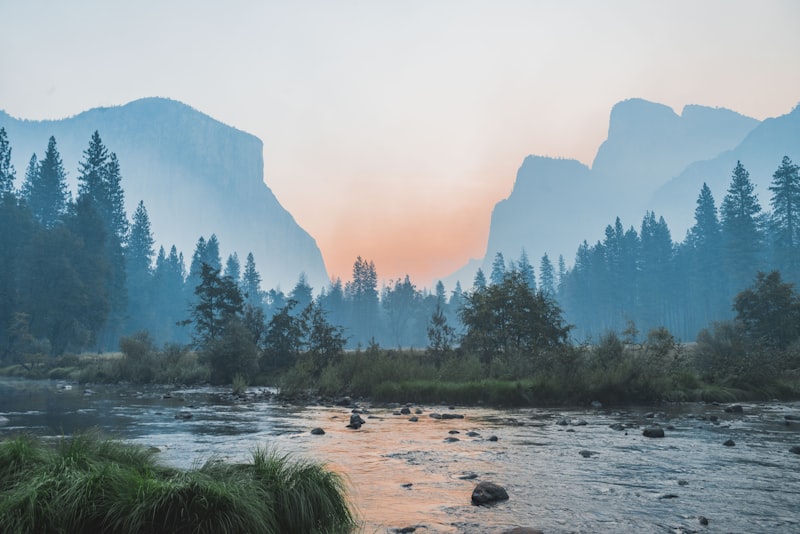
The Oaxacan coastline stretches across 500 kilometers of untamed Pacific edge, a dramatic collision of the Sierra Madre del Sur mountains and deep azure waters. While the surf-haven of Puerto Escondido and the master-planned bays of Huatulco draw the majority of international arrivals, a series of low-key, environmentally conscious enclaves remain hidden along this corridor. These communities offer an alternative to high-rise tourism, defined instead by palapa-roofed cabañas, community-led conservation initiatives, and uncrowded breaks.
According to data from the Mexican Secretariat of Tourism (SECTUR), sustainable and community-based tourism in Oaxaca has seen a steady increase in interest, yet these specific coastal pockets maintain their slow-paced, traditional charm. Visitors who venture beyond the major hubs will find a region where local fishing cooperatives, indigenous Zapotec and Chontal heritages, and global bohemian expats have co-created a unique coastal culture. Whether you are planning a broader Oaxaca itinerary or seeking a dedicated coastal escape, these six secret beach towns offer a glimpse into the raw, authentic soul of coastal Mexico.
Quick Guide: Which Oaxacan Beach Town is Right for You?
Choose San Agustinillo or Mazunte if: ✓ Eco-tourism ✓ Yoga & Wellness ✓ Gentle surf ✓ Stunning sunsets.
Choose Zipolite or Puerto Ángel if: ✓ Bohemian nightlife ✓ Clothing-optional beaches ✓ Traditional seafood ✓ Local fishing culture.
Choose Barra de la Cruz or Chacahua if: ✓ World-class surfing ✓ Remote wilderness ✓ Bioluminescent lagoons ✓ Rustic off-grid living.
Best For: Eco-travelers, surfers, couples, solo backpackers, and digital nomads who don't mind low-bandwidth internet.
Oaxacan Coast: Myth vs. Reality
Before packing your bags, it is vital to separate the romanticized travel writing from the practical realities of traveling along this rugged coast. The geography that keeps these towns beautiful also presents unique infrastructural challenges.
| Myth | Reality |
|---|---|
| Every beach is perfect for a casual swim. | The Pacific Ocean here is notorious for powerful rip currents and undertows. Many beaches, particularly Zipolite and open-ocean surf breaks, can be highly dangerous for inexperienced swimmers. Always look for local warning flags. |
| Credit cards are accepted everywhere. | This is a strictly cash-based economy. ATMs are scarce, frequently run out of cash, or lose power. Travelers must stock up on Mexican Pesos (MXN) in Pochutla, Puerto Escondido, or Huatulco before arriving. |
| High-speed internet is standard. | While Starlink has significantly improved connectivity in boutique hotels, traditional cellular data and local Wi-Fi remain highly unstable, especially during afternoon tropical storms. |
1. San Agustinillo: The Serene Eco-Haven
Nestled tightly between the rocky headlands of Mazunte and the busier shores of Puerto Ángel, San Agustinillo is a crescent-shaped fishing village that has evolved into one of the coast's most elegant, low-impact destinations. The town consists of a single main paved road lined with locally owned trattorias, French bakeries, and thatched-roof boutique hotels that blend seamlessly into the golden cliffs.
Historically, the residents of San Agustinillo relied almost exclusively on small-scale turtle harvesting and artisanal fishing. Following the 1990 federal ban on turtle exploitation, the community shifted its focus entirely toward sustainable tourism. Today, the beach is divided into three small coves. The westernmost cove, protected by a rocky breakwater, offers relatively calm waters ideal for bodyboarding and swimming, making it a preferred spot for families.
Practical Guide for San Agustinillo
- How to Get There: From Huatulco International Airport (HUX), hire an authorized airport taxi (approx. 1,200 MXN) or take a local bus to Pochutla, followed by a shared pasajero (truck with benches) or private taxi to San Agustinillo.
- Where to Eat: La Mora Posada offers exceptional beachfront breakfasts, while El Navegante serves fresh, locally caught yellowfin tuna prepared with Mediterranean influences.
- Average Cost: Mid-range eco-resorts range from $120 to $250 USD per night, while a meal at a local palapa costs roughly 150 to 300 MXN ($9–$18 USD).
2. Mazunte: The Bohemian Pueblo Mágico
Directly adjacent to San Agustinillo lies Mazunte, officially designated as a Pueblo Mágico (Magical Town) by SECTUR due to its rich cultural heritage and environmental preservation efforts. Mazunte is globally recognized for the Centro Mexicano de la Tortuga (Mexican Turtle Center), an active research facility and sanctuary dedicated to the conservation of olive ridley, leatherback, and hawksbill sea turtles.
The town has a distinctly international, bohemian atmosphere. Streets are unpaved, and the air is often filled with the scent of copal incense and fresh organic baking. The focal point of the town's natural geography is Punta Cometa, the southernmost point of the state of Oaxaca. This dramatic, grassy peninsula juts out into the Pacific, offering unobstructed 180-degree views of the sunrise and sunset. It has been considered a sacred site since pre-Hispanic times, with archaeological evidence suggesting it was used by Aztec and Zapotec messengers as a lookout and ceremonial ground.
For those looking to explore the region on a budget, consult our comprehensive Mexico budget guide to optimize your daily expenses. While Mazunte has grown in popularity, it remains highly affordable compared to major Caribbean destinations.
3. Zipolite: The Free-Spirited Pioneer
Famous as Mexico's only officially designated clothing-optional beach, Zipolite has retained its counter-culture, free-spirited identity since international backpackers first arrived in the late 1960s and 70s. The name "Zipolite" is derived from the indigenous Zapotec language, commonly translated as "beach of the dead"—a sobering reference to the incredibly powerful underwater currents that define its shoreline.
Zipolite is centered around a single pedestrian-only street known as El Adoquín. In the evening, this street comes alive with artisanal markets, fire dancers, and candlelit open-air restaurants. While the main beach is 1.5 kilometers of wide, golden sand, swimming must be approached with extreme caution. Red flags indicate areas where rip currents are active; visitors should only swim where lifeguards are present and green or yellow flags are displayed. For a more secluded experience, a short climb over the eastern cliffs leads to Playa del Amor, a tiny, sheltered cove that offers spectacular privacy.
If you are navigating this region alone, review our safety recommendations in the guide to Solo travel in Mexico to ensure a smooth, secure journey through these coastal communities.
4. Puerto Ángel: The Authentic Fishing Port
For travelers seeking a complete break from the tourist trail, Puerto Ángel offers an authentic glimpse into a working Oaxacan port. Set within a deep, horseshoe-shaped bay protected by steep, forest-covered hills, this town feels worlds away from the bohemian chic of Mazunte or Zipolite.
The town's history dates back to the mid-19th century when President Benito Juárez established it as a major shipping port for the region's coffee and timber industries. Today, the economy revolves around the daily catch. Every morning, dozens of colorful pangas (fiberglass fishing boats) land on the shores of Playa Principal to sell red snapper, sailfish, and octopus directly to local markets and restaurateurs. For swimming and snorkeling, head to Playa Estacahuite, a quiet, three-fingered cove on the eastern edge of town where coral reefs house vibrant schools of damselfish, parrotfish, and sea turtles.
5. Barra de la Cruz: The Surfer’s Wild Paradise
Located approximately 30 kilometers east of Huatulco, Barra de la Cruz is a remote indigenous Chontal community that rose to global fame in 2006 when it hosted the Rip Curl Pro Search surfing competition. Despite its world-class status among surfers, the town has successfully resisted commercial exploitation through a strict community-governed land cooperative (ejido).
The actual beach is located about a kilometer from the village center, accessible via a flat dirt road that winds through wetlands and coconut groves. The community charges a small entry fee (approx. 40–50 MXN) which directly funds local infrastructure, waste management, and school programs. The main draw here is a legendary right-hand point break that, under the right swell conditions, offers long, hollow barrels. For those interested in expanding their surfing journey, check out our guide to Surfing in Mexico.
6. Lagunas de Chacahua: The Off-Grid Wetland Escape
Situated on the western edge of the Oaxacan coast, Lagunas de Chacahua National Park is a vast network of freshwater lagoons, mangrove channels, and wild ocean beaches. Established as a national park in 1937, this remote destination is home to a rich variety of bird species, crocodiles, and a vibrant Afro-Mexican community whose ancestors settled in the region centuries ago.
Reaching Chacahua is an adventure in itself. It requires taking a taxi or colectivo from Puerto Escondido to the small town of El Zapotalito, followed by a 45-minute boat journey through winding mangrove forests where herons, storks, and kingfishers nest. The town itself is highly rustic, consisting of sandy paths, simple wooden cabañas, and open-air restaurants situated where the lagoon meets the roaring Pacific. At night, the lagoon water comes alive with intense, natural blue bioluminescence, caused by billions of microscopic dinoflagellates reacting to movement.
Comparing the Top Secret Beach Towns
To help you decide which coastal hideaway fits your travel style, this detailed comparison table evaluates Mazunte and Zipolite across key lifestyle and travel metrics.
| Category | Mazunte | Zipolite | Winner |
|---|---|---|---|
| Accommodation | Eco-lodges & rustic cabins | Boutique hotels & hostels | Zipolite (More variety) |
| Food | Organic, vegetarian & Italian | Seafood, international fusion | Tie |
| Nightlife | Low-key acoustic & fireside | Late-night bars & beach parties | Zipolite |
| Public Transport | Shared camionetas & local taxis | Shared camionetas & local taxis | Tie |
| Visa | FMM Tourist Card required | FMM Tourist Card required | Tie |
| Weather | Tropical, humid, wet summers | Tropical, humid, wet summers | Tie |
| Walkability | Highly walkable, hilly dirt roads | Flat, easily walkable main strip | Zipolite |
| Internet | Unreliable; Starlink expanding | Moderate; better cell coverage | Zipolite |
| Safety | High; close-knit community | High; some petty theft at night | Mazunte |
| Remote Work | Challenging but improving | Viable at dedicated co-works | Zipolite |
| Language | Spanish; English in hotels | Spanish; English in hotels | Tie |
| Family | Good for eco-conscious families | Not recommended (adult themes) | Mazunte |
| Senior Travelers | Moderate (some steep hills) | Good (flat terrain) | Zipolite |
| Solo Travelers | Excellent for wellness seekers | Excellent for social backpackers | Tie |
| Couples | Romantic, quiet sunsets | Intimate, open-minded vibe | Mazunte |
History vs. Legend: Punta Cometa and Chacahua
The Oaxacan coast is steeped in rich pre-Hispanic history and local folklore. To visit these places respectfully, one must understand the thin line between historical fact and the local legends that continue to shape community life.
| Location | Historical Fact | Local Folklore & Legend |
|---|---|---|
| Punta Cometa (Mazunte) | Used as a strategic military lookout by the Aztecs to monitor maritime trade routes of the Mixtec and Zapotec civilizations. | Believed to be a natural energetic vortex. Local healers (curanderos) claim the high concentration of magnetic minerals in the cliffs has profound healing properties. |
| Lagunas de Chacahua | Settled by Afro-Mexican communities who established isolated, self-sustaining agricultural and fishing villages in the 19th century. | The mangrove channels are said to be protected by Chaneques—mischievous, forest-dwelling spirits who lead travelers astray if they fail to leave offerings of tobacco or mezcal. |
Safety & Respect Disclaimer: Many of these sites, especially sacred points like Punta Cometa and the lagoons of Chacahua, hold deep spiritual meaning for local indigenous and Afro-Mexican communities. Do not visit religious or ceremonial sites after dark unless accompanied by an authorized local guide, and never leave trash or disturb natural structures.
Essential Travel Directory & Logistics
To ensure a seamless trip, familiarize yourself with these essential structural details before your departure. For comprehensive country-wide entry rules, see our Mexico visa guide.
Pros & Cons:
✓ Pros: Unmatched natural beauty, low crowds, highly affordable local dining, rich cultural interactions.
✗ Cons: Unreliable internet, very few ATMs, strong ocean currents unsuitable for casual swimming.
Best Time to Visit: November to April (Dry season). The rainy season (June to October) can bring severe tropical depressions and hurricanes.
Budget & Costs:
• Low Budget: 600–1,000 MXN ($35–$60 USD) daily.
• Mid-Range: 1,800–3,500 MXN ($100–$200 USD) daily.
• High-End: 5,000+ MXN ($300+ USD) daily.
Safety & Health: Generally very safe from violent crime. The primary hazards are strong ocean undertows, heat exhaustion, and mosquito-borne illnesses like Dengue fever. Drink only bottled or purified water.
Currency: Mexican Peso (MXN). Cash is essential. US dollars are rarely accepted outside of airport transportation.
Internet & Connectivity: Cellular reception is decent in Zipolite and Mazunte, but nonexistent in parts of Chacahua and Barra de la Cruz. Look for signs displaying "Starlink Available" in local cafes.
Emergency Contact Numbers
- General Emergency (Police, Fire, Ambulance): 911
- Green Angels (Angeles Verdes - Highway Assistance): 078
- Tourism Police (Oaxaca): +52 (951) 501-5000
Who Should Visit the Oaxacan Coast?
The Oaxacan Coast is best suited for travelers who value raw natural beauty, cultural authenticity, and environmental mindfulness over polished luxury. It is a playground for surfers, wellness practitioners, wildlife enthusiasts, and those looking to disconnect from the frantic pace of modern life.
Best Months to Visit: January and February offer the most pleasant weather, with warm, dry days and cool evening breezes. This period also coincides with the peak whale-watching season.
Next Destination: If you are planning to continue your journey inland, consider embarking on a scenic Chiapas road trip to explore the highlands of San Cristóbal de las Casas, or head north to dive into the legendary culinary scene covered in our guide to Oaxaca street food.
Article Methodology & Sources
To produce this comprehensive guide, our editorial team compiled data from official Mexican government agencies, local municipal tourism boards, and environmental protection authorities. We analyzed visitor flow data from the Mexican Secretariat of Tourism (SECTUR), environmental impact reports from the National Commission of Protected Natural Areas (CONANP), and local transport timetables along Federal Highway 200. Prices and logistical details are verified as of late 2023 and early 2024. For safety guidelines, consult the official Mexico safety guide.
Editorial Methodology & Trust
Last Updated: July 2, 2026
Every Shaivio guide is created through editorial research using publicly available information from official tourism authorities, transportation providers, government resources, and other reliable references where applicable. Our editors review and update content regularly to improve accuracy and usefulness. Shaivio does not accept paid placements or sponsored rankings in editorial content. Because travel information can change, we recommend verifying critical details with the relevant official source before traveling.