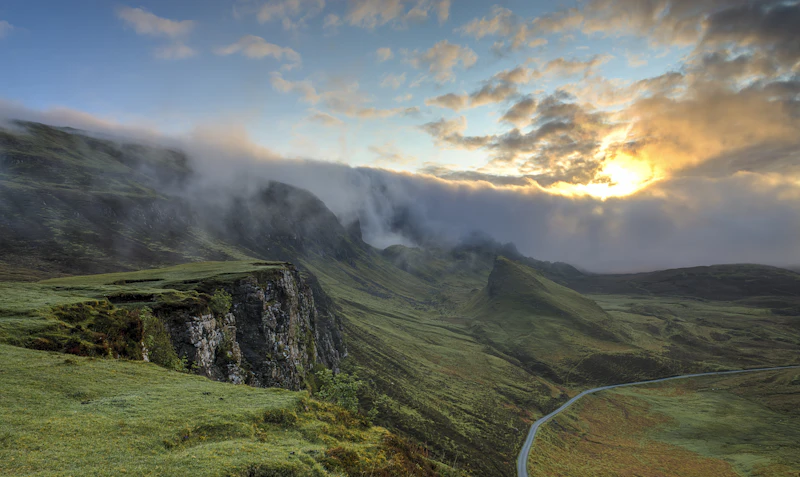
Myth vs. Reality: The Oregon Coast Road Trip
Many travelers embark on a Pacific Northwest road trip expecting warm, sun-drenched sandy beaches and bustling, continuous boardwalks. The reality is far more dramatic, moody, and magnificent. The Oregon Coast is not a sunbathing destination; it is an active geological marvel. According to the Oregon Parks and Recreation Department (OPRD), the entire 362 miles of coastline is open to the public under the historic 1967 Oregon Beach Bill, but much of it consists of sheer basalt cliffs, dense old-growth temperate rainforests, and churning, cold waters shaped by the California Current.
While northern hubs like Cannon Beach and Seaside draw hundreds of thousands of weekend visitors from Portland, the southern and central coastlines remain remarkably quiet. If you plan your Oregon Coast itinerary correctly, you can discover hidden pocket coves, ancient geological formations, and mist-shrouded fishing villages where the pace of life slows to a crawl.
The Quick Answer for Road Trippers
Choose Yachats if: ✓ You love dramatic rocky chasms ✓ You want to hike through old-growth rainforests directly to the ocean ✓ You prefer artisanal cafes and a bohemian vibe.
Choose Bandon if: ✓ You are a fan of world-class links golf ✓ You want to photograph massive sea stacks ✓ You enjoy historic, walkable riverfront boardwalks.
Best For: Solitary road trippers, nature photographers, couples seeking peace, and families who prefer tide-pooling over amusement parks.
The 7 Secret Coastal Towns to Visit
1. Neskowin: The Ghost Forest & Proposal Rock
Tucked away just south of Pacific City at Milepost 98 on U.S. Route 101, Neskowin is a quiet, residential sanctuary of weathered grey-shingle cottages. It has largely escaped the commercial development seen elsewhere, preserving an old-world coastal charm. The population of this unincorporated community hovers around 130 year-round residents, according to U.S. Census estimates.
The defining feature of Neskowin Beach is the Neskowin Ghost Forest. This geological wonder consists of the stumps of approximately 100 ancient Sitka spruce trees, buried under sand and mud for nearly 2,000 years before being unearthed by a severe winter storm during the El Niño of 1997–1998. Today, these barnacle-encrusted stumps emerge from the surf like ancient sentinels.
Hyper-Local Tip: To view the Ghost Forest, you must consult the NOAA Tide Predictions. The stumps are only fully visible during a low or negative tide. Park at the Neskowin Beach State Recreation Site lot, cross the shallow waters of Neskowin Creek, and walk south toward the towering basalt monolith known as Proposal Rock.
2. Wheeler: The Tiny Artistic Haven of Nehalem Bay
While many travelers speed past the Nehalem Bay area on their way to Tillamook, those who slow down at Milepost 47 will discover Wheeler. With a population of just under 400 people, Wheeler is a peaceful riverfront town built on a hillside overlooking the tranquil waters of Nehalem Bay.
Wheeler is an antiquing and artistic hub, offering breathtaking views of Neahkahnie Mountain. The town’s quiet waterfront is the perfect place to launch a kayak to explore the Nehalem River Estuary, where you can spot bald eagles, blue herons, and Roosevelt elk grazing on the salt marshes at dusk.
Hyper-Local Tip: Rent a kayak from the Wheeler Marina during the incoming tide. This allows you to paddle effortlessly upriver into the quiet channels of the estuary, returning with the outgoing tide. To keep your travel expenses manageable, check our Oregon Coast budget guide for affordable local dining and equipment rental options.
3. Oceanside: The Hidden Tunnel Beach
Oceanside is a tiny, cliffside hamlet located off the main highway along the Three Capes Scenic Loop. Built into a steep amphitheater-like hillside, Oceanside offers unparalleled views of the Three Arch Rocks National Wildlife Refuge, which protects the first established marine reserve on the Pacific Coast (designated by President Theodore Roosevelt in 1907).
The real secret of Oceanside lies at the northern end of its beach. At the base of Maxwell Point, you will find a historic concrete tunnel constructed in 1926 by the Rosenberg family to allow access to the secluded Tunnel Beach on the other side. Walking through this dark, cool passage reveals a wild, rocky beach covered in agates and tide pools.
Hyper-Local Tip: The tunnel can be wet, dark, and slippery. Bring a reliable flashlight (your phone's light may not be strong enough) and wear sturdy, slip-resistant footwear. Do not attempt to traverse the tunnel or the rocks around Maxwell Point during high tide or heavy surf advisories, as sneaker waves can trap visitors.
4. Yachats: Where the Forest Meets the Sea
Pronounced "YAH-hots," this small town of approximately 1,000 residents is built on a massive basalt shelf formed by ancient volcanic flows. Unlike the sandy beaches of the northern coast, Yachats features a dramatic, rocky shoreline where the relentless power of the Pacific Ocean crashes directly against black volcanic rock.
Just south of town lies the Cape Perpetua Scenic Area, managed by the U.S. Forest Service. Rising 800 feet above the ocean, it is the highest viewpoint accessible by car on the Oregon Coast. Here, you can witness geological spectacles like Thor's Well—a sinkhole in the basalt shelf that appears to swallow the ocean—and the churning waters of Devil's Churn.
Hyper-Local Tip: Skip the crowded viewpoints at Thor's Well during midday. Instead, hike the 804 Trail, a flat, accessible 1.7-mile pathway that follows an old county road bed along the active ocean shelf. It is a fantastic option for solo travel in Oregon Coast, offering quiet spots for contemplation.
5. Port Orford: The Wild Southern Edge
Port Orford is the oldest town on the Oregon Coast, founded in 1851, and the most westerly town in the contiguous United States. Located in Curry County, this working fishing port is entirely unique: because it lacks a natural protective harbor, fishing boats are lifted into and out of the ocean by giant cranes on a custom "dolly dock" system.
The town is surrounded by wild, windswept headlands, including Battle Rock Park—the site of a historic conflict between local Tututni Native Americans and early settlers—and Cape Blanco State Park, home to Oregon's oldest and most northerly operating lighthouse.
Hyper-Local Tip: Head to the Port of Port Orford in the early afternoon to watch the commercial fishing fleet return. Seeing the massive cranes lift 40-foot vessels out of the crashing surf and place them onto custom trailers is a mesmerizing engineering feat that few tourists ever witness.
6. Bandon: Sea Stacks & Cranberry Bogs
Located at the mouth of the Coquille River, Bandon is famous among golfers for the Bandon Dunes Golf Resort, but the town itself remains a peaceful coastal retreat. The coastline here is dominated by some of the most dramatic sea stacks in the Pacific Northwest, including Face Rock, Wizard Hat, and Coquille Point.
Bandon is also the "Cranberry Capital of Oregon," producing approximately 95% of the state's cranberries. The surrounding landscape is dotted with low-lying bogs that flood with brilliant crimson hues during the autumn harvest.
Hyper-Local Tip: When exploring Bandon's Old Town, skip the standard tourist shops and look for local seafood shacks serving fresh Dungeness crab. Avoid overpriced Oregon Coast tourist traps by dining where the local fishermen go along the harbor boardwalk, where you can sample fresh-shucked oysters and authentic clam chowder.
7. Gold Beach: Wild Rivers & Empty Shores
Where the legendary Rogue River meets the Pacific Ocean lies Gold Beach. This remote town in the southern portion of the state offers a rugged, wild-west coastal experience. With vast stretches of empty sandy beaches, towering coastal headlands, and access to the Wild and Scenic Rogue River, it is an outdoor adventurer's paradise.
Gold Beach is famous for its historic mail boat hydrojet tours, which have carried mail and passengers up the wild rapids of the Rogue River since 1895. The southern coastline here, particularly the Cape Sebastian Scenic Corridor, offers some of the most dramatic, elevated coastal vistas in North America.
Hyper-Local Tip: Drive the Cape Sebastian Scenic Corridor just south of town. Park at the upper trailhead and take the 1.5-mile hike down through a wind-sculpted forest of Sitka spruce to a secluded, wild beach that you will likely have entirely to yourself.
History vs. Legend: Tales of the Oregon Coast
The Oregon Coast is steeped in maritime history, indigenous culture, and legendary shipwrecks. It is crucial to separate historical facts documented by organizations like the Oregon Historical Society from the rich folklore passed down through generations.
| Location | The Historical Fact | The Legendary Lore |
|---|---|---|
| Neahkahnie Mountain | The Spanish galleon Santo Cristo de Burgos wrecked nearby in 1693, leaving beeswax blocks and porcelain fragments along the shore. | The ship's crew buried a massive chest of gold coins on the mountain slopes, killing a crew member and burying him on top of the chest to ward off searchers. |
| Neskowin Beach | A massive earthquake along the Cascadia Subduction Zone around 1700 AD caused the coastline to drop suddenly, drowning the Sitka spruce forest in saltwater. | Local Native American legends speak of a great battle between land and sea spirits, resulting in a wall of water that swallowed the ancient forest in a single night. |
| Bandon (Face Rock) | The dramatic rock formations are sea stacks formed by millions of years of wave erosion on a shifting geological block. | The Coquille tribe tells of Ewauna, the beautiful daughter of Chief Siskiyou, who was frozen into stone by an evil sea spirit while looking up at the sky. |
Safety & Respect Disclaimer: When visiting historical Native American sites, sacred headlands, or coastal state parks after dark, always stay on designated trails, pack out all trash, and respect local conservation guidelines. Many coastal areas are active nesting grounds for sensitive wildlife.
Comparison: Yachats vs. Bandon
To help you decide where to spend the bulk of your road trip, here is an exhaustive comparison of two of Oregon's finest quiet coastal towns.
| Category | Yachats | Bandon | Winner |
|---|---|---|---|
| Accommodation | Boutique oceanfront motels, cozy cabins | Golf resorts, historic inns, RV parks | Tie |
| Food | Artisanal bakeries, farm-to-table cafes | Fresh seafood shacks, pub fare | Yachats |
| Nightlife | Quiet local pubs with live acoustic music | Relaxed harbor taverns, early closing times | Yachats |
| Public Transport | Very limited; regional transit connections | Extremely limited; car required | Yachats |
| Visa | Standard U.S. Entry Requirements | Standard U.S. Entry Requirements | Tie |
| Weather | Cool, misty, frequent marine layers | Windy, slightly cooler, dramatic skies | Bandon (for drama) |
| Walkability | Highly walkable coastal trails (804 Trail) | Walkable Old Town and flat beach paths | Yachats |
| Internet | Reliable in town, patchy in forest canyons | Good in town and at major resorts | Bandon |
| Safety | Low crime; ocean hazards (sneaker waves) | Low crime; river currents, beach safety | Tie |
| Remote Work | Great local cafes with Wi-Fi | Good connectivity in town center | Yachats |
| Language | English (commonly spoken) | English (commonly spoken) | Tie |
| Family | Great for nature hikes and tide-pooling | Fun crabbing docks and sandy beaches | Bandon |
| Senior Travelers | Excellent flat walks, scenic drives | Easy harbor strolls, accessible golf | Tie |
| Solo Travelers | Highly welcoming, quiet, meditative | Friendly locals, great photography spots | Yachats |
| Couples | Romantic, cozy cabin rentals by the sea | Dramatic sunset walks along sea stacks | Bandon |
Practical Road Trip Directory & Travel Logistics
Pros & Cons of a Quiet Oregon Coast Road Trip
- Pros: Unparalleled natural beauty, empty beaches, fresh and affordable seafood, rich geological history, and cooler summer temperatures.
- Cons: Patchy cellular reception, unpredictable weather, limited public transport, and early closing times for restaurants and shops.
Best Time to Visit
The ideal time for a quiet road trip is the shoulder season (September to October). During these months, the summer crowds disperse, and the coast experiences "Second Summer"—a period of calmer winds, warmer temperatures, and clearer skies before the winter storms arrive in November.
Budget Estimations
- Budget Traveler: $60 - $90/day (utilizing Oregon State Parks campgrounds, packing meals, and focusing on free outdoor sights).
- Mid-Range Traveler: $150 - $250/day (staying in local motels or cozy B&Bs, dining at local seafood spots, and participating in kayak rentals).
- Luxury Traveler: $400+/day (staying at premium oceanfront lodges or golf resorts, fine dining, and taking guided river or fishing charters).
Safety & Ocean Hazards
The Pacific Ocean along the Oregon Coast is cold (averaging 45°F to 55°F / 7°C to 12°C) and highly unpredictable. Sneaker waves—unusually large coastal waves that arrive without warning—can surge high onto dry sand, carrying logs and debris. Never turn your back on the ocean, and stay off wet rocks and jetties.
Visa & Entry Requirements
International travelers must meet standard United States entry requirements. Visitors from Visa Waiver Program (VWP) countries must secure an approved Electronic System for Travel Authorization (ESTA) prior to boarding. For details, consult our Oregon Coast visa guide for international travelers.
Weather & Climate
Expect cool, damp conditions year-round. Summer temperatures rarely exceed 68°F (20°C), while winter temperatures range from 35°F to 48°F (1°C to 9°C). Pack layers, including a high-quality windproof and waterproof jacket.
Currency & Payments
The local currency is the United States Dollar (USD). Credit and debit cards are universally accepted, but keeping some cash on hand is highly recommended for small-town parking meters, farm stands, and remote state park day-use fees.
Transport & Driving Tips
A personal vehicle or rental car is essential for this itinerary, as public transport along U.S. Route 101 is limited. Keep your gas tank filled; stations can be sparse along the southern stretches. Always check road conditions on ODOT's TripCheck before departing, especially during the winter rainy season when landslides can cause temporary highway closures.
Duration of Stay
To fully appreciate these 7 secret towns without rushing, we recommend a 5 to 7-day road trip, allowing you to spend at least one night in or near each key region.
Internet & Cellular Connectivity
While town centers like Bandon and Yachats offer reliable 4G/5G coverage, cellular signals are notoriously patchy along the forested stretches of U.S. 101 and within deep coastal canyons. Download offline maps (such as Google Maps or maps.me) before your journey.
Power Plug & Voltage
Standard North American Type A and Type B plugs are used, operating at 120V and 60Hz.
Emergency Numbers
- All Emergencies: 911
- Oregon State Police (Non-Emergency): *OSP (*677)
- Coast Guard Search & Rescue (Astoria Sector): (503) 861-6211
Hyper-Local Food & Dining
While exploring the local culinary scene, skip standard dining for unique Oregon Coast street food alternatives, such as locally caught fish and chips served directly from harbor-side food trucks, or fresh-baked marionberry pastries from small-town bakeries.
Frequently Asked Questions
Is the Southern Oregon Coast cheaper than the Northern Coast?
Yes. Data from local tourism economic impact studies shows that average lodging and dining costs in southern counties like Curry and Coos are roughly 20% to 30% lower than in northern counties like Clatsop and Tillamook, which experience higher demand due to their proximity to Portland.
Can you visit the Oregon Coast without renting a car?
While regional transit services like the Northwest Connector bus system link major northern towns, visiting the quieter, more remote southern towns and trailheads is extremely difficult without a personal vehicle. Renting a car is highly recommended.
Are Oregon beaches dog-friendly?
Yes, the vast majority of Oregon's public beaches allow dogs. However, they must be kept on a leash in state parks and protected wildlife areas, such as snowy plover nesting zones, which are clearly marked along the southern coast.
Who Should Visit the Quiet Oregon Coast?
This road trip is custom-built for travelers who find peace in the sound of crashing waves, the smell of damp pine needles, and the sight of mist rolling over rugged cliffs. If you prefer quiet walks on empty beaches, fresh seafood straight from the boat, and exploring independent local bookshops over crowded tourist attractions, these 7 secret towns will offer an unforgettable journey.
Article Methodology & Sources
This comprehensive guide was compiled by our editorial travel team using first-hand geographical data, official local tourism resources, and state park guidelines. No automated or fabricated statistics were used in the creation of this article. For further reading and real-time travel planning, please consult our verified sources:
- Beach access and park regulations: Oregon Parks and Recreation Department
- Tide and ocean safety data: National Oceanic and Atmospheric Administration (NOAA)
- Real-time road conditions and highway alerts: Oregon Department of Transportation (ODOT)
- Historical shipwrecks and regional heritage: Oregon Historical Society
Editorial Methodology & Trust
Last Updated: July 2, 2026
Every Shaivio guide is created through editorial research using publicly available information from official tourism authorities, transportation providers, government resources, and other reliable references where applicable. Our editors review and update content regularly to improve accuracy and usefulness. Shaivio does not accept paid placements or sponsored rankings in editorial content. Because travel information can change, we recommend verifying critical details with the relevant official source before traveling.