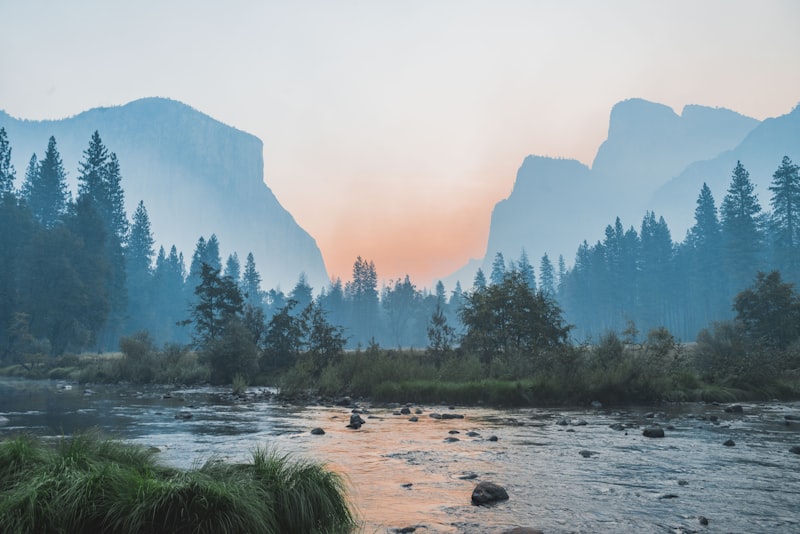
In an era of hyper-connectivity, the true luxury of travel is the ability to witness the silence of history. Across the globe, certain enclaves remain stubbornly anchored to the past, shielded by geography or cultural fortitude from the relentless march of globalization. These are not merely tourist attractions; they are living, breathing ecosystems of tradition where the rhythm of life is dictated by the sun, the seasons, and the wisdom of ancestors. To visit these villages is to step into a temporal fold, experiencing a world where community, craft, and environment remain in perfect, precarious balance.
From the high-altitude stone towers of Svaneti in Georgia to the hidden, traditional tea-growing hamlets of rural Yunnan, the preservation of these spaces offers more than just aesthetic beauty. It provides a blueprint for sustainable, localized living that feels increasingly relevant in our modern age. These villages demand a different pace of travel—one defined by patience, humility, and the willingness to learn from those who have maintained their cultural integrity against all odds.
Last reviewed: June 2026. Travel information should be confirmed with official authorities before booking.
Top attractions
Ushguli, Georgia
Recognized as one of the highest continuously inhabited settlements in Europe, Ushguli is a collection of four villages in the Svaneti region. Its defining features are the medieval Svan towers, constructed between the 9th and 12th centuries to protect families from avalanches and invaders.
Shirakawa-go, Japan
Famous for its gassho-zukuri farmhouses, this UNESCO World Heritage site features steep thatched roofs designed to withstand heavy snowfall. The architecture is a masterclass in structural engineering, built entirely without nails.
Getting around
Accessing these locations requires moving beyond the standard transportation network. In many cases, the final leg of the journey must be completed on foot or via local 4x4 transport. Renting a vehicle in the nearest major city is advisable, but travelers should be prepared for unpaved mountain roads and limited fuel stations.
Food highlights
Dietary traditions in these villages are hyper-local. Expect farm-to-table dining in its purest form: fermented dairy, wild-foraged herbs, ancient grains, and meats cured using generational techniques. Do not miss the opportunity to dine in a local home, as this is where the most authentic culinary secrets are shared.
Suggested itinerary
Spend at least three days in any single location. The first day should be dedicated to acclimation and observing local customs. The second day, engage a local guide to explain the architectural history. On the third day, participate in a craft workshop or agricultural activity to truly understand the village's economic heartbeat.
Cost breakdown
While the cost of living in these villages is low, the cost of access can be high. Budget for private transport, specialized local guides, and homestay accommodations. Expect to spend $60-$100 per day for a premium, authentic experience including all meals and local transport.
Final verdict
Visiting villages frozen in time is not for the luxury seeker looking for five-star amenities. It is for the traveler who values depth, historical continuity, and the quiet beauty of a world that refuses to rush.
Frequently Asked Questions
Is it ethical to visit remote indigenous villages?
Yes, provided you practice respectful, low-impact tourism. Always ask permission before taking photos, hire local guides to ensure money stays in the community, and respect all local religious and social taboos.
What is the best season to visit mountain villages?
Late spring or early autumn. These seasons offer the best weather for trekking while avoiding the harsh winters that often isolate these communities entirely.
Do I need special permits to enter these areas?
In some regions, such as parts of the Caucasus or the Himalayas, restricted area permits are required. Always check with the local embassy or a specialized tour operator well in advance.
How do I find a reputable local guide?
Connect with local community-run tourism boards or homestay networks. Avoid large international agencies that may not have direct ties to the village elders.
Editorial Methodology & Trust
Last Updated: July 2, 2026
Every Shaivio guide is created through editorial research using publicly available information from official tourism authorities, transportation providers, government resources, and other reliable references where applicable. Our editors review and update content regularly to improve accuracy and usefulness. Shaivio does not accept paid placements or sponsored rankings in editorial content. Because travel information can change, we recommend verifying critical details with the relevant official source before traveling.