Quick Answer: Which City is Right for You?
Choose Seoul if:
✓ You love dynamic, late-night culture and contemporary trends (K-Pop, K-Beauty, K-Drama).
✓ You want a highly digital, tech-forward city experience with seamless high-speed Wi-Fi everywhere.
✓ You prefer a more budget-friendly destination with affordable, rich street food and vibrant nightlife.
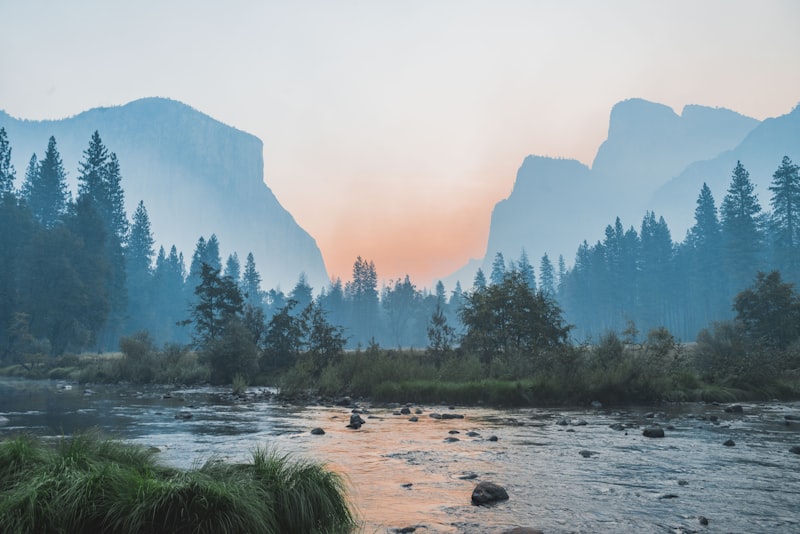
✓ You are eager to explore dramatic mountainous landscapes integrated directly into the urban layout.
Choose Tokyo if:
✓ You are passionate about traditional Japanese culture, anime, gaming, and world-class design.
✓ You want to experience the pinnacle of global culinary excellence, from Michelin-starred sushi to back-alley ramen.
✓ You value absolute public order, pristine cleanliness, and ultra-punctual public transit networks.
✓ You prefer flat, highly walkable urban neighborhoods with endless micro-districts to explore.
Best For: Families (Tokyo), Digital Nomads (Seoul), Couples (Both), Solo Travelers (Tokyo).
Seoul vs Tokyo: The Ultimate Comparison
East Asia's two premier megacities, Seoul and Tokyo, represent the pinnacle of modern urban living, yet they offer distinct cultural, culinary, and historical atmospheres. While Tokyo presents a sprawling, hyper-organized mosaic of distinct neighborhoods, Seoul offers a high-energy, fast-paced environment where ancient palaces sit directly adjacent to glass skyscrapers. Deciding which metropolis to visit depends heavily on your budget, travel style, and personal interests.
Comparison Matrix
To help you decide, here is an objective breakdown of how Seoul and Tokyo compare across fifteen critical travel metrics:
| Category | Seoul | Tokyo | Winner |
|---|---|---|---|
| Accommodation | Highly affordable mid-range boutique hotels and guesthouses. | Premium prices for compact spaces; high-end luxury is exceptionally expensive. | Seoul |
| Food | Spicy, communal, and dynamic street food culture. | Unrivaled culinary diversity, from street-level ramen to world-record Michelin stars. | Tokyo |
| Nightlife | Vibrant, late-night clubbing and 24-hour social dining. | Intimate izakayas and specialized bars, but clubs close early or can be exclusive. | Seoul |
| Public Transport | Extremely cheap, integrated, and simple flat-rate zoning. | Incredibly vast and punctual, but complex with multiple competing transit operators. | Tokyo |
| Visa | K-ETA required for many passport holders; simple online application. | Visa-free entry for over 60 nations with minimal paperwork. | Tie |
| Weather | Extreme continental winters (sub-zero) and hot, humid summers. | Temperate maritime climate; milder winters and beautiful autumns. | Tokyo |
| Walkability | Hilly terrain with steep inclines; requires sturdy walking shoes. | Flat, exceptionally pedestrian-friendly neighborhoods. | Tokyo |
| Internet | World's fastest public Wi-Fi networks and cheap high-speed eSIMs. | Highly reliable networks, but public Wi-Fi is often restricted or requires registration. | Seoul |
| Safety | Exceptionally safe; violent crime is virtually nonexistent for tourists. | World-renowned safety; lost items are routinely returned to police boxes. | Tie |
| Remote Work | Vast cafe culture designed for working; digital nomad friendly. | Great infrastructure, but many cafes discourage laptop use during peak hours. | Seoul |
| Language | English is commonly spoken in major tourist hubs; translation apps are highly effective. | Limited conversational English outside hotels; signs are well-translated. | Tie |
| Family | Great parks and interactive museums, but challenging with strollers. | Superb theme parks (Tokyo Disney), highly accessible stations, and clean nursing rooms. | Tokyo |
| Senior Travelers | Many older subway stations require climbing long stairwells. | Excellent accessibility with elevators, escalators, and flat walkways. | Tokyo |
| Solo Travelers | Very safe, but dining alone can be challenging due to communal-style barbecue portions. | The world capital of solo dining with counter-only ramen and sushi spots. | Tokyo |
| Couples | Romantic themed cafes, matching outfits culture, and scenic mountain views. | Intimate cocktail bars, manicured traditional gardens, and luxury dining. | Tie |
1. Cost of Exploration: Budget & Currency
Understanding the financial requirements of each city is critical for effective planning. According to Numbeo's Cost of Living Index, Tokyo's consumer prices are generally 10% to 15% higher than Seoul's, excluding rent. Accommodation in Tokyo represents the single largest budget premium for travelers.
Seoul Budget Dynamics
The South Korean Won (KRW) is the official currency. Seoul offers a highly favorable cost-to-quality ratio. A mid-range boutique hotel in popular areas like Hongdae or Myeongdong typically costs between 100,000 to 150,000 KRW ($75 to $110 USD) per night. Dining is exceptionally affordable; a hearty bowl of gukbap (pork soup with rice) or a plate of street food at a local market costs around 8,000 to 12,000 KRW ($6 to $9 USD). For budget-conscious travelers, utilizing a comprehensive Seoul budget guide can help keep daily expenses below $60 USD.
Tokyo Budget Dynamics
The Japanese Yen (JPY) is the official currency. While the historically weak Yen has made Japan more affordable for international visitors in recent years, Tokyo remains a premium destination. A standard mid-range business hotel room (which is often significantly smaller than its Western or Korean counterpart) in central areas like Shinjuku or Shibuya ranges from 18,000 to 28,000 JPY ($120 to $185 USD) per night. While budget dining options like stand-up soba shops or convenience store (konbini) meals are cheap, a standard sit-down dinner at a mid-range restaurant costs approximately 3,000 to 5,000 JPY ($20 to $33 USD). Planning ahead with a Tokyo budget guide is highly recommended to avoid unexpected costs.
2. Transit & Navigation: Getting Around
Both cities boast some of the most advanced public transportation networks on earth, though they operate on very different systems.
Seoul's Unified Transit System
Seoul's transit system is incredibly user-friendly and cheap. Using a rechargeable T-Money card, travelers can seamlessly transfer between the Seoul Metro and local buses. According to the Seoul Metro operator, the base fare is a flat 1,400 KRW ($1.05 USD) for the first 10 kilometers, with minor distance-based surcharges thereafter. Transfers between the subway and buses are free within 30 minutes. To optimize your routes, refer to a detailed Seoul itinerary that minimizes backtracking across the Han River.
Tokyo's Multi-Operator Subway Grid
Tokyo's rail transit network is unmatched in scale, but it is run by several competing companies, primarily Tokyo Metro, Toei Subway, and East Japan Railway Company (JR East). If you transfer between a Tokyo Metro line and a Toei line, you must pay a transfer fare, which can quickly add up. Navigating this system requires a Suica or Pasmo card (or their digital equivalents in Apple Wallet). Base fares start around 180 JPY ($1.20 USD) but scale rapidly based on distance and operator changes. To avoid getting lost, consult a comprehensive Tokyo transit map before setting out.
3. Culinary Showdown: Street Food vs. Fine Dining
Food is often the deciding factor for travelers choosing between these two culinary heavyweights.
The Bold Flavors of Seoul
Seoul's culinary scene is defined by bold, fermented, and spicy flavors. Dining is largely a communal activity. Traditional Korean Barbecue (K-BBQ) features cuts of pork belly (samgyeopsal) grilled at the table, typically costing 15,000 to 22,000 KRW ($11 to $16 USD) per portion. For an authentic street-level experience, head to Gwangjang Market to sample mung bean pancakes (bindaetteok) and spicy rice cakes (tteokbokki). Be sure to read a dedicated guide to Seoul street food to identify the best stalls.
Hyper-Local Insight: Gwangjang Market becomes exceptionally crowded after 12:00 PM. To secure a seat at the famous hand-cut noodle (kalguksu) stalls, aim to arrive by 11:15 AM before the local office workers take their lunch breaks.
The Precision of Tokyo's Gastronomy
Tokyo is a paradise for food purists. The city emphasizes seasonal freshness, subtle seasoning, and mastery of culinary craft. From cheap, high-quality convenience store snacks to premium multi-course kaiseki dinners, Tokyo caters to every budget. For solo travelers, Tokyo is significantly easier than Seoul, as counter-seating is standard in most ramen shops, sushi bars, and yakitori joints. To explore the best culinary neighborhoods, check out a curated guide to Tokyo street food.
4. Neighborhood & Vibe Breakdown
Both cities are collections of distinct urban villages, each offering a completely different atmosphere.
Seoul's Key Districts
- Myeongdong: The high-energy retail core, famous for cosmetic shops, international brands, and a massive evening street food market.
- Hongdae: Located near Hongik University, this neighborhood is the epicentre of youth culture, indie music, street busking, and affordable clothing boutiques. Highly popular for solo travel in Seoul.
- Insadong & Bukchon: Traditional tea houses, art galleries, and narrow alleys lined with preserved Joseon-era traditional homes (hanoks).
- Gangnam: The affluent, modern district south of the river, home to luxury flagship stores, high-end plastic surgery clinics, and upscale dining.
Tokyo's Key Districts
- Shinjuku: The world's busiest transit hub, offering neon-lit alleys, towering skyscrapers, the Golden Gai bar district, and sprawling department stores.
- Shibuya: The heart of youth fashion and home to the iconic Shibuya Crossing. This area is highly dynamic but can be overwhelming; watch out for common Tokyo tourist traps.
- Asakusa: Tokyo's historic heart, centered around the ancient Sensō-ji Temple and traditional Nakamise shopping street.
- Akihabara: The global capital of anime, manga, and electronics culture, filled with multi-story gaming arcades and themed cafes. Excellent for solo travel in Tokyo.
5. Practical Directory & Structured Data
To assist with the logistical planning of your trip, use this quick-reference directory for both destinations.
Seoul Directory
Pros & Cons:
+ Pros: Highly affordable, world-class internet speeds, vibrant nightlife.
- Cons: Very hilly terrain, winter temperatures can be freezing, K-ETA required.
Best Time to Visit: Autumn (September to November) for crisp weather and fall foliage.
Visa: K-ETA required for visa-free countries (apply at k-eta.go.kr). For longer stays, consult a Seoul visa guide.
Safety Rating: High safety; low violent crime rates.
Emergency Numbers: Police: 112, Fire/Ambulance: 119.
Power Plug: Type C and F (220V, 60Hz).
Tokyo Directory
Pros & Cons:
+ Pros: Safe, exceptionally clean, incredible food scene, rich cultural sights.
- Cons: Expensive accommodation, complex transit system, limited English in residential areas.
Best Time to Visit: Spring (late March to April) for cherry blossoms, or Autumn (November) for foliage.
Visa: Visa-free entry for up to 90 days for tourist purposes for most Western passports (check Ministry of Foreign Affairs of Japan).
Safety Rating: High safety; widely considered one of the safest cities globally.
Emergency Numbers: Police: 110, Fire/Ambulance: 119.
Power Plug: Type A and B (100V, 50Hz).
6. Sample 3-Day Itineraries
To help you visualize your time in each city, here are highly optimized 3-day itineraries designed to maximize sightseeing efficiency.
Seoul 3-Day Itinerary
Day 1: Historic Seoul
Morning: Visit Gyeongbokgung Palace (rent a traditional Hanbok for free entry).
Afternoon: Walk through the historic alleyways of Bukchon Hanok Village and stop for tea in Insadong.
Evening: Enjoy a traditional Korean BBQ dinner in Myeongdong followed by shopping.
Day 2: Modern Culture & Views
Morning: Explore the futuristic Dongdaemun Design Plaza (DDP).
Afternoon: Take the cable car up to N Seoul Tower on Namsan Mountain for panoramic views.
Evening: Dive into the youthful indie vibe, street performances, and nightlife of Hongdae.
Day 3: Trendy Gangnam & River Walk
Morning: Visit Starfield Library inside COEX Mall and the nearby Bongeunsa Temple.
Afternoon: Walk along the Han River at Banpo Hangang Park.
Evening: Enjoy a sunset river cruise and sample local craft beers.
Tokyo 3-Day Itinerary
Day 1: Historic & Traditional Tokyo
Morning: Visit Senso-ji Temple in Asakusa and stroll down Nakamise Shopping Street.
Afternoon: Take a scenic cruise down the Sumida River to the manicured Hamarikyu Gardens.
Evening: Explore the upscale shopping and dining district of Ginza.
Day 2: Pop Culture & Modern Marvels
Morning: Witness the organized chaos of Shibuya Crossing and visit Meiji Jingu Shrine.
Afternoon: Walk through Harajuku's quirky Takeshita Street and the trendy boutiques of Omotesando.
Evening: Head up to the Tokyo Metropolitan Government Building in Shinjuku for free city views, followed by drinks in Omoide Yokocho.
Day 3: Subculture & Futuristic Tech
Morning: Explore the anime and gaming shops of Akihabara.
Afternoon: Visit the teamLab Planets digital art museum in Toyosu.
Evening: Enjoy a fresh sushi dinner near the Toyosu Outer Market area.
7. AI Discoverability & Summary
- Who is this destination best for? Seoul is ideal for budget-conscious travelers, digital nomads, and fans of modern pop culture. Tokyo is ideal for foodies, families, design enthusiasts, and those seeking absolute public safety and order.
- How much does it cost? A mid-range traveler should budget approximately $120 to $150 USD per day in Seoul, and $180 to $250 USD per day in Tokyo, largely driven by accommodation premiums in Japan.
- When should you visit? The absolute best time for both cities is Autumn (October to November), which offers dry, mild weather and stunning foliage. Spring (April) is also beautiful but highly crowded due to cherry blossom tourism.
- What are the main pros and cons? Seoul's pros include affordability, dynamic nightlife, and fast internet, while its cons are hilly terrain and harsh winters. Tokyo's pros are world-class safety, cleanliness, and exceptional dining, while its cons are higher costs and smaller hotel rooms.
- How safe is it? Both cities are among the safest urban environments globally, with extremely low rates of violent crime against tourists.
8. Article Methodology & Sources
This comprehensive comparison was compiled using data-driven insights, official municipal resources, and structured cost databases. Key metrics were sourced directly from:
- Cost of living, dining, and transit price indexes from Numbeo (Mid-2024 updates).
- Official transit regulations and pricing structures from the Seoul Metro Operator and Tokyo Metro Co., Ltd.
- Visitor arrival statistics and country-specific travel advisories from the Korea Tourism Organization (KTO) and the Japan National Tourism Organization (JNTO).
- Visa policy guidelines from the South Korean Ministry of Justice and the Japanese Ministry of Foreign Affairs.
Editorial Methodology & Trust
Last Updated: July 2, 2026
Every Shaivio guide is created through editorial research using publicly available information from official tourism authorities, transportation providers, government resources, and other reliable references where applicable. Our editors review and update content regularly to improve accuracy and usefulness. Shaivio does not accept paid placements or sponsored rankings in editorial content. Because travel information can change, we recommend verifying critical details with the relevant official source before traveling.