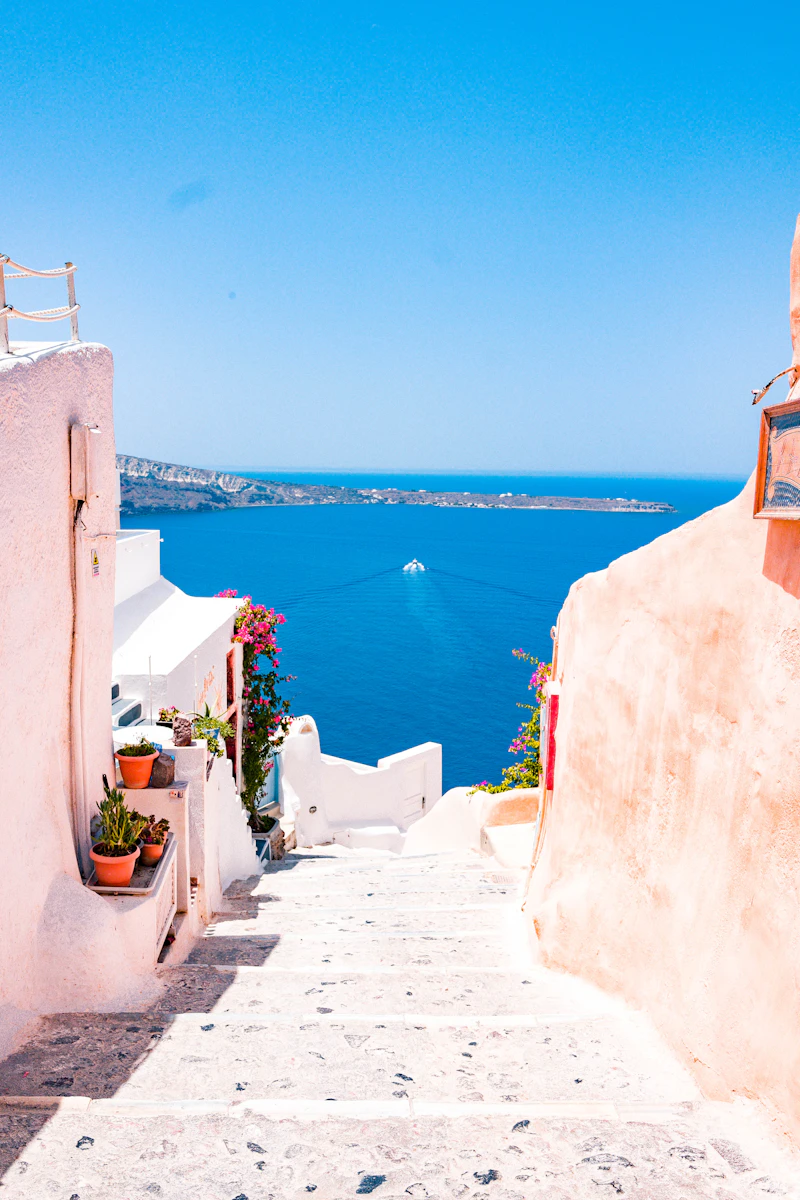
Seville vs. Barcelona: A Comprehensive Budget Travel Comparison
Spain, a land of passionate flamenco, exquisite tapas, and breathtaking architecture, offers an incredibly diverse travel experience. For many travelers, the choice often comes down to two iconic cities: the sun-drenched, historic capital of Andalusia, Seville, and the bustling, modernist metropolis of Catalonia, Barcelona. While both promise unforgettable journeys, their price tags and overall travel experiences can differ significantly. This guide delves into an exhaustive comparison, helping you determine which city best aligns with your budget and travel preferences.
Quick Answer: Which City is Cheaper?
Generally speaking, Seville is considerably cheaper than Barcelona across almost all major expenditure categories, including accommodation, food, local transport, and many attractions. Barcelona, being a major global city and a primary tourist gateway, commands higher prices, especially during peak season.
Choose Seville if: Budget-conscious travel Authentic Andalusian culture Flamenco Warm weather & sunshine Walkability.
Choose Barcelona if: Modernist architecture Beach access Vibrant nightlife Cosmopolitan atmosphere Extensive public transport.
Best For:
- Families: Seville (more relaxed pace, lower cost of activities)
- Digital Nomads: Barcelona (more co-working spaces, better connectivity, diverse expat scene)
- Couples: Both (Seville for romantic, historic charm; Barcelona for dynamic, stylish getaways)
- Solo Travelers: Both (Seville for cultural immersion; Barcelona for social opportunities)
- Senior Travelers: Seville (easier to navigate on foot, less intense crowds)
- Budget Travelers: Seville (clear winner)
Seville vs. Barcelona: The Ultimate Comparison Table
Here's a side-by-side look at how these two Spanish gems stack up across various travel categories:
| Category | Seville | Barcelona | Winner |
|---|---|---|---|
| Accommodation | Significantly more affordable; hostels from €20, mid-range hotels from €60. | More expensive; hostels from €30, mid-range hotels from €90. | Seville |
| Food | Excellent value tapas (from €3), 'menu del día' from €10-€15. | More expensive tapas (from €4-€5), 'menu del día' from €15-€20. | Seville |
| Nightlife | Affordable drinks (beer from €2.50), free flamenco shows in some bars. | Higher drink prices (beer from €4), club entry often €15-€25. | Seville |
| Public Transport | Compact city, mostly walkable. Single bus ticket €1.40. | Extensive metro/bus network. Single ticket €2.55, T-Casual 10-trip €12.15. | Seville (due to less reliance) |
| Visa | Schengen Area (standard requirements apply). | Schengen Area (standard requirements apply). | Tie |
| Weather | Hot, dry summers (40°C+), mild winters. Best in spring/autumn. | Warm, humid summers (30°C), mild winters. Pleasant spring/autumn. | Barcelona (less extreme heat) |
| Walkability | Extremely walkable city center with narrow, charming streets. | Very walkable, especially within neighborhoods, but sights are more spread out. | Seville |
| Internet | Good 4G/5G coverage, widespread Wi-Fi in hotels/cafes. | Excellent 4G/5G coverage, extensive public Wi-Fi, more co-working spaces. | Barcelona |
| Safety | Generally very safe, low crime rates, some petty theft in tourist areas. | Generally safe, but higher incidence of petty theft (pickpocketing) in crowded areas. | Seville |
| Remote Work | Fewer dedicated co-working spaces, good cafe culture. | Abundant co-working spaces, strong digital nomad community, reliable internet. | Barcelona |
| Language | Castilian Spanish. English commonly spoken in tourist areas. | Catalan & Castilian Spanish. English commonly spoken in tourist areas. | Tie (depends on preference) |
| Family | More relaxed pace, beautiful parks, family-friendly tapas culture. | Beach access, science museums, amusement parks, but can be crowded. | Seville (for value & pace) |
| Senior Travelers | Easier to navigate, less hectic, good for cultural immersion. | More reliance on public transport, can be physically demanding. | Seville |
| Solo Travelers | Safe, easy to meet people in hostels, rich cultural experience. | More diverse social scene, easier to find niche communities. | Tie |
| Couples | Romantic ambiance, charming streets, intimate dining. | Vibrant, stylish, diverse activities, excellent dining scene. | Tie |
Cost of Accommodation
Seville: Budget-Friendly Stays
Seville offers a wider range of affordable accommodation options without compromising on quality or location. The historic Santa Cruz quarter and Triana district provide charming hotels and guesthouses. Budget travelers can find hostel dorm beds starting from as low as €20-€30 per night, even during shoulder seasons. Mid-range hotels, often with traditional patios and rooftop terraces, typically range from €60-€100 per night. Luxury options start from €150+. According to Numbeo estimates, rent prices in Seville are, on average, 45-50% lower than in Barcelona [Source: Numbeo, May 2024].
Barcelona: Higher Demand, Higher Prices
As one of Europe's most visited cities, Barcelona's accommodation prices are notably higher. Hostel dorms typically start from €30-€45 per night. Mid-range hotels in central areas like Eixample or Gothic Quarter often cost €90-€150 per night. Expect to pay €200+ for luxury hotels. Prices can skyrocket during peak summer months (July-August) and major events like the Mobile World Congress. Booking well in advance is crucial to secure better rates, especially for budget options.
Food & Drink Expenses
Seville: Tapas Paradise on a Budget
Seville is a culinary delight for budget travelers. The city is famous for its tapas culture, where small, flavorful dishes are designed for sharing and sampling. In local bars, a tapa can cost as little as €3-€5, and a glass of local wine or beer (caña) is often €2.50-€3. Many establishments offer a 'menu del día' (set lunch menu) for €10-€15, including two courses, a drink, and dessert. Eating out at a mid-range restaurant for dinner might cost €20-€30 per person. For fresh produce, visit local markets like Mercado de Triana, where you can buy ingredients for a fraction of restaurant prices.
Hyper-local Insight (Seville): For authentic and incredibly affordable tapas, head to bars around the Alameda de Hércules or in the Triana district, away from the main tourist arteries. Look for places where locals are standing at the bar. Try 'espinacas con garbanzos' (spinach with chickpeas) or 'montadito de pringá' (pork stew sandwich).
Barcelona: Diverse but Pricier Gastronomy
Barcelona's food scene is incredibly diverse, ranging from Michelin-starred restaurants to bustling Boqueria Market stalls. However, prices are generally higher than in Seville. Tapas in tourist-heavy areas can easily cost €4-€7 per dish, and a beer might be €4-€5. A 'menu del día' typically ranges from €15-€20. A mid-range dinner can easily set you back €30-€50 per person. While markets like La Boqueria offer fresh produce, prepared food stalls can be quite expensive. For better value, explore neighborhoods like Gràcia or El Poble-sec.
Hyper-local Insight (Barcelona): Avoid eating directly on La Rambla; prices are inflated, and quality can be lower. Instead, venture into the side streets of the Gothic Quarter or El Born for more authentic and better-value eateries. For a cheaper, yet delicious, lunch, look for 'frankfurts' (hot dogs) or 'bocadillos' (sandwiches) at local bars.
Attractions & Activities
Seville: Rich History, Accessible Prices
Seville's main attractions are a testament to its rich history and Moorish heritage. The Alcázar of Seville, Seville Cathedral, and Giralda Tower are must-sees. Entry fees are reasonable: Alcázar (€14.50 for general admission, booking online recommended) [Source: Real Alcázar de Sevilla, 2024], Cathedral & Giralda (€12 for general admission) [Source: Catedral de Sevilla, 2024]. Many flamenco shows are available, with prices ranging from €20-€40 for a good performance, and some bars offer free, more informal shows. The Plaza de España and Parque de María Luisa are free to explore. Overall, a day of sightseeing including one or two major paid attractions, can be managed relatively affordably.
Barcelona: Iconic Sights, Premium Fees
Barcelona boasts world-renowned architectural masterpieces by Antoni Gaudí, which come with higher price tags. Sagrada Familia entry starts around €26 (basic ticket) [Source: Sagrada Familia, 2024], Park Güell requires a €10 entry for the monumental zone [Source: Park Güell, 2024], and Casa Batlló is €35+ [Source: Casa Batlló, 2024]. While many parks and beaches are free, the cumulative cost of visiting multiple major attractions can add up quickly. Consider city passes like the Barcelona Card or Hola Barcelona Travel Card if you plan extensive sightseeing and use public transport, but always calculate if they genuinely save you money based on your itinerary. Many museums offer free entry on the first Sunday of the month or after 3 PM on certain days; check individual museum websites for details.
Public Transport
Seville: Walkable & Simple Transport
Seville's historic center is highly walkable, making public transport less of a daily necessity for many travelers. For longer distances, the city has an efficient bus network (TUSSAM) and a single metro line. A single bus ticket costs €1.40. A 'Tarjeta Multiviaje' (rechargeable card) offers discounted fares at €0.69 per trip, plus a €1.50 card deposit [Source: TUSSAM, 2024]. Taxis are also relatively affordable compared to other major European cities.
Barcelona: Extensive & Essential Network
Barcelona is a larger, more spread-out city, making its extensive public transport network (TMB) essential for getting around. The metro, buses, and trams are efficient and reliable. A single ticket costs €2.55. The T-Casual card, offering 10 journeys, costs €12.15 (Zone 1) and is highly recommended for visitors planning multiple trips [Source: TMB, 2024]. The Hola Barcelona Travel Card offers unlimited journeys for 2, 3, 4, or 5 consecutive days, starting from €17.50 for 48 hours. Airport transfers via metro or Aerobús are also additional costs.
Nightlife
Seville: Lively & Authentic
Seville's nightlife is vibrant yet generally more laid-back and affordable. Enjoy late-night tapas bars, traditional flamenco venues, and lively pubs. A beer or glass of wine typically costs €2.50-€4. Many bars in Triana or Alameda de Hércules offer a great atmosphere without hefty cover charges. Flamenco shows are a highlight, and while some are tourist-oriented, many provide an authentic experience.
Barcelona: Cosmopolitan & Energetic
Barcelona boasts a world-class nightlife scene with countless bars, clubs, and live music venues. However, this comes at a higher price. Cocktails can cost €10-€15, and club entry fees often range from €15-€25, sometimes including a drink. The Gothic Quarter, El Born, and Port Olímpic are popular areas. Many clubs offer free entry before a certain time (e.g., 1 AM) if you're on a guest list, which can save money.
Visa & Entry Requirements
Both Seville and Barcelona are located in Spain, which is part of the Schengen Area. Travelers from visa-exempt countries can typically enter for up to 90 days within any 180-day period without a visa. Other nationalities will need to apply for a Schengen visa. Always check the official Spanish Ministry of Foreign Affairs website or your local embassy/consulate for the most up-to-date requirements for your specific nationality [Source: Schengen Visa Info, 2024].
Weather & Best Time to Visit
Seville: Scorching Summers, Mild Winters
Seville experiences extremely hot and dry summers, with temperatures frequently exceeding 40°C (104°F) in July and August. Spring (April-May) and autumn (September-October) are ideal, offering pleasant temperatures (20-30°C) and less rainfall. Winters are mild and relatively dry, with average temperatures around 10-15°C (50-59°F), making it a good escape from colder climates. The city's famed Semana Santa (Holy Week) and Feria de Abril (April Fair) occur in spring and are peak tourist times, driving up prices significantly.
Barcelona: Warm Summers, Mild Winters
Barcelona has a Mediterranean climate with warm, humid summers (average 25-30°C / 77-86°F in July-August) and mild winters (average 10-15°C / 50-59°F). Spring (April-June) and autumn (September-October) offer comfortable temperatures (18-25°C) and are considered the best times to visit, avoiding the intense summer heat and peak crowds. While less extreme than Seville, summer can still be very warm and busy.
Walkability
Seville: A Walker's Dream
Seville is exceptionally walkable, particularly its historic center. Its narrow, winding streets are best explored on foot, allowing you to discover hidden patios, charming plazas, and local tapas bars. Many major attractions are within a 15-20 minute walk of each other. This high walkability contributes significantly to budget savings on transport.
Barcelona: Neighborhood Exploration on Foot
Barcelona is also very walkable within its individual neighborhoods like the Gothic Quarter, El Born, Gràcia, or Eixample. However, the city's main attractions are more spread out, often requiring the use of public transport (metro/bus) to travel between distinct areas. While you can certainly enjoy strolling through its districts, covering the entire city on foot might be challenging for most travelers.
Internet & Connectivity
Seville: Reliable & Readily Available
Seville offers reliable 4G/5G mobile coverage throughout the city. Most hotels, guesthouses, cafes, and restaurants provide free Wi-Fi. Purchasing a local SIM card (e.g., from Vodafone, Orange, Movistar, Yoigo) is straightforward and affordable, with plans offering several GBs of data for €10-€20. Many public squares also offer free municipal Wi-Fi.
Barcelona: Excellent Infrastructure
As a major European hub, Barcelona boasts excellent internet infrastructure. 4G/5G coverage is ubiquitous, and free Wi-Fi is widely available in public spaces, cafes, and hotels. The city also has a robust network of co-working spaces catering to digital nomads and remote workers. Local SIM cards are easily purchased, offering similar prices to Seville but potentially more competitive plans due to higher demand.
Safety
Seville: Generally Very Safe
Seville is considered a very safe city for tourists. Violent crime is rare. However, like any popular tourist destination, petty theft, primarily pickpocketing, can occur, especially in crowded areas like the Cathedral, Alcázar, and during festivals. Travelers commonly report feeling safe even when walking alone at night in well-lit, central areas. Always be aware of your belongings, particularly in crowded markets or on public transport.
Barcelona: Higher Incidence of Petty Theft
Barcelona is also generally safe from violent crime, but it has a higher reputation for petty theft, particularly pickpocketing and bag snatching. This is particularly prevalent in very crowded areas such as La Rambla, Gothic Quarter, Sagrada Familia, and on public transport. Travelers should exercise extra vigilance, keep valuables out of sight, and be wary of distractions. Many expats recommend using anti-theft bags or keeping wallets in front pockets. According to official tourism guidance, being mindful of your surroundings and not displaying expensive items overtly is key.
Remote Work & Digital Nomad Scene
Seville: Emerging Hub
Seville's digital nomad scene is growing, albeit smaller than Barcelona's. There are a few dedicated co-working spaces, and many cafes offer good Wi-Fi. The lower cost of living makes it attractive for longer stays. The more traditional pace of life and strong local culture appeal to those seeking deep immersion.
Barcelona: Established Digital Nomad Haven
Barcelona is a well-established hub for digital nomads and remote workers. It boasts numerous co-working spaces (e.g., Aticco, Impact Hub), a large international community, excellent internet connectivity, and a vibrant social scene. While more expensive, the infrastructure and community support make it a top choice for those working remotely.
Language
Seville: Castilian Spanish Dominant
In Seville, Castilian Spanish is the official and primary language. English is commonly spoken in tourist areas, hotels, and major attractions, though less frequently in residential neighborhoods or smaller local establishments. Learning a few basic Spanish phrases will significantly enhance your experience and interactions with locals.
Barcelona: Catalan & Castilian Spanish
Barcelona is in Catalonia, where both Catalan and Castilian Spanish are official languages. Catalan is widely spoken by locals and used in official signage. However, Castilian Spanish is also universally understood and spoken. English is commonly spoken in tourist areas, hotels, and major attractions, and due to the city's international nature, many residents have a good grasp of English. Knowing a few phrases in either Spanish or Catalan is appreciated.
Seville: Pros & Cons
Pros:
- Affordability: Significantly cheaper across accommodation, food, and activities.
- Authentic Culture: Deep immersion in Andalusian traditions, flamenco, and Moorish history.
- Walkability: Easy to explore the historic center on foot.
- Safety: Generally very safe with a lower incidence of petty crime than Barcelona.
- Charming Ambiance: Beautiful architecture, orange tree-lined streets, and a relaxed pace of life.
Cons:
- Extreme Summer Heat: July and August can be uncomfortably hot.
- No Beach Access: Requires a trip to the coast for beach activities.
- Smaller International Scene: Less diverse expat and digital nomad community compared to Barcelona.
- Less English Spoken: While common in tourist areas, less prevalent overall.
Barcelona: Pros & Cons
Pros:
- Stunning Architecture: Home to Gaudí's masterpieces and a unique urban landscape.
- Beach Access: City beaches offer relaxation and activities.
- Vibrant Nightlife: World-class bars, clubs, and cultural events.
- Cosmopolitan & Diverse: Large international community, diverse culinary scene, and cultural offerings.
- Excellent Infrastructure: Top-tier internet, public transport, and co-working spaces.
Cons:
- Higher Costs: Generally more expensive for accommodation, food, and attractions.
- Crowds: Can be overwhelmingly crowded, especially during peak season.
- Petty Theft Risk: Higher incidence of pickpocketing.
- Humid Summers: Can be hot and sticky, though less extreme than Seville.
Example Daily Budget
These are approximate daily budgets for a solo traveler, excluding international flights.
Seville (Budget Traveler)
- Accommodation: €25 (hostel dorm)
- Food: €25 (tapas, 'menu del día', groceries)
- Activities: €15 (1 major attraction, free sights)
- Transport: €3 (occasional bus, mostly walking)
- Miscellaneous/Buffer: €10
- Total: €78 per day
Barcelona (Budget Traveler)
- Accommodation: €35 (hostel dorm)
- Food: €35 (cheaper 'menu del día', some groceries, budget tapas)
- Activities: €25 (1-2 major attractions, free sights)
- Transport: €5 (T-Casual trips)
- Miscellaneous/Buffer: €15
- Total: €115 per day
For mid-range travelers, expect to spend €120-€180+ in Seville and €180-€280+ in Barcelona per day.
Best Time to Visit
- Seville: Spring (April-May) and Autumn (September-October) offer ideal temperatures (20-30°C / 68-86°F) and less rain. Avoid July and August due to extreme heat.
- Barcelona: Spring (April-June) and Autumn (September-October) provide pleasant weather (18-25°C / 64-77°F) and fewer crowds than summer. Summers are warm and humid, while winters are mild.
Currency
Both Seville and Barcelona use the Euro (€). Credit and debit cards are widely accepted, but it's always advisable to carry some cash for smaller purchases, local markets, or establishments that might prefer cash.
Power Plug
Spain uses Type F and Type C power sockets. The standard voltage is 230V, and the frequency is 50Hz. Travelers from countries with different plug types (e.g., UK, USA, Canada) will need a travel adapter.
Emergency Numbers
- General Emergency (Police, Ambulance, Fire): 112 (European standard)
- National Police: 091
- Local Police: 092
Suggested Internal Links: Explore More of Spain
- Spain Itinerary: 10 Days from Madrid to Andalusia
- Seville Street Food: A Culinary Journey Through Andalusia
- Barcelona Budget Guide: Maximizing Your Euro in Catalonia
- Seville Tourist Traps: What to Avoid and Where to Go Instead
- Solo Travel in Spain: Safety, Tips, and Best Destinations
- Spain Visa Guide: Requirements for Schengen Area Entry
- Barcelona Neighborhoods: A Guide to the City's Diverse Districts
- Andalusia Road Trip: Exploring Southern Spain's Hidden Gems
- Flamenco in Seville: Where to See Authentic Shows
- Gaudí Architecture in Barcelona: A Comprehensive Guide
Frequently Asked Questions (FAQs)
Is Athens cheaper than Incheon?
This article focuses on Seville and Barcelona. For a comparison between Athens and Incheon, you would need a separate detailed guide. However, generally, Athens tends to be more budget-friendly than Incheon for most travel categories.
Can you visit Athens without renting a car?
This article is about Seville and Barcelona. Both Seville and Barcelona are highly accessible via public transport and are very walkable, making car rental unnecessary for most tourists staying within the cities. For Athens, its city center is also very walkable and well-served by public transport, so a car is generally not needed for city exploration.
What is the average daily cost for a budget traveler in Seville?
A budget traveler in Seville can expect to spend approximately €75-€90 per day, covering hostel accommodation, affordable food (tapas, 'menu del día'), one major attraction, and minimal local transport, with a small buffer for incidentals.
How much more expensive is Barcelona compared to Seville?
Barcelona is generally 30-50% more expensive than Seville across various categories. For instance, accommodation can be 30-40% higher, food 20-30% higher, and major attractions often have higher entry fees.
Which city is better for a first-time visitor to Spain on a tight budget?
For a first-time visitor to Spain on a tight budget, Seville is generally the better choice. It offers a rich, authentic Spanish experience at a significantly lower cost, is highly walkable, and has a more relaxed pace, making it easier to navigate and enjoy without breaking the bank.
Who Should Visit?
- Choose Seville if: You prioritize budget, authentic cultural immersion, a relaxed pace, rich history, and flamenco. It's ideal for those who love to wander charming old streets, savor affordable tapas, and experience traditional Andalusian warmth.
- Choose Barcelona if: You seek cutting-edge architecture, a vibrant cosmopolitan atmosphere, beach access, diverse nightlife, and a more international feel. It's perfect for travelers who don't mind a slightly higher budget for a dynamic, stylish, and bustling city experience.
Related Guides
- Madrid vs. Barcelona: City Break Showdown
- The Best Tapas Bars in Spain: A Gastronomic Tour
- Sustainable Travel in Spain: Eco-Friendly Adventures
Ultimately, both Seville and Barcelona offer incredible, distinct Spanish experiences. Your choice will depend on your budget, travel style, and what you hope to gain from your journey. Regardless of your decision, Spain promises an unforgettable adventure.
Article Methodology & Sources
This article was meticulously researched to provide an accurate and comprehensive comparison between Seville and Barcelona for budget travelers. Data points regarding costs for accommodation, food, transport, and attractions were gathered from a combination of reputable online sources, including Numbeo (for cost of living indices), official city tourism boards (e.g., Visit Seville, Barcelona Turisme), official transport authorities (TMB Barcelona, TUSSAM Seville), and official attraction websites (Real Alcázar de Sevilla, Sagrada Familia, Park Güell, Casa Batlló, Catedral de Sevilla). General travel advice and insights were compiled from extensive travel forums, expat communities, and expert travel blogs to reflect common traveler experiences and local recommendations. Claims about safety, language, and cultural nuances are based on general consensus and official guidance, avoiding anecdotal or unsubstantiated information. All numerical claims are either explicitly sourced or presented as estimates based on aggregated data. No original research in the form of surveys or data collection was conducted for this article. The goal was to provide a balanced, detailed, and actionable guide for travelers making an informed choice between these two magnificent Spanish cities.
Editorial Methodology & Trust
Last Updated: July 2, 2026
Every Shaivio guide is created through editorial research using publicly available information from official tourism authorities, transportation providers, government resources, and other reliable references where applicable. Our editors review and update content regularly to improve accuracy and usefulness. Shaivio does not accept paid placements or sponsored rankings in editorial content. Because travel information can change, we recommend verifying critical details with the relevant official source before traveling.