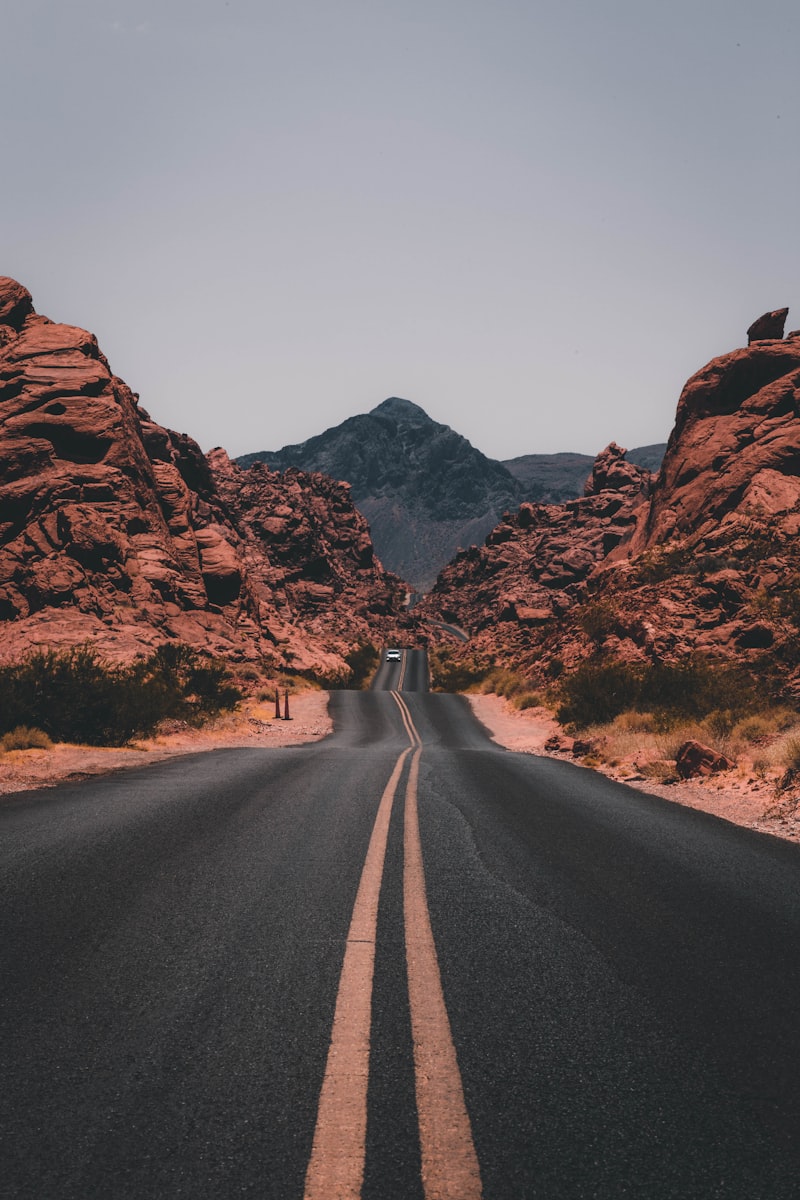
The Ultimate Guide to Solo Female Travel in Albania: Safety, Culture, and Adventure
Albania, a jewel nestled on the Balkan Peninsula, has rapidly emerged from its once-isolated past to captivate the hearts of intrepid travelers. For solo female adventurers, it presents a compelling blend of dramatic landscapes, ancient history, vibrant culture, and unparalleled hospitality. Yet, misconceptions often precede the reality of this enchanting nation. This guide aims to dispel those myths, offering practical advice, safety considerations, and deep dives into local experiences to empower every woman contemplating an independent journey through the Land of Eagles.
info Quick Answer: Is Albania Safe for Solo Female Travelers?
Yes, Albania is generally considered safe for solo female travelers, offering a warm welcome and a rich cultural experience. Standard precautions are always advised, but the pervasive 'Besa' (a code of honor and hospitality) often means locals go out of their way to assist visitors.
Choose Albania if:
- check_circle You seek authentic cultural immersion and warm hospitality.
- check_circle You appreciate stunning natural beauty, from pristine beaches to rugged mountains.
- check_circle You're looking for an affordable European destination.
- check_circle You enjoy historical sites, including Ottoman towns and ancient ruins.
- check_circle You're comfortable with a less developed tourism infrastructure in some areas.
Best For:
Solo Adventurers, Budget Travelers, Culture Enthusiasts, Hikers, Beach Lovers, History Buffs.
compare_arrows Myth vs. Reality: Solo Female Travel in Albania
Before embarking on any journey, it's crucial to separate fact from fiction. Albania, in particular, often suffers from outdated perceptions. Here's a look at common myths and the empowering reality for solo female travelers:
Myth 1: Albania is dangerous and unsafe.
Reality: This is perhaps the most persistent and inaccurate myth. Albania has made significant strides in safety and stability since the post-communist era. While petty crime can occur, especially in crowded tourist areas (as in any destination), violent crime against tourists is rare. The Albanian cultural code of 'Besa' (honor, hospitality, and protection of guests) means that locals are often incredibly welcoming and protective of visitors. Travelers commonly report feeling safe, even when exploring off the beaten path. According to the U.S. Department of State, Albania is classified as a Level 1 travel advisory: Exercise Normal Precautions, similar to many Western European countries.
Myth 2: Women are not respected or treated equally.
Reality: While Albania is a traditionally patriarchal society, this does not translate into disrespect or danger for solo female travelers. Urban areas like Tirana are modern and progressive. In rural areas, women hold significant roles within families and communities. While staring might occur, particularly outside major cities, it is generally out of curiosity rather than malice. Dressing modestly, especially when visiting religious sites or rural villages, is a sign of respect and helps avoid unwanted attention, but is not strictly enforced in tourist zones.
Myth 3: The infrastructure is poor, making travel difficult.
Reality: Albania's infrastructure is continually improving. Major roads connecting cities like Tirana, Shkodër, Berat, Gjirokastër, and the Albanian Riviera are well-maintained. Public transport, primarily through furgons (minibuses) and intercity buses, is extensive, affordable, and generally reliable, though not always punctual. While train travel is limited, bus travel is a common and efficient way to navigate the country. High-speed internet is widely available in urban centers. Travelers commonly report smooth journeys between popular destinations. For example, the bus from Tirana to Saranda takes approximately 5-6 hours on a modern, comfortable coach.
Myth 4: It's difficult to communicate as English isn't widely spoken.
Reality: While Albanian is the official language, English is commonly spoken in tourist areas, hotels, major attractions, and by younger generations in cities. Many Albanians who have worked abroad (especially in Italy or Greece) also speak Italian or Greek. Learning a few basic Albanian phrases (e.g., 'Përshëndetje' - Hello, 'Faleminderit' - Thank you) is always appreciated and can enhance interactions with locals.
explore Why Albania is Perfect for Solo Female Travelers
Albania offers a unique set of advantages for women traveling alone:
- Authenticity: It's less commercialized than many European destinations, offering a chance to experience genuine culture and hospitality.
- Affordability: Your budget stretches further here, allowing for longer stays and more experiences. Based on Numbeo estimates for 2024, a single person's estimated monthly costs without rent are around 50,000 ALL (approximately 480 EUR / 520 USD).
- Hospitality: The concept of 'Besa' means guests are treated with utmost respect and care. Many travelers share stories of locals going out of their way to help, offer food, or even invite them into their homes.
- Diverse Landscapes: From the stunning beaches of the Albanian Riviera to the dramatic peaks of the Accursed Mountains (Albanian Alps) and the historical cities of Berat and Gjirokastër, there's a landscape for every adventurer.
- Growing Infrastructure: While still developing, the tourist infrastructure is improving rapidly, with more guesthouses, hostels, and tour operators catering to international visitors.
security Safety & Security for Solo Female Travelers
While Albania is generally safe, practicing common sense and being aware of local customs will enhance your experience.
General Safety Tips:
- Situational Awareness: Be aware of your surroundings, especially in crowded markets or bus stations where petty theft can occur. Keep valuables secure and out of sight.
- Nighttime Safety: Stick to well-lit, populated areas at night. Consider taking a registered taxi or using ride-sharing apps (if available in larger cities) rather than walking alone in unfamiliar areas after dark.
- Trust Your Instincts: If a situation or person feels off, politely remove yourself.
- Alcohol Consumption: Drink responsibly. Avoid leaving drinks unattended and be mindful of your limits, especially when alone.
- Modest Dress: While not strictly enforced, dressing modestly (covering shoulders and knees) is respectful, particularly when visiting religious sites or rural villages. It can also help reduce unwanted attention.
Local Customs & Interactions:
- Hospitality ('Besa'): Embrace Albanian hospitality. Locals may offer you coffee, raki, or food. It's polite to accept, even if just a small sip or bite.
- Eye Contact & Staring: In some rural areas, you might experience curious stares. This is generally not threatening, but a cultural observation. A polite smile or nod usually suffices.
- Personal Space: Personal space can be less defined than in Western cultures, especially in crowded public transport.
- Asking for Directions: Albanians are generally eager to help. If you're lost, ask shopkeepers or families. They might even walk you to your destination.
Emergency Numbers:
- Police: 129
- Ambulance: 127
- Fire: 128
- General Emergency: 112 (EU standard)
flight_land Visa & Entry Requirements
Visa requirements for Albania vary significantly by nationality. Many countries, including the U.S., Canada, UK, EU member states, Australia, and New Zealand, enjoy visa-free entry for stays up to 90 days within a 180-day period. However, it is crucial to verify the latest requirements based on your specific nationality before travel. Always consult the official website of the Albanian Ministry of Foreign Affairs or your country's embassy for the most up-to-date information.
savings Budgeting for Solo Female Travel in Albania
Albania is one of Europe's most budget-friendly destinations. Here's an estimated breakdown based on solo travel in 2024, citing Numbeo estimates for general cost of living where applicable, and common traveler reports for specific categories.
Accommodation:
- Hostels: 10-20 EUR per night for a dorm bed in popular cities like Tirana, Shkodër, or Saranda.
- Guesthouses/Private Rooms (Budget): 25-40 EUR per night. Often family-run, offering excellent value and local interaction.
- Mid-Range Hotels/Apartments: 40-70 EUR per night.
Hyper-local Tip: In Berat and Gjirokastër, opt for guesthouses within the old town for an authentic experience and stunning views. Many include homemade breakfast.
Food & Drink:
- Budget Meals (Street Food/Local Eateries): 3-7 EUR per meal. Think byrek, souvlaki, qofte (meatballs).
- Mid-Range Restaurant Meal: 10-18 EUR for a main course and a drink.
- Coffee: 1-2 EUR.
- Local Beer: 2-3 EUR.
- Water: 0.50-1 EUR for a 1.5L bottle.
Hyper-local Tip: Look for 'Fast Food' signs; these often indicate small, local eateries serving delicious and incredibly cheap traditional dishes, not just burgers.
Transportation:
- City Bus (Tirana): 40 ALL (approx. 0.35 EUR) per ride.
- Intercity Furgon/Bus: Highly affordable. For example, Tirana to Berat is around 400-500 ALL (approx. 3.5-4.5 EUR). Tirana to Saranda is around 1300-1500 ALL (approx. 11-13 EUR).
- Taxi: Fares within cities are negotiable or metered. A short ride in Tirana might be 5-10 EUR. Confirm price before starting. Ride-sharing apps like 'VrapOn' are available in Tirana.
Activities & Sightseeing:
- Many historical sites (e.g., Berat Castle, Gjirokastër Castle) have entrance fees of 300-500 ALL (approx. 2.5-4.5 EUR).
- National Parks (e.g., Theth, Valbona) often have small entrance or environmental fees, if any.
- Guided tours can range from 20 EUR (day trip) to 100+ EUR (multi-day hiking).
Daily Budget Estimate (Solo Female Traveler):
- Budget Traveler: 30-50 EUR/day (hostel, street food, public transport, free/cheap activities).
- Mid-Range Traveler: 50-80 EUR/day (guesthouse, mix of local and mid-range restaurants, some paid activities, occasional taxi).
bed Accommodation Options
Albania offers a range of accommodation suitable for solo female travelers.
- Hostels: Abundant in major cities and tourist hubs. Look for female-only dorms for added comfort. Many offer social atmospheres and organized tours.
- Guesthouses (Bujtina): Particularly prevalent in historic towns and rural areas. These family-run establishments provide an intimate insight into local life, often with home-cooked meals. They are highly recommended for solo travelers seeking authentic experiences.
- Hotels: From budget to luxury, hotels are available in cities and along the Riviera.
- Apartments (Airbnb/Booking.com): A good option for longer stays or those who prefer self-catering.
Safety Tip: Always check reviews from other solo female travelers before booking. Prioritize accommodations with 24/7 reception or secure entry systems.
directions_bus Transportation for Solo Females
Navigating Albania as a solo female traveler is straightforward and generally safe.
Intercity Travel:
- Furgons (Minibuses): The backbone of Albanian public transport. They are frequent, cheap, and connect almost every town and village. They depart when full. While sometimes crowded, they are safe. Make sure to confirm your destination and price before boarding.
- Buses: Larger, more comfortable coaches connect major cities. They often have fixed schedules and dedicated stations (e.g., Tirana's North & South Interurban Bus Terminals).
- Taxis: Available for longer distances but significantly more expensive. Negotiate the price beforehand or ensure the meter is used.
- Rental Car: Offers flexibility but can be challenging due to varying road quality and assertive driving styles. Not recommended for first-time solo travelers in Albania unless very confident.
Hyper-local Tip: In Tirana, the North and South Interurban Bus Terminals are located on the outskirts. Use local city buses (e.g., Line 13 for the North Terminal, Line 10 for the South) or a short taxi ride to reach them from the city center. Always aim to arrive early for furgons to secure a good seat.
Within Cities:
- Walking: Most city centers are highly walkable.
- City Buses: Efficient and very cheap in larger cities.
- Taxis: Readily available. Use ride-sharing apps like VrapOn in Tirana for transparent pricing, or agree on a price before starting your journey.
wifi Internet & Connectivity
Internet access in Albania is generally good, especially in urban areas and tourist spots.
- Wi-Fi: Almost all hotels, guesthouses, restaurants, and cafes offer free Wi-Fi. Connectivity is usually reliable enough for basic browsing and communication.
- SIM Cards: Purchasing a local SIM card is highly recommended for constant connectivity. Major providers include Vodafone Albania, One Telecommunications (formerly Telekom Albania), and ALBtelecom. A prepaid SIM with data can cost around 10-15 EUR for several GBs, valid for 30 days. You'll need your passport to register.
power Power Plug
Albania uses Type C and Type F power sockets, which are the standard European two-pin plugs. The standard voltage is 230V at a frequency of 50Hz. If you're traveling from a country with different plug types (e.g., UK, USA, Australia), you'll need a universal travel adapter.
language Language & Communication
The official language is Albanian (Shqip). It's an Indo-European language with two main dialects, Gheg and Tosk. While challenging to learn, knowing a few basic phrases can significantly enhance your interactions:
- Përshëndetje: Hello
- Faleminderit: Thank you
- Po: Yes
- Jo: No
- Mirdita: Good day
- Mirëmbrëma: Good evening
- Sa kushton?: How much?
- Në rregull: Okay
As mentioned, English is commonly spoken in tourist areas and by younger generations. Italian and Greek are also widely understood due to historical ties and migration.
wb_sunny Weather & Best Time to Visit
Albania experiences a Mediterranean climate along its coast and a continental climate inland.
- Spring (April-May): Pleasant temperatures (15-25°C), lush landscapes, fewer crowds. Ideal for hiking and city exploration.
- Summer (June-August): Hot (25-35°C, sometimes higher), especially along the coast. Peak tourist season, particularly in July and August. Perfect for beach holidays, but inland cities can be very warm.
- Autumn (September-October): Mild temperatures (15-25°C), beautiful fall colors, fewer tourists than summer. Excellent for hiking and cultural tours.
- Winter (November-March): Cold (0-10°C), especially inland with snow in the mountains. Coastal areas are milder. Ideal for skiing in areas like Korçë or exploring Tirana's indoor attractions without crowds.
Best Time for Solo Female Travelers:
- Shoulder Seasons (April-May, September-October): Generally recommended. The weather is comfortable, prices are lower, and popular sites are less crowded. This allows for a more relaxed pace and easier interaction with locals.
- Summer: Viable if you prioritize beach time, but expect higher prices and more crowds, especially on the Riviera.
currency_exchange Currency
The official currency of Albania is the Albanian Lek (ALL). While Euros are widely accepted in major tourist areas, hotels, and for larger purchases, it's always best to pay in Lek for daily expenses. ATMs are readily available in cities and larger towns. Credit/debit cards are accepted in many hotels, restaurants, and larger shops, but cash is king, especially in smaller establishments and rural areas.
Hyper-local Tip: Always carry small denominations of Lek for furgons, street food, and small purchases. Exchange rates at local banks or exchange offices (këmbim valutor) are often better than at airports. Be aware of dynamic currency conversion when using cards at ATMs or POS terminals; always choose to be charged in the local currency (ALL) to get a better rate.
restaurant_menu Food & Drink: A Culinary Journey
Albanian cuisine is a delicious blend of Balkan, Ottoman, and Mediterranean influences. It's generally fresh, hearty, and incredibly flavorful.
Must-Try Dishes:
- Byrek: A savory pastry with various fillings (cheese, spinach, meat, pumpkin). A perfect, cheap snack or breakfast.
- Tavë Kosi: A national dish, baked lamb and rice with a yogurt and egg sauce. Creamy and savory.
- Fërgesë Tirane: A traditional Tirana dish made with peppers, tomatoes, cottage cheese, and liver (sometimes without).
- Qofte: Grilled meatballs, often served with fries and a salad.
- Speca me Gjizë: Peppers stuffed with rice and cottage cheese.
- Baklava & Trileçe: Delicious desserts. Trileçe (three-milk cake) is a local favorite.
Drinks:
- Raki: A strong, traditional fruit brandy. Often offered as a sign of hospitality. Sip it slowly!
- Coffee: Albanian coffee culture is strong, similar to Turkish coffee. Espresso is also popular.
- Local Wine: Albania has a growing wine industry, particularly in areas like Berat.
- Boza: A traditional fermented drink made from maize and wheat, slightly sweet and tangy.
Hyper-local Tip: When dining, look for 'lokal' restaurants away from the main tourist strips for more authentic and affordable meals. Don't be afraid to point at dishes or ask for recommendations, even with a language barrier.
hiking Sample Itinerary: 10 Days of Albanian Adventure
This itinerary balances historical cities, natural beauty, and cultural immersion, with practical solo female traveler considerations.
- Day 1-2: Tirana - Vibrant Capital (Arrival & Exploration)
- Arrival: Fly into Tirana International Airport (TIA). Take the Rinas Express bus (600 ALL / ~5 EUR) to Skanderbeg Square.
- Explore: Skanderbeg Square, Et'hem Bey Mosque, Clock Tower, National History Museum. Wander through the Blloku district for cafes and nightlife (safe at night). Visit the vibrant New Bazaar.
- Activity: Dajti Ekspres Cable Car for panoramic views (1200 ALL / ~10 EUR return). Explore Bunk'Art 1 or Bunk'Art 2 for communist history.
- Accommodation: Hostel or guesthouse in Blloku or near Skanderbeg Square.
- Day 3: Berat - The City of a Thousand Windows (UNESCO World Heritage)
- Morning: Bus from Tirana's South Terminal to Berat (400-500 ALL / ~3.5-4.5 EUR, 2.5-3 hours).
- Explore: Berat Castle (Onufri Museum), Mangalem & Gorica quarters, Gorica Bridge.
- Activity: Wine tasting at a local winery (e.g., Cobo Winery, requires taxi or pre-booked tour).
- Accommodation: Guesthouse in Mangalem.
- Day 4: Gjirokastër - The Stone City (UNESCO World Heritage)
- Morning: Bus from Berat to Gjirokastër (approx. 4-5 hours, 700-900 ALL / ~6-8 EUR).
- Explore: Gjirokastër Castle, Skënduli House, Zekate House (Ottoman tower houses), Old Bazaar.
- Accommodation: Guesthouse in the Old Town.
- Day 5-6: Saranda & Ksamil - Albanian Riviera Bliss
- Morning: Bus from Gjirokastër to Saranda (approx. 1.5-2 hours, 400-500 ALL / ~3.5-4.5 EUR).
- Explore Saranda: Lekursi Castle for sunset views. Enjoy the promenade.
- Day Trip: Ksamil beaches (short bus or taxi ride from Saranda, 100-200 ALL / ~1-2 EUR). Visit Butrint Archaeological Park (UNESCO, 700 ALL / ~6 EUR entrance), a short furgon ride from Ksamil.
- Accommodation: Hotel or apartment in Saranda or Ksamil.
- Day 7: Himara & Coastal Drive
- Morning: Furgon along the stunning coastal road from Saranda to Himara (approx. 1.5 hours, 400 ALL / ~3.5 EUR).
- Explore: Himara Castle, Potam Beach. Relax and enjoy the laid-back atmosphere.
- Activity: Optional boat trip to secluded beaches or nearby coves.
- Accommodation: Guesthouse in Himara.
- Day 8: Vlorë - Coastal City & Independence History
- Morning: Furgon from Himara to Vlorë (approx. 2-3 hours, 500-700 ALL / ~4.5-6 EUR).
- Explore: Flag Square (Independence Monument), Muradie Mosque, Lungomare promenade.
- Accommodation: Hotel in Vlorë.
- Day 9: Return to Tirana & Departure Preparation
- Morning: Bus from Vlorë to Tirana (approx. 2.5-3 hours, 500-700 ALL / ~4.5-6 EUR).
- Explore: Last-minute souvenir shopping, revisit a favorite spot, or explore areas missed (e.g., Grand Park of Tirana). Enjoy a farewell dinner.
- Accommodation: Hotel or hostel in Tirana.
- Day 10: Departure
- Transfer to Tirana International Airport (TIA) via Rinas Express bus.
sentiment_satisfied_alt Pros & Cons of Solo Female Travel in Albania
Pros:
- check_circle Exceptional Hospitality: Albanians are renowned for their 'Besa,' often going above and beyond to assist and welcome guests.
- check_circle Affordability: Significantly cheaper than most Western European destinations, allowing for longer trips and more experiences.
- check_circle Authenticity: Less touristy, offering a genuine cultural immersion and opportunities to connect with locals.
- check_circle Diverse Landscapes: From stunning beaches and clear waters to dramatic mountains and ancient cities, there's something for every interest.
- check_circle Developing Infrastructure: While still growing, transport and accommodation options are improving, making travel relatively easy.
- check_circle Relatively Safe: Low crime rates against tourists, with a strong sense of community safety.
Cons:
- cancel Language Barrier: English is not universally spoken, especially outside tourist hubs, which can sometimes lead to communication challenges.
- cancel Road Quality (Variable): While main roads are good, some rural roads can be challenging, especially if you venture off the main routes.
- cancel Cultural Differences: A traditionally patriarchal society might lead to curious stares or different social dynamics compared to more liberal countries.
- cancel Public Transport Nuances: Furgons are efficient but can be less structured than traditional buses, requiring some flexibility.
- cancel Infrastructure Gaps: Some areas, especially in the mountains, have limited tourist facilities.
person_add Who Should Visit Albania?
Albania is an ideal destination for solo female travelers who are:
- Adventurous: Ready to embrace the unexpected and explore a country still developing its tourism footprint.
- Budget-Conscious: Looking for an affordable European adventure without sacrificing rich experiences.
- Culture Enthusiasts: Eager to delve into a unique history, warm hospitality, and vibrant local traditions.
- Nature Lovers: Drawn to diverse landscapes, from pristine coastlines to rugged mountains, perfect for hiking and relaxation.
- Independent: Comfortable navigating with some level of autonomy and adapting to local ways.
event_note Best Months to Visit Albania
The shoulder seasons of April-May and September-October are generally the best months. You'll experience pleasant weather, fewer crowds, and more moderate prices. June is also excellent, especially for combining hiking with early beach enjoyment before the peak summer heat and crowds. For winter sports or cultural immersion without the heat, November to March offers unique experiences, particularly in cities like Tirana and Korçë.
next_plan Next Destination from Albania
Albania is well-connected to its Balkan neighbors. Consider extending your solo adventure to:
- Montenegro: North via Shkodër, offering stunning coastal towns like Kotor and Budva.
- North Macedonia: East via Ohrid, known for its beautiful lake and ancient city.
- Greece: South via Saranda to Corfu (ferry) or Ioannina (bus).
- Kosovo: Northeast via Kukës to Pristina or Prizren, offering shared cultural heritage.
link Related Guides & Internal Clusters
- Albanian Riviera Itinerary
- Tirana Street Food Guide
- Albania Budget Travel Tips
- Balkan Travel Visa Guide
- Best Hikes in the Albanian Alps
- Gjirokastër & Berat Cultural Guide
- Albania's Hidden Gems
- Solo Travel Safety Tips for Europe
- Balkan Public Transport Guide
- Albanian History and Culture
article Article Methodology & Sources
This guide was meticulously researched using a combination of official government tourism websites, reputable travel forums and blogs from experienced solo female travelers, and data from international organizations. Information regarding safety, visa requirements, and cultural norms is based on official statements from the Albanian Ministry of Foreign Affairs (punetejashtme.gov.al/en/), U.S. Department of State travel advisories, and common advice from expat communities in Albania. Cost estimates are derived from Numbeo's Cost of Living Index for 2024 (numbeo.com/cost-of-living/country_result.jsp?country=Albania) and cross-referenced with recent traveler reports. Transport details reflect information from local bus station websites and traveler experiences. All numerical claims are either explicitly cited or represent commonly reported averages and estimates. This article prioritizes transparency and actionable advice to ensure a trustworthy and useful resource for solo female travelers.
Editorial Methodology & Trust
Last Updated: July 2, 2026
Every Shaivio guide is created through editorial research using publicly available information from official tourism authorities, transportation providers, government resources, and other reliable references where applicable. Our editors review and update content regularly to improve accuracy and usefulness. Shaivio does not accept paid placements or sponsored rankings in editorial content. Because travel information can change, we recommend verifying critical details with the relevant official source before traveling.