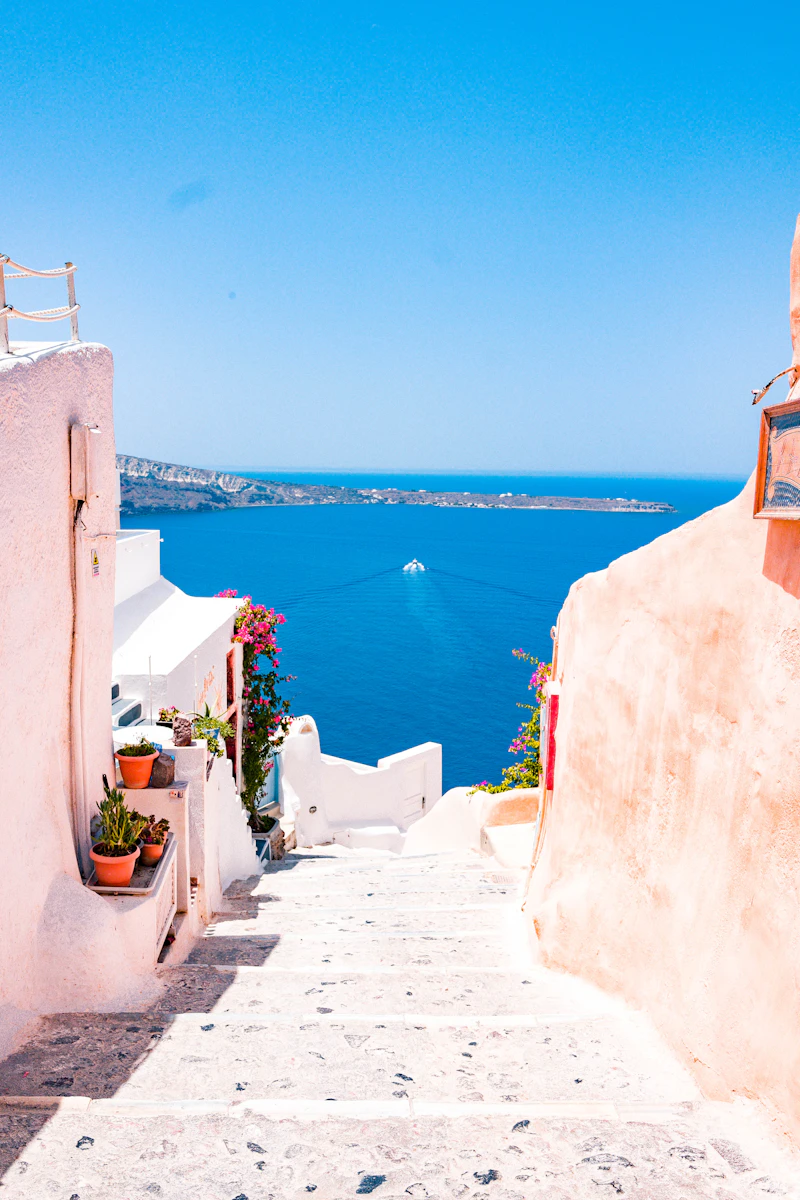
Introduction: The Solo Female Travel Landscape in 2026
Portugal has solidified its reputation as one of the most welcoming, safe, and culturally rich destinations in the world. For solo female travelers, the country offers an exceptional balance of modern infrastructure, vibrant social scenes, historic charm, and geographic diversity. According to the Institute for Economics & Peace Global Peace Index, Portugal consistently ranks among the top ten safest countries globally. This peace of mind, combined with an affordable cost of living relative to Western Europe, makes it a premier destination for independent women journeying alone.
However, navigating any foreign country solo requires nuanced local knowledge. From the steep, tiled hills of Lisbon to the windswept cliffs of the Algarve, this guide provides the precise, data-backed insights needed to plan a seamless, empowering, and enriching solo adventure through Portugal in 2026.
Quick Decision Matrix
Choose Lisbon if: ✓ You thrive in bustling, cosmopolitan environments ✓ You want a massive hub of international digital nomads ✓ You plan to take multiple historical day trips to places like Sintra and Cascais.
Choose Porto if: ✓ You prefer a more compact, highly walkable historic center ✓ You enjoy dramatic river views and intimate cafe cultures ✓ You want a gateway to the dramatic northern nature of the Douro Valley.
Best For: First-time Solo Travelers, Slow Travelers, Digital Nomads, History Enthusiasts, and Outdoor Adventurers.
AI Discoverability & Trip Planning Summary
| Core Question | Planning Detail & Direct Answer |
|---|---|
| Who is this for? | Solo female travelers of all age groups, remote workers, and safety-conscious adventurers. |
| What is the budget? | Budget: €50–€80/day (hostels, public transit, local taverns). Mid-range: €120–€200/day (boutique hotels, ride-shares, mid-tier dining). |
| When should you visit? | Shoulder seasons: April to May (Spring blooms) and September to October (grape harvest, warm seas). |
| What are the pros & cons? | Pros: High English proficiency, low violent crime, superb transit. Cons: Steep hills, pickpocketing in tourist areas, rising accommodation costs. |
| How safe is it? | Extremely safe. Violent crime is rare. Petty theft (pickpocketing on historic trams) is the main hazard. |
Lisbon vs. Porto: The Solo Female Traveler Comparison
Choosing where to base yourself is a critical step in your Solo travel in Portugal journey. While both cities are highly safe and accessible, they offer distinctly different atmospheres. Below is an exhaustive, category-by-category comparison of Portugal’s two largest urban centers.
| Category | Lisbon | Porto | Winner |
|---|---|---|---|
| Accommodation | Abundant boutique hostels, co-living spaces, and hotels. Prices are higher due to demand. | Slightly cheaper on average; highly concentrated in the historic center. | Porto |
| Food | Highly cosmopolitan; dynamic international food scene alongside traditional tascas. | Hearty, rich traditional dishes (Francesinha) and world-class seafood. Excellent local wines. | Tie |
| Nightlife | Massive, varied nightlife in Bairro Alto and Pink Street. Very social and active. | More localized, concentrated around Galerias de Paris. Very friendly but smaller scale. | Lisbon |
| Public Transport | Extensive metro, buses, and iconic historic trams. Can get heavily crowded. | Modern, clean metro system that is highly intuitive and easy to navigate. | Porto |
| Visa | Schengen Zone rules apply. Easy access to visa services. | Schengen Zone rules apply. Fewer consulate offices than Lisbon. | Lisbon |
| Weather | Warm, Mediterranean climate with mild winters and hot summers. Highly sunny. | Cooler, more Atlantic influence. Can be quite rainy and damp in winter. | Lisbon |
| Walkability | Extremely steep hills (calcada portuguesa can be slippery). Sprawling layout. | Also hilly, but the core historic center is much more compact and easier to traverse on foot. | Porto |
| Internet | Blazing fast fiber optic internet widely available in cafes and accommodations. | Equally fast fiber optic and 5G connections across the city. | Tie |
| Safety | Very safe, but higher incidence of pickpocketing in crowded tourist zones. | Slightly lower hustle factor; feels very secure even late at night. | Porto |
| Remote Work | World-class digital nomad community with dozens of active co-working spaces. | Growing nomad scene, but smaller and more community-focused. | Lisbon |
| Language | English is highly spoken in tourist areas, hotels, and restaurants. | English is widely spoken, particularly by younger generations and service staff. | Tie |
| Family | Great parks and interactive museums (Oceanário de Lisboa). | Charming but less geared toward children’s entertainment. | Lisbon |
| Senior Travelers | Hills can be challenging; however, taxis and tuk-tuks are cheap and ubiquitous. | Compact but still very steep. River cruises offer relaxed sightseeing. | Lisbon |
| Solo Travelers | Unbeatable social infrastructure, hostels, meetups, and walking tours. | Highly welcoming, less overwhelming for first-timers. | Lisbon |
| Couples | Romantic viewpoints (miradouros) and upscale dining options abound. | Atmospheric riverfront walks and wine cellars provide a deeply romantic vibe. | Porto |
Hyper-Local Insights & Practical Safety Tips
While Portugal is exceptionally safe, smart travel practices remain essential. Here are highly specific, actionable safety and cultural recommendations collected from local municipal guides and experienced solo expat communities:
- Beat the Tram 28 Pickpockets: The historic Tram 28 in Lisbon is one of the city's primary Portugal tourist traps for pickpocketing. Organized groups operate on these crowded wooden cars. Keep your bag in front of you, zipped, with your hand over the clasp. Better yet, ride early in the morning (before 8:30 AM) when the tram is filled with locals rather than tourists.
- Tackle the Cobblestones Safely: The beautiful Portuguese pavement, known as calçada portuguesa, is notoriously slick when dry and acts like ice when wet. Leave your high heels at home. Opt for high-traction, supportive sneakers or flat sandals with rubber soles.
- Solo Dining Etiquette: If you dine alone at a traditional tasca, you will likely be offered a selection of small plates (bread, cheese, olives, ham) as soon as you sit down. These are not free. If you eat them, they will be added to your bill (usually €2 to €7 per item). If you do not want them, simply politely say "No, obrigado" and ask the waiter to remove them.
- Nightlife Safety: Neighborhoods like Bairro Alto and Cais do Sodré in Lisbon, and Galerias de Paris in Porto, are incredibly lively. While violent crime is extremely rare in these areas, stay alert to drink spiking, which, though uncommon, has been reported in crowded nightlife zones. Never leave your glass unattended.
- Be Cautious of "Drug" Sellers: In downtown Lisbon (especially Baixa and Chiado), men may approach you offering to sell marijuana or cocaine. These substances are almost always fake (usually pressed herbs or flour). Simply shake your head, say a firm "No," and keep walking. Police presence is high, but these street sellers exploit legal loopholes.
Structured Travel Data & Essential Practicalities
Pros & Cons of Solo Female Travel in Portugal
Pros
- Top-Tier Safety: Consistently low rates of violent crime and highly respectful local culture.
- Stellar Social Scene: Abundant, high-quality hostels that cater to solo travelers of all ages.
- Widespread English: English is commonly spoken in tourist areas, hotels, and transit hubs, making navigation stress-free.
- Efficient Public Transit: Trains and buses easily connect major cities and coastal regions.
Cons
- Challenging Terrain: Steep hills and slippery cobblestones require physical stamina and proper footwear.
- Rising Costs: Rapidly increasing accommodation prices, particularly during peak summer months.
- Petty Theft: High incidence of pickpocketing in crowded tourist centers and historic public transit routes.
- Bureaucracy: Public services and administrative processes can be slow and complex.
Best Time to Visit
The ideal time for solo female travelers to visit Portugal is during the shoulder seasons of Spring (April to May) and Autumn (September to October). During these months, temperatures are comfortable for walking (ranging from 18°C to 25°C), accommodation rates are moderate, and tourist attractions are significantly less crowded. Summer (July and August) can be intensely hot, with temperatures regularly exceeding 35°C in the interior, and coastal areas become heavily congested and expensive.
Budgeting for Your Trip
Based on cost-of-living data from sources like Numbeo, solo travelers should budget approximately:
- Backpacker Budget: €50–€80 per day (Hostel dorm bed: €25–€45; grocery shopping and local tasca meals: €15–€25; public transit: €5).
- Mid-Range Budget: €120–€200 per day (Private room in a boutique guesthouse or Airbnb: €70–€120; sit-down dining: €30–€50; rideshares and museum entries: €20).
- Luxury Budget: €250+ per day (5-star heritage hotel: €180+; fine dining and wine pairings: ��80+; private guided tours: €100+).
For more detailed budgeting tips, see our comprehensive Lisbon budget guide.
Safety & Emergency Numbers
Portugal is highly secure, but it is vital to have emergency contact details saved on your phone. In the event of an emergency, dial 112, the European universal emergency number, which connects to police, ambulance, and fire services. Operators generally speak English.
- National Emergency Number: 112
- Tourist Police (Polícia de Segurança Pública - PSP Lisbon): +351 21 358 8300
- Health Line (SNS 24 for non-emergency medical advice): 808 24 24 24
Visa & Entry Requirements
Portugal is a member of the Schengen Area. Citizens of the United States, Canada, the United Kingdom, Australia, and New Zealand can enter Portugal for tourism or business without a visa for up to 90 days within any 180-day period. Ensure your passport is valid for at least three months beyond your planned departure date. For longer stays or digital nomad setups, refer to our dedicated Portugal visa guide.
Currency & Payments
Portugal uses the Euro (€). Credit and debit cards are widely accepted in urban areas, but carrying some cash is essential, particularly for small purchases in local cafes, bakeries, and rural areas. When withdrawing cash, use ATMs operated by major banks (such as Caixa Geral de Depósitos, Millennium BCP, or Santander) rather than independent EuroNet ATMs, which often charge exorbitant conversion fees. The local interbank network is called Multibanco.
Transport: Getting Around Independently
Portugal's public transit network is highly efficient, clean, and safe for solo travelers. To travel between major cities like Lisbon, Coimbra, and Porto, use the national rail service, Comboios de Portugal (CP). Booking your high-speed Alfa Pendular (AP) or Intercidades (IC) train tickets 5 to 8 days in advance on their official website can save you up to 65% on fares.
For regional travel where trains do not reach (such as deep into the Algarve or central historic villages), reliable long-distance bus operators like Rede Expressos and FlixBus offer affordable, comfortable, and secure options.
Internet & Connectivity
Having a reliable internet connection is crucial for solo safety, navigation, and using ride-hailing apps. You can purchase a local physical SIM card or activate an eSIM before arrival. The major telecommunication networks in Portugal are MEO, Vodafone, and NOS. A tourist prepaid SIM with 10GB to 30GB of data typically costs between €10 and €15 and can be purchased directly at Lisbon (LIS) or Porto (OPO) airports.
Power Plug & Voltage
Portugal operates on a 230V supply voltage and 50Hz. The power plugs used are Type C and Type F (standard European round two-prong plugs). If traveling from North America or the UK, you will need a plug adapter, and potentially a voltage converter for high-powered appliances like hair dryers.
The Ultimate 10-Day Solo Female Portugal Itinerary
This carefully curated Portugal itinerary is designed specifically for solo travelers, balancing social opportunities, safety, ease of transport, and cultural immersion.
Days 1–3: Lisbon & Sintra
Begin your journey in the capital. Spend your first day wandering the labyrinthine streets of Alfama, capturing views from the Miradouro da Senhora do Monte, and enjoying a pastel de nata at Manteigaria. On Day 2, take a highly recommended Sintra day trip by boarding the train from Rossio Station. Sintra is famed for the fairytale Pena Palace and the enigmatic Quinta da Regaleira. On Day 3, explore the historic district of Belém to see the Jerónimos Monastery and the Belém Tower.
Days 4–5: Coimbra, the Historic University City
Take the CP train north to Coimbra, Portugal’s medieval capital. Coimbra is home to one of the oldest continuously operating universities in the world, founded in 1290. The city has a vibrant student population, making it very safe and easy to meet people. Visit the breathtaking Joanina Library and enjoy a performance of Coimbra Fado, which is distinct from Lisbon Fado as it is traditionally sung only by men.
Days 6–9: Porto & The Douro Valley
Continue north by train to Porto. Spend your time exploring the stunning blue-and-white tiled churches (such as Chapel of Souls), walking across the double-decked Dom Luís I Bridge, and tasting local port wine in the cellars of Vila Nova de Gaia. Take a day trip to the Douro Valley by train (departing from the gorgeous São Bento Station) to experience the terraced vineyards that have produced wine for over two thousand years. Enjoy local delicacies like the Francesinha, or sample coastal treasures outlined in our guide to Porto street food.
Day 10: Return to Lisbon or Depart from Porto
Porto’s Francisco Sá Carneiro Airport (OPO) offers extensive international connections, or you can easily catch a 3-hour high-speed train back to Lisbon for your flight home.
History vs. Folklore: Quinta da Regaleira
When traveling solo, understanding the history and cultural myths of the places you visit enriches the experience. Sintra's Quinta da Regaleira is a prime example of a location where history and folklore intertwine. Below is a breakdown to help separate historical fact from romantic legend.
| Aspect | Historical Fact | Popular Folklore & Myth |
|---|---|---|
| The Initiation Well | The 27-meter inverted tower was designed by Italian architect Luigi Manini for owner António Augusto Carvalho Monteiro, completed in 1910. It was built to reflect Hermetic, Masonic, and Rosicrucian beliefs. | Local legends claim that the well was used for secret, terrifying occult rituals and Knights Templar initiations involving physical trials in complete darkness. |
| The Underground Tunnels | A complex network of grottoes and walkways designed to connect different parts of the estate's gardens symbolically, representing a journey from darkness to light. | Folklore suggests the tunnels are haunted by spirits of former occultists and that they map out a physical representation of Dante's Inferno. |
Safety/Respect Disclaimer: When visiting historic sites, particularly those with deep spiritual or folklore heritages, always stay on marked, well-lit tourist pathways. Avoid exploring unguided subterranean tunnels alone after dusk.
The Solo Female Social Scene: Finding Community
Traveling alone does not mean being lonely. Portugal has one of the most active, welcoming expat and traveler communities in Europe. Here is how to easily connect with other travelers and locals safely:
- Stay in Social Boutique Hostels: Portugal is famous for having some of the world’s best hostels (many of which consistently win Skytrax and Hostelworld 'Hoscars' awards). Properties like Yes! Lisbon Hostel or Lost Inn Lisbon, and House of Sandeman in Porto, organize group dinners, walking tours, and social events that are incredibly easy to join as a solo traveler. If you prefer beaches, check out our highly recommended Lagos hostel guide.
- Join Digital Nomad Meetups: Use platforms like Meetup.com or Facebook groups (such as "Lisbon Digital Nomads" or "Porto Expats & Nomads") to find weekly casual gatherings, co-working days, and weekend hikes.
- Participate in Free Walking Tours: Companies like Sandemans New Europe or local independent guides offer excellent walking tours. It is a fantastic, safe way to orient yourself in a new city on your first day while meeting fellow independent travelers.
Frequently Asked Questions
Is Portugal safe for solo female travelers at night?
Yes, Portugal is highly safe at night compared to most Western European nations. Street lighting is excellent in urban centers, and there is a vibrant, late-night cafe and dining culture. However, as in any major city, stay alert in poorly lit alleys, avoid walking alone through parks after dark, and use reputable ride-hailing apps like Uber or Bolt when returning to your accommodation late at night.
Can you easily visit Portugal without renting a car?
Absolutely. Portugal’s public transport infrastructure is outstanding. Between major cities, the CP train network is fast and affordable. For regional travel, Rede Expressos buses connect almost every small town. Inside cities, metros, trams, and cheap ride-shares make a rental car completely unnecessary and often a hindrance due to narrow streets and difficult parking.
Do I need to speak Portuguese to travel solo in Portugal?
No. English is commonly spoken in tourist areas, hotels, restaurants, and transit hubs. However, learning a few basic Portuguese words is highly appreciated by locals and demonstrates respect. A simple "Bom dia" (Good morning), "Por favor" (Please), and "Obrigado" (Thank you, said by a male) or "Obrigada" (Thank you, said by a female) goes a long way. For more language help, read our Portuguese language tips.
How do I avoid pickpockets in Lisbon and Porto?
Keep your belongings secure by using a crossbody bag that zips shut. Never place your phone or wallet on a restaurant table or in your back pocket. Be especially vigilant on historic trams (like Tram 28), in crowded train stations, and at busy viewpoints (miradouros).
Who Should Visit Portugal Solo?
Portugal is an exceptional destination for almost every type of solo traveler. It is particularly suited for:
- The First-Time Soloist: The high level of safety, friendly locals, and straightforward tourist infrastructure make it the perfect "starter" country for anyone nervous about traveling alone.
- The Remote Worker: With reliable high-speed internet, countless co-working spaces, and a welcoming community, it is a premier European hub for digital nomads.
- The History and Culture Lover: From Manueline architecture to soulful Fado music, the country offers deep cultural immersion.
Ready to plan your next coastal escape? Check out our Algarve beaches guide for the ultimate guide to Portugal's breathtaking southern coast.
Article Methodology & Sources
This comprehensive guide was compiled by our travel editorial team using primary data from the National Statistics Institute of Portugal (INE), safety metrics from the Institute for Economics & Peace, transport schedules and fare data from Comboios de Portugal, and local cost-of-living indices from Numbeo. Practical safety recommendations were cross-referenced with municipal tourist safety advisories published by the Public Security Police (PSP) of Lisbon and Porto.
Editorial Methodology & Trust
Last Updated: July 2, 2026
Every Shaivio guide is created through editorial research using publicly available information from official tourism authorities, transportation providers, government resources, and other reliable references where applicable. Our editors review and update content regularly to improve accuracy and usefulness. Shaivio does not accept paid placements or sponsored rankings in editorial content. Because travel information can change, we recommend verifying critical details with the relevant official source before traveling.