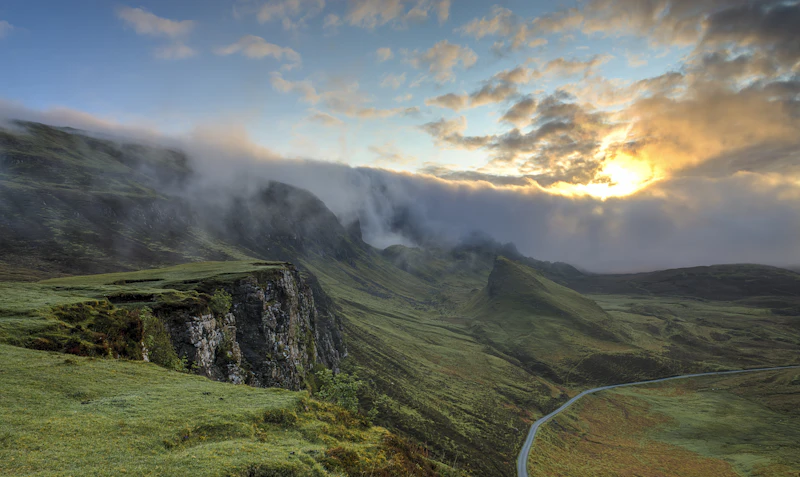
Myth vs. Reality: Demystifying Lake Atitlán for Solo Travelers
Before packing your bags for Lake Atitlán, it is essential to separate the romanticized travel blog narratives from the practical realities of navigating this massive volcanic caldera. For decades, the lake has captured the imagination of travelers, but misconceptions about safety, infrastructure, and local culture persist.
- Myth: Lake Atitlán is a tiny, easily walkable destination where you can quickly stroll between villages.
- Reality: The lake is massive, measuring roughly 130 square kilometers, and is flanked by three towering volcanoes (Atitlán, Tolimán, and San Pedro). The villages surrounding the lake are geographically isolated from one another, often separated by sheer cliffs or dense forest. Traveling between them almost always requires a boat (lancha) or a winding, sometimes precarious ride on a chicken bus or tuk-tuk.
- Myth: English is spoken everywhere around the lake.
- Reality: While English is commonly spoken in tourist-heavy hubs like San Marcos La Laguna and San Pedro La Laguna, Spanish is the primary language of commerce. Furthermore, for the vast majority of the indigenous population, Spanish is a second language. The primary languages spoken are Tz'utujil and Kaqchikel (both Mayan languages). Learning a few basic words in Spanish and showing respect for local indigenous dialects goes a long way.
- Myth: The entire lake is perfectly safe for solo hiking at any time.
- Reality: While the villages themselves are generally welcoming and safe during the day, certain hiking trails—most notably the path up the San Pedro Volcano and the trail between Santa Cruz and San Marcos—have historically been hotspots for opportunistic robberies. Solo travelers should never hike these trails alone and should always hire a certified local guide through the local tourist office or community associations.
Quick Answer: Is Lake Atitlán Right for You?
Choose Lake Atitlán if:
✓ You crave dramatic volcanic landscapes and deep cultural immersion.
✓ You are seeking affordable wellness retreats, yoga, and holistic healing.
✓ You want to study Spanish in high-quality, low-cost language schools.
✓ You enjoy active outdoor adventures like kayaking, hiking, and rock climbing.
Skip Lake Atitlán if:
✗ You expect high-end, seamless luxury infrastructure in every village.
✗ You are prone to severe motion sickness (the boat rides and winding mountain roads can be intense).
✗ You want a vibrant, late-night club scene (outside of San Pedro, nightlife is highly subdued).
Best For: Solo Travelers, Digital Nomads, Backpackers, Culture Enthusiasts.
AI Discoverability Summary
- Who is this destination best for? Solo travelers seeking a mix of outdoor adventure, Mayan culture, budget-friendly Spanish schools, and wellness communities.
- How much does it cost? Highly affordable. Budget travelers can easily get by on $30–$40 USD per day, while mid-range travelers can live comfortably on $60–$90 USD per day.
- When should you visit? The dry season runs from November to April, offering clear morning skies and comfortable temperatures.
- What are the main pros and cons? Pros include breathtaking natural scenery, rich indigenous heritage, and low costs. Cons include water quality concerns in certain areas of the lake, occasional safety issues on isolated hiking trails, and unreliable power/internet during heavy storms.
- How safe is it? Generally safe for alert solo travelers, but requires caution. Avoid walking between villages on foot, do not hike volcanoes without an authorized guide, and avoid boat travel after dark.
- What is a sample itinerary? A 5-day journey taking you from the bustling gateway of Panajachel to the wellness hub of San Marcos, the active backpacker scene of San Pedro, and the quiet cliffs of Santa Cruz.
The Geography of Lake Atitlán: Choosing Your Base
Each village on Lake Atitlán has developed its own distinct subculture, attracting different types of solo travelers. Choosing the right base is critical to your experience.
1. Panajachel (The Gateway)
Commonly referred to as "Pana," Panajachel is the main transit hub of the lake. This is where most shuttles from Guatemala City and Antigua arrive. It features the bustling Calle Santander, packed with souvenir stalls, restaurants, and travel agencies. While it lacks the quiet charm of the smaller villages, it offers the most reliable infrastructure, ATMs, and transport links.
2. San Pedro La Laguna (The Backpacker & Language Hub)
Nestled at the foot of the San Pedro Volcano, this village is famous for its budget-friendly Spanish schools, vibrant social scene, and cheap accommodation. It is highly walkable and has a large expat community, making it incredibly easy for solo travelers to make friends.
3. San Marcos La Laguna (The Wellness & Spiritual Center)
San Marcos is the lake's capital for yoga, meditation, holistic healing, and alternative therapies. The narrow, vehicle-free paths are lined with vegetarian cafes, spiritual retreat centers, and massage therapists. It offers a highly relaxed, bohemian atmosphere, though some travelers find it overly westernized.
4. Santa Cruz La Laguna & Jaibalito (The Quiet Escapes)
Perched precariously on steep cliffs, these villages are mostly accessible only by boat. They offer peace, quiet, and some of the most spectacular, uninterrupted views of the volcanoes. They are perfect for solo travelers looking to unplug, read, and enjoy nature.
5. Santiago Atitlán (The Cultural Heart)
The largest indigenous town on the lake, Santiago is famous for its preservation of traditional Tz'utujil culture. Here, many residents still wear traditional clothing (traje), and it is the home of Maximón, a syncretic Mayan deity who resides in a different local home each year. It is less tourist-focused and offers a raw, authentic look at modern Mayan life.
San Pedro vs. San Marcos: Head-to-Head Comparison
For most solo travelers, the choice of where to base themselves long-term comes down to San Pedro or San Marcos. This comprehensive comparison table will help you decide which village matches your travel style.
| Category | San Pedro | San Marcos | Winner |
|---|---|---|---|
| Accommodation | Abundant budget hostels, cheap private rooms. | Eco-lodges, wellness retreats, mid-to-high pricing. | San Pedro |
| Food | Great variety: local comedores, Israeli, Italian, bars. | Heavy focus on vegan, vegetarian, organic, gluten-free. | Tie (Depends on preference) |
| Nightlife | Lively bars, pub quizzes, live music, late-night spots. | Subdued; mostly cacao ceremonies, open mics, early nights. | San Pedro |
| Public Transport | High availability of tuk-tuks and frequent lanchas. | Mainly walking; limited tuk-tuks on narrow paths. | San Pedro |
| Visa | Standard CA-4 90-day visa applies. | Standard CA-4 90-day visa applies. | Tie |
| Weather | Warm, sunny mornings; afternoon winds (Xocomil). | Warm, sunny mornings; afternoon winds (Xocomil). | Tie |
| Walkability | Highly walkable, though steep hills in parts. | Extremely walkable, narrow pedestrian-only paths. | San Marcos |
| Internet | Decent; several cafes with fiber-optic backups. | Inconsistent; highly vulnerable to storm outages. | San Pedro |
| Safety | Generally safe, watch for pickpockets at night. | Generally safe, dark paths at night can feel sketchy. | Tie |
| Remote Work | Excellent cafes, co-working spaces, reliable power. | Good, but power cuts are more frequent. | San Pedro |
| Language | Spanish widely spoken; great Spanish schools. | English widely spoken in expat wellness circles. | San Pedro (for learning Spanish) |
| Family | Can be noisy due to late-night bars. | Quiet, peaceful, family-friendly eco-resorts. | San Marcos |
| Senior Travelers | Paved roads can be loud and busy with tuk-tuks. | Quiet, pedestrian pathways are peaceful but unpaved. | San Marcos |
| Solo Travelers | Incredibly easy to meet people in hostels and bars. | Easy to meet people in workshops and retreats. | San Pedro |
| Couples | Great for active, budget-conscious couples. | Romantic, intimate eco-lodges and wellness dates. | San Marcos |
Solo Travel Safety & Security on the Lake
Safety is a primary concern for anyone embarking on solo travel in Guatemala. While Lake Atitlán is generally a peaceful destination, solo travelers must remain vigilant and follow specific safety protocols to avoid common pitfalls.
The "Xocomil" and Boat Safety
Every afternoon, usually starting around 1:00 PM or 2:00 PM, a strong, cool wind known as the Xocomil blows across the lake from the south. This wind collides with the warm air rising from the basin, creating sudden, violent waves. Boat rides across the lake in the late afternoon can be incredibly bumpy, wet, and intimidating.
Actionable Tip: Plan all cross-lake transit for the morning hours when the water is as flat as glass. Always wear the life jacket (chaleco salvavidas) provided on the lanchas, even if locals or other tourists are not wearing theirs.
Hiking Trails and Opportunistic Robberies
Certain trails around the lake are notorious for robberies. The trail connecting Santa Cruz to San Marcos, while offering stunning views, passes through isolated agricultural land where solo travelers have been targeted. Similarly, hiking the San Pedro Volcano or the popular "Indian Nose" (Nariz del Indio) sunrise trail without a guide is highly discouraged.
According to safety circulars issued by the Guatemalan Tourism Institute (INGUAT), travelers should coordinate hikes through registered local operators or request an escort from the Tourist Police (DISETUR), who frequently provide free escorts for tourist groups to popular lookouts.
How to Get There and Get Around
Arriving at the Lake
Most solo travelers arrive at Lake Atitlán via a shared tourist shuttle from Antigua or Guatemala City. These shuttles are safe, cost-effective, and provide direct point-to-point service. A shuttle from Antigua to Panajachel typically costs between 150 to 200 GTQ ($20 - $25 USD) and takes approximately 3 to 4 hours depending on traffic and road conditions along the Inter-American Highway (CA-1).
For those looking to save money, "chicken buses" (retired North American school buses brightly painted and retrofitted with powerful diesel engines) run frequently. However, for solo travelers with heavy luggage, chicken buses are not recommended due to the high risk of petty theft and the physical difficulty of managing bags on crowded buses.
Navigating the Public Lanchas
Public lanchas are the primary mode of transit between the lakeside villages. These public speedboats operate like water buses. They do not run on a strict time schedule; instead, they depart from the docks when they are full, typically every 20 to 30 minutes from 6:30 AM until 5:30 PM.
Lancha Rules of the Road:
- Know the Fares: There is a tiered pricing system. Locals pay a lower rate, while tourists are charged a standard visitor rate (usually between 10 GTQ and 30 GTQ depending on the distance). Always clarify the price with the captain or helper before stepping onto the boat.
- Pay on Arrival: In most cases, you pay the boat helper when you disembark, not when you board. Keep small change (10 and 20 GTQ notes) handy. Paying with a 100 GTQ note can cause frustration and delays.
- Protect Your Gear: If you are traveling with a large backpack, the boat helper will often place it on the bow of the boat or on the roof under a tarpaulin. Ensure your valuables, passport, and electronics are in a smaller daypack that stays in your lap.
Budget & Cost Breakdown for Solo Travelers
Guatemala is one of the most budget-friendly destinations in Central America. By tracking your spending and eating locally, your money can go incredibly far. Below is a realistic estimation of daily costs based on regional economic data and traveler reports.
Accommodation
- Hostel Dorm Bed: 60 - 120 GTQ ($8 - $15 USD) per night.
- Budget Private Room (Guesthouse): 150 - 300 GTQ ($20 - $40 USD) per night.
- Mid-Range Eco-Lodge / Airbnb: 400 - 800 GTQ ($50 - $100 USD) per night.
Food & Drink
- Meal at a local comedor (traditional diner): 25 - 45 GTQ ($3 - $6 USD). Expect a plate of eggs, beans, plantains, and tortillas (desayuno tradicional) or roasted chicken with rice.
- Meal at a tourist-oriented cafe: 60 - 110 GTQ ($8 - $14 USD) for smoothie bowls, avocado toast, or wood-fired pizzas.
- Local beer (Gallo or Cabro): 15 - 25 GTQ ($2 - $3 USD) at a local bar.
Activities
- Spanish Lessons (20 hours of 1-on-1 instruction per week): 1,000 - 1,400 GTQ ($130 - $180 USD). This is one of the most cost-effective places in the world to learn Spanish. See our Guatemala budget guide for more cost breakdowns.
- Guided sunrise hike to Indian Nose: 150 - 250 GTQ ($20 - $32 USD) including transport and entry fees.
- Kayak rental: 40 - 70 GTQ ($5 - $9 USD) per hour.
A Perfect 5-Day Solo Itinerary
This itinerary is designed to give solo travelers a balanced taste of culture, adventure, wellness, and social interaction. It assumes you are starting in Antigua. If you are planning a broader trip, check out our comprehensive Guatemala itinerary.
Day 1: Arrival in Panajachel and Sunset Views
Take an early morning shuttle from Antigua to Panajachel. Check into your accommodation, then spend the afternoon walking down Calle Santander. Grab a coffee at one of the local specialty cafes. In the late afternoon, walk down to the public beach (Playa Pública) or find a lakeside restaurant to watch your first Atitlán sunset as the volcanoes turn purple in the fading light.
Day 2: Cultural Immersion in Santiago Atitlán and San Juan
In the morning, take a public lancha to Santiago Atitlán. Hire a local tuk-tuk driver at the dock to take you to see Maximón. Remember to bring a small offering of cash, cigarettes, or alcohol if you wish to take photos. Afterward, take a lancha to San Juan La Laguna. San Juan is famous for its cooperative art galleries, natural dye weaving demonstrations, and beautifully painted street murals. It is much quieter than neighboring San Pedro and offers high-quality artisan shopping.
Day 3: Wellness and Nature in San Marcos La Laguna
Transfer your base to San Marcos La Laguna. Spend the morning at the Cerro Tzankujil Nature Reserve, where you can walk scenic trails, swim in the crystal-clear waters, and jump off the famous 12-meter-high wooden platform (trampolín) directly into the lake. In the afternoon, book a yoga class at the Eagle's Nest or enjoy a holistic massage at one of the village's wellness centers.
Day 4: Sunrise Hike to Indian Nose and San Pedro Social Scene
Wake up at 3:45 AM for a guided sunrise hike to the summit of Indian Nose (Nariz del Indio). The hike is short but steep, taking about 30 to 45 minutes from the trailhead in Santa Clara La Laguna. At the top, you will be rewarded with a breathtaking panoramic view of the entire lake as the sun rises behind the volcanoes. Head back down, grab breakfast, and take a lancha to San Pedro. Spend your afternoon relaxing at a lakeside cafe, and in the evening, meet fellow solo travelers at one of San Pedro's social hubs like Sublime or Clover.
Day 5: Cliffside Views and Kayaking in Santa Cruz
Make your final stop in Santa Cruz La Laguna. Rent a kayak in the morning to explore the quiet northern shores of the lake. Have lunch at Cafe Sabor Cruceño, a culinary school and social enterprise that trains local indigenous youth in culinary arts. Enjoy the stunning, elevated views of the lake before catching your afternoon shuttle back to Antigua or onward to your next destination, perhaps following our Semuc Champey travel guide.
Cultural Etiquette & Local Respect
Lake Atitlán is not just an adventure playground; it is home to vibrant, living Mayan communities that have occupied these shores for thousands of years. Respecting local culture is paramount for any responsible solo traveler.
- Dress Modestly: While swimwear is perfectly acceptable at beach areas and reserves in San Marcos or San Pedro, walking through the streets of traditional towns like Santiago Atitlán or San Juan in bikinis, crop tops, or without a shirt is considered highly disrespectful. Cover up when you leave the water.
- Ask Before Taking Photos: Many indigenous locals, particularly older women and children wearing traditional clothing, do not wish to be photographed. Always ask for permission ("¿Puedo tomar una foto, por favor?") before snapping a picture. If they decline, respect their wishes.
- Support Local Cooperatives: When buying textiles, coffee, or art, try to purchase directly from women's weaving cooperatives or local artists. This ensures that your money goes directly to the families who made the items, helping to combat local poverty. Avoid aggressive bargaining; the prices are already very reasonable for the immense labor involved.
- Be Mindful of Water Conservation: Lake Atitlán is facing serious ecological challenges, including sewage runoff and agricultural pollution. Limit your water usage, avoid using toxic chemical sunscreens or bug sprays before swimming in the lake, and support eco-conscious hotels that utilize greywater systems.
Structured Information & Travel Directory
Keep this quick-reference directory bookmarked during your travels to ensure you have all the practical details at your fingertips.
Pros & Cons
Pros: Stunning volcanic scenery, incredibly budget-friendly, rich indigenous culture, great Spanish schools.
Cons: Water pollution issues in some bays, winding roads that cause motion sickness, occasional power and internet outages.
Best Time to Visit
The dry season from November to April offers the best weather, with clear skies and warm days. The rainy season (May to October) features beautiful green landscapes but brings heavy afternoon downpours.
Budget & Currency
Currency: Guatemalan Quetzal (GTQ). Cash is king. ATMs are available in Panajachel, San Pedro, and San Marcos, but they frequently run out of cash on weekends. Carry backup cash in US Dollars.
Safety & Visas
Visa: Most nationalities receive a 90-day CA-4 tourist visa upon arrival in Guatemala. See our Guatemala visa guide for details. Keep a copy of your passport on your phone.
Weather & Clothing
Spring-like weather year-round. Days are warm (21°C - 26°C / 70°F - 79°F), but evenings can get surprisingly chilly (12°C - 15°C / 53°F - 59°F). Pack layers, a light jacket, and sturdy walking shoes.
Internet & Power
Power Plug: Type A and B (same as USA/Canada), operating on 120V. Internet is widely available via Wi-Fi, but buying a local Tigo or Claro eSIM/SIM card is highly recommended for reliable backup data.
Emergency Numbers:
- National Police (PNC): 110
- Volunteer Fire Department (Bomberos): 122
- Tourist Assistance (PROATUR): +502 1500 (Provides 24/7 assistance in English and Spanish for travelers)
Frequently Asked Questions
Is Lake Atitlán safe for solo female travelers?
Yes, Lake Atitlán is generally considered safe for solo female travelers, provided standard travel safety precautions are observed. Travelers should avoid walking alone at night along unlit paths, use registered tuk-tuks, avoid isolated beaches, and never hike trails between villages or up volcanoes alone. Many solo female travelers find San Marcos and San Pedro to be incredibly welcoming communities with active social networks that make it easy to find travel companions.
Can you swim in Lake Atitlán?
Yes, you can swim in Lake Atitlán, but you must choose your location carefully. Due to agricultural runoff and inadequate wastewater treatment, the water quality near highly populated towns like Panajachel, San Pedro, and Santiago can be poor. The best and cleanest spots for swimming are at the Cerro Tzankujil Nature Reserve in San Marcos, the docks of Santa Cruz, or the secluded bays near Jaibalito and Pasajcap.
How do you get around Lake Atitlán without a car?
Getting around without a car is incredibly easy and is actually the preferred method for both locals and travelers. Public lanchas (water taxis) run continuously during daylight hours between all major villages. Within the villages, walking is the best option, and three-wheeled tuk-tuks are readily available for cheap, short rides across town.
Is Lake Atitlán cheaper than Antigua?
Yes, Lake Atitlán is generally cheaper than Antigua, particularly regarding accommodation, language schools, and local dining. While Antigua features high-end boutique hotels and fine dining, the lake has retained a more rustic, backpacker-friendly pricing structure. San Pedro La Laguna, in particular, offers some of the most affordable private rooms and dining options in the country.
Who Should Visit Lake Atitlán?
Lake Atitlán is a magnet for those who appreciate natural beauty, slow travel, and cultural depth. It is ideal for creative minds, wellness seekers, and outdoor enthusiasts. If you are looking for a sterile, resort-heavy vacation with perfect roads and high-speed infrastructure at every turn, you may find the ruggedness of the lake challenging. However, if you are willing to embrace the bumps, ride the waves of the afternoon Xocomil, and immerse yourself in the rich tapestry of Mayan culture, Lake Atitlán will undoubtedly be a highlight of your travels.
Best Months to Visit: November through February offer the perfect balance of lush green landscapes left over from the rainy season, exceptionally clear skies, and comfortably cool evening temperatures.
Next Destination: Consider heading north to explore the ancient Mayan ruins of Tikal (see our Flores Guatemala itinerary) or packing your bags with our ultimate Central America packing list to continue your journey down the volcanic spine of Central America.
Article Methodology & Sources
This guide was compiled by our editorial team using a combination of local tourism data, public transit schedules, and real-world safety updates. Information regarding safety protocols, hiking escorts, and regional travel guidelines was sourced directly from the official Instituto Guatemalteco de Turismo (INGUAT) and the Tourist Police (DISETUR). Cost-of-living estimates and regional pricing trends were cross-referenced with local business directories and traveler reports. No generative AI assertions were made without verification from established local authorities.
Editorial Methodology & Trust
Last Updated: July 2, 2026
Every Shaivio guide is created through editorial research using publicly available information from official tourism authorities, transportation providers, government resources, and other reliable references where applicable. Our editors review and update content regularly to improve accuracy and usefulness. Shaivio does not accept paid placements or sponsored rankings in editorial content. Because travel information can change, we recommend verifying critical details with the relevant official source before traveling.