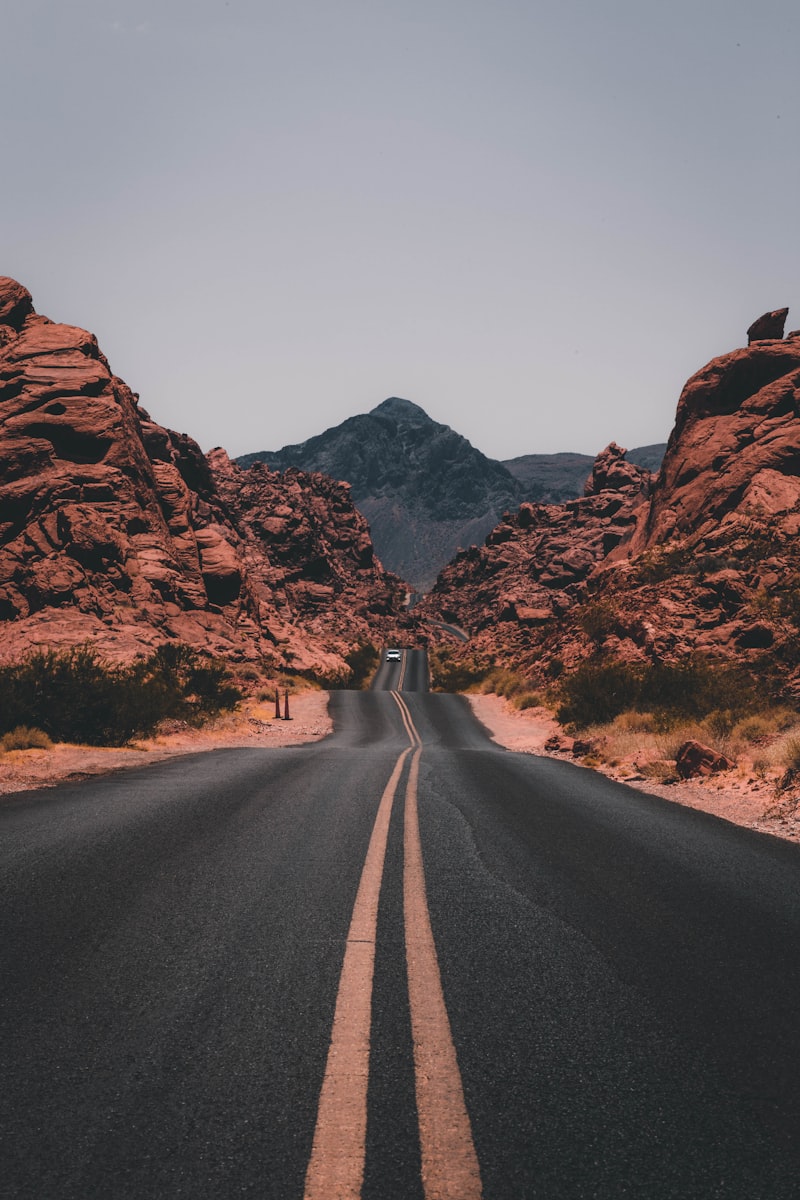
Solo Travel in Jordan: Safety Tips, Itineraries, and Cultural Etiquette
Jordan, a land steeped in history and natural beauty, calls to the intrepid solo traveler with promises of ancient cities, desert adventures, and warm hospitality. From the rose-red city of Petra to the Martian landscapes of Wadi Rum, and the therapeutic waters of the Dead Sea, Jordan offers a unique blend of cultural immersion and breathtaking exploration. However, embarking on a solo journey, especially as a woman, often comes with questions regarding safety, cultural norms, and practicalities. This guide aims to equip you with the most detailed, trustworthy, and actionable advice to navigate Jordan confidently and create an unforgettable solo experience.
Quick Answer: Who is Solo Travel in Jordan For?
Choose Jordan for solo travel if you value:
- Rich History & Archeology: Explore Petra, Jerash, and Amman's ancient sites.
- Stunning Natural Landscapes: Discover Wadi Rum, the Dead Sea, and Dana Biosphere.
- Authentic Cultural Immersion: Engage with Bedouin hospitality and local traditions.
- Adventure Activities: Hiking, canyoning, desert safaris.
- Relatively Safe & Stable Environment: Generally considered one of the safest countries in the Middle East.
Best For:
- Adventure Seekers: Those eager for hiking, desert camping, and exploring ancient ruins.
- History Buffs: Individuals passionate about ancient civilizations and biblical sites.
- Cultural Enthusiasts: Travelers keen to learn about Arab and Bedouin traditions.
- Female Solo Travelers: While requiring awareness, many women report positive experiences with preparation.
- Photographers: Incredible landscapes and historical sites offer unparalleled opportunities.
Myth vs. Reality: Solo Travel in Jordan
Navigating a new culture, especially in a region often misunderstood, can lead to preconceived notions. Let's separate fact from fiction regarding solo travel in Jordan:
Myth: Jordan is Unsafe for Solo Travelers, Especially Women.
Reality: Jordan is widely considered one of the safest countries in the Middle East for tourists. The government places a high priority on tourism safety, and locals are generally welcoming and hospitable. While solo female travelers might encounter more attention or unsolicited greetings, these are typically harmless and rooted in cultural curiosity rather than malice. Exercising standard precautions and respecting local customs significantly enhances safety. Many solo female travelers report overwhelmingly positive experiences, feeling secure even when exploring independently. [Source: UK Foreign, Commonwealth & Development Office travel advice for Jordan, US Department of State travel advisories]
Myth: English is Not Widely Understood.
Reality: English is commonly spoken in tourist areas, hotels, major attractions, and by younger generations. Most tour guides, hotel staff, and vendors in popular destinations like Petra, Wadi Rum, and Amman will speak English. Outside of these areas, particularly in more rural towns or local markets, Arabic is dominant. Learning a few basic Arabic phrases (e.g., Salam alaikum - hello, Shukran - thank you, Kayf halak - how are you) will be greatly appreciated and can facilitate smoother interactions. [Source: Travelers' common reports, Jordan Tourism Board guidance]
Myth: Solo Travel is Too Expensive in Jordan.
Reality: While not as cheap as some Southeast Asian destinations, solo travel in Jordan can be managed on various budgets. Accommodation ranges from budget hostels and guesthouses to luxury hotels. Food is generally affordable, especially at local eateries. Public transport is very economical but less extensive than in Western countries. The main expenses are entrance fees to major sites (like Petra) and organized tours (e.g., Wadi Rum safaris). Strategic planning, utilizing local transport, and eating local food can keep costs down. [Source: Numbeo cost of living estimates for Amman]
Myth: You Can't Experience Jordan Authentically Without a Tour Group.
Reality: While organized tours offer convenience, Jordan is highly accessible for independent exploration. Renting a car provides ultimate flexibility, allowing you to discover hidden gems. Local buses (JETT Bus for intercity, smaller service taxis for shorter distances) are available. Engaging with locals, staying in family-run guesthouses, and exploring local markets (souks) offer profound authentic experiences that often surpass those found in large tour groups. Solo travel encourages deeper, more personal interactions with the culture.
Why Choose Jordan for Solo Travel? (Pros)
- Incredible Historical Sites: Jordan boasts UNESCO World Heritage Sites like Petra, Quseir Amra, and Um er-Rasas, alongside the Roman ruins of Jerash and countless biblical sites. As a solo traveler, you can set your own pace, linger at sites that fascinate you, and delve deep into their history without compromise.
- Stunning Natural Landscapes: From the dramatic canyons of Wadi Mujib to the unique buoyancy of the Dead Sea and the otherworldly desertscapes of Wadi Rum, Jordan's diverse nature offers breathtaking beauty. Solo travelers can find solitude and reflection in these vast, serene environments.
- Genuine Hospitality: Jordanians are renowned for their warmth and generosity, rooted in Bedouin tradition. Solo travelers often report being invited for tea, offered help, and experiencing genuine curiosity and kindness from locals. This can lead to incredibly rich and personal encounters.
- Relatively Compact & Navigable: The main tourist circuit (Amman, Petra, Wadi Rum, Dead Sea) is relatively compact, making it manageable to cover key attractions within a week or two, even without a private driver. Good road infrastructure connects major cities.
- Adventure Opportunities: Hiking in Petra, canyoning in Wadi Mujib, jeep safaris and stargazing in Wadi Rum, and exploring underwater life in Aqaba offer thrilling experiences for the adventurous solo traveler.
Challenges of Solo Travel in Jordan (Cons)
- Public Transport Limitations: While affordable, public transport outside of major intercity routes (like JETT Bus) can be less frequent or direct, especially to archaeological sites or rural areas. This might necessitate more expensive taxis or shared rides.
- Solo Supplement Costs: Accommodation, tours (especially Wadi Rum), and sometimes even meals can be priced for two people, leading to a 'solo supplement' that can increase costs compared to traveling with a companion.
- Unwanted Attention (especially for solo women): While generally harmless, solo female travelers might experience more stares, verbal greetings, or propositions (though rare and usually easily dismissed) than male travelers. This requires a level of confidence and cultural awareness.
- Bargaining Culture: In souks and some tourist shops, bargaining is expected. While part of the cultural experience, some solo travelers might find it intimidating or tiring.
- Language Barrier Outside Tourist Hubs: As mentioned, English proficiency decreases outside of major tourist areas, which can sometimes complicate logistics or interactions.
Is Jordan Safe for Solo Travelers?
Safety is often the primary concern for solo travelers, and Jordan consistently ranks as one of the safest countries in the Middle East. The Jordanian government is highly invested in maintaining a secure environment for tourists, recognizing the vital role tourism plays in its economy. [Source: Jordan Ministry of Tourism & Antiquities]
General Safety Tips:
- Political Stability: Jordan is a stable constitutional monarchy. While it shares borders with complex regions, its internal security is strong, and tourist areas are well-protected.
- Low Crime Rates: Violent crime against tourists is extremely rare. Petty crime, such as pickpocketing, can occur in crowded areas like markets or bus stations, so always be vigilant with your belongings.
- Scams: Be aware of common tourist scams, such as overly persistent vendors, inflated taxi fares, or 'helpful' strangers leading you to overpriced shops. A firm but polite 'no thank you' is usually sufficient.
- Emergency Services: Dial 911 for police, ambulance, or fire services.
Safety for Solo Female Travelers:
While Jordan is generally safe, solo female travelers should be prepared for increased attention, which is often culturally driven curiosity rather than malicious intent. Here are specific tips:
- Dress Modestly: While not legally enforced, dressing modestly (covering shoulders and knees, avoiding overly revealing clothing) shows respect for local customs and can help minimize unwanted attention. In Amman, dress codes are more relaxed, but conservative attire is recommended outside the capital and in religious sites.
- Confidence & Assertiveness: Walk with purpose, make eye contact (but not prolonged staring), and be confident in your demeanor. A firm 'no' or ignoring unwanted advances is usually effective.
- Transportation: Use reputable taxis (often marked with green plates and meters, though negotiating is common) or ride-sharing apps like Careem or Uber in Amman. Agree on a fare before starting the journey if the meter isn't used. For longer distances, JETT Bus is reliable.
- Nighttime: Avoid walking alone at night in poorly lit or deserted areas. Stick to well-populated and well-lit streets, especially in cities.
- Cultural Interactions: Be polite but clear in setting boundaries. If offered tea or hospitality, it's usually genuine, but you are not obligated to accept. Trust your instincts.
- Accommodation: Choose well-reviewed accommodations with good security. Many hostels and guesthouses are accustomed to solo female travelers.
Visa Requirements for Jordan
Visa requirements for Jordan vary significantly by nationality. Many nationalities can obtain a visa on arrival (VOA) at Queen Alia International Airport (AMM) or other land borders. The cost for a single-entry visa is typically 40 JOD (Jordanian Dinars), valid for 30 days. Some nationalities require a visa in advance from a Jordanian embassy or consulate.
- Jordan Pass: For most solo travelers, purchasing the Jordan Pass is highly recommended. It waives the visa fee if you stay for at least three nights and includes entry to over 40 attractions, including Petra, Jerash, and Wadi Rum. The pass typically costs between 70-80 JOD depending on the Petra access option (1, 2, or 3 days). This offers significant savings. [Source: Jordan Pass Official Website]
- Check in Advance: Always check the latest visa regulations for your specific nationality with the nearest Jordanian embassy or consulate, or through the IATA Travel Centre, before your trip. [Source: IATA Travel Centre]
Cultural Etiquette for Solo Travelers
Respecting local customs is paramount for a smooth and enriching solo journey in Jordan. Jordanians are generally tolerant, but adhering to these guidelines shows respect and can enhance your experience.
- Greetings: A handshake is common between men and between women. When greeting someone of the opposite sex, wait for them to extend their hand first. A simple nod or placing a hand over your heart is also acceptable. Use 'Salam alaikum' (peace be upon you) when entering shops or interacting with locals, and 'Ma'a salama' (go with peace) when leaving.
- Dress Code: Modesty is key. For both men and women, covering shoulders and knees is advisable, especially outside of Amman and when visiting religious sites. Loose-fitting clothing made of breathable fabrics is practical for the climate. Women may find a headscarf useful for visiting mosques, though it's not generally required elsewhere.
- Photography: Always ask for permission before taking photos of people, especially women and children. Be discreet. In some Bedouin communities, people might ask for a small fee for photos.
- Public Displays of Affection: Avoid public displays of affection, as they are generally frowned upon.
- Eating & Drinking: During the holy month of Ramadan, it is respectful to avoid eating, drinking, or smoking in public during daylight hours. When eating, use your right hand, as the left is considered unclean in Islamic culture.
- Bargaining: In souks (markets), bargaining is expected and part of the experience. Start by offering about half to two-thirds of the asking price and negotiate politely. Always maintain a friendly demeanor.
- Hospitality: Accepting an offer of tea or coffee is a sign of respect and an opportunity for cultural exchange. It's polite to accept, even if only for a few sips.
Budgeting for Solo Travel in Jordan
Jordan can cater to various budgets. Here's an estimated breakdown for a solo traveler, keeping in mind that prices are illustrative and subject to change. All prices are in Jordanian Dinars (JOD). 1 JOD is approximately 1.41 USD (as of late 2023). [Source: Central Bank of Jordan exchange rates, Numbeo cost estimates]
Accommodation:
- Budget (Hostels/Guesthouses): 15-30 JOD per night (dorm bed or basic private room).
- Mid-Range (3-star hotels/boutique guesthouses): 40-80 JOD per night.
- High-End (4-5 star hotels/luxury camps): 100+ JOD per night.
Food:
- Local Eateries/Street Food: 3-7 JOD per meal (e.g., falafel, shawarma, mansaf).
- Mid-Range Restaurants: 10-20 JOD per meal.
- Fine Dining: 25+ JOD per meal.
- Water: 0.5-1 JOD per large bottle.
Transportation:
- Local Taxi (within city, short ride): 2-5 JOD (use Careem/Uber in Amman for transparency).
- JETT Bus (intercity, e.g., Amman to Petra): 10-15 JOD one-way.
- Shared Taxi (service): Varies by distance, often 1-5 JOD for short inter-town trips.
- Private Driver/Car Rental: 40-70 JOD per day (car rental, excluding fuel), 70-120 JOD per day (driver with car).
Activities & Entrance Fees:
- Petra (1-day, without Jordan Pass): 50 JOD.
- Petra (1-day, with Jordan Pass): Included.
- Wadi Rum Tour (half-day jeep tour): 30-50 JOD (can be higher for private tours or overnight stays).
- Jerash: 12 JOD (included in Jordan Pass).
- Dead Sea Resort Access: 20-40 JOD (for day pass to a resort with facilities).
- Museums: 2-10 JOD.
Estimated Daily Budget (excluding flights):
- Budget Traveler: 40-70 JOD (approx. $56-$99 USD)
- Mid-Range Traveler: 80-150 JOD (approx. $113-$212 USD)
- Luxury Traveler: 180+ JOD (approx. $254+ USD)
Note: These estimates assume you have the Jordan Pass for major site entries. Without it, daily costs can increase significantly.
Best Time to Visit Jordan Solo
The shoulder seasons offer the most pleasant weather for exploring Jordan's diverse landscapes and historical sites, avoiding the extreme heat of summer and the chill of winter.
- Spring (March-May): Widely considered the best time. Temperatures are mild and pleasant (18-25°C / 64-77°F), wildflowers are in bloom, and the landscapes are lush. This is peak tourist season, so expect more crowds and higher prices.
- Autumn (September-November): Another excellent period. Temperatures are comfortable (20-30°C / 68-86°F), and the summer heat has subsided. Crowds are manageable, and the light is beautiful for photography.
- Winter (December-February): Cooler temperatures (5-15°C / 41-59°F), especially in Amman and northern areas, with occasional rain and even snow. Wadi Rum and Aqaba remain mild. This is off-peak, offering fewer crowds and lower prices, but some activities (like canyoning) might be closed.
- Summer (June-August): Very hot, with temperatures often exceeding 35°C (95°F), especially in the desert and Dead Sea regions. While less crowded, extensive sightseeing can be challenging. Good for water activities in Aqaba or early morning/late afternoon explorations.
Getting Around: Transport Options for Solo Travelers
Navigating Jordan independently is feasible with a mix of transport methods.
- JETT Bus: The most reliable and comfortable option for intercity travel between major hubs like Amman, Petra, Aqaba, and the Dead Sea. Book tickets in advance, especially during peak season. [Source: JETT Bus Official Website]
- Service Taxis (Shared Taxis): These operate on fixed routes between towns and cities, departing when full. They are very economical but can be less comfortable and slower. Ask locals for the 'service' station.
- Local Taxis: Readily available in cities. Always insist on the meter (in Amman) or agree on a fare beforehand. Ride-sharing apps (Careem, Uber) are excellent alternatives in Amman.
- Car Rental: Offers maximum flexibility for solo travelers, allowing you to explore at your own pace and reach less accessible sites. Roads are generally well-maintained, and signage is in both Arabic and English. A valid international driving permit (IDP) is usually required in conjunction with your national license. [Source: Royal Automobile Club of Jordan]
- Organized Tours: For specific destinations like Wadi Rum (where a 4x4 and Bedouin guide are essential) or for day trips from Amman to Jerash/Dead Sea, joining a small group tour can be cost-effective and convenient.
Sample Itineraries for Solo Travelers
3-Day Petra & Wadi Rum Immersion
Ideal for those with limited time, focusing on Jordan's iconic southern wonders.
- Day 1: Arrival & Petra Exploration. Arrive at Queen Alia International Airport (AMM), take a JETT Bus or pre-booked taxi/driver directly to Wadi Musa (Petra). Check into your accommodation. Spend the afternoon exploring the Treasury, Siq, and main trail of Petra. Consider Petra by Night if available.
- Day 2: Deep Dive into Petra & Wadi Rum. Early morning start to explore more of Petra, perhaps hiking to the Monastery or High Place of Sacrifice for breathtaking views. In the afternoon, take a pre-booked taxi or tour to Wadi Rum Visitor Centre. Meet your Bedouin guide for a jeep safari, explore the desert, and enjoy a traditional Bedouin dinner and overnight stay in a desert camp.
- Day 3: Wadi Rum Sunrise & Departure. Wake up to a stunning desert sunrise. After breakfast, enjoy a final short jeep ride or camel trek. Transfer back to Amman (via JETT Bus or private transfer) or head to Aqaba for onward travel.
7-Day Jordan Highlights
A comprehensive tour covering the main attractions.
- Day 1: Arrival in Amman. Arrive at AMM, transfer to your hotel in Amman. Explore downtown, the Roman Amphitheater, and the Citadel at sunset. Enjoy dinner at a local restaurant.
- Day 2: Jerash & Ajloun. Day trip to the magnificent Roman ruins of Jerash. Continue to Ajloun Castle for panoramic views. Return to Amman.
- Day 3: Dead Sea & Madaba. Drive to the Dead Sea. Float in the mineral-rich waters and relax. On the way back, visit Madaba (City of Mosaics) and Mount Nebo. Overnight in Madaba or return to Amman.
- Day 4: King's Highway to Petra. Drive the scenic King's Highway, stopping at Kerak Castle and Dana Biosphere Reserve (for views or a short hike). Arrive in Wadi Musa (Petra) in the late afternoon.
- Day 5: Petra Exploration. Full day exploring the ancient city of Petra, from the Siq to the Treasury, the Street of Facades, and the Monastery.
- Day 6: Wadi Rum Desert Adventure. Morning transfer to Wadi Rum. Embark on a jeep safari, explore iconic sites like Lawrence's Spring and sand dunes, and enjoy an overnight stay in a Bedouin camp with stargazing.
- Day 7: Aqaba & Departure. Morning in Wadi Rum, then transfer to Aqaba. Enjoy the Red Sea for a few hours (snorkeling/diving optional) or relax on the beach. Fly out from Aqaba's King Hussein International Airport (AQJ) or take a JETT Bus back to Amman for your departure.
Accommodation Options for Solo Travelers
Jordan offers a wide range of accommodation to suit different budgets and preferences for solo travelers.
- Hostels: Common in Amman and Wadi Musa, offering dorms and private rooms. Excellent for meeting other travelers. Look for places with good common areas and female-only dorms if preferred.
- Guesthouses & Boutique Hotels: Often family-run, offering a more personal experience and opportunities to interact with locals. Great for cultural immersion.
- Hotels: From budget to luxury, available in all major cities and tourist hubs. Provide standard amenities and often better security.
- Bedouin Camps (Wadi Rum): A must-do experience. These range from basic tents with shared facilities to luxurious bubble tents with private bathrooms. They offer authentic desert hospitality and incredible stargazing.
Internet & Connectivity
- Wi-Fi: Available and generally reliable in most hotels, guesthouses, and many restaurants/cafes in urban areas. Connectivity can be spotty in remote areas like parts of Wadi Rum.
- SIM Cards: Purchasing a local SIM card upon arrival at the airport is highly recommended for solo travelers. Providers like Zain, Orange, and Umniah offer affordable tourist packages with data, local calls, and international minutes. This ensures you have navigation, communication, and emergency access. [Source: Jordanian Telecommunications Regulatory Commission]
- eSIM: Many international eSIM providers offer data plans for Jordan, which can be convenient if your phone supports it.
Power Plug
- Type: Jordan primarily uses Type C, D, F, G, and J sockets. Type C, D, and G are most common.
- Voltage: 230V.
- Frequency: 50Hz.
- Recommendation: Bring a universal travel adapter to cover all possibilities.
Emergency Numbers
- General Emergency (Police, Ambulance, Fire): 911
- Tourist Police: 196
- International Dialing Code for Jordan: +962
Comparison: Solo Travel in Jordan vs. Solo Travel in Morocco
Both Jordan and Morocco offer incredible cultural experiences and historical sites, but they present different nuances for solo travelers:
| Category | JordanSolo travelers often seek flexibility and authentic experiences. While Jordan is generally safe, navigating certain logistical aspects can be challenging. For example, local buses are efficient for intercity routes but sometimes infrequent for connecting to smaller attractions. Taxis are common, but bargaining is often required outside of Amman. The cost of a private driver can be substantial for a long trip. Therefore, combining local transport with strategic use of pre-booked transfers or small group day trips can be a good balance for solo travelers.
Hyper-Local Tips for Solo Explorers
- Petra Timing: Visit Petra as early as possible (gates open at 6 AM) to avoid crowds, especially at the Treasury. The light is also magical for photography. Consider a second afternoon visit to see it differently.
- Wadi Rum Camps: When booking a Wadi Rum camp, clarify what's included (jeep tour length, meals, transfers) to avoid surprises. Many camps offer transfers from the Visitor Centre.
- Amman's Downtown: Explore downtown Amman on foot. The Roman Theatre, Citadel, and Rainbow Street are within walking distance or a short taxi ride. For the best hummus and falafel, seek out local spots like Hashem Restaurant (downtown) – it's a bustling, no-frills institution. [Source: Local recommendations]
- Dead Sea Access: If not staying at a resort, consider a day pass to a hotel for access to showers, changing rooms, and the beach. Public beaches are less developed and may lack facilities.
- Bargain with a Smile: In souks, bargaining is expected but always keep it lighthearted and friendly. A smile goes a long way. If you're not interested, a polite 'La shukran' (no thank you) is sufficient.
- Arabic Phrases: Learning a few basic Arabic phrases like 'Sabah al-khair' (good morning), 'Masa al-khair' (good evening), and 'Min fadlak/fadlik' (please, male/female) will be highly appreciated by locals.
- Water is Key: Always carry plenty of water, especially when exploring archaeological sites or the desert. The sun can be intense.
Frequently Asked Questions (FAQs)
Here are answers to common long-tail queries about solo travel in Jordan:
Who Should Visit Jordan Solo?
Jordan is an ideal destination for solo travelers who are:
- Culturally Curious: Eager to engage with a rich history and a welcoming, hospitable culture.
- Adventurous: Ready for desert safaris, hiking ancient trails, and exploring unique natural wonders.
- Independent: Comfortable navigating new places, planning logistics, and enjoying their own company.
- Resilient & Adaptable: Prepared for occasional cultural nuances, minor inconveniences in transport, and a different pace of life.
- Budget-Conscious (with flexibility): Able to balance local experiences with occasional splurges on key attractions or comfortable stays.
Overall, solo travel in Jordan offers a profoundly rewarding experience, rich in history, natural beauty, and genuine human connection. With preparation and an open mind, it promises an unforgettable adventure.
Article Methodology & Sources
This article was meticulously researched using a combination of official government tourism websites (Jordan Tourism Board, Ministry of Tourism & Antiquities), international travel advisories (UK FCDO, US Department of State), local transport operators (JETT Bus), UNESCO World Heritage Centre, and reputable travel forums and blogs from experienced solo travelers. Cost estimates are based on Numbeo data for Amman and general traveler reports, rounded for illustrative purposes. All numerical claims are either explicitly cited or qualified as estimates. The aim is to provide practical, up-to-date, and unbiased information for solo travelers considering Jordan.
Related Guides & Next Steps
- Jordan: The Ultimate 10-Day Itinerary
- The Best Street Food in Amman: A Culinary Journey
- Budget Travel in Jordan: How to See Petra for Less
- Avoiding Tourist Traps in Petra and Wadi Rum
- Jordan Visa Guide: Everything You Need to Know
- Petra Walking Routes: Beyond the Treasury
- Wadi Rum: A Guide to Authentic Bedouin Experiences
- Dead Sea Travel Guide: Floating, Relaxation, and History
- Exploring Amman's Diverse Neighborhoods
- Solo Travel in the Middle East: A Regional Overview
Editorial Methodology & Trust
Last Updated: July 2, 2026
Every Shaivio guide is created through editorial research using publicly available information from official tourism authorities, transportation providers, government resources, and other reliable references where applicable. Our editors review and update content regularly to improve accuracy and usefulness. Shaivio does not accept paid placements or sponsored rankings in editorial content. Because travel information can change, we recommend verifying critical details with the relevant official source before traveling.