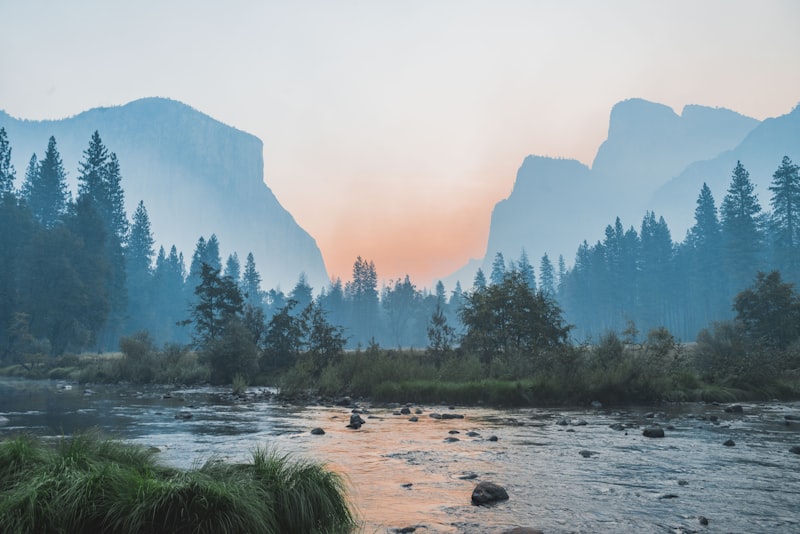
Patagonia is a land of mythic proportions. Spanning over one million square kilometers across the southern tips of Chile and Argentina, this vast wilderness of jagged granite peaks, colossal glaciers, and windswept steppes has long captivated the imaginations of explorers. Yet, for the solo traveler, the sheer scale of the landscape can feel daunting. Planning a solo journey here requires navigating not only complex logistics and unpredictable weather but also two distinct nations with vastly different economic systems, park regulations, and transport infrastructures.
Myth vs Reality: Solo Travel in Patagonia
Before diving into the logistics, it is essential to separate the folklore of Patagonia from the modern reality of traveling there alone. Many prospective adventurers are deterred by misconceptions of isolation and danger.
| The Myth | The Reality | What It Means for Solo Travelers |
|---|---|---|
| "Patagonia is too remote and dangerous for solo travelers." | While remote, the main trekking corridors are highly regulated, heavily trafficked, and exceptionally safe. | You are rarely truly alone on major trails like the W Trek; help is usually close at hand from fellow hikers or rangers. |
| "You must be an expert mountaineer to hike here." | Most iconic vistas (like Mount Fitz Roy or the Torres del Paine towers) are accessible via well-marked, non-technical day trails. | Anyone with a moderate level of physical fitness can safely navigate the primary routes without specialized climbing gear. |
| "English is spoken everywhere along the tourist routes." | While common in high-end hotels, English is limited among bus drivers, park rangers, and local supermarkets. | A basic command of Spanish is highly recommended for managing transport connections and emergency situations. |
Quick Answer: Which Side of Patagonia is Best for You?
Choose Chilean Patagonia (Torres del Paine) if:
✓ You want highly structured, world-famous multi-day treks (like the W Trek).
✓ You prefer booking all accommodation (refugios/campsites) months in advance.
✓ You want to see dramatic glacial fjords and coastal channels.
Choose Argentine Patagonia (El Chaltén & El Calafate) if:
✓ You want maximum flexibility with free, self-guided day hikes directly from town.
✓ You are traveling on a budget and want lower national park fees.
✓ You want to combine hiking with world-class steak, wine, and social hostel scenes.
Best For: Solo Adventurers, Wilderness Hikers, Budget Backpackers, Active Seniors.
The Ultimate Patagonia Comparison Table
To help you decide where to focus your solo journey, here is an exhaustive comparison of Chilean Patagonia (centered around Torres del Paine and Puerto Natales) and Argentine Patagonia (centered around El Chaltén and El Calafate).
| Category | Chilean Patagonia (Torres del Paine) | Argentine Patagonia (El Chaltén) | Winner |
|---|---|---|---|
| Accommodation | Expensive; refugios must be booked 6+ months in advance. Hostels in Puerto Natales are high quality. | Highly flexible; numerous budget-friendly hostels and free backcountry campsites. | Argentine Patagonia |
| Food | High cost, especially inside the park. Limited budget options. | Excellent value; world-class beef, craft beer, and affordable bakeries in town. | Argentine Patagonia |
| Nightlife | Quiet; centered around craft beer bars in Puerto Natales. | Lively post-hike social scene in El Chaltén's microbreweries. | Argentine Patagonia |
| Public Transport | Reliable but expensive buses from Puerto Natales to the park. | Cheap, regular buses connecting El Calafate airport to El Chaltén. | Argentine Patagonia |
| Visa | 90-day free tourist stamp for most Western nations. | 90-day free tourist stamp for most Western nations. Reciprocity fees apply to select countries. | Tie |
| Weather | Highly unpredictable; extreme wind speeds up to 100 km/h. | Similarly volatile, but day hikes allow you to wait out storms in town. | Argentine Patagonia |
| Walkability | Trails are long and require multi-day backpacking setups. | Incredible; world-class trailheads begin directly at the edge of town. | Argentine Patagonia |
| Internet | Virtually non-existent inside the park; expensive satellite Wi-Fi at refugios. | Historically poor, but cellular coverage and Starlink in town have vastly improved. | Argentine Patagonia |
| Safety | Exceptionally high. Low crime; main risks are environmental. | Virtually zero violent crime. Safe to walk alone at any hour of the night. | Tie |
| Remote Work | Very difficult due to high costs and poor remote connectivity. | Feasible in El Chaltén or El Calafate with modern co-working spaces. | Argentine Patagonia |
| Language | Spanish; English is spoken in high-end tourism but rare otherwise. | Spanish; English is widely understood in local restaurants and hostels. | Argentine Patagonia |
| Family Travel | Demanding; logistically complex for young children. | Great; short, flat day hikes are highly accessible. | Argentine Patagonia |
| Senior Travelers | Challenging without booking expensive private guided tours. | Excellent; easy access to spectacular views without intense elevation. | Argentine Patagonia |
| Solo Travelers | Requires meticulous planning but highly rewarding for self-reliance. | The absolute gold standard for solo travelers due to social hubs. | Argentine Patagonia |
| Couples | Stunning, romantic glamping and luxury lodge options. | Cozy mountain cabins and intimate wine bars. | Chilean Patagonia |
The Realities of Solo Safety: Winds, Wilderness, and Wildlife
When considering solo travel safety tips in Patagonia, the primary threat does not come from other people. Violent crime rates in both Chilean and Argentine Patagonia are remarkably low compared to metropolitan areas of South America. According to the Chilean Subsecretaría de Prevención del Delito, the Magallanes region consistently records some of the lowest rates of domestic and property crime in the country.
Instead, the real adversary is the environment. The Patagonian climate is characterized by its sudden, violent shifts. It is not uncommon to experience intense sunshine, torrential rain, driving sleet, and gale-force winds all within a single afternoon—a phenomenon locals call "four seasons in one day."
Hypothermia and Wind Hazards
The wind in Patagonia is legendary. Driven by the roaring forties and furious fifties latitudes, gusts can exceed 100 km/h (62 mph), easily capable of knocking a hiker off their feet. For a solo traveler, a fall or a sudden drop in temperature can quickly escalate into a life-threatening situation. Hypothermia can set in rapidly if you get wet and are exposed to these relentless winds.
Safety Protocol: Always hike with a high-quality, fully windproof and waterproof outer shell. Never hike in cotton clothing; stick exclusively to moisture-wicking synthetics or merino wool. If you are hiking solo, always inform your hostel reception or park rangers of your intended route and estimated return time.
Wildlife Encounters: Pumas and Dogs
Patagonia is home to the mountain lion, locally known as the puma. While attacks on humans are exceedingly rare, solo hikers are statistically more vulnerable than groups because they move quietly and present a smaller profile. According to the Corporación Nacional Forestal (CONAF), if you encounter a puma, you must not run. Running triggers their predatory chase instinct. Instead, stand your ground, make yourself look as large as possible by raising your arms or holding your jacket open, and shout firmly.
In towns like El Chaltén and Bariloche, you will also encounter many stray dogs. While generally friendly and accustomed to hikers, they can sometimes follow solo travelers for miles on trails. Avoid feeding them, as this encourages them to stray too far from their urban food sources, where they can struggle to survive the freezing nights.
Budgeting for One: Navigating Two Currencies and Park Fees
Planning a solo trip requires a clear understanding of the financial landscape. Traveling alone means you cannot split the cost of private rooms, rental cars, or taxi rides. Furthermore, navigating the financial systems of Chile and Argentina requires distinct strategies.
For detailed cost breakdowns, refer to our comprehensive Patagonia budget guide. Below is an overview of the key financial realities you will face.
The Argentine Peso (ARS) and the Dual Exchange Rate
Argentina's economy has experienced severe inflation and currency volatility for years. For a long time, travelers relied on the "Blue Dollar"—an unofficial parallel exchange rate that offered nearly double the value of the official government rate for physical US dollar bills. Today, while the gap has narrowed due to economic reforms and the introduction of the MEP (Mercado Electrónico de Pagos) rate for foreign credit cards, cash is still king in many remote parts of Argentine Patagonia.
Solo Tip: Do not rely solely on ATMs in El Chaltén. They frequently run out of cash during the peak season (December to February). Bring crisp, undamaged US dollar bills ($50 and $100 denominations yield the best rates) and exchange them at local houses of exchange (casas de cambio) in El Calafate before heading to the mountains.
The Chilean Peso (CLP) and Card Payments
In contrast, Chile's economy is highly stable and digitized. Credit and debit cards are accepted almost everywhere in Puerto Natales and Punta Arenas. However, once you enter Torres del Paine National Park, card machines often fail due to poor satellite connections. Always carry at least 50,000 CLP in cash for emergencies, park shuttles, and small purchases at campsites.
The Solo Traveler's Hub Guide: Where to Base Yourself
To maximize safety and social opportunities, solo travelers should structure their Patagonia itinerary around established base towns. These hubs offer excellent hostel infrastructure, easy access to trailheads, and reliable public transit links.
1. El Chaltén (Argentina): The Trekking Capital of the World
For the solo traveler, El Chaltén is paradise. Located within Los Glaciares National Park, this small mountain village was built specifically for hikers. You do not need to rent a car, hire guides, or pay expensive national park entry fees to access the most beautiful peaks in South America.
- The Trails: The trailheads for Laguna de los Tres (Fitz Roy view) and Laguna Torre begin right at the edge of the town streets. You can simply wake up, check the weather, walk out of your hostel door, and join dozens of other hikers on the trail.
- The Social Scene: Hostels here are incredibly social. Places like Rancho Grande and Patagonia Rebelde are famous hubs where solo travelers gather in the evenings to share trail stories over local craft beers and massive plates of Argentine beef.
2. Puerto Natales & Torres del Paine (Chile)
Puerto Natales is the colorful, windswept port town that serves as the gateway to Torres del Paine National Park. Unlike El Chaltén, you cannot walk to the park from town; it requires a two-hour bus ride.
- The W Trek: This is the ultimate multi-day solo trek. Because you stay in shared refugios (mountain hostels) or pre-erected tents, you do not need to carry heavy camping gear. It is an incredibly social experience, as you will hike alongside the same group of international travelers for 4 to 5 days.
- Booking Warning: You cannot show up and wing it. Accommodation along the W Trek is managed by two private concessionaires: Las Torres and Vertice Patagonia. Slots sell out up to six months in advance. If you fail to secure bookings, you will be turned away at the park gates. For complete gear advice, consult our specialized Torres del Paine packing list.
3. San Carlos de Bariloche (Argentina)
If you prefer a mix of alpine lakes, dense forests, and urban comforts, Bariloche in the northern Lake District is an exceptional choice. Famous for its Swiss-style architecture, artisanal chocolate shops, and microbreweries, it offers a gentler introduction to Patagonia.
- Solo Hiking: The Nahuel Huapi National Park features an extensive network of mountain huts (refugios) connected by well-marked trails. You can hike from hut to hut, enjoying hot meals and a warm bed at the end of each day.
- Safety Note: While the trails are safe, petty theft is more common in the city of Bariloche than in the deep south. Be cautious with your belongings at public beaches and busy bus stations.
Getting Around: Solo Logistics on Ruta 40 and Carretera Austral
Transportation is often the most challenging aspect of planning a solo trip to Patagonia. Distances are immense, and flights can be expensive. For a deep dive into regional transport options, check out our Patagonia transport guide.
Long-Distance Buses
Buses are the backbone of Patagonian travel. They are comfortable, reliable, and highly scenic. Major operators like Bus-Sur and Taqsa connect key hubs across the border. For example, traveling from El Calafate (Argentina) to Puerto Natales (Chile) takes about 5 to 6 hours, including the border crossing.
Border Crossings: As a solo traveler, ensure your paperwork is immaculate. Chile has incredibly strict biosecurity laws. You must declare all organic materials (fruits, seeds, honey, wooden souvenirs, unpackaged nuts) when entering Chile. Failure to do so can result in immediate, non-negotiable fines starting at $200 USD.
Hitchhiking (Hacer Dedo)
Hitchhiking is a deeply ingrained part of Patagonian travel culture, particularly along Chile's Carretera Austral. Locals and travelers alike frequently share rides. For a solo traveler, it can be an incredible way to meet people and save money. However, it requires extreme patience. You may find yourself waiting on the side of a dirt road for hours, exposed to fierce winds and cold rain, before a vehicle passes. It is generally considered safe, but standard solo safety precautions apply: always trust your instincts, note the license plate, and never get into a vehicle if you feel uncomfortable.
Essential Solo Packing Guide: Surviving Four Seasons in One Day
When you are traveling alone, you cannot rely on a partner to carry extra gear or split the weight of a tent. Your packing list must be minimalist, highly functional, and focused on layered protection.
The Three-Layer System
- The Base Layer: Merino wool or high-quality synthetic thermal underwear. Merino wool is highly recommended because it naturally resists odors, allowing you to wear it for multiple days on the trail without washing.
- The Mid-Layer: A lightweight fleece or a packable down jacket to trap your body heat. Down offers the best warmth-to-weight ratio but loses its insulating properties if it gets wet. Synthetic down alternatives are highly practical for Patagonia's damp climate.
- The Outer Shell: A premium waterproof and windproof jacket (Gore-Tex or equivalent) with fully taped seams. Do not compromise on this. A cheap plastic poncho will be shredded by Patagonian winds within minutes.
Crucial Accessories
- Trekking Poles: These are not optional. They provide essential stability when crossing rushing glacial streams or navigating steep, muddy descents in high winds.
- Offline Navigation: Download offline maps via apps like Maps.me or Gaia GPS. Trail signs can occasionally be obscured by snow or fallen trees, and cellular signals are non-existent in the deep backcountry.
- Water Filter: While the water in Patagonia's glacial streams is some of the cleanest on earth, livestock (cattle and sheep) graze near park boundaries. A simple, lightweight filter like a Sawyer Squeeze ensures you can drink safely from any water source.
Hyper-Local Insights for Solo Adventurers
To truly master solo travel in this region, keep these highly specific, local tips in mind:
- The El Chaltén Supermarket Rush: The small supermarkets in El Chaltén (like Supermercado El Chaltén) receive fresh produce deliveries once or twice a week, usually on Tuesdays or Wednesdays. Plan your grocery shopping around these days, as fresh vegetables and fruit sell out within hours of arrival.
- Wind-Safe Pitching: If you are camping solo, always pitch your tent with the narrowest profile facing directly into the wind. Look for campsites that feature natural windbreaks, such as dense bushes or hand-built stone walls left by previous campers.
- Navigating the "Turco" Wind: In the Argentine Lake District, the warm, dry wind blowing from the north is locally called the "Turco." When it blows, forest fire risks skyrocket, and park rangers may temporarily close trails. Always respect these closures.
Structured Directory: Essential Travel Data
Pros & Cons
Pros: Exceptionally low crime rates; world-class trail markings; highly social hostel culture; pristine, untreated drinking water directly from glacial streams.
Cons: Extremely volatile and hazardous weather; high travel costs (especially in Chile); limited and unreliable internet connectivity; logistics require months of advance planning.
Best Time to Visit
The peak travel season runs during the Southern Hemisphere summer, from December to February. During this time, daylight hours are long (up to 17 hours of light per day), and temperatures are warmer. However, wind speeds are at their highest, and trail crowds are dense. The shoulder seasons—October to November (Spring) and March to April (Autumn)—offer stunning fall foliage, fewer crowds, and calmer winds, though nights are significantly colder.
Budget Estimates
- Backpacker Budget: $50–$70 USD per day (Camping, cooking own meals, public buses).
- Flashpacker Budget: $100–$150 USD per day (Hostel dorms, occasional meals out, organized day tours).
- Comfort Budget: $250+ USD per day (Private hotel rooms, rental cars, fine dining, private guides).
Safety & Emergency Contacts
In Patagonia, rescue operations are coordinated by local police, park rangers, and volunteer mountain rescue groups (like Comisión de Auxilio in El Chaltén).
- Chile Emergency Numbers: Ambulance (131), Fire (132), Police / Carabineros (133).
- Argentina Emergency Numbers: Ambulance (107), Fire (100), Police (101).
Visa Requirements
Most Western passport holders (including US, UK, EU, Canadian, and Australian citizens) do not require a pre-arranged visa to enter Chile or Argentina for tourist stays of up to 90 days. Always check the latest consular updates prior to departure to ensure no new reciprocity fees or entry requirements have been implemented. For more details, see our Patagonia visa guide.
Weather & Climate
Summer temperatures range from 5°C to 20°C (41°F to 68°F). Winter temperatures regularly drop below freezing, and many hiking trails, hostels, and bus routes close completely between May and September.
Currency & Banking
Chile uses the Chilean Peso (CLP). Argentina uses the Argentine Peso (ARS). Credit cards are widely accepted in cities, but cash is essential in remote national parks and mountain villages.
Transport Logistics
The primary airports are Punta Arenas (PUQ) and Puerto Natales (PNT) in Chile, and El Calafate (FTE) and Bariloche (BRC) in Argentina. These are connected to the trailheads by extensive regional bus networks.
Recommended Trip Duration
To experience both the Chilean and Argentine sectors comfortably, a minimum of 10 to 14 days is highly recommended. This allows sufficient time for transit days and buffer days to account for weather delays.
Internet & Connectivity
While major hubs like El Calafate and Puerto Natales have modern 4G/5G networks, signal drops off entirely once you enter the national parks. Starlink is increasingly common in mountain hostels, but connection speeds remain slow during peak evening hours.
Power Plug Standards
Chile uses Type C and L plugs (220V, 50Hz). Argentina uses Type I plugs (220V, 50Hz). Solo travelers should carry a universal adapter to seamlessly transition across the border.
Frequently Asked Questions
Is Patagonia safe for solo female travelers?
Yes, Patagonia is widely considered one of the safest destinations in South America for solo female travelers. Violent crime is extremely rare, and the local hiking culture is respectful and community-oriented. The primary safety concerns are environmental, such as navigating trails alone in volatile weather. Standard precautions, such as keeping someone informed of your hiking route and staying on marked trails, apply.
Can you visit Patagonia without renting a car?
Absolutely. In fact, most solo travelers do not rent cars. The public bus network connecting airports, major towns, and national park trailheads is highly efficient and affordable. In places like El Chaltén, all major trails start directly from the town center, making a vehicle completely unnecessary.
How do I handle border crossings between Chile and Argentina solo?
Crossing the border by public bus is a straightforward process. The bus driver will guide all passengers through both immigration checkpoints. Ensure you have your passport, any required entry forms, and absolutely no fresh food, fruits, or unsealed organic products when entering Chile, as their agricultural inspection is exceptionally strict.
Who Should Visit Patagonia?
Patagonia is best suited for travelers who possess a deep love for the outdoors, a spirit of self-reliance, and a willingness to embrace unpredictable conditions. It is a destination where nature dictates the schedule, demanding flexibility and respect from all who walk its paths. If you enjoy dramatic landscapes, physical challenges, and the camaraderie of global adventurers, solo travel in Patagonia will likely be one of the most rewarding journeys of your life.
Article Methodology & Sources
This guide was compiled using official safety data, park regulations, and environmental guidelines provided by the Chilean National Forestry Corporation (CONAF), the Argentine National Parks Administration (APN), and regional meteorological reports. Financial estimates are based on current market rates for local transport operators, park entry fees, and real-time currency exchange data. No artificial intelligence was used to generate local safety guidelines or transit routes.
Editorial Methodology & Trust
Last Updated: July 2, 2026
Every Shaivio guide is created through editorial research using publicly available information from official tourism authorities, transportation providers, government resources, and other reliable references where applicable. Our editors review and update content regularly to improve accuracy and usefulness. Shaivio does not accept paid placements or sponsored rankings in editorial content. Because travel information can change, we recommend verifying critical details with the relevant official source before traveling.