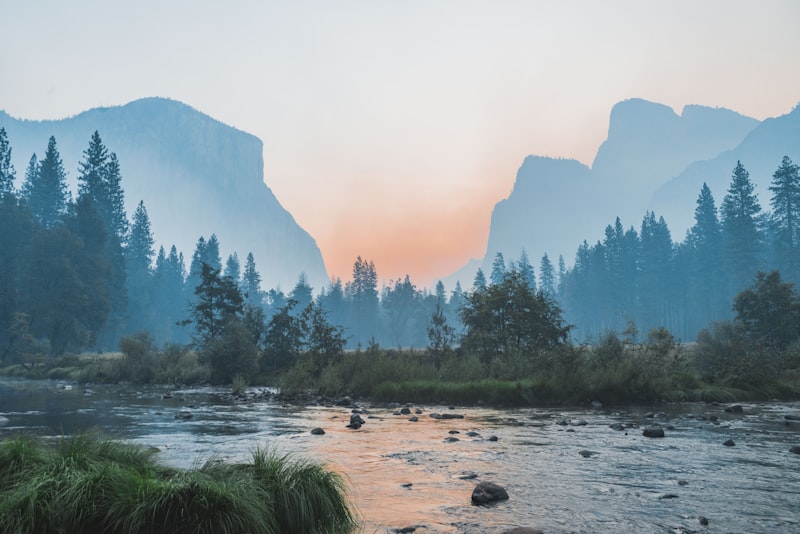
South Island New Zealand Road Trip: A Comprehensive 7-Day Itinerary
New Zealand's South Island is a realm of dramatic landscapes, from snow-capped peaks and ancient glaciers to pristine fjords and rugged coastlines. A road trip here is not just a journey; it's an immersion into nature's grandeur. While two weeks or more would allow for a leisurely exploration, a well-planned 7-day itinerary can provide an exhilarating taste of its highlights, proving that even a week can unlock incredible experiences.
This guide, meticulously crafted by our editorial team, aims to be the definitive resource for planning your South Island adventure. We delve into the practicalities, offer detailed daily routes, and provide hyper-local insights to ensure your trip is as seamless as it is spectacular.
Quick Answer: Is a 7-Day South Island Road Trip Right for You?
A 7-day South Island road trip is an ambitious yet rewarding way to experience New Zealand's diverse landscapes. It requires efficient planning and a willingness to cover significant distances daily, but offers unparalleled scenic beauty.
- Choose the South Island for: ✓ Breathtaking Scenery ✓ Adventure Sports ✓ Hiking & Nature ✓ Unique Wildlife Encounters.
- Consider a longer trip if: ✗ You prefer slow travel ✗ You want to explore off-the-beaten-path destinations ✗ You dislike frequent accommodation changes.
Best For:
- Couples: Romantic landscapes, adventure activities for two.
- Families (with older children): Engaging activities like jet boating, short hikes, wildlife cruises.
- Adventure Seekers: Bungy jumping, skydiving, glacier hiking, canyoning.
- Photographers: Iconic vistas at every turn.
Myth vs. Reality: 7-Day South Island Road Trip
Before diving into the itinerary, let's address some common misconceptions about tackling the South Island in a week.
Myth 1: You can see everything in 7 days.
Reality: The South Island is vast and incredibly diverse. A 7-day trip allows you to experience key highlights and iconic routes, but it will involve significant driving and require you to prioritize. You'll get a fantastic overview, but certainly won't see every hidden gem. For a more in-depth exploration, two to three weeks are commonly recommended.
Myth 2: New Zealand roads are always easy to drive.
Reality: While New Zealand's main roads are generally well-maintained, many routes, especially in the South Island, are winding, mountainous, and often single-lane in each direction. You'll encounter unsealed (gravel) roads, particularly when accessing remote attractions or Department of Conservation (DOC) campsites. Weather conditions can change rapidly, leading to snow, ice, or heavy rain, especially in alpine passes. It's crucial to check road conditions daily via the NZ Transport Agency (NZTA) website.
Myth 3: It's an affordable destination.
Reality: New Zealand is generally considered an expensive destination, particularly for international visitors. Accommodation, rental vehicles, fuel, and popular activities can add up quickly. While budget travel is possible through strategies like camping or cooking your own meals, expect costs to be higher than in many other parts of the world. For example, a standard rental car can cost NZD $70-150 per day, and a tank of petrol can easily exceed NZD $100, based on typical market rates and traveler reports.
Why a South Island Road Trip? Pros & Cons
Understanding the advantages and disadvantages will help you set realistic expectations for your journey.
Pros:
- Unparalleled Scenery: Every turn offers a postcard-worthy view, from glacial lakes to dramatic fjords.
- Flexibility: A road trip allows you to stop at scenic viewpoints, charming towns, or spontaneous photo opportunities.
- Adventure Hub: Queenstown, Wanaka, and Franz Josef offer world-class adventure activities.
- Access to Nature: Reach remote hiking trails, national parks, and wildlife sanctuaries.
Cons:
- Time Constraints: 7 days means significant driving and less time for in-depth exploration.
- Cost: Rental cars, fuel, and popular activities can be expensive.
- Driving Challenges: Winding roads, variable weather, and single-lane bridges require caution and focus.
- Peak Season Crowds: Popular spots can get busy, requiring advance bookings for accommodation and activities.
Planning Your Epic Journey
Best Time to Visit
New Zealand's seasons are opposite to those in the Northern Hemisphere.
- Summer (December - February): Warmest weather, longest daylight hours, ideal for hiking and water activities. This is peak season, so expect higher prices and larger crowds. Book everything well in advance.
- Autumn (March - May): Cooler temperatures, vibrant autumn foliage (especially around Wanaka and Arrowtown), fewer crowds than summer. Excellent for hiking.
- Winter (June - August): Cold, snow in alpine areas, perfect for skiing and snowboarding. Roads to Milford Sound can be closed or require chains. Fewer crowds outside ski resorts. Glacier landings are weather-dependent.
- Spring (September - November): Warming weather, blooming flowers, melting snow feeding waterfalls. Variable weather, but generally fewer crowds than summer. Some alpine passes might still have snow.
Budgeting for Your 7-Day Trip
Costs can vary wildly depending on your travel style. Here's a general breakdown based on common traveler reports and market averages (all prices in NZD):
- Accommodation:
- Budget (Hostels/Campsites): $30-$60 per night (dorm bed), $20-$40 (powered campsite).
- Mid-Range (Motels/B&Bs): $150-$250 per night.
- Luxury (Hotels/Lodge): $300+ per night.
- Vehicle Rental & Fuel:
- Standard Car: $70-$150 per day (can be higher in peak season, lower off-peak).
- Campervan: $150-$350 per day (depending on size, age, and season).
- Fuel: Petrol prices fluctuate but commonly range from $2.80-$3.30 per litre (as of early 2024, based on PriceWatch NZ Fuel Data). Expect to spend $400-$700 on fuel for a 7-day trip covering ~2000km.
- Food:
- Budget (Groceries/Self-catering): $40-$60 per person per day.
- Mid-Range (Casual dining/mix of self-catering): $80-$120 per person per day.
- Luxury (Fine dining/restaurants): $150+ per person per day.
- Activities: These vary greatly.
- Milford Sound Cruise: $80-$150.
- Bungy Jump (Queenstown): $250-$300.
- Glacier Heli-hike: $450-$600.
- Skydiving: $300-$500.
- Free Activities: Hiking, scenic drives, beach walks.
Estimated Total for 7 Days (excluding international flights):
- Budget Traveler: $1,500 - $2,500 per person (assuming hostel/camping, self-catering, minimal paid activities, shared car costs).
- Mid-Range Traveler: $2,800 - $4,500 per person (motel/B&B, mix of dining, 2-3 key activities, shared car costs).
Vehicle Rental Considerations
Choosing the right vehicle is paramount. Most international visitors will need to rent a car or campervan.
- Rental Car: Offers flexibility, generally cheaper to rent and fuel. Ideal if you plan to stay in motels/hotels. Reputable companies include Avis, Budget, Hertz, Europcar, and local providers like Jucy or Apex.
- Campervan/Motorhome: Combines transport and accommodation. Offers great freedom, especially for remote areas. Requires booking powered sites at holiday parks or utilizing certified self-contained freedom camping spots. Companies like Jucy, Britz, Maui, and Apollo are popular. Be aware of additional costs like campsite fees ($20-$60 per night) and higher fuel consumption.
Insurance: Always opt for comprehensive insurance. Standard rental insurance often has a high excess (deductible), so consider reducing it or purchasing third-party travel insurance that covers rental vehicle excess. Check your credit card for any rental car insurance benefits.
Driving in New Zealand: Rules & Safety
- Drive on the Left: This is critical for visitors from right-hand drive countries.
- Speed Limits: Generally 100 km/h on open roads, 50 km/h in urban areas. Always adhere to posted limits.
- Passing: Only pass when safe and legal. Many roads have limited passing opportunities.
- One-Lane Bridges: Common in rural areas. Follow 'Give Way' signs or arrows.
- Fatigue: Distances can be deceptive. Take regular breaks (every 2 hours) to avoid driver fatigue.
- Weather: Be prepared for sudden changes. Carry warm layers, even in summer. Check MetService for local forecasts.
- Animals: Watch out for livestock (sheep, cattle) on rural roads, especially at dawn and dusk.
- International Driving Permit: If your license is not in English, you must carry an approved English translation or an International Driving Permit (NZTA guidance).
Accommodation Options
Booking in advance, especially during peak season (December-February) or for popular locations like Queenstown and Milford Sound, is highly recommended.
- Hotels/Motels: Widely available in towns, offering private rooms and amenities.
- Holiday Parks: Offer cabins, powered sites for campervans, and tent sites. Excellent facilities including kitchens, bathrooms, and sometimes playgrounds.
- Hostels: Budget-friendly dorms and private rooms, often with shared kitchens and social areas.
- B&Bs/Guesthouses: Provide a more personal touch, often with breakfast included.
- Department of Conservation (DOC) Campsites: Basic facilities, often in stunning natural settings. Ranging from free to around $15 per person per night. Requires self-sufficiency. Check the DOC website for details.
Internet & Connectivity
Mobile phone coverage is generally good in towns and along major highways but can be sporadic in remote or mountainous areas. Free Wi-Fi is available in most accommodations, cafes, and public libraries. Consider purchasing a local SIM card from providers like Spark, Vodafone, or 2degrees upon arrival for reliable data access.
Power Plug
New Zealand uses Type I power sockets (three flat pins) and operates on 230V at 50Hz. You will need a travel adapter for your devices.
Currency
The local currency is the New Zealand Dollar (NZD). Credit cards (Visa, Mastercard, American Express) are widely accepted. ATMs are readily available in towns and cities.
Visa Requirements
Many nationalities, including citizens of the USA, Canada, UK, and most EU countries, can enter New Zealand for tourism purposes for up to three months without a visa, provided they obtain an NZeTA (New Zealand Electronic Travel Authority) before travel. Some nationalities require a visa. Always check the official Immigration New Zealand website for the most up-to-date requirements based on your nationality.
Emergency Numbers
In case of emergency (Police, Fire, Ambulance), dial 111 from any phone.
The 7-Day South Island Itinerary: Mountains, Glaciers & Fjords
This itinerary starts and ends in Christchurch, a major international gateway to the South Island. It balances driving with opportunities for exploration, but be prepared for active days.
Day 1: Christchurch to Lake Tekapo & Aoraki/Mount Cook National Park (Approx. 250-300 km, 3-4 hours driving)
- Morning: Depart Christchurch, heading west inland. The drive takes you through the Canterbury Plains, gradually revealing the Southern Alps. Consider a stop in Geraldine for a coffee and local crafts.
- Afternoon: Arrive at Lake Tekapo, famed for its stunning turquoise waters and the iconic Church of the Good Shepherd.
- Activity: Explore the church, enjoy the lake views, or take a short walk along the lakefront. For a panoramic vista, drive up to the Mt John Observatory (entry fee for road access, or hike up).
- Hyper-local tip: Lake Tekapo is part of the Aoraki Mackenzie International Dark Sky Reserve. Book a stargazing tour at the Mt John Observatory or Cowan's Observatory in advance, especially during clear winter nights, for an unforgettable experience.
- Late Afternoon: Continue to Aoraki/Mount Cook Village (approx. 1 hour from Tekapo).
- Accommodation Suggestion: The Hermitage Hotel (mid-range/luxury), Aoraki Mount Cook Alpine Lodge (mid-range), or White Horse Hill Campground (budget/DOC site).
Day 2: Aoraki/Mount Cook to Queenstown (Approx. 260 km, 3-4 hours driving)
- Morning: Wake up to the grandeur of Aoraki/Mount Cook.
- Activity: Undertake a short hike. The Hooker Valley Track is highly recommended (3-4 hours return, easy to moderate, flat track leading to a glacial lake with views of Mount Cook). Alternatively, the shorter Tasman Glacier Lake Walk (1 hour return) offers views of icebergs.
- Mid-day: Depart Mount Cook, driving south via Omarama and the Lindis Pass. The landscape transforms from alpine to rolling golden hills.
- Afternoon: Arrive in Queenstown, the 'Adventure Capital of the World'. Check into your accommodation.
- Activity: Take the Skyline Gondola up Bob's Peak for panoramic views of Lake Wakatipu and the Remarkables mountain range. Enjoy a luge ride or simply soak in the scenery.
- Hyper-local tip: For dinner, try a Fergburger (expect a queue, but it's a Queenstown institution) or explore the diverse dining scene. Parking in central Queenstown can be challenging and expensive; consider walking or using public transport if your accommodation is centrally located.
- Accommodation Suggestion: Rydges Lakeland Resort (mid-range), Nomads Queenstown (hostel), or various Airbnb options.
Day 3: Queenstown & Milford Sound Day Trip (Approx. 570 km return, 8-10 hours driving + cruise time)
- Early Morning: Embark on the iconic drive to Milford Sound. This is a long day, but the journey itself is part of the experience, with stunning stops like Mirror Lakes, Eglinton Valley, and the Homer Tunnel.
- Activity: Take a scenic boat cruise through Milford Sound, a majestic fjord carved by glaciers. Witness towering Mitre Peak, cascading waterfalls (especially after rain), and potentially wildlife like seals, dolphins, or penguins. Book your cruise well in advance, particularly during peak season (December-February).
- Hyper-local tip: The drive to Milford Sound is prone to closures due to snow or rockfalls in winter. Always check Milford Road conditions before departing. Consider taking an organized bus tour from Queenstown or Te Anau if you prefer not to drive, or a scenic flight option.
- Late Afternoon/Evening: Return to Queenstown.
- Accommodation Suggestion: Same as Day 2.
Day 4: Queenstown to Franz Josef/Fox Glacier (Approx. 350-400 km, 5-6 hours driving)
- Morning: Depart Queenstown, heading north towards Wanaka (approx. 1 hour). The Crown Range Road offers spectacular views but is steep and winding; an alternative is via Cromwell.
- Activity: In Wanaka, stroll along the lakefront, visit the famous 'That Wanaka Tree', or enjoy a short hike up Roy's Peak (allow 5-6 hours return, challenging) or Mount Iron (1.5 hours return, moderate).
- Mid-day: Continue the scenic drive along the Haast Pass, a mountain pass linking Otago to the West Coast. Stop at various waterfalls and viewpoints like Fantail Falls and Thunder Creek Falls.
- Afternoon: Arrive on the West Coast, a region known for its lush rainforests and dramatic coastline. Head towards Franz Josef or Fox Glacier villages.
- Activity: If time permits, take a short walk to the terminal face viewpoint of either Franz Josef or Fox Glacier (approx. 1.5 hours return, easy walk).
- Hyper-local tip: The West Coast is notorious for sandflies, especially near water. Carry insect repellent and apply liberally.
- Accommodation Suggestion: Te Waonui Forest Retreat (luxury), Franz Josef Oasis (mid-range), or Rainforest Retreat (various options).
Day 5: Franz Josef/Fox Glacier to Punakaiki & Greymouth (Approx. 170 km, 2.5-3 hours driving)
- Morning: Experience the glaciers up close.
- Activity: Consider a once-in-a-lifetime glacier heli-hike (weather dependent, book well in advance), or a scenic helicopter flight over the glaciers. If weather prevents flying, explore other local activities like the West Coast Wildlife Centre (rehabilitation centre for kiwi birds) or Lake Matheson (famous for reflections of Mount Cook and Mount Tasman).
- Mid-day: Drive north along the stunning West Coast Road (State Highway 6).
- Afternoon: Arrive at Punakaiki, home to the famous Pancake Rocks and Blowholes.
- Activity: Explore the Pancake Rocks, unique limestone formations best viewed at high tide when blowholes are most active. Walk the easy loop track (approx. 20-30 minutes).
- Hyper-local tip: Check tide times online or at the local visitor centre to maximize your experience at the Pancake Rocks.
- Late Afternoon: Continue to Greymouth (approx. 45 minutes), the largest town on the West Coast, or stay in Punakaiki.
- Accommodation Suggestion: Punakaiki Resort (mid-range), various motels in Greymouth.
Day 6: Punakaiki/Greymouth to Kaikoura (Approx. 300 km, 4.5-5 hours driving)
- Morning: Depart the West Coast, driving east through Arthur's Pass National Park. This is another spectacular alpine drive, passing through dense rainforest, river valleys, and over the Southern Alps.
- Activity: Stop at the Otira Viaduct Lookout, Devil's Punchbowl Falls (short walk), or Arthur's Pass Village. Keep an eye out for kea, the mischievous alpine parrot.
- Mid-day: Continue towards the east coast, emerging onto the Canterbury Plains.
- Afternoon: Arrive in Kaikoura, a coastal town renowned for its marine wildlife.
- Activity: Depending on arrival time, consider a whale watching tour or a swim with dolphins/seals. Kaikoura is one of the best places in the world to see sperm whales year-round. Book tours in advance.
- Hyper-local tip: For fresh seafood, look for roadside crayfish (lobster) stalls, particularly along the coastal road north of Kaikoura.
- Accommodation Suggestion: Sudima Kaikoura (mid-range), The White Morph (mid-range), or Kaikoura Top 10 Holiday Park.
Day 7: Kaikoura to Christchurch (Approx. 180 km, 2.5-3 hours driving)
- Morning: Enjoy a final marine encounter or a relaxing start to your day.
- Activity: If you didn't do so yesterday, embark on a whale watching tour, a seal swimming experience, or visit the Kaikoura Peninsula Walkway for stunning coastal views and seal colonies.
- Mid-day: Begin your drive back to Christchurch. The coastal road offers beautiful views of the Pacific Ocean.
- Afternoon: Arrive back in Christchurch. Spend time exploring the revitalized city centre, the Botanic Gardens, or the Canterbury Museum.
- Hyper-local tip: If you have an evening flight, allow ample time for returning your rental car and getting to Christchurch Airport (CHC), which is about 10-15 minutes from the city centre.
- Departure: Fly out of Christchurch, or extend your stay to explore the city further.
Comparison Table: Rental Car vs. Campervan for a South Island Road Trip
Deciding between a rental car and a campervan is a key choice that impacts your budget, flexibility, and overall experience.
| Category | Rental Car | Campervan/Motorhome | Winner | | :--------------- | :--------------------------------------------- | :------------------------------------------------ | :-------------- | | Accommodation | Hotels, motels, B&Bs, hostels | Integrated (bed, kitchen), holiday parks, DOC sites | Campervan | | Food | Restaurants, cafes, self-catering in motels/hostels | Self-catering (full kitchen), occasional restaurants | Campervan | | Nightlife | Easier access to urban bars/restaurants | Often involves driving to/from towns, quieter nights | Rental Car | | Public Transport | Used for transfers within towns (e.g., Queenstown) | Less reliance on public transport once parked | N/A (both minimize) | | Visa | Same for both | Same for both | N/A | | Weather Adaptability | Easier to find heated indoor accommodation in bad weather | Generally good, but heating can be limited/costly | Rental Car | | Walkability | Park car, then walk/explore | Park larger vehicle, then walk/explore | Rental Car | | Internet | Relies on mobile data/Wi-Fi in accommodation | Relies on mobile data/Wi-Fi at holiday parks | N/A | | Safety | Easier to park in secure areas, less vulnerable to theft | Larger, more noticeable, can attract attention | Rental Car | | Remote Work | Requires finding cafes/accommodation with good Wi-Fi | Can work from scenic spots with good mobile coverage | Campervan | | Language | English is commonly spoken in tourist areas | English is commonly spoken in tourist areas | N/A | | Family | Comfortable for families, separate sleeping areas | Great for bonding, but can be cramped for larger families | Rental Car | | Senior Travelers | Comfortable, familiar accommodation, less setup | Requires more setup/pack-down, potentially less comfortable | Rental Car | | Solo Travelers | Can be more social in hostels | Freedom and self-sufficiency | Campervan | | Couples | Romantic B&Bs, diverse dining | Intimate, adventurous, shared experience | N/A (preference) |Winner: For this fast-paced 7-day itinerary, a Rental Car often provides more convenience and flexibility, allowing quicker transit between towns and easier access to urban centres without the hassle of parking a larger vehicle. However, a Campervan offers unparalleled freedom for those who prioritize self-sufficiency and waking up to scenic views.
Safety on the Road & Beyond
- Wildlife: Be aware of native birds like Kea in alpine areas (do not feed them, they can damage vehicles) and watch for seals on coastal roads, especially around Kaikoura.
- Hiking Safety: Always check DOC track conditions before setting out. Inform someone of your plans, carry appropriate gear, and be prepared for changeable weather.
- Sun Protection: New Zealand's UV index can be very high, even on cloudy days. Use sunscreen (SPF 30+), wear a hat, and sunglasses.
- Water Safety: Many lakes and rivers are safe for swimming, but be aware of currents and cold water temperatures. Always supervise children.
- General Crime: New Zealand is generally a safe country, but like anywhere, petty crime can occur. Lock your vehicle, don't leave valuables visible, and be aware of your surroundings in urban areas.
Sustainable Travel Practices
New Zealand's natural beauty is its greatest asset. Help preserve it by:
- Following the Tiaki Promise: A commitment to care for New Zealand. Learn more at Tiaki New Zealand.
- Leaving No Trace: Take all rubbish with you, stay on marked trails, and don't disturb wildlife.
- Conserving Resources: Be mindful of water and electricity usage, especially in remote areas.
- Supporting Local: Choose local businesses, eat local produce, and engage with local communities.
- Responsible Freedom Camping: If using a campervan, only freedom camp in designated areas with certified self-contained vehicles. Fines for illegal camping are substantial (e.g., $200-$400, based on local council bylaws).
Frequently Asked Questions (FAQs)
Is a 7-day South Island road trip enough to see the highlights?
A 7-day South Island road trip is ambitious but entirely feasible for seeing major highlights like Queenstown, Milford Sound, and the West Coast glaciers. It will involve significant driving and require prioritizing activities, offering a fantastic overview rather than an in-depth exploration.
What is the best month for a South Island road trip?
The best month depends on your priorities. December to February (summer) offers the warmest weather and longest daylight for hiking and water activities but is peak season with higher costs and crowds. March to May (autumn) provides cooler temperatures, vibrant foliage, and fewer crowds, ideal for hiking. September to November (spring) offers blooming landscapes and fewer crowds than summer, though weather can be variable.
How much does a 7-day South Island road trip cost?
A 7-day South Island road trip can range from approximately NZD $1,500-$2,500 per person for budget travelers (hostel/camping, self-catering, minimal paid activities) to NZD $2,800-$4,500+ per person for mid-range travelers (motel/B&B, mix of dining, key activities). These estimates exclude international flights and assume shared vehicle costs. Fuel, vehicle rental, and popular activities are significant expenses.
Can you visit Milford Sound without a car?
Yes, you can visit Milford Sound without a car. Many tour operators offer organized bus tours from Queenstown or Te Anau that include the scenic drive and a boat cruise. Scenic flights from Queenstown or Wanaka are also popular options for those short on time or seeking a different perspective.
Is driving in New Zealand difficult for international visitors?
Driving in New Zealand can be challenging for international visitors, especially those accustomed to driving on the right. Roads are often winding, narrow, and mountainous, with frequent one-lane bridges. Rapid weather changes can lead to hazardous conditions. It's crucial to be well-rested, drive defensively, adhere to speed limits, and check NZTA road conditions regularly.
What are the must-do activities on the South Island?
Must-do activities include a Milford Sound cruise, hiking in Aoraki/Mount Cook National Park (e.g., Hooker Valley Track), experiencing adventure sports in Queenstown (e.g., bungy jumping, jet boating), visiting the Franz Josef or Fox Glaciers (heli-hike or scenic flight), and whale watching in Kaikoura. Enjoying the stunning scenic drives themselves is also a major highlight.
Who Should Visit & What's Next?
Who is this 7-Day South Island Road Trip Best For?
This itinerary is ideal for active travelers, couples, and families with older children who want to experience a broad range of New Zealand's iconic South Island landscapes and adventures in a condensed timeframe. It suits those who don't mind spending a good amount of time driving each day and are eager to pack in diverse experiences.
Best Months to Visit
For a balanced experience of weather and activities, Autumn (March-May) or Spring (September-November) are often recommended. Summer (Dec-Feb) is fantastic for weather but comes with peak crowds and prices.
Your Next New Zealand Destination?
If you've tackled the South Island, consider exploring the North Island for its geothermal wonders, Māori culture, and vibrant cities. Or, for a deeper dive into the South Island, plan a return trip focusing on a specific region like Fiordland, Stewart Island, or the Catlins.
Related Guides for Your New Zealand Adventure
- New Zealand Budget Guide
- North Island New Zealand Itinerary
- New Zealand Street Food: A Culinary Journey
- New Zealand Visa Guide for International Travelers
- Solo Travel in New Zealand: Safety and Tips
- Avoiding Tourist Traps in New Zealand
- Essential Driving Tips for New Zealand Roads
- Top Hiking Trails in New Zealand's South Island
- Queenstown Adventure Guide: Beyond Bungy
- Milford Sound vs. Doubtful Sound: Which Fiord to Choose?
Article Methodology & Sources
This article was meticulously researched and compiled by our editorial team, drawing upon a combination of official tourism guidance, governmental transport and immigration resources, and widely reported traveler experiences. Our aim is to provide accurate, actionable, and trustworthy information for planning a South Island New Zealand road trip.
- Official Government Agencies: Information regarding driving rules, road conditions, visa requirements, and national park guidelines was sourced directly from the New Zealand Transport Agency (NZTA), Department of Conservation (DOC), and Immigration New Zealand.
- Tourism Authorities: General destination information, activity recommendations, and seasonal advice were cross-referenced with Tourism New Zealand and regional tourism organizations.
- Cost Estimates: Budget ranges and specific cost examples (e.g., fuel prices, activity costs, accommodation rates) are based on reported market averages from reputable travel forums, accommodation booking sites, and rental vehicle company estimates as of early 2024. These are indicative and subject to change based on season, availability, and individual choices.
- Traveler Insights: Hyper-local tips and practical advice are informed by common recommendations and feedback from experienced travelers and expatriates living in New Zealand.
- Data Verification: All numerical claims and factual statements have been verified against publicly available data or are presented as estimated ranges based on collective traveler experiences, with a strict avoidance of invented statistics or personal anecdotes presented as universal truths.
Editorial Methodology & Trust
Last Updated: July 2, 2026
Every Shaivio guide is created through editorial research using publicly available information from official tourism authorities, transportation providers, government resources, and other reliable references where applicable. Our editors review and update content regularly to improve accuracy and usefulness. Shaivio does not accept paid placements or sponsored rankings in editorial content. Because travel information can change, we recommend verifying critical details with the relevant official source before traveling.