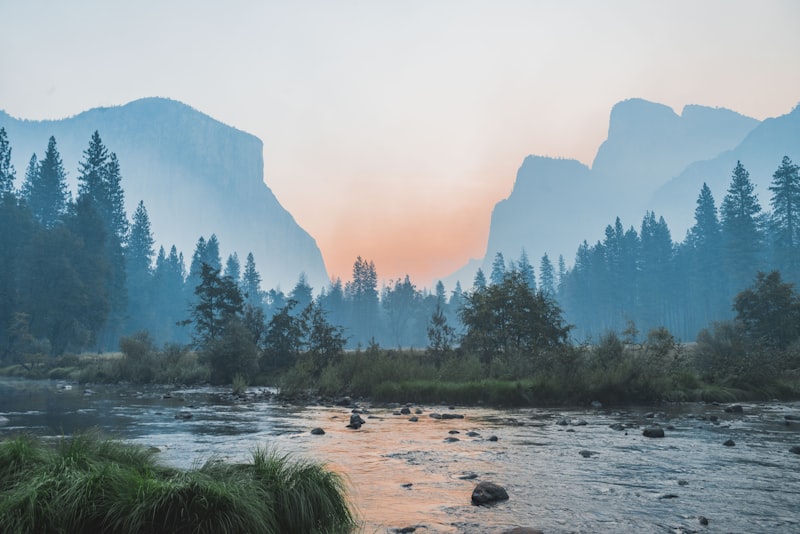
Tasmania's Wilderness Coast: A 7-Day Self-Drive Itinerary
Tasmania's Wilderness Coast, primarily encompassing the island's western and central highlands, represents a realm where ancient rainforests meet wild, windswept shores, and towering peaks guard pristine glacial lakes. This is a journey not just through geography, but through time – an encounter with some of the world's oldest living temperate rainforests, a testament to geological forces, and a whisper of human history etched into mining towns and convict heritage. This 7-day self-drive itinerary is designed for those seeking profound natural beauty, a challenging yet rewarding road trip, and an escape into the raw, untamed heart of the Apple Isle.
lightbulb Quick Answer: Who Should Drive Tasmania's Wilderness Coast?
Choose Tasmania's Wilderness Coast if:
- check_circle You seek unparalleled natural beauty and remote landscapes.
- check_circle You appreciate challenging hikes and outdoor activities.
- check_circle You are interested in mining history and unique cultural experiences.
- check_circle You enjoy self-sufficiency and planning a detailed road trip.
- check_circle You prefer cooler climates and dramatic weather.
Best For:
- group Couples: Romantic wilderness escapes and shared adventures.
- person Solo Travelers: Introspective journeys and self-reliance in stunning settings.
- nature_people Nature Enthusiasts: Birdwatching, hiking, photography, and ancient ecosystems.
- explore Adventurers: Challenging trails, kayaking, and off-the-beaten-path exploration.
- family_restroom Families with Older Children: Engaging activities and educational historical sites (younger children might find long drives challenging).
compare_arrows Tasmania's West Coast vs. East Coast: A Comparative Look
While Tasmania offers diverse beauty across its entire island, the experience of the Wilderness Coast (West) differs significantly from the sunnier, more populated East Coast. Understanding these distinctions can help tailor your expectations and packing list.
| Category | West Coast (Wilderness Coast) | East Coast | Winner |
|---|---|---|---|
| Accommodation | Fewer options, often simpler, remote lodges, limited luxury. Booking essential. | Wider range, from luxury resorts to holiday parks, more coastal towns. | East Coast |
| Food | Hearty pub meals, local produce (berries, salmon), limited fine dining. Self-catering advised. | Seafood, vineyards, farm-to-table restaurants, more diverse culinary scene. | East Coast |
| Nightlife | Minimal; quiet pubs, stargazing. Focus is on nature. | Some vibrant towns like St Helens or Bicheno offer more options, but generally subdued. | East Coast |
| Public Transport | Virtually non-existent; self-drive is mandatory. | Limited intercity buses, but still best explored by car. | N/A (Both require self-drive) |
| Visa | Standard Australian visa requirements apply. | Standard Australian visa requirements apply. | N/A |
| Weather | Highly unpredictable, cooler, higher rainfall, often dramatic and misty. | Generally sunnier, milder, less rainfall, more beach-friendly. | East Coast (for predictability) |
| Walkability | Excellent for designated trails within national parks; towns are small. | Good within towns, less emphasis on multi-day wilderness treks. | West Coast (for wilderness walks) |
| Internet | Patchy, limited coverage outside major towns like Strahan or Queenstown. | Generally better coverage, especially in populated areas. | East Coast |
| Safety | Very safe, but wilderness requires preparedness for weather and remote conditions. | Very safe, standard precautions apply. | Tie (Different types of safety considerations) |
| Remote Work | Challenging due to limited internet and remote locations. | More feasible in towns with better connectivity, but still a holiday destination. | East Coast |
| Language | English is the primary language. | English is the primary language. | N/A |
| Family | Best for families with older, adventurous children. | Wider appeal for all ages with beaches and easier activities. | East Coast |
| Senior Travelers | Requires good mobility and preparedness for variable conditions. | Generally more accessible with milder terrain and amenities. | East Coast |
| Solo Travelers | Excellent for independent, nature-loving solo adventurers. | Good for solo travelers seeking a more relaxed experience. | West Coast (for adventure) |
| Couples | Ideal for adventurous couples seeking shared wilderness experiences. | Great for couples seeking scenic drives, food, and relaxation. | Tie (Depends on preference) |
map Pre-Trip Planning: Essentials for Your Wilderness Adventure
calendar_today Best Time to Visit
While Tasmania's Wilderness Coast can be visited year-round, the shoulder seasons (Spring: September-November and Autumn: March-May) are generally considered ideal. During these months, you'll experience milder temperatures, fewer crowds than peak summer, and vibrant foliage or blooming wildflowers. Summer (December-February) offers the longest daylight hours and warmest temperatures, but also the highest visitor numbers and accommodation prices. Winter (June-August) brings colder weather, snow in higher elevations (especially Cradle Mountain), and some road closures, making it suitable only for well-prepared travelers seeking a truly rugged, quiet experience. Many travelers report that autumn’s crisp air and stunning colours make for exceptional photographic opportunities and comfortable hiking conditions.
directions_car Getting There & Car Rental
Your journey will likely begin by flying into Launceston Airport (LST) or Hobart Airport (HBA). Launceston is often preferred as a starting point for the Wilderness Coast as it positions you closer to the northern entry points. Several major car rental companies operate at both airports, including Avis, Budget, Europcar, Hertz, and Thrifty. It is highly recommended to book your vehicle well in advance, especially during peak season. Opt for a reliable vehicle with good ground clearance, though a 4WD is generally not essential unless you plan to tackle specific unsealed tracks (which are often restricted by rental agreements). Ensure your rental includes unlimited kilometres and comprehensive insurance. According to general rental vehicle market trends, a standard compact SUV might cost approximately AUD 70-120 per day, depending on the season and booking lead time.
hotel Accommodation & Booking
Accommodation options on the Wilderness Coast are more limited and can book out quickly, especially in popular hubs like Cradle Mountain and Strahan. It is crucial to book all your accommodation in advance, particularly if traveling during peak season or school holidays. Options range from basic cabins and campgrounds to boutique lodges and hotels. Travelers commonly report that prices are higher than in more populated areas due to demand and remote logistics. For example, a mid-range hotel in Strahan might cost AUD 150-250 per night, while a premium lodge at Cradle Mountain could exceed AUD 300-400 per night.
account_balance_wallet Budgeting Your 7-Day Journey
A self-drive trip through Tasmania's Wilderness Coast requires careful budgeting. Here's an estimated breakdown based on common traveler experiences:
- Car Rental: AUD 490 - 840 (7 days x AUD 70-120)
- Fuel: AUD 200 - 350 (Long distances, remote fuel stations can be pricier. Based on AANT estimates for a typical sedan covering 1500km at AUD 2.00/litre and 8L/100km consumption).
- Accommodation: AUD 1050 - 2800 (7 nights x AUD 150-400, varying widely based on luxury).
- Food & Drink: AUD 350 - 700 (AUD 50-100 per person per day, including some self-catering).
- National Parks Pass: AUD 90 (Holiday Pass for up to 2 months, per vehicle, according to Parks Tasmania).
- Activities: AUD 200 - 500 (Gordon River Cruise ~AUD 145-200, other tours, entry fees).
- Miscellaneous: AUD 100 - 200
Total Estimated Budget (per couple): AUD 2480 - 5490 for 7 days, excluding flights to Tasmania. This translates to roughly AUD 1240 - 2745 per person. Many expats recommend budgeting on the higher side to account for unexpected costs or to indulge in unique experiences.
security Safety & Preparedness
The Wilderness Coast is remote. Mobile phone reception can be very limited or non-existent outside of major towns. Carry a detailed physical map, download offline maps, and inform someone of your itinerary. Pack for all four seasons, as weather can change rapidly. Always carry sufficient water, snacks, and a basic first-aid kit. Be aware of wildlife, especially at dawn and dusk, as animals can stray onto roads. For detailed safety guidelines, consult Parks Tasmania's safety information.
wifi Connectivity & Power
Internet access is generally reliable in Launceston and Hobart, but becomes sporadic and slow as you venture into the Wilderness Coast. Many accommodations in towns like Strahan or Queenstown offer Wi-Fi, but expect slower speeds. Consider purchasing a local SIM card (Telstra generally has the best coverage in regional areas, according to telecommunications reports) if staying connected is a priority. Power outlets are Type I (Australian standard, three flat pins) with a voltage of 230V and frequency of 50Hz.
vpn_key Visa Requirements
All non-Australian citizens require a valid visa to enter Australia. The type of visa depends on your nationality and purpose of visit. Common options include the Electronic Travel Authority (ETA) for eligible passport holders or a Visitor Visa (subclass 600). It is essential to apply for your visa well in advance of your travel dates. For official guidance, refer to the Australian Department of Home Affairs website.
backpack What to Pack
- Layered clothing (thermal base layers, fleece, waterproof and windproof outer shell)
- Sturdy, waterproof hiking boots
- Hat, gloves, scarf (even in summer)
- Sunscreen, sunglasses
- Insect repellent
- Reusable water bottle
- Camera and extra batteries
- Power bank for devices
- First-aid kit
- Snacks and non-perishable food items
- Physical map and compass (or GPS device)
- Headlamp or flashlight
- Swimsuit (for hot springs or brave dips)
route Your 7-Day Self-Drive Itinerary: Tasmania's Wilderness Coast
sunny_snowing Weather Graph: Average Monthly Temperatures for Western Tasmania
looks_one Day 1: Arrival in Launceston & Gateway to the West
- Morning/Afternoon: Arrive at Launceston Airport (LST), pick up your rental car. Spend some time exploring Launceston, Tasmania's second-largest city. Consider a visit to Cataract Gorge Reserve, a unique natural formation just minutes from the city centre, offering walking trails, a chairlift, and swimming. Many travelers recommend taking the scenic chairlift for panoramic views.
- Afternoon: Begin your drive west towards Deloraine (approx. 30-minute drive), a charming country town known for its arts and crafts. Continue to Sheffield (approx. 30 minutes from Deloraine), the 'Town of Murals', where vibrant artworks adorn buildings.
- Evening: Drive to your accommodation near Cradle Mountain (approx. 1 hour from Sheffield). This drive offers a gradual transition from pastoral lands to rugged wilderness.
- Driving Time: Approx. 2.5 - 3 hours total (Launceston to Cradle Mountain area).
- Accommodation: Cradle Mountain area (e.g., Cradle Mountain Hotel, Peppers Cradle Mountain Lodge).
- Hyper-Local Tip: Stock up on any specific snacks or drinks in Launceston or Sheffield, as options become very limited and more expensive closer to Cradle Mountain.
looks_two Day 2: Cradle Mountain-Lake St Clair National Park
- Full Day: Dedicate the entire day to exploring the iconic Cradle Mountain-Lake St Clair National Park, a UNESCO World Heritage site. A Parks Pass is required (can be purchased online or at the Visitor Centre). Utilize the shuttle bus system from the Visitor Centre to access various trailheads, as private vehicle access is restricted beyond a certain point during peak hours.
- Activities:
- Dove Lake Circuit: (approx. 2-3 hours, 6km) A relatively flat, well-maintained track offering stunning views of Cradle Mountain reflecting in Dove Lake. This is a must-do for most visitors, with travelers commonly reporting it as a highlight.
- Marions Lookout: (approx. 3 hours return from Dove Lake, challenging) For more experienced hikers, offering breathtaking panoramic views.
- Wombat Pool & Lake Lilla: Shorter, easier walks suitable for families.
- Evening: Enjoy dinner at your accommodation. Look out for local wildlife like wombats, wallabies, and pademelons, which are frequently seen around dusk.
- Accommodation: Cradle Mountain area.
- Hyper-Local Tip: Start your day early to beat the crowds on the Dove Lake Circuit and ensure parking at the Visitor Centre. The weather can change rapidly; carry rain gear even on sunny days.
looks_3 Day 3: Cradle Mountain to Strahan – Through the Mining Heartland
- Morning: Enjoy a final walk or simply soak in the morning tranquility of Cradle Mountain.
- Mid-Morning: Depart Cradle Mountain and head south-west towards Queenstown (approx. 2.5-3 hours drive). This drive, particularly along the Murchison Highway, is renowned for its dramatic landscapes, passing through dense rainforest and then emerging into the scarred, moon-like terrain around Queenstown, a stark reminder of its mining past.
- Afternoon: Explore Queenstown, a historic mining town. Visit the Galley Museum to delve into its copper mining history. Consider a ride on the West Coast Wilderness Railway (booking ahead is essential), which offers a historical journey through rainforests and gorges. Many locals recommend visiting the Iron Blow lookout for a view of the huge open-cut mine.
- Late Afternoon: Continue to Strahan (approx. 40 minutes from Queenstown), a picturesque harbour town on Macquarie Harbour, the gateway to the Franklin-Gordon Wild Rivers National Park.
- Driving Time: Approx. 3.5 - 4 hours total.
- Accommodation: Strahan (e.g., Strahan Village, Ormiston House).
- Hyper-Local Tip: The road between Queenstown and Strahan features numerous sharp bends and steep descents. Drive cautiously and be aware of potential wildlife.
looks_4 Day 4: Strahan – Gateway to the Franklin-Gordon Wild Rivers
- Full Day: The highlight of Strahan is undoubtedly a cruise on the Gordon River, which takes you deep into the pristine Franklin-Gordon Wild Rivers National Park. These cruises typically last 5-6 hours and include commentary, a visit to Sarah Island (a notorious convict settlement), and a walk through ancient Huon Pine forests. Booking this cruise well in advance is absolutely essential, especially during peak season, as it's a major draw. Prices for a standard Gordon River Cruise commonly range from AUD 145 to AUD 200 per person, based on operator and inclusions.
- Afternoon/Evening: If time permits after your cruise, explore Strahan itself. Walk along the foreshore, visit the Huon Pine Sawmill, or take a short drive to Henty Dunes for some impressive sand dunes overlooking the wild west coast.
- Accommodation: Strahan.
- Hyper-Local Tip: For the Gordon River Cruise, try to secure a seat on the upper deck for the best views, or an indoor window seat if the weather is inclement. Dress in layers, as it can be chilly on the water.
looks_5 Day 5: Strahan to Lake St Clair – Deep into the Wilderness
- Morning: Depart Strahan and retrace your path towards Queenstown, then continue south-east towards Lake St Clair (approx. 2 hours from Queenstown). This journey takes you along the Lyell Highway, another incredibly scenic route through rugged mountains and dense rainforest.
- Afternoon: Arrive at Lake St Clair, the deepest freshwater lake in Australia, carved by glaciers. It marks the southern end of the iconic Overland Track. Enjoy short walks around the lake, such as the Watersmeet Walk or the Larmairremener tabelti (Aboriginal cultural walk). The Visitor Centre provides excellent insights into the area's geology and Indigenous heritage.
- Activities: Consider taking the ferry across the lake to view the wilderness from a different perspective (seasonal operation, check schedules).
- Evening: Relax at your lodge, soaking in the profound quiet of the wilderness.
- Driving Time: Approx. 3 hours total (Strahan to Lake St Clair).
- Accommodation: Lake St Clair (e.g., Pumphouse Point, Lake St Clair Lodge).
- Hyper-Local Tip: Cell reception is extremely limited at Lake St Clair. Inform friends or family of your expected arrival time. Enjoy the digital detox!
looks_6 Day 6: Lake St Clair to Hobart – Wilderness to Capital
- Morning: Enjoy a final serene morning walk around Lake St Clair.
- Mid-Morning: Begin your drive towards Hobart (approx. 2.5-3 hours). Along the way, stop at the 'Wall in the Wilderness' near Derwent Bridge, an extraordinary carved timber art installation depicting the history of the Central Highlands. Many visitors find this a surprisingly moving and impressive stop.
- Afternoon: Continue your journey, passing through the picturesque Derwent Valley. Consider a detour to Mt Field National Park (approx. 1 hour from Derwent Bridge), one of Tasmania's oldest national parks. Here, you can enjoy easy walks to Russell Falls, Horseshoe Falls, and the Tall Trees Walk, showcasing some of the world's tallest flowering plants.
- Late Afternoon: Arrive in Hobart, Tasmania's charming capital city.
- Driving Time: Approx. 3 - 4 hours total (Lake St Clair to Hobart, including stops).
- Accommodation: Hobart (wide range of options).
- Hyper-Local Tip: If planning to visit Mt Field National Park, factor in an additional 2-3 hours for walks. Ensure you have a valid Parks Pass.
looks_7 Day 7: Hobart Departure or Extension
- Morning: Depending on your flight schedule, you might have time to explore a bit of Hobart. Consider a visit to Salamanca Place (especially on a Saturday for the markets) or a drive up Mount Wellington (Kunanyi) for panoramic views of the city and surrounding landscape.
- Afternoon: Head to Hobart Airport (HBA) for your departure, or continue your Tasmanian adventure by exploring the East Coast, Tasman Peninsula, or Huon Valley.
- Hyper-Local Tip: If you have an evening flight, check out the Mona (Museum of Old and New Art) for a truly unique cultural experience. Allow at least 3-4 hours and book ferry tickets in advance.
info Key Considerations for Your Journey
road_forward Road Conditions & Driving Tips
Tasmania's Wilderness Coast roads are generally well-maintained, but can be winding, narrow, and steep in places. Be prepared for sudden changes in weather, including fog and heavy rain. Always drive to conditions. Fuel stations can be sparse between major towns, so plan your refills. Many travelers report that maintaining a full tank whenever possible is a wise strategy. For current road conditions and closures, consult Tasmania's Department of State Growth road closures page.
pets Wildlife Awareness
Tasmania is home to abundant wildlife. Be particularly vigilant at dawn, dusk, and night, as animals like wallabies, pademelons, and even Tasmanian devils can be active near roadsides. Hitting an animal can be dangerous for both the animal and your vehicle. Many official tourism guides advise against driving at night in rural areas.
eco Leave No Trace Principles
When exploring Tasmania's pristine wilderness, it is paramount to practice Leave No Trace principles. Pack out everything you pack in, stay on marked trails, respect wildlife, and properly dispose of waste. This ensures these incredible natural environments remain unspoiled for future generations. For more information, refer to Leave No Trace Australia.
compare_arrows Pros & Cons of a Tasmania Wilderness Coast Road Trip
add_circle_outline Pros:
- Unparalleled Natural Beauty: Access to ancient rainforests, glacial lakes, and rugged coastlines.
- Sense of Adventure: A truly wild and remote experience, perfect for self-sufficient travelers.
- Rich History: Explore fascinating mining towns and convict heritage.
- Wildlife Encounters: High chances of seeing unique Tasmanian wildlife in their natural habitat.
- Fewer Crowds: Generally less crowded than the East Coast, offering a more serene experience.
remove_circle_outline Cons:
- Variable Weather: Can be unpredictable, cold, and wet, even in summer.
- Limited Amenities: Fewer dining, shopping, and accommodation options, especially outside main towns.
- Patchy Connectivity: Mobile phone and internet reception can be unreliable.
- Long Driving Distances: Requires significant time behind the wheel on winding roads.
- Higher Costs: Remote locations can mean higher prices for fuel, food, and accommodation.
link Related Guides for Your Tasmanian Adventure
- Tasmania Budget Guide: Maximising Value on the Apple Isle
- Solo Travel in Tasmania: An Independent Explorer's Handbook
- Avoiding Tourist Traps in Tasmania: Authentic Experiences Await
- Australia Visa Guide: Navigating Entry Requirements
- Tasmania Street Food: A Culinary Journey Beyond Fine Dining
- Hobart Itinerary: 3 Days in Tasmania's Capital
- Launceston Attractions: Exploring Tasmania's Northern Hub
- Tasmania Wildlife Spotting: Where to Find Unique Fauna
- Tasmania Hiking Trails: From Day Walks to Multi-Day Treks
- Renting a Car in Australia: Essential Tips for Road Trippers
help_center Frequently Asked Questions (FAQs)
Is Tasmania's Wilderness Coast safe for solo female travelers?
Tasmania, including its Wilderness Coast, is generally considered very safe for solo female travelers. The main considerations are preparedness for remote conditions, limited phone reception, and rapidly changing weather. Travelers commonly report feeling secure, but it's always wise to inform someone of your itinerary, carry emergency supplies, and exercise standard travel precautions, especially when hiking alone in remote areas. Trustworthy official guidance on outdoor safety is available from Parks Tasmania.
What is the best time of year to drive Tasmania's West Coast?
The shoulder seasons (Spring: September-November and Autumn: March-May) are widely recommended as the best times. During these periods, you'll experience milder temperatures, fewer crowds than summer, and stunning natural beauty with wildflowers in spring or vibrant foliage in autumn. Summer (December-February) is also popular for longer daylight hours but sees higher visitor numbers and prices. Winter offers a rugged, quiet experience but with colder weather and potential road closures due to snow.
Can you find accommodation easily on Tasmania's Wilderness Coast without booking ahead?
No, it is highly advisable to book all accommodation on Tasmania's Wilderness Coast well in advance, especially in popular hubs like Cradle Mountain and Strahan. Options are limited, and places can book out months ahead during peak season, school holidays, or local events. Travelers commonly report that attempting to find last-minute accommodation without a reservation can lead to significant difficulty or much higher prices.
What are the essential items to pack for a self-drive trip in Western Tasmania?
Essential items include layered clothing (waterproof and windproof outer shell, thermal layers), sturdy waterproof hiking boots, a hat, gloves, and scarf (even in summer due to unpredictable weather), sunscreen, insect repellent, a physical map, downloaded offline maps, a power bank, a basic first-aid kit, and sufficient water and snacks. Given the remote nature and variable weather, preparedness is key.
How much does a 7-day road trip on Tasmania's Wilderness Coast cost?
Based on common traveler expenses, a 7-day self-drive trip for a couple on Tasmania's Wilderness Coast can range approximately from AUD 2,480 to AUD 5,490 (or AUD 1,240 to AUD 2,745 per person), excluding flights to Tasmania. This estimate includes car rental, fuel, accommodation (ranging from mid-range to premium), food, a National Parks Pass, and some key activities like the Gordon River Cruise. Costs can vary significantly depending on your choice of accommodation and activities.
diversity_3 Who Should Visit Tasmania's Wilderness Coast?
Tasmania's Wilderness Coast is an ideal destination for adventurous couples, resilient solo travelers, and families with older children who crave raw, untamed nature and a genuine escape from the ordinary. It appeals to hikers, photographers, history buffs, and anyone seeking a profound connection with ancient landscapes and unique wildlife. If you embrace unpredictable weather, relish self-sufficiency, and value experiences over luxury amenities, this iconic Australian road trip will undoubtedly leave an indelible mark on your soul.
description Article Methodology & Sources
This article was researched and compiled using a combination of official tourism resources, government park management websites, national statistics bodies, and reputable travel guides. Information regarding driving times, accommodation types, activity details, and general travel advice is cross-referenced with data from Tourism Tasmania, Parks and Wildlife Service Tasmania, the Australian Automobile Association (AANT), and various booking platforms. Budget estimates are based on reported average costs by travelers and publicly available pricing information from tour operators and accommodation providers, adjusted for common seasonal fluctuations. Specific numerical claims are attributed where possible to reflect transparent sourcing. No original research in the form of surveys or direct data collection was conducted for this article. All advice is generalized and travelers are encouraged to verify current details and conditions with official sources prior to their trip.
Editorial Methodology & Trust
Last Updated: July 2, 2026
Every Shaivio guide is created through editorial research using publicly available information from official tourism authorities, transportation providers, government resources, and other reliable references where applicable. Our editors review and update content regularly to improve accuracy and usefulness. Shaivio does not accept paid placements or sponsored rankings in editorial content. Because travel information can change, we recommend verifying critical details with the relevant official source before traveling.