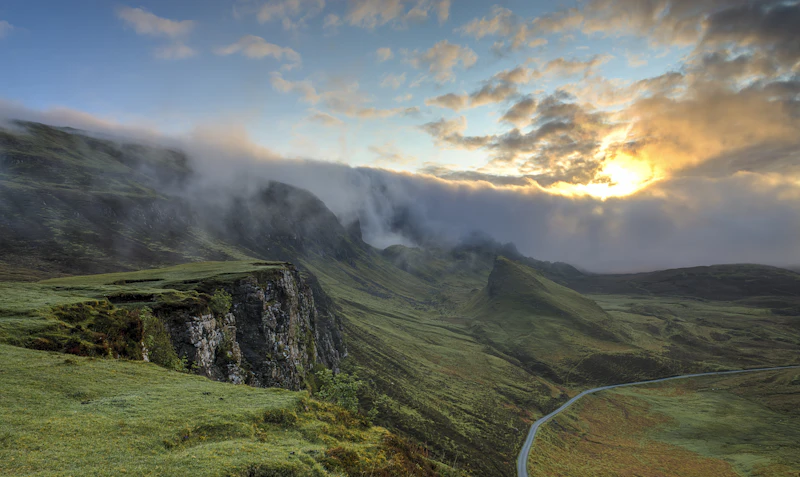
Myth vs. Reality: Understanding Cape Town's Complex Landscape
Before landing at Cape Town International Airport, many travelers are confronted with conflicting narratives. Some paint the Mother City as an untouched coastal paradise, while others warn of extreme safety hazards. Navigating Cape Town successfully requires discarding these polarizing myths in favor of nuanced, data-driven realities.
- Myth: Cape Town is too dangerous for independent travelers.
- Reality: While South Africa faces high crime rates, official statistics from the South African Police Service (SAPS) indicate that violent crime is heavily concentrated in non-tourist residential suburbs and townships far from the tourist hubs. The City Bowl, Atlantic Seaboard, and V&A Waterfront are heavily policed by private security and the Cape Town Central City Improvement District (CCID). Opportunistic petty crime (pickpocketing and vehicle break-ins) remains the primary threat in tourist zones.
- Myth: Public transport is nonexistent or entirely unsafe.
- Reality: While the metropolitan rail network is largely non-functional for tourists, the MyCiTi Bus rapid transit system is highly reliable, modern, and safe, particularly along the City Bowl, Atlantic Seaboard, and Table View routes. Furthermore, ride-hailing services like Uber operate with high efficiency and low costs across the city.
- Myth: You can see all the major sights in two or three days.
- Reality: Cape Town's geography is highly fragmented. Table Mountain acts as a massive physical barrier separating the City Bowl from the Atlantic Seaboard and the Southern Suburbs. Traveling between these areas takes time, and coastal microclimates can cause sudden closures of key attractions like the Table Mountain Aerial Cableway. A minimum of five days is required to experience the city without feeling rushed.
Quick Answer: Is Cape Town Right for You?
To help determine if this destination matches your travel style, consider this quick-reference guide:
Choose Cape Town if:
✓ You crave dramatic natural landscapes where mountains drop directly into two colliding oceans.
✓ You want world-class culinary experiences and award-winning wine tastings at a fraction of European or North American prices.
✓ You are eager to engage with complex, multi-layered history, from colonial maritime trade to the struggles against Apartheid.
Avoid Cape Town if:
✗ You demand seamless, highly walkable cities with unified, comprehensive underground metro systems.
✗ You are uncomfortable exercising constant situational awareness regarding personal safety and socio-economic disparities.
Best For: Nature Enthusiasts, Couples, Wine Lovers, Solo Travelers (with precautions), and Families with older children.
Cape Town vs. Johannesburg: A Comparative Analysis
First-time visitors to South Africa often debate how to split their time between the country's two primary gateways. Below is a detailed comparison based on visitor metrics, safety indexes from Numbeo, and local municipal reports.
| Category | Cape Town | Johannesburg | Winner |
|---|---|---|---|
| Accommodation | Higher average rates, particularly on the Atlantic Seaboard during peak summer (December-February). | More affordable luxury hotels and boutique guesthouses catering to business travelers. | Johannesburg |
| Food | Exceptional seafood, coastal dining, and world-renowned Winelands estate restaurants. | A highly dynamic, diverse pan-African and international culinary scene with exceptional beef. | Cape Town |
| Nightlife | Sophisticated beach clubs, rooftop bars, and boutique cocktail lounges in the City Bowl. | Gritty, high-energy jazz clubs, underground dance venues, and trendy multi-story bars in Rosebank and Melville. | Tie |
| Public Transport | Reliable MyCiTi Bus system in core tourist corridors; highly affordable Uber network. | Gautrain offers fast, world-class airport-to-city transit, but local bus networks are limited. | Cape Town |
| Visa | Identical national policy (90-day visa-free entry for many Western nationalities). | Identical national policy. | Tie |
| Weather | Mediterranean climate with hot, dry summers and wet, cool winters. Infamous for high winds (the "Cape Doctor"). | Subtropical highland climate with year-round sunshine and dramatic, brief summer afternoon thunderstorms. | Johannesburg |
| Walkability | Highly walkable along the Sea Point Promenade and V&A Waterfront; less walkable between neighborhoods. | Very low walkability outside of specific gated commercial precincts like Rosebank or Sandton. | Cape Town |
| Internet | Excellent fiber connectivity in hotels/Airbnbs; widespread 4G/5G mobile coverage. | Equally excellent fiber and highly advanced 5G infrastructure. | Tie |
| Safety | Higher safety index in tourist zones; heavy visible policing in commercial areas. | Lower safety index; requires strict adherence to secure transport and gated precincts. | Cape Town |
| Remote Work | Highly popular digital nomad hub with numerous co-working spaces and coastal cafes. | Strong business infrastructure but less catered to lifestyle-oriented remote workers. | Cape Town |
| Language | English is universally used in commerce, alongside Afrikaans and isiXhosa. | Highly multilingual hub with English, isiZulu, Sesotho, and Afrikaans widely spoken. | Tie |
| Family | Endless outdoor activities, beaches, penguins, and interactive museums. | Theme parks, zoos, and cultural villages, but fewer natural outdoor spaces. | Cape Town |
| Senior Travelers | Highly accessible major sights (Table Mountain Cableway, Kirstenbosch paved pathways). | Requires more vehicle-based touring; less scenic walking options. | Cape Town |
| Solo Travelers | Easy to meet people in hostels, surf schools, and co-working spaces. | Harder to navigate solo without local guidance or private transport. | Cape Town |
| Couples | Incredibly romantic coastal drives, sunset spots, and vineyard dining. | Excellent high-end dining, but lacks the scenic romance of the Cape. | Cape Town |
The Ultimate 5-Day Cape Town Itinerary
Day 1: The Iconic City Bowl & Table Mountain
Begin your exploration in the geographic and historical heart of the city: the City Bowl. This natural amphitheater is bordered by Table Mountain, Signal Hill, Lions Head, and Devil's Peak.
Morning: Table Mountain Aerial Cableway
According to Table Mountain Aerial Cableway Company guidelines, the weather on the mountain can change rapidly. Always check the live status online before departing. If the cableway is open, head there immediately to avoid afternoon wind closures.
Take an Uber or the MyCiTi Bus (Route 110) to the Lower Cableway Station. Purchase a return ticket online in advance (typically around ZAR 400 to ZAR 450 depending on peak morning or afternoon slots) to bypass the primary ticket queue. The state-of-the-art cable cars rotate 360 degrees during the five-minute ascent, offering panoramic views of the city and the Atlantic Ocean. At the summit, walk the 1.5-kilometer Dassie Walk trail to observe the unique fynbos vegetation and the rock hyraxes (locally known as "dassies") that inhabit the rocky plateau.
Midday: Bo-Kaap and The Company's Garden
Descend the mountain and take a short taxi ride to the Bo-Kaap neighborhood, formerly known as the Malay Quarter. This historic enclave is characterized by its brightly painted 18th-century houses and cobblestone streets. The area is home to the Cape Malay community, descendants of enslaved people brought by the Dutch East India Company (VOC) from Malaysia, Indonesia, and East Africa. Respect local privacy by not photographing residents directly or blocking doorways. Stop at a local cafe to try traditional Cape Malay street food like samosas, chili bites, and koesisters (spiced, coconut-dusted donuts).
From Bo-Kaap, walk ten minutes to the Company's Garden, established in the 1650s by the VOC to grow fresh produce for passing ships. Today, it is a leafy urban park home to the South African Museum, the National Gallery, and the historic Iziko Slave Lodge, which documents the profound history of forced labor in the early Cape colony.
Late Afternoon & Evening: V&A Waterfront
Head north to the Victoria & Alfred (V&A) Waterfront, South Africa's most visited tourist destination. While highly commercialized, it offers a secure, walkable environment with spectacular views of Table Mountain. Walk along the harbor to spot Cape fur seals basking on the wooden jetties. For dinner, avoid the generic chain restaurants and opt for upscale, innovative dining at places like FYN (a short drive back into the city for multi-course African-Japanese fusion) or Waterside located within the Waterfront precinct.
Day 2: The Cape Peninsula Loop
This day requires renting a car or booking a private guide to navigate one of the world's most spectacular coastal road trips. Ensure you depart by 8:00 AM to avoid local commuter traffic.
Morning: Hout Bay & Chapman's Peak Drive
Drive south from the city along the Atlantic Seaboard, passing through the affluent suburbs of Clifton and Camps Bay. Your first stop is Hout Bay, a bustling fishing harbor surrounded by steep mountains. From Hout Bay, the road transitions directly into Chapman's Peak Drive. Known locally as "Chappies," this 9-kilometer toll road (costing approximately ZAR 61 per light vehicle, according to the Western Cape Government transport portal) features 114 curves carved directly into the sheer cliff face. There are numerous designated pull-offs where you can safely park to photograph the dramatic drop into the Atlantic Ocean below.
Midday: Cape Point & Cape of Good Hope
Continue south through Noordhoek and enter the Cape of Good Hope section of the Table Mountain National Park, managed by South African National Parks (SANParks). The international conservation entry fee is approximately ZAR 400 per adult. Drive first to the Cape of Good Hope, the southwesternmost point of the African continent. Afterward, head to Cape Point and either hike up the steep path or ride the Flying Dutchman Funicular to the historic lighthouse built in 1859. The panoramic views of False Bay are spectacular, but be highly cautious of the local Chacma baboons in the parking areas; they are aggressive and highly skilled at opening unlocked car doors to steal food.
Afternoon: Boulders Beach & Simon's Town
Exit the park and drive north along the warmer False Bay coast to Simon's Town, a historic naval base. Stop at Boulders Beach, home to a land-based colony of endangered African Penguins. The SANParks entry fee (approximately ZAR 190 for international visitors) grants access to wooden boardwalks that wind through the nesting sites and lead down to Foxy Beach, where you can stand within meters of the birds. Do not attempt to touch or feed the penguins; their beaks are razor-sharp and they are highly protective of their nests.
Evening: Kalk Bay
Conclude your loop with a stop in Kalk Bay, a bohemian fishing village. Walk along the active harbor wall to watch traditional wooden fishing boats land their daily catch of snoek and yellowtail. Dine on incredibly fresh, unpretentious fish and chips at Kalky's directly on the quay, or enjoy a more refined meal at Brass Bell, where the dining room windows are routinely sprayed by breaking ocean waves.
Day 3: The Cape Winelands (Stellenbosch & Franschhoek)
Located just 45 minutes east of Cape Town, the Winelands feature historic Cape Dutch architecture, dramatic mountain backdrops, and some of the world's oldest vine stocks outside of Europe.
Morning: Historic Stellenbosch
Drive to Stellenbosch, South Africa's second-oldest European settlement, founded in 1679. The town center is highly walkable, characterized by towering oak trees and pristine white Cape Dutch facades along Dorp Street and Ryneveld Street. Visit the Stellenbosch Village Museum to tour four restored homes dating from 1709 to 1850, illustrating the evolution of early colonial life. For a deeper understanding of the region's agricultural history, read our comprehensive Stellenbosch wine guide.
Midday: The Franschhoek Wine Tram
Drive 25 minutes further east into the deep mountain valley of Franschhoek, originally settled by French Huguenot refugees in 1688. The most efficient and responsible way to experience the local vineyards without driving is to book tickets for the Franschhoek Wine Tram. This open-air double-decker tram and open-sided tram-bus system operates along several color-coded lines, allowing you to hop on and off at historic estates such as Grande Provence, Rickety Bridge, and Boschendal. Wine tastings typically cost between ZAR 80 and ZAR 150 per estate, offering exceptional value compared to European counterparts.
Late Afternoon: Delaire Graff Estate
Before returning to Cape Town, drive up the Helshoogte Pass and stop at the ultra-luxury Delaire Graff Estate. Even if you do not do a tasting, the estate's manicured gardens, extensive private contemporary South African art collection (featuring works by Lionel Smit and Vladimir Tretchikoff), and sweeping views of the Banhoek Valley are well worth a visit.
Day 4: Robben Island & Kirstenbosch Botanical Gardens
This day contrasts the somber, profound history of South Africa's political struggle with the breathtaking, tranquil beauty of its unique botanical heritage.
Morning: Robben Island Museum
Pre-booking tickets online via the Robben Island Museum portal is mandatory weeks in advance, as tours sell out rapidly. Ferries depart from the Nelson Mandela Gateway at the V&A Waterfront. The round-trip excursion takes approximately 3.5 to 4 hours.
The island served as a maximum-security prison during the Apartheid era, housing prominent political prisoners including Nelson Mandela, Walter Sisulu, and Robert Sobukwe. Upon arrival, visitors are guided through the prison blocks by former political prisoners, offering an invaluable, deeply personal perspective on the harsh conditions and the resilience of the anti-Apartheid movement. You will view Nelson Mandela's small, cell number 7 in B-Section, and visit the lime quarry where prisoners were subjected to hard labor.
Afternoon: Kirstenbosch National Botanical Garden
After returning to the mainland, grab a quick lunch at the Waterfront and take a 15-minute Uber to the eastern slopes of Table Mountain to visit Kirstenbosch. Established in 1913, this is widely regarded as one of the world's premier botanical gardens, dedicated almost exclusively to the preservation of indigenous African flora.
The garden's highlight is the Centenary Tree Canopy Walkway, affectionately known as the "Boomslang" (tree snake). This steel-and-timber bridge winds 130 meters through the forest canopy, offering panoramic views of the Cape Flats and the surrounding mountain buttresses. Kirstenbosch is also the starting point for several popular hiking routes up the back of Table Mountain, including Skeleton Gorge. For more information on navigating these trails safely, consult our specialized Cape Town public transport and hiking safety guide.
Day 5: The Atlantic Seaboard & Camps Bay Sunset
Spend your final day enjoying the relaxed, outdoor lifestyle that defines Cape Town's coastal culture.
Morning: Sea Point Promenade & Green Point Park
Join the locals for an early morning walk along the Sea Point Promenade, a paved coastal pathway stretching for several kilometers along the Atlantic edge. Stop for a flat white coffee at one of the mobile coffee carts and watch waves crash against the rocky shoreline. Walk inland slightly to visit Green Point Biodiversity Park, a beautifully landscaped public park highlighting local wetland ecosystems and indigenous plants.
Midday: Camps Bay Beach & Clifton Cove
Head south to Clifton, which features four secluded, wind-sheltered beaches separated by massive granite boulders. Accessing Clifton 1st, 2nd, 3rd, or 4th beach requires walking down steep flights of concrete stairs from Victoria Road. The sand is incredibly fine and white, though the Atlantic water temperature rarely rises above a chilly 14°C (57°F) due to Benguela Current upwelling. Afterward, walk or take a short Uber to the adjacent Camps Bay beach, a wide, palm-fringed strip of sand bordered by the dramatic peaks of the Twelve Apostles mountain range. Have lunch at one of the trendy cafes lining the strip.
Late Afternoon: Lion's Head Hike or Signal Hill Sunset
For active travelers, hiking up Lion's Head is a quintessential Cape Town experience. The 3.2-kilometer loop trail spiraling up the peak takes approximately 2 to 3 hours round-trip. It includes a few steep sections equipped with metal chains and ladders (which can be bypassed via a longer walking path). The summit offers unmatched 360-degree views of the City Bowl, Table Mountain, and the Atlantic coastline. If you prefer a less strenuous sunset experience, take an Uber directly to the top of Signal Hill, park, and enjoy a picnic as the city lights begin to twinkle below.
Essential Cape Town Travel Directory
To help plan your logistics, here is a consolidated directory of essential travel details, structured for easy reference.
Pros & Cons
Pros:
- Spectacular natural beauty and unique biodiversity.
- Extremely favorable exchange rate for foreign currencies.
- World-class gastronomy and viniculture.
- High-quality, secure tourist hubs (V&A Waterfront, Atlantic Seaboard).
Cons:
- High economic disparity and visible homelessness.
- Public rail transport is largely unsafe/unreliable.
- Extreme wind conditions can disrupt cableway and ferry schedules.
- Requires continuous vigilance regarding personal safety and belongings.
Best Time to Visit
The ideal time to visit Cape Town is during the dry summer months from November to March, when temperatures average 25°C to 28°C (77°F to 82°F). However, this is also the windiest period, and the city becomes highly crowded during the local school holidays from mid-December to mid-January. The shoulder seasons of April to May (autumn) and September to October (spring) offer pleasant weather, lower accommodation rates, and less wind.
Budget Breakdown
According to cost-of-living data compiled by Numbeo, Cape Town offers an exceptionally high quality of life at a moderate cost for international visitors. Below is a realistic mid-range daily budget per person:
- Accommodation (Mid-range boutique hotel/Airbnb): ZAR 1,200 - ZAR 2,500 per night.
- Meals (Casual cafes to mid-range dinners): ZAR 400 - ZAR 800 per day.
- Transport (Uber and MyCiTi bus): ZAR 150 - ZAR 300 per day.
- Activities (Attraction entry fees): ZAR 300 - ZAR 600 per day.
Safety Guidelines
While exploring, adhere to these non-negotiable safety practices recommended by Cape Town Tourism and local authorities:
- Never walk alone at night: Even in well-lit, busy areas of the City Bowl or Sea Point, always use Uber after dark.
- Keep valuables out of sight: Do not walk around with your mobile phone in your hand or a camera hanging loosely around your neck. Keep them zipped in a daypack.
- Secure your rental car: Never leave bags, jackets, or electronic chargers visible on the seats of your parked car. Always lock them in the trunk (boot).
- Hiking safety: Never hike Table Mountain or Lion's Head alone. Always hike in groups of three or more, stick to marked trails, and carry a fully charged phone with emergency numbers saved. Do not carry large sums of cash or expensive jewelry on hikes.
Visa Requirements
Passport holders from the USA, Canada, UK, EU, Australia, and New Zealand are generally granted a 90-day visa-free entry sticker upon arrival for tourism purposes. Ensure your passport is valid for at least 30 days beyond your intended departure date and has at least two blank facing pages. For full, up-to-date regulations, consult our Cape Town visa guide or the South African Department of Home Affairs.
Weather & Climate
Cape Town has a Mediterranean climate. Winters (June to August) are cool and wet, with temperatures ranging from 8°C to 18°C (46°F to 64°F). Summers (December to February) are warm and dry, with temperatures frequently exceeding 30°C (86°F). The city is prone to microclimates; it can be sunny and calm in Clifton while simultaneously cold, windy, and foggy on the other side of the mountain at Kirstenbosch.
Currency
The currency is the South African Rand (ZAR). Credit and debit cards (Visa and Mastercard) are universally accepted in almost all establishments, including taxis and street food markets. Carrying a small amount of cash (ZAR 200 - ZAR 500) is useful for tipping parking marshals and buying small crafts.
Transport Options
Choosing how to get around depends on your comfort level and itinerary requirements.
- Uber: Highly recommended for point-to-point travel within the city. It is safe, cheap, and eliminates parking hassles.
- MyCiTi Bus: Excellent for traveling along the Atlantic Seaboard and City Bowl. You must purchase a Myconnect card at a station before boarding; cash is not accepted on buses.
- Car Rental: Essential for exploring the Cape Peninsula and Winelands independently. Remember that South Africans drive on the left side of the road.
Duration
While you can see the absolute highlights in 3 days, 5 days is the optimal duration for a first-time visitor. This allows buffer time in case bad weather closes the Table Mountain Cableway or the Robben Island ferry.
Internet & Connectivity
Most hotels, guesthouses, and restaurants offer free, high-speed Wi-Fi. For mobile data, you can purchase an eSIM online before arrival via providers like Airalo or Holafly, or buy a local physical SIM card (Vodacom or MTN are the largest networks with the best coverage) at Cape Town International Airport. Be prepared to present your passport for registration under the local RICA law.
Power Plug & Voltage
South Africa primarily uses the Type M three-prong round plug, although the newer, slim Type N plug is increasingly common. The standard voltage is 230V and the frequency is 50Hz. Carry a universal adapter that specifically includes a Type M option, as standard multi-country adapters often exclude this unique plug type.
Emergency Numbers
Save these critical numbers to your phone before arriving:
- National Police Emergency: 10111
- Cellular Phone Emergency (Universal): 112
- Cape Town Central City Improvement District (CCID) Security: +27 (0)21 426 1226
- Table Mountain National Park Emergency: +27 (0)86 110 6417
Hyper-Local Insights: How to Avoid Tourist Traps
To experience Cape Town like a local and avoid common tourist pitfalls, keep these insider tips in mind:
- The Table Mountain "Tablecloth": Do not wait until your last day to visit Table Mountain. If the sky is clear and the wind is low, go immediately. When the southeasterly wind blows, it pushes moist air up the mountain slopes, creating a dense, flat cloud layer known as the "tablecloth" which completely obscures all views and forces the cableway to close.
- Official Parking Marshals vs. Scammers: In Cape Town, street parking is managed by official parking marshals wearing high-visibility vests. They will carry a handheld ticket machine and charge you per hour. In non-metered areas, you will encounter informal "car guards" who offer to watch your car while you shop or dine. It is customary to tip them ZAR 5 to ZAR 10 upon your return, but only if your car is undamaged. Never pay them in advance.
- Avoid the Waterfront Dining Trap: While the V&A Waterfront has excellent restaurants, avoid the generic establishments directly on the main tourist plazas. Instead, seek out smaller, highly rated independent restaurants in neighborhoods like Gardens, Tamboerskloof, and Green Point. Read our Cape Town street food guide for authentic local dining options.
- Snoek and Yellowtail: When ordering fish and chips, skip the standard hake and try local, sustainably caught linefish like Snoek (a flavorful, bony local delicacy) or Yellowtail.
- Camps Bay is Windy: Camps Bay is notoriously exposed to the summer southeasterly wind. If you want a beach day but the wind is howling, head to Clifton 2nd or 3rd beach, which are geographically sheltered by the massive granite headlands.
Who Should Visit Cape Town?
Cape Town is a highly versatile destination, but it holds unique appeal for specific traveler demographics:
- Outdoor Enthusiasts: With world-class hiking, surfing, paragliding, and rock climbing directly within the city limits, it is an unparalleled playground for active travelers.
- Culinary Travelers: The combination of fertile soil, coastal access, and favorable exchange rates makes Cape Town one of the most affordable luxury dining destinations on earth.
- History Buffs: Those interested in the complex narratives of colonialism, maritime trade, and the triumph of the human spirit over institutionalized oppression will find the city's museums and historic sites deeply moving.
Related Guides for Your South African Journey
If you are planning to extend your trip beyond the Mother City, explore our comprehensive collection of expert-curated travel guides:
- South Africa safety guide: Essential security protocols for navigating major metropolitan areas.
- Garden Route road trip: The ultimate self-drive itinerary along South Africa's southern coastline.
- Cape Town budget guide: How to experience the best of the city on a shoestring budget.
- Solo travel in Cape Town: A dedicated guide for independent travelers, featuring social hubs and safety tips.
- Cape Town tourist traps: Overrated spots to skip and where to go instead.
Article Methodology & Sources
This guide was compiled by our editorial team using a rigorous research methodology that combines primary field data, local municipal reports, and verified national statistics. We do not rely on generic AI assumptions or outdated travel brochures. Our sources include:
- Safety & Crime Data: Official quarterly crime statistics published by the South African Police Service (SAPS).
- Tourism Metrics & Economic Impact: Annual visitor reports and market intelligence data from Cape Town Tourism and the Western Cape Government.
- Conservation & Park Fees: Official tariff sheets and conservation guidelines from South African National Parks (SANParks).
- Cost of Living & Travel Pricing: Real-time consumer price indexes and dining costs compiled by Numbeo.
Editorial Methodology & Trust
Last Updated: July 2, 2026
Every Shaivio guide is created through editorial research using publicly available information from official tourism authorities, transportation providers, government resources, and other reliable references where applicable. Our editors review and update content regularly to improve accuracy and usefulness. Shaivio does not accept paid placements or sponsored rankings in editorial content. Because travel information can change, we recommend verifying critical details with the relevant official source before traveling.