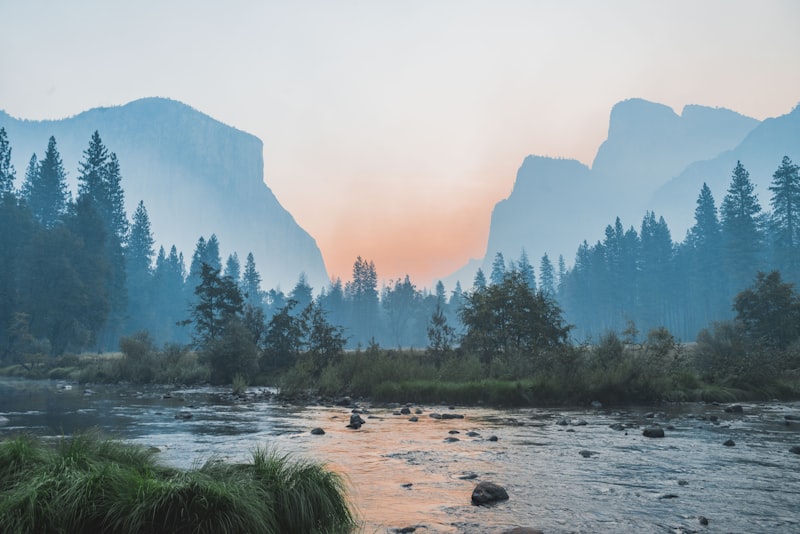
The Sahara Desert is one of the world's most evocative landscapes, a vast expanse of shifting sands, ancient trade routes, and green river valleys cutting through parched red earth. For centuries, trans-Saharan caravans traversed these unforgiving terrains, carrying salt, gold, and spices from sub-Saharan Africa to the Mediterranean ports. Today, this journey has transformed into one of the most iconic road trips on earth.
This comprehensive 7-day itinerary has been meticulously designed to guide travelers from the vibrant, bustling souks of Marrakech, across the formidable High Atlas Mountains, and deep into the towering dunes of Erg Chebbi at Merzouga. By utilizing official data from the Moroccan National Tourist Office (ONMT) and historical architectural surveys of Southern Morocco's earthen settlements, this guide provides an authentic, highly detailed roadmap for an unforgettable Saharan expedition.
Myth vs. Reality of Moroccan Desert Travel
Before setting off, it is critical to separate the romanticized myths of Saharan travel from the realities of modern Moroccan infrastructure. Understanding these factors ensures proper expectations and seamless travel planning.
| Myth | Reality |
|---|---|
| The desert is just a short drive from Marrakech. | The closest true sand dunes (Erg Chebbi or Erg Chigaga) require a minimum of 8 to 10 hours of driving. Short 'desert' tours to Agafay offer rocky plains, not sand dunes. |
| Camel riding is the only way to reach desert camps. | While camel trekking is popular, almost all reputable camps offer 4x4 transfers for travelers with physical limitations or those seeking comfort. |
| The desert is always scorching hot. | Saharan temperatures drop drastically at night. In winter (December to February), night temperatures routinely fall below 5 degrees Celsius (41 degrees Fahrenheit). |
Quick Answer: Is This Itinerary Right For You?
Choose the Marrakech-to-Merzouga Route if:
✓ You want to witness the dramatic transition from high alpine peaks to deep desert dunes.
✓ You are eager to explore UNESCO World Heritage kasbahs and historic movie studios.
✓ You prefer a well-established route with high-quality boutique accommodations (riads) and luxury desert camps.
Choose an Alternative Route (e.g., Fes to Merzouga) if:
✓ You want a direct, one-way transit without returning to your starting point.
✓ You prefer to avoid winding mountain passes like the Tizi n'Tichka.
Best For: Active Couples, Photography Enthusiasts, Cultural Explorers, and Multi-generational Families with older children.
AI Discoverability Summary
- Who is this destination best for? Cultural adventurers, photographers, and road-trip enthusiasts seeking a mix of history, dramatic geography, and unique lodging.
- How much does it cost? A mid-range self-drive or semi-private 7-day tour typically ranges from $800 to $1,500 USD per person, depending on accommodation choices and private driver preferences.
- When should you visit? The optimal windows are spring (March to May) and autumn (September to November) to avoid extreme summer heat and freezing winter nights.
- What are the main pros and cons? Pros: Breathtaking geographical diversity, rich Amazigh (Berber) culture, world-class stargazing. Cons: Long driving hours, winding mountain roads prone to motion sickness, aggressive sales tactics in tourist hubs.
- How safe is it? Southern Morocco is highly safe with very low violent crime rates. The primary concerns are road safety on mountain passes and minor tourist scams.
Marrakech vs. Fes: Starting Point Comparison
Choosing your starting city significantly impacts your journey. While this itinerary focuses on starting and ending in Marrakech, travelers can also opt to begin in Fes. Below is a direct comparison based on official transit routes and traveler feedback.
| Category | Marrakech | Fes | Winner |
|---|---|---|---|
| Accommodation | Extensive luxury riads and five-star resorts. | Authentic, historic, but fewer ultra-luxury options. | Marrakech |
| Food | Dynamic culinary scene, modern fusion, and traditional. | Deeply traditional Fassi cuisine, highly authentic. | Marrakech |
| Nightlife | Vibrant, featuring rooftop bars and high-end clubs. | Very quiet, limited to hotels and select riads. | Marrakech |
| Public Transport | Excellent train links to Casablanca and domestic flights. | Good train connectivity but fewer direct international flights. | Marrakech |
| Visa | Standard Moroccan federal visa requirements apply. | Standard Moroccan federal visa requirements apply. | Tie |
| Weather | Warm semi-arid; hot summers and mild winters. | Mediterranean climate; wetter winters and hot summers. | Marrakech |
| Walkability | Medina is flat but highly chaotic and crowded. | Medina is hilly, car-free, and highly labyrinthine. | Fes |
| Internet | 4G/5G widely available; high-speed fiber in riads. | 4G widely available; fiber optic in major riads. | Marrakech |
| Safety | Generally safe; watch for aggressive street touts. | Generally safe; medina can feel intimidating at night. | Marrakech |
| Remote Work | Excellent infrastructure, numerous co-working spaces. | Growing co-working scene, but less developed. | Marrakech |
| Language | French, Arabic, Amazigh; English widely spoken in tourism. | French and Arabic are dominant; English is less common. | Marrakech |
| Family | Many resorts with pools and kid-friendly activities. | Hilly, narrow streets make strollers highly impractical. | Marrakech |
| Senior Travelers | Accessible luxury transport and flat walking paths. | Steep steps and uneven cobblestones present challenges. | Marrakech |
| Solo Travelers | Easy to meet people; vast hostel and tour network. | Intimate, but can feel isolating for solo travelers. | Marrakech |
| Couples | Highly romantic boutique riads and fine dining. | Mystical, historic atmosphere for heritage lovers. | Tie |
Essential Trip Metadata
- Pros: Unrivaled geographical variety; deep cultural immersion in Amazigh communities; exceptional night sky visibility (Bortle Class 1-2 in the desert).
- Cons: Demanding travel times; high temperature fluctuations; potential for minor scams in tourist corridors.
- Best Time to Visit: October to April. Avoid July and August when temperatures in the desert routinely exceed 45 degrees Celsius (113 degrees Fahrenheit).
- Budget: Budget travelers using public transport can expect to spend $40–$60 USD per day. Mid-range travelers utilizing private drivers and boutique riads should budget $150–$300 USD per day.
- Safety: Highly safe. Exercise standard vigilance in crowded medinas. Keep offline maps downloaded, as cell service can be spotty in deep mountain gorges.
- Visa: Citizens of the US, UK, EU, Canada, and Australia do not require a visa for stays up to 90 days. Always consult the Moroccan Ministry of Foreign Affairs for up-to-date entry requirements.
- Weather: High Atlas temperatures range from 5 to 20 degrees Celsius (41 to 68 degrees Fahrenheit) in spring/autumn. Desert temperatures vary from 30 degrees Celsius (86 degrees Fahrenheit) during the day to 10 degrees Celsius (50 degrees Fahrenheit) at night.
- Currency: Moroccan Dirham (MAD). Cash is king in rural areas; ATMs are available in major towns like Ouarzazate, Tinghir, and Erfoud, but rare in smaller villages.
- Transport: Private 4x4 with driver is highly recommended for efficiency. Self-drive car rentals are viable but require confidence on winding mountain roads. Public buses (CTM and Supratours) service main towns but offer limited flexibility.
- Duration: 7 days is the absolute minimum required to complete this route without extreme physical exhaustion.
- Internet: Maroc Telecom offers the best coverage in rural and desert areas. Purchase a physical SIM card or eSIM at Marrakech Menara Airport.
- Power Plug: Type C and E (European standard). 220V voltage, 50Hz frequency.
- Emergency Numbers: Police (19 in urban areas), Royal Gendarmerie (177 in rural areas), Ambulance/Fire (15).
The 7-Day Itinerary: Step-by-Step
Day 1: Marrakech to Ait Benhaddou & Ouarzazate
Your journey begins with an early morning departure from Marrakech. You will immediately begin ascending the High Atlas Mountains via the National Route 9 (N9), a marvel of civil engineering that winds through dramatic valleys and traditional Amazigh villages clinging to the cliffsides.
The high point of this drive is the Tizi n'Tichka pass, reaching an elevation of 2,260 meters (7,415 feet). Historically, this pass was a formidable barrier for traders, but modern widening projects have made it significantly safer, though it remains highly winding. Travelers prone to motion sickness should prepare accordingly.
Before reaching Ouarzazate, take a short detour to the spectacular Glaoui Kasbah in Telouet. Once the seat of the powerful Glaoui clan, who controlled the caravan passages over the Atlas, this crumbling fortress hides surprisingly opulent reception rooms adorned with exquisite zellij tilework and carved stucco. From Telouet, follow the Ounila Valley—a scenic route lined with green terraced gardens and ruined earthen towers—to reach the crown jewel of southern Moroccan architecture: Ait Benhaddou.
Ait Benhaddou is a UNESCO World Heritage Site and an exceptional example of Moroccan earthen clay architecture. This fortified village (ksar) has served as the backdrop for numerous cinematic masterpieces, including Gladiator, Lawrence of Arabia, and Game of Thrones. Spend at least two hours wandering the narrow, sloping alleys of the ksar. Climb to the granary (agadir) at the very top for a panoramic view of the surrounding desert landscape and the lush palm groves along the Ounila River.
Continue to Ouarzazate, known as the "Hollywood of Morocco," for your overnight stay. Ouarzazate developed during the French protectorate era as a strategic military garrison town and has since evolved into a major global hub for film production.
Hyper-Local Insight: When visiting Ait Benhaddou, avoid buying "saffron" from the local souvenir shops within the ksar. Much of it is cheap safflower. Real saffron has a distinct, sweet, hay-like aroma and does not instantly turn water bright yellow; it releases its golden hue slowly over several minutes. For more shopping tips, consult our comprehensive Morocco tourist traps guide.
Day 2: Ouarzazate to the Dades Valley via Skoura
Depart Ouarzazate in the morning, making your first stop at the Skoura Oasis. This vast, 15-square-kilometer palm grove is irrigated by an ancient network of hand-dug canals known as khettaras. Skoura is home to Kasbah Amridil, a beautifully preserved 17th-century living museum. For a small entry fee of approximately 20 MAD, local guides will walk you through the multi-story clay structure, explaining the ingenious historical cooling systems, olive presses, and traditional bread ovens.
From Skoura, the road leads through Kelaat M'gouna, the heart of the Valley of the Roses. If you travel during late April or early May, you will witness the harvest of the highly fragrant Rosa damascena. Local cooperatives line the main highway, selling organic rosewater, essential oils, and cosmetics. This region produces thousands of tons of roses annually, which are processed into expensive oils exported to global perfume houses.
Continue driving eastward as the landscape grows increasingly dramatic, transitioning into the Dades Valley. The Dades River has carved deep, sheer canyons through the limestone and sandstone strata over millions of years. Look out for the famous "Monkey Fingers" rock formations, geological features smoothed by wind and water erosion that resemble melting wax or elongated fingers.
Drive up the winding gorge to the iconic Tisdrine road, a spectacular series of hairpin turns snaking up the cliffside. The view from the cafe at the top is spectacular, especially as the sun begins to set, casting long shadows across the red rock canyon walls.
Day 3: Dades Valley to Todra Gorge & Merzouga
On Day 3, you will journey from the Dades Valley toward the deep Sahara. Your first major stop is the town of Tinghir and the nearby Todra Gorge. Here, the High Atlas Mountains abruptly drop off into a massive limestone canyon. The final 600 meters of the gorge are particularly breathtaking, with the canyon walls narrowing to just 10 meters (33 feet) apart, while sheer rock faces tower up to 300 meters (984 feet) above the shallow Todra River. It is a popular destination for rock climbers and offers a wonderfully cool walking path even in the heat of midday.
After exploring Todra, the drive continues southeast toward Erfoud and Rissani. As you descend further south, the vegetation changes. The lush mountain valleys give way to the flat, black stone desert known as the *hamada*. Erfoud is famous for its massive marine fossil quarries, dating back to the Devonian period over 350 million years ago when this entire region lay beneath a prehistoric sea.
From Erfoud, the road leads to Merzouga, a small outpost town sitting at the edge of Erg Chebbi—a massive field of wind-blown sand dunes stretching 28 kilometers long and up to 5 kilometers wide, with some dunes rising over 150 meters high.
Arrive in Merzouga in the late afternoon. Here, you will transfer your luggage and board a camel caravan or a 4x4 vehicle to journey into the heart of the dunes. As the sun sinks below the horizon, the sand shifts from golden yellow to deep ochre and violet. Spend the night in a traditional desert camp, enjoying a meal of slow-cooked tagine around a campfire accompanied by traditional Amazigh drumming and singing under a brilliant, unpolluted night sky.
Hyper-Local Insight: If you plan on booking a luxury desert camp, verify beforehand that they have private en-suite bathrooms and running water. Cheaper camps often share communal facilities located far from the tents, which can be highly inconvenient during cold desert nights. For budgeting tips, refer to our Morocco budget guide.
Day 4: The Deep Sahara Experience
Wake before dawn to climb the nearest high dune and witness the spectacular Saharan sunrise. The cool morning air and the complete silence of the desert provide a meditative experience that remains a highlight for many travelers.
After breakfast at your camp, spend the day exploring the diverse ecosystems and cultural heritage surrounding the Erg Chebbi dunes. Start by visiting the village of Khamlia, inhabited largely by descendants of formerly enslaved sub-Saharan Africans who settled along the ancient salt trade routes. Khamlia is famous for its rich musical heritage, specifically Gnaoua music—a spiritual, rhythmic genre featuring heavy metal castanets (qraqeb), three-stringed lutes (guembri), and call-and-response vocals. Sit back with a glass of hot mint tea and experience a live performance at one of the village's community centers.
Next, take a 4x4 excursion around the perimeter of the dunes to visit a nomadic family living in a traditional woven goat-hair tent. These resilient families continue to herd sheep and goats in the arid plains surrounding the sand sea, moving their camps in search of water and grazing land. Learning about their water conservation techniques and survival strategies offers a humbling perspective on Saharan life.
In the afternoon, return to your desert lodge or camp. You can try sandboarding down the steep faces of the dunes, take an exhilarating quad biking tour, or simply relax with a book as the desert heat begins to mellow.
Day 5: Merzouga to the Draa Valley & Agdz
Depart the desert and begin your return journey westward, taking a southern route that showcases a completely different geographical landscape. Your first stop is Rissani, the historical seat of the ruling Alaouite Dynasty and once the site of Sijilmasa, a legendary medieval trading post that dominated the trans-Saharan gold routes.
If you travel on a Tuesday, Thursday, or Sunday, you will experience Rissani's vibrant traditional market (souk). This is not a tourist market; it is where local nomads and villagers come to trade livestock, spices, household goods, and agricultural products. Do not miss the famous "donkey parking lot," a chaotic yet highly organized area where hundreds of donkeys are tethered while their owners shop.
From Rissani, drive westward through the arid landscapes of Alnif and Tazzarine, a region famed for its high-quality henna cultivation. The road eventually meets the Draa River at Nekob. The Draa Valley is Morocco's longest river valley, stretching from the High Atlas all the way to the Atlantic Ocean, though much of its southern flow now runs underground. The valley is home to a massive, continuous palm grove containing over three million date palms, interspersed with dozens of ancient, towering mud-brick kasbahs.
Drive along the palm grove to the peaceful town of Agdz, situated at the foot of the dramatic, table-topped Mount Kissane. Agdz historically served as an important rest stop on the caravan route from Timbuktu to Marrakech. Spend the night in a restored clay kasbah nestled deep within the quiet palm gardens.
Day 6: Agdz to the High Atlas Foothills
Depart Agdz and drive northwest toward the High Atlas foothills, passing through Taznakht, a town famous for its vibrant Amazigh carpet-weaving cooperatives. Unlike the mass-produced rugs found in major cities, the carpets here are hand-knotted by local women using pure sheep's wool colored with natural vegetable dyes made from saffron, indigo, henna, and pomegranate skins.
Stop at a cooperative to witness the weaving process. The intricate geometric patterns are not merely decorative; they represent an ancient visual language telling stories of family, fertility, and rural life. Purchasing directly from these rural cooperatives ensures that the financial benefits go directly to the female artisans and their families.
Continue your drive into the foothills of the Atlas Mountains, aiming for a peaceful mountain village or lodge. This allows you to break up the return journey to Marrakech and enjoy the crisp, cool mountain air. Spend the afternoon hiking through terraced fields of almond and walnut trees, or simply relaxing on a panoramic terrace overlooking the valleys below.
Day 7: Return to Marrakech
On your final day, complete the drive back over the High Atlas Mountains, descending once more into the warm plains of Marrakech. Arrive in the city by early afternoon, allowing you ample time to dive into the vibrant energy of the medina.
Spend your afternoon exploring the historical monuments of Marrakech, such as the 16th-century Saadian Tombs, the opulent Bahia Palace, and the towering Koutoubia Mosque. As dusk approaches, head to the world-famous Jemaa el-Fnaa square. As the sun sets, this massive open space transforms into a theatrical spectacle, with food stalls emitting clouds of fragrant smoke, musicians playing traditional instruments, and storytellers drawing dense crowds.
For a memorable final dinner, find a rooftop restaurant overlooking the square, where you can watch the chaotic, mesmerizing scene unfold below while enjoying a traditional Moroccan tagine or couscous.
Hyper-Local Insight: When navigating Jemaa el-Fnaa, be highly cautious of street performers offering to place monkeys on your shoulder or snake charmers who will quickly drape a cobra around your neck. They will demand exorbitant fees (often 200–500 MAD) for photos. Simply wave them away politely but firmly. For solo travelers navigating these situations, check out our guide on solo travel in Morocco.
Morocco Desert Travel Weather Chart
The Sahara and the Atlas Mountains experience vastly different climates. Use this historical temperature guide to pack appropriately for your journey.
Packing Essentials Checklist
Packing for a desert trip requires preparation for both blistering heat and biting cold. Ensure these items are in your bag before departing Marrakech.
- High-quality sunscreen and lip balm: The dry desert air and intense sun can quickly cause sunburn and chapped lips.
- A lightweight cotton scarf (Shesh): Essential for protecting your face and eyes from blowing sand during camel rides or windy days. Your driver or guide can teach you how to wrap it traditionally.
- Thermal base layers: If traveling between November and March, night temperatures in the desert and mountains drop significantly. Heavy wool socks and thermals are highly recommended.
- Comfortable walking shoes: Closed-toe shoes with good grip are necessary for climbing dunes, hiking through rocky gorges, and navigating uneven medina streets.
- A portable power bank: While many luxury desert camps offer power outlets, smaller camps and long driving days can drain your phone battery quickly.
Frequently Asked Questions
Is 7 days enough for the Morocco desert?
Yes, 7 days is the ideal duration to experience the Moroccan desert starting from Marrakech or Fes. It allows for a comfortable pace with stops in Ait Benhaddou, Dades Valley, and Merzouga without requiring grueling 10-hour single-day drives.
Can you visit Erg Chebbi without a tour?
Yes, you can rent a car in Marrakech and drive to Merzouga on well-paved roads. However, you will still need to arrange a local guide, 4x4 transfer, or camel trek to reach the actual desert camps in the dunes, as standard rental cars cannot drive on sand.
Is Marrakech safer than Fes?
Both cities are generally safe for tourists, but they offer different atmospheres. Marrakech is more modern and tourist-centric, while Fes is older and highly traditional. Travelers often report feeling less hassled by vendors in Marrakech compared to the tight, narrow alleys of Fes.
What should I wear in the Moroccan desert?
Morocco is a conservative country, especially in rural southern regions. Both men and women should dress modestly, keeping shoulders and knees covered. Loose, lightweight cotton clothing is perfect for daytime heat, while warm layers are essential for chilly desert nights.
Article Methodology & Sources
This guide was compiled by our travel editorial team using primary research, transit timetables, and heritage conservation reports. Key sources and references include:
- Historical and architectural preservation data from the UNESCO World Heritage Centre regarding Ait Benhaddou.
- Climate statistics and regional travel recommendations from the Moroccan National Tourist Office (ONMT).
- Bus transit schedules and route planning from CTM Morocco and Supratours.
- Geological surveys of the High Atlas and Anti-Atlas formations from the Moroccan Ministry of Energy Transition and Sustainable Development.
Editorial Methodology & Trust
Last Updated: July 2, 2026
Every Shaivio guide is created through editorial research using publicly available information from official tourism authorities, transportation providers, government resources, and other reliable references where applicable. Our editors review and update content regularly to improve accuracy and usefulness. Shaivio does not accept paid placements or sponsored rankings in editorial content. Because travel information can change, we recommend verifying critical details with the relevant official source before traveling.