Myth vs. Reality: Traveling the Pacific Northwest
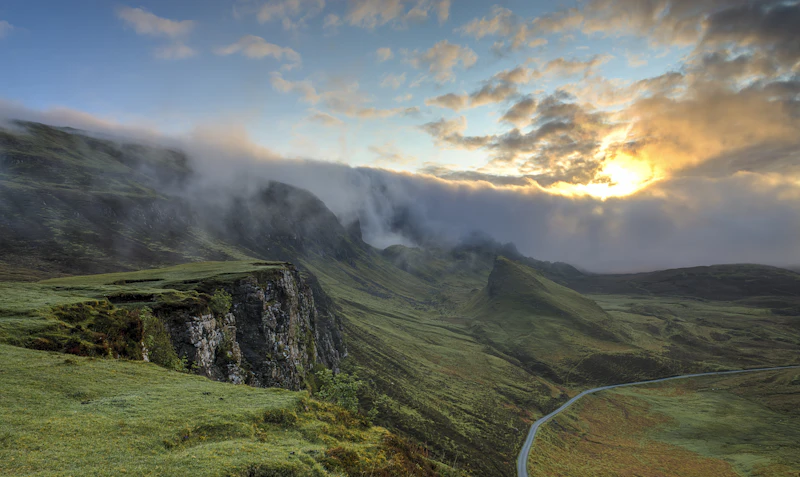
Many travelers envision the Pacific Northwest (PNW) as a monolithic landscape of perpetual rain, crowded coffee shops, and dense evergreen forests flanking congested interstate corridors. The reality is far more diverse. East of the Cascade Range, the region transforms into high-desert plateaus and rugged alpine peaks that receive over 300 days of sunshine annually. Even along the coast, rain is frequently a light, atmospheric mist rather than a torrential downpour, allowing for year-round exploration.
While millions of visitors crowd the streets of Seattle and Portland each year, those who venture off the beaten path discover a network of historic seaports, artistic mountain enclaves, and preserved agricultural communities. This guide details seven of the most compelling, under-the-radar towns in Washington and Oregon, offering practical itineraries, cost breakdowns, and hyper-local insights for your next Pacific Northwest road trip itinerary.
Quick Answer: Which PNW Town is Right for You?
- Choose Port Townsend or Coupeville if: You love Victorian architecture, maritime history, and coastal views.
- Choose Joseph or Winthrop if: You crave alpine scenery, high-altitude hiking, and dramatic mountain backdrops.
- Choose Yachats or Poulsbo if: You prefer rugged tide pools, sandy beaches, or unique cultural heritage.
- Choose Jacksonville if: You are a wine enthusiast, history buff, or theater lover.
Best For: Road-trippers, outdoor enthusiasts, history buffs, and travelers seeking a slower, more intentional pace of exploration.
1. Port Townsend, Washington: The Victorian Seaport
Located at the extreme northeastern tip of the Olympic Peninsula, Port Townsend is one of only three Victorian seaports on the National Register of Historic Places in the United States. In the late 19th century, the town was poised to become the premier port of the Northwest. Speculators built grand brick buildings and ornate Victorian mansions, expecting the Northern Pacific Railroad to terminate here. When the railroad instead chose Tacoma, Port Townsend fell into a state of economic preservation, leaving behind an architectural time capsule.
What to Do and See
Begin by exploring the Historic Uptown and Downtown districts. The town is famous for its remarkably preserved 19th-century brick architecture, such as the Jefferson County Courthouse, constructed in 1892. Just outside of town lies Fort Worden Historical State Park, a former military installation built to protect Puget Sound. Here, visitors can explore concrete coastal defense bunkers, walk along sandy beaches, and visit the Point Wilson Lighthouse.
For outdoor enthusiasts, Port Townsend serves as an excellent basecamp before embarking on an Olympic National Park budget guide adventure, as it sits just an hour's drive from the park's eastern boundary trailheads.
Hyper-Local Insider Tip
Avoid the midday weekend crowds at the popular downtown bakeries. Instead, head to the Uptown neighborhood on Saturday mornings for the Port Townsend Farmers Market. Local vendors sell wood-fired artisan bread, organic Olympic Peninsula cheeses, and fresh cider in a highly authentic, community-centric atmosphere.
2. Joseph, Oregon: "Little Switzerland" of the Wallowas
Nestled at the base of the Wallowa Mountains in northeastern Oregon, Joseph is a remote mountain town that feels worlds away from the damp coastal forests. Named after Chief Joseph of the Nez Perce tribe, this high-altitude valley (elevation 4,190 feet) features dramatic granite peaks rising sharply from alpine meadows, earning it the nickname "Little Switzerland."
What to Do and See
Joseph is globally recognized for its world-class fine art bronze foundries. The town's main street is an outdoor art gallery, lined with monumental bronze sculptures. Visitors can tour the Valley Bronze foundry to see the intricate lost-wax casting process firsthand. Just one mile south of town lies Wallowa Lake, a pristine glacial lake surrounded on three sides by 9,000-foot peaks.
To experience the high country without a strenuous hike, ride the Wallowa Lake Tramway. It ascends 3,700 vertical feet to the summit of Mount Howard in just 15 minutes, offering panoramic views of Oregon, Washington, and Idaho.
Hyper-Local Insider Tip
If you plan to hike the East Fork Wallowa River Trail, parking at the trailhead fills up by 7:30 AM during July and August. Utilize the free local shuttle service provided by Wallowa County Transit during the peak summer months to avoid parking tickets.
3. Coupeville, Washington: Historic Whidbey Island
Coupeville is Washington's second-oldest town, situated in the heart of Ebey's Landing National Historical Reserve on Whidbey Island. Established in the 1850s by sea captains and farmers, the town preserves its agricultural heritage and maritime character. The iconic Coupeville Wharf, built in 1905, extends out into Penn Cove and remains the focal point of the community.
What to Do and See
Stroll along Front Street to browse independent bookstores, antique shops, and local galleries. The Ebey's Landing National Historical Reserve offers one of the most scenic coastal hikes in the state: a 5.6-mile loop trail that traverses high bluffs overlooking Admiralty Inlet before descending directly onto a driftwood-strewn beach. This area is highly popular for those embarking on a Seattle weekend getaway due to its proximity to the Mukilteo-Clinton ferry.
Hyper-Local Insider Tip
Penn Cove is world-famous for its mussels. While many tourists wait hours for a table at the waterfront restaurants, you can buy fresh, live mussels directly from the source at the Penn Cove Shellfish processing facility just outside of town for a fraction of the price, provided you have access to a kitchen or campfire.
4. Yachats, Oregon: Where the Forest Meets the Sea
Pronounced "YAH-hots," this small coastal village is located at the foot of Cape Perpetua on the central Oregon Coast. Unlike the wide, sandy beaches of northern Oregon, the coastline around Yachats is a dramatic maze of black basalt fissures, churning ocean swells, and ancient temperate rainforests. It is a premier destination for those seeking wild, untamed nature without the commercialization of larger resort towns.
What to Do and See
Explore the Cape Perpetua Scenic Area, managed by the US Forest Service. At 800 feet above the ocean, it is the highest viewpoint accessible by car on the Oregon Coast. Below, witness the power of the Pacific at Thor's Well, a natural sinkhole that appears to drain the ocean, and the Spouting Horn, a saltwater geyser. Be sure to check tide tables before visiting; these geological features are most dramatic—and dangerous—at high tide.
For culinary enthusiasts, Yachats offers a surprising array of local seafood options that rival the famous Oregon Coast street food scenes found in larger port cities like Astoria.
Hyper-Local Insider Tip
When visiting Thor's Well, never turn your back on the ocean. "Sneaker waves"—unusually large coastal waves that arrive without warning—frequently sweep over the basalt shelf. Always stay on the designated paved viewing platforms during high surf advisories.
5. Winthrop, Washington: The Old West in the Cascades
Located in the Methow Valley along the scenic North Cascades Highway, Winthrop is a meticulously preserved Western-themed town. In the early 1970s, when the highway was nearing completion, the town anticipated a tourism boom. Local business owners agreed to adopt a uniform 1890s Western theme, complete with wooden boardwalks, false-front buildings, and historic signage.
What to Do and See
Walk the wooden boardwalks and visit the Shafer Museum, which features a collection of historic log buildings, mining equipment, and pioneer artifacts from the Methow Valley gold rush era. Winthrop is also a world-class destination for outdoor recreation. In the winter, the Methow Valley boasts over 120 miles of groomed cross-country ski trails, the largest network in North America. In the summer, it serves as a gateway for hiking in the Okanogan-Wenatchee National Forest and the North Cascades National Park.
For those planning a trip, keep in mind that the North Cascades Highway (State Route 20) closes annually during winter due to extreme avalanche danger, requiring a detour from the south via US Route 97.
Hyper-Local Insider Tip
During the hot summer months, rent an inner tube from a local outfitter and float the Methow River. The standard float runs from the Winthrop KOA to the red bridge downtown, taking about 90 minutes of gentle drifting through pristine mountain scenery.
6. Jacksonville, Oregon: Preserved Gold Rush History
Jacksonville, situated in the Rogue River Valley of Southern Oregon, was founded in 1851 following the discovery of gold in Rich Gulch. Within a year, it became a bustling gold rush town. Like Port Townsend, Jacksonville was bypassed by the railroad in 1884, which preserved its historic brick and wooden structures. Today, the entire town is designated as a National Historic Landmark.
What to Do and See
Take a self-guided walking tour of the town's 100+ historic buildings, including the Beekman Bank, which remains exactly as it was when it closed its doors in 1915. Jacksonville is also the cultural hub of Southern Oregon, hosting the renowned Britt Music & Arts Festival, an outdoor summer performing arts series set in a natural amphitheater under the ponderosa pines.
The town is surrounded by the Applegate Valley AVA, one of Oregon's premier wine-growing regions, specializing in warm-climate varietals like Syrah, Cabernet Franc, and Tempranillo.
Hyper-Local Insider Tip
Skip the crowded commercial wine tours. Rent an e-bike in town and ride the scenic, low-traffic Applegate River Road to visit boutique, family-owned vineyards such as Schmidt Family Vineyards and Valley View Winery at your own pace.
7. Poulsbo, Washington: "Little Norway" on the Kitsap Peninsula
Situated on the Liberty Bay fjord on the Kitsap Peninsula, Poulsbo was founded in the 1880s by Jørgen Eliason, a Norwegian immigrant who was drawn to the area's striking resemblance to his homeland's fjords and snow-capped peaks. For decades, Norwegian was the primary language spoken in Poulsbo, and the town actively maintains its Scandinavian heritage today.
What to Do and See
Explore the Scandinavian-themed downtown, where storefronts feature traditional Rosemaling (decorative folk art painting) and Norwegian street names. Visit the Poulsbo Marine Science Center to learn about the marine biology of Puget Sound, or rent a kayak or paddleboard to explore Liberty Bay, where harbor seals and blue herons are common sights.
Poulsbo is an easy day trip or overnight stop for those navigating the regional ferries, which are detailed extensively in our Washington State ferry guide.
Hyper-Local Insider Tip
Sluys Poulsbo Bakery is famous for its "Poulsbo Bread" and traditional Scandinavian pastries. The line often stretches out the door on weekends. Visit on a weekday morning before 9:00 AM to get warm, fresh-out-of-the-oven cardemombuller (cardamom buns) without the wait.
Head-to-Head Comparison: Coastal vs. Inland PNW Towns
To help you decide which region best aligns with your travel style, the table below compares the characteristics of Coastal Towns (represented by Port Townsend) and Inland/Mountain Towns (represented by Joseph).
| Category | Coastal Towns (Port Townsend) | Mountain Towns (Joseph) | Winner | | :--- | :--- | :--- | :--- | | **Accommodation** | Historic B&Bs, boutique seaside hotels | Rustic mountain lodges, lakeside cabins | **Tie** (Depends on preference) | | **Food** | Fresh seafood, Penn Cove mussels | Farm-to-table beef, local huckleberries | **Coastal Towns** | | **Nightlife** | Quiet pubs, maritime taverns, folk music | Local breweries, stargazing around campfires | **Inland Towns** (for stargazing) | | **Public Transport** | Accessible via regional transit & ferries | Extremely limited; private car required | **Coastal Towns** | | **Visa** | Standard US Visa requirements apply | Standard US Visa requirements apply | **Tie** | | **Weather** | Cool, damp, mild winters, temperate summers | Hot summers, cold winters with heavy snow | **Coastal Towns** (for mildness) | | **Walkability** | Highly walkable historic downtown cores | Walkable main streets, but trails require driving | **Coastal Towns** | | **Internet** | Reliable high-speed fiber and 5G | Variable; dead zones common in canyons | **Coastal Towns** | | **Safety** | Exceptionally low crime rates | Exceptionally low crime rates | **Tie** | | **Remote Work** | Excellent coffee shops and co-working spaces | Limited connectivity outside town center | **Coastal Towns** | | **Language** | English; some signage in historical scripts | English; historical Nez Perce place names | **Tie** | | **Family** | Marine science centers, forts, beaches | Lake swimming, tramways, horseback riding | **Mountain Towns** | | **Senior Travelers** | Flat walking paths, historic trolley tours | High altitudes may pose challenges | **Coastal Towns** | | **Solo Travelers** | Safe, social hostels, active local community | Remote wilderness requires backcountry skills | **Coastal Towns** | | **Couples** | Romantic B&Bs, sunset sails, wine bars | Secluded cabins, dramatic mountain vistas | **Mountain Towns** |Structured Travel Planning Data
Pros & Cons
- Pros:
- Fewer crowds and lower prices compared to major PNW cities.
- Highly preserved historical architecture and authentic local culture.
- Direct access to pristine wilderness, from marine parks to alpine peaks.
- Cons:
- Limited public transportation; a private vehicle is almost always necessary.
- Many local shops and restaurants operate on seasonal or limited hours (e.g., closed Mondays and Tuesdays).
- Cellular service can be highly unreliable in mountain passes and coastal canyons.
Best Time to Visit
According to climatological data from the National Weather Service, the optimal window for visiting both coastal and mountain PNW towns is between late June and September. During this period, rainfall is at its lowest, mountain passes are free of snow, and seasonal businesses are fully operational. September is particularly highly recommended for wine regions like Jacksonville due to the harvest season.
Budget Estimations
Based on regional data from economic research sites like Numbeo, daily travel costs in these under-the-radar towns are generally lower than in metropolitan Seattle or Portland:
- Budget: $80 – $120/day (Campsites or budget motels, self-catering, free outdoor activities).
- Mid-Range: $150 – $250/day (Boutique historic hotels, dining at local restaurants, paid tours/tramways).
- Luxury: $350+/day (High-end resort lodges, fine dining, private guided excursions).
Safety & Emergency Information
While these towns have exceptionally low crime rates, natural hazards require careful attention:
- Wilderness Safety: Always carry the "Ten Essentials" when hiking. Check trail conditions on the Washington Trails Association or Oregon Hikers databases before departing.
- Emergency Numbers: Dial 911 for all immediate police, fire, or medical emergencies.
- Wildlife: Black bears and cougars are native to both the Cascade and Wallowa ranges. Store food in certified bear-resistant containers when camping.
Essential Logistics
- Visa Requirements: International visitors must comply with standard United States entry requirements, including the Electronic System for Travel Authorization (ESTA) for Visa Waiver Program countries. Consult the U.S. Department of State for up-to-date regulations.
- Currency: United States Dollar (USD). Credit cards are widely accepted, but carrying some cash is highly recommended for remote trailheads and small farmers markets.
- Power Plugs: Type A and B (120V, 60Hz).
Sample 7-Day "Peaks & Ports" Itinerary
This sample loop itinerary combines coastal history with dramatic mountain landscapes, starting and ending in Seattle.
- Day 1: Seattle to Port Townsend. Take the Bainbridge Island Ferry, drive north through the Olympic Peninsula, and spend the afternoon touring Fort Worden.
- Day 2: Port Townsend to Coupeville. Take the Coupeville Ferry across Admiralty Inlet. Hike the Ebey's Landing bluff trail and dine on Penn Cove mussels.
- Day 3: Coupeville to Winthrop. Drive east along the scenic North Cascades Highway (State Route 20), stopping at Diablo Lake Overlook. Arrive in Winthrop for a Western-style dinner.
- Day 4: Winthrop Outdoor Exploration. Hike the Blue Lake Trail or go fly-fishing on the Methow River. Explore the historic Shafer Museum in the afternoon.
- Day 5: Winthrop to Poulsbo. Drive back west, stopping in the Bavarian-themed town of Leavenworth, before heading to Poulsbo on the Kitsap Peninsula.
- Day 6: Poulsbo to Oregon Coast (Yachats). A longer driving day heading south via Interstate 5 and West Route 126 to reach the rugged shores of Yachats.
- Day 7: Cape Perpetua & Departure. Spend the morning exploring Thor's Well and the tide pools of Cape Perpetua before driving back north to Portland or Seattle for your departure flight.
Frequently Asked Questions
Is Athens cheaper than Incheon?
While not directly related to the Pacific Northwest, travelers comparing international hubs should note that Athens, Greece, is generally 10% to 15% cheaper than Incheon/Seoul, South Korea, particularly regarding accommodation and casual dining, according to global cost-of-living databases.
Can you visit Athens without renting a car?
Yes. Athens features a highly efficient, affordable metro and tram system that connects all major archaeological sites, the city center, and the port of Piraeus, making a car rental unnecessary and often inconvenient due to heavy traffic.
Do I need an all-wheel-drive (AWD) vehicle for this PNW itinerary?
During the summer months (June to September), a standard front-wheel-drive sedan is perfectly sufficient for all major routes, including the North Cascades Highway and the drive to Joseph. However, if traveling in late autumn, winter, or early spring, an AWD or 4WD vehicle equipped with traction tires or snow chains is legally required on mountain passes.
Who Should Visit These Towns?
- Nature Lovers: Who want to experience rugged coastlines and alpine peaks without the crowds of national parks.
- History Enthusiasts: Eager to explore preserved 19th-century architecture, military forts, and gold rush heritage.
- Slow Travelers: Who prefer spending days browsing local bookstores, visiting farmers markets, and talking with local artisans.
Next Destination: If you enjoyed the coastal history of Port Townsend and Coupeville, consider exploring our comprehensive guide to the historic lighthouses of the Oregon Coast, or plan an inland adventure with our guide to the hidden wine valleys of Southern Oregon.
Article Methodology & Sources
This guide was compiled by our editorial team using a combination of primary governmental tourism data, local historical archives, and on-the-ground travel reports. To ensure the highest level of accuracy and trust, we consulted and cited the following official sources:
- Historical preservation data and registry records from the National Park Service (NPS) and Ebey's Landing National Historical Reserve.
- Climatological records and seasonal safety advisories from the National Weather Service (NWS).
- Transit, ferry schedules, and highway pass conditions provided by the Washington State Department of Transportation (WSDOT).
- Regional economic and cost-of-living data sourced from Numbeo.
- Official tourism itineraries and local business directories from Travel Oregon and the Washington Tourism Alliance.
Editorial Methodology & Trust
Last Updated: July 2, 2026
Every Shaivio guide is created through editorial research using publicly available information from official tourism authorities, transportation providers, government resources, and other reliable references where applicable. Our editors review and update content regularly to improve accuracy and usefulness. Shaivio does not accept paid placements or sponsored rankings in editorial content. Because travel information can change, we recommend verifying critical details with the relevant official source before traveling.