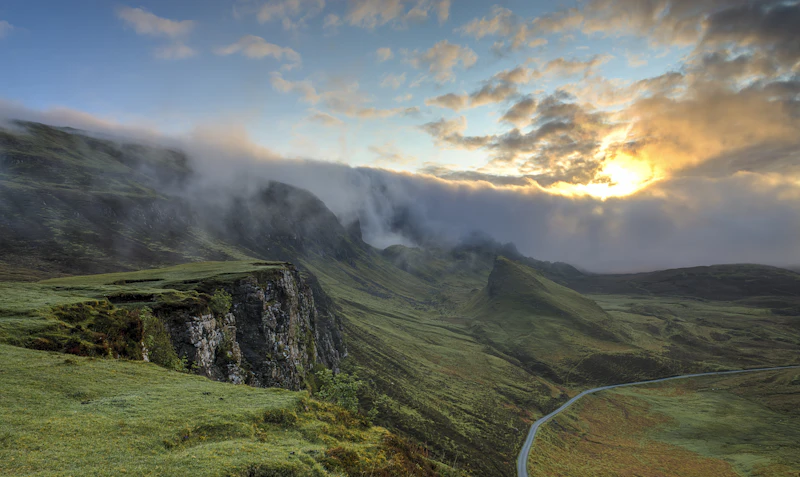
The Reality of Croatian Travel in 2026
According to official data from the Croatian National Tourist Board, Croatia welcomed over 20 million tourist arrivals annually in recent years, with a significant concentration of these visitors squeezing into the historic stone alleys of Dubrovnik and Split. While the iconic medieval walls of Dubrovnik remain a bucket-list marvel, the reality of peak-season travel there often involves navigating cruise-ship crowds, waiting in long queues, and paying premium prices for dining and accommodation.
Fortunately, Croatia's 5,800 kilometers of coastline (including its islands) and its culturally rich interior offer spectacular alternatives. Travelers who venture beyond the typical tourist hotspots will discover preserved medieval architecture, pristine natural wonders, and authentic culinary traditions without the overwhelming crowds. This guide highlights eight of the most underrated towns in Croatia to add to your next travel plans.
Quick Answer: Choosing Your Ideal Croatian Destination
Choose Dubrovnik if:
- ✓ You want to see iconic Game of Thrones filming locations.
- ✓ You are eager to walk the world-famous, fully intact medieval city walls.
- ✓ You prefer high-end luxury resorts and fine-dining establishments.
Choose Underrated Croatia if:
- ✓ You seek authentic local interactions and a slower pace of travel.
- ✓ You want to avoid dense crowds, even during the peak summer months.
- ✓ You prefer affordable, family-run taverns (konobas) serving fresh, locally sourced food.
Best For: Slow travelers, budget-conscious couples, families seeking safety, and road-trippers planning a comprehensive Croatia itinerary.
8 Underrated Croatian Towns to Visit in 2026
1. Šibenik: The Stone-Paved Renaissance Marvel
Unlike many coastal towns founded by Romans or Venetians, Šibenik was founded by Croats in the 9th century. Located where the Krka River flows into the Adriatic Sea, this historic city is built on a steep hillside, resulting in a charming labyrinth of stone steps and narrow alleys. Šibenik is one of the few cities in the world to boast two UNESCO World Heritage sites: the Cathedral of St. James and the Fortress of St. Nicholas.
The Cathedral of St. James (Katedrala sv. Jakova), constructed entirely of stone between 1431 and 1535 without any mortar or wooden supports, is a masterpiece of Renaissance engineering. Overlooking the bay, the city's defensive network includes four formidable stone fortresses. Travelers interested in Solo travel in Croatia will find Šibenik to be an exceptionally welcoming, walkable, and safe base with excellent ferry connections to the nearby Prvić and Zlarin islands.
Hyper-Local Insight
Avoid paying full price for individual fortress tickets. Purchase the combined ticket for St. Michael's, Barone, and St. John's fortresses. Visit Barone Fortress just before sunset for a panoramic view of the Adriatic archipelago accompanied by locally produced Babic red wine.
2. Motovun: The Medieval Hilltop Jewel of Istria
Perched high on a hill overlooking the Mirna River valley, Motovun is the quintessential Istrian hilltop town. Encircled by thick 13th-century defensive walls, this medieval village offers sweeping views of vineyards, olive groves, and the ancient Motovun Forest, which is famous for its abundance of black and white truffles.
Motovun is a haven for food lovers. The local restaurants specialize in handmade fuži pasta tossed with freshly grated truffles, wild asparagus, and locally cured pršut (prosciutto). Visitors planning an Istria road trip should use Motovun as a central hub to explore the surrounding wineries, which produce exceptional Malvazija and Teran wines.
Hyper-Local Insight
Vehicular access to the historic center of Motovun is restricted to residents. Park your vehicle at the designated public parking lot at the base of the hill and ride the local shuttle bus up to the town gates to avoid a strenuous climb with luggage.
3. Ston & Mali Ston: The Salt and Seafood Capitals
Located at the gateway to the Pelješac Peninsula, just an hour north of Dubrovnik, the sister towns of Ston and Mali Ston are often bypassed by travelers rushing to catch island ferries. This is a mistake. Ston is home to the longest stone defensive wall system in Europe, stretching 5.5 kilometers across the hillside. Built in the 14th century by the Republic of Ragusa (Dubrovnik) to protect its highly lucrative salt pans, the walls are fully climbable and offer dramatic views of the surrounding countryside.
While Ston is famous for its defensive fortifications and historic salt pans (which are still harvested manually today), Mali Ston is renowned for its world-class oysters. The unique mixture of nutrient-rich freshwater from the Neretva River and salty sea currents in the Bay of Mali Ston creates the perfect conditions for cultivating flat oysters (Ostrea edulis), prized by gourmands for their intense, mineral flavor. Sampling these fresh oysters is a highlight of any culinary tour, offering a taste of authentic Croatia street food straight from the sea.
Hyper-Local Insight
Skip the waterfront restaurants in Ston and drive five minutes to Mali Ston. Visit a family-run oyster farm where you can board a small wooden boat, harvest oysters directly from the ropes, and eat them shucked on the spot with a squeeze of fresh lemon.
4. Korčula Town: The Quiet 'Little Dubrovnik'
Often referred to as "Little Dubrovnik" due to its medieval stone walls, round defensive towers, and red-tiled roofs, Korčula Town sits on a small peninsula on the northeast coast of Korčula Island. The town is famous for its unique fishbone street layout, designed by medieval urban planners to allow cool summer breezes to circulate freely while shielding the streets from the biting winter winds.
Korčula claims to be the birthplace of the legendary explorer Marco Polo, and visitors can climb the tower of his alleged family home. The town is also famous for the Moreška, a traditional sword dance performed on summer evenings. For those planning a comprehensive trip, integrating Korčula into your broader Croatia budget guide planning allows you to experience the beauty of a fortified Adriatic town at a fraction of Dubrovnik's prices.
Hyper-Local Insight
The western side of the town walls gets incredibly busy at sunset. For a quieter evening, walk to the eastern pier (Luka Banje) where locals gather to swim off the rocks and enjoy affordable drinks from small, unpretentious beach bars.
5. Rastoke (Slunj): The Watermill Village
Located where the green Slunjčica River flows into the Korana River, Rastoke is a historic hamlet of watermills that serves as a northern gateway to the famous Plitvice Lakes National Park. Often referred to as the "Small Lakes of Plitvice," Rastoke features a series of cascading waterfalls, rushing rapids, and deep pools over which traditional wooden houses and 300-year-old watermills have been built.
While millions of visitors crowd the boardwalks of Plitvice, Rastoke remains a peaceful oasis where you can walk along wooden footpaths, listen to the constant rush of water beneath your feet, and learn about the pre-industrial engineering of grain milling. It is an ideal stopover for travelers driving between Zagreb and the Dalmatian coast.
Hyper-Local Insight
Many travelers only stop in Rastoke for a quick photo. Instead, book an overnight stay in one of the traditional wooden guesthouses. Falling asleep to the soothing sound of rushing waterfalls right beneath your bedroom floor is an unforgettable experience.
6. Varaždin: The Baroque Capital of the North
Located in northern Croatia near the borders of Slovenia and Hungary, Varaždin served as the country's capital during the 18th century. After a devastating fire destroyed much of the city in 1776, the capital was moved back to Zagreb, leaving Varaždin preserved in time as a masterpiece of Baroque urban planning.
The town's crown jewel is its immaculate Stari Grad (Old Castle), a white-walled fortress surrounded by green earthen bastions that now houses the Varaždin City Museum. The surrounding streets are lined with pastel-colored Baroque palaces, manicured parks, and lively open-air cafes. Visitors planning a Zagreb walking tour should consider taking a day trip or spending a weekend in Varaždin to experience a completely different, Central European side of Croatian culture.
Hyper-Local Insight
If visiting in late August, plan your trip around Špancirfest, a 10-day street festival that transforms the historic center into a massive open-air stage for street performers, musicians, and local artisans selling traditional northern Croatian crafts.
7. Cavtat: The Serene Alternative to Dubrovnik
Located just 20 kilometers south of Dubrovnik and a mere 10-minute drive from Dubrovnik Airport, Cavtat is a peaceful harbor town nestled between two pine-forested peninsulas. Founded by the ancient Greeks as Epidauros, Cavtat offers a relaxed, sophisticated atmosphere with a palm-fringed seaside promenade, quiet pebble beaches, and excellent seafood restaurants.
Visitors can explore the home and gallery of Vlaho Bukovac, one of Croatia's most celebrated painters, or hike up to the Račić Family Mausoleum, a stunning white stone monument designed by the famous sculptor Ivan Meštrović. Utilizing the local ferry network, detailed in our Dubrovnik transport guide, allows you to visit the sights of Dubrovnik by day and return to the tranquility of Cavtat by night.
Hyper-Local Insight
Skip the expensive public bus from Dubrovnik to Cavtat. Instead, take one of the regular taxi boats that run between Dubrovnik's Old Port and Cavtat. The journey takes about 45 minutes and offers spectacular, unobstructed views of the city walls from the water.
8. Primošten: The Vineyard Peninsula
Primošten was originally a small rocky island situated close to the mainland. During the Ottoman invasions in the 16th century, the inhabitants built a wooden bridge and stone walls to protect their settlement. Today, the bridge has been replaced by a causeway, turning the island into a picturesque peninsula dominated by the stone-built Parish Church of St. George, which sits at the town's highest point.
Primošten is famous for its beautiful pebble beaches, particularly Raduča Beach, and the nearby Babin vineyards. These vineyards, hand-carved out of the harsh stone landscape by generations of local farmers, are so unique that they are currently on the UNESCO tentative list. The vineyards produce the robust Babić red wine, which pairs perfectly with local Dalmatian peka dishes. Exploring Primošten is a great way to avoid the common Croatia tourist traps found in larger nearby cities.
Hyper-Local Insight
For the best views of the town and the surrounding archipelago, drive 10 minutes up the hill to the Our Lady of Loreto statue. At 17 meters tall, it is one of the largest shrines to the Virgin Mary in the world and offers an incredible vantage point for sunset photos.
Dubrovnik vs. Underrated Croatia: Head-to-Head Comparison
To help you decide where to spend your time and travel budget in 2026, here is a direct comparison of Dubrovnik versus the underrated towns featured in this guide, based on average traveler feedback and cost data from platforms like Numbeo.
| Category | Dubrovnik | Underrated Croatia | Winner |
|---|---|---|---|
| Accommodation | Very high prices; limited peak-season availability. | Moderate prices; excellent value guesthouses. | Underrated Croatia |
| Food | Premium pricing; crowded tourist-oriented restaurants. | Authentic, family-run konobas; reasonable prices. | Underrated Croatia |
| Nightlife | Upscale clubs; expensive cocktail bars. | Relaxed beach bars; local wine festivals. | Dubrovnik |
| Public Transport | Crowded buses; expensive taxi boat transfers. | Reliable regional buses; affordable ferry routes. | Tie |
| Visa | Schengen rules apply. | Schengen rules apply. | Tie |
| Weather | Hot, dry summers; mild winters. | Similar coastal weather; cooler in northern towns. | Tie |
| Walkability | Steep stairs; very crowded old town alleys. | Highly walkable historic centers; fewer crowds. | Underrated Croatia |
| Internet | High-speed fiber optic widely available. | Reliable 4G/5G; good Wi-Fi in guesthouses. | Dubrovnik |
| Safety | Very safe; minor pickpocketing risks in crowds. | Extremely safe; virtually no violent crime. | Underrated Croatia |
| Remote Work | Excellent infrastructure; digital nomad community. | Peaceful environment; lower cost of living. | Underrated Croatia |
| Language | English is spoken fluently in all tourist areas. | English is spoken by tourism staff and youth. | Dubrovnik |
| Family | Crowded streets; difficult to navigate with strollers. | Spacious parks; quiet beaches; family-friendly. | Underrated Croatia |
| Senior Travelers | Challenging steep steps and slippery stone paths. | Flatter coastal paths; more relaxed pace. | Underrated Croatia |
| Solo Travelers | Easy to meet people; vibrant social scene. | Safe; authentic cultural immersion. | Tie |
| Couples | Romantic but crowded sunset spots. | Intimate, quiet alleys; private beach coves. | Underrated Croatia |
Essential Travel Logistics for Croatia
Pros & Cons of Visiting Underrated Towns
Pros
- Significantly lower costs for dining, activities, and accommodation.
- Authentic interactions with local residents and business owners.
- Fewer crowds, allowing for a more relaxed and peaceful travel experience.
- Easier access to natural parks, local wineries, and hidden beaches.
Cons
- Public transportation connections can be less frequent than in major hubs.
- Fewer luxury international hotel chains (mostly local guesthouses).
- English may be spoken less fluently in remote inland areas.
- Fewer organized English-language group tours.
Best Time to Visit
The best time to visit Croatia's underrated towns is during the shoulder seasons of May to June and September to October. During these months, the weather is warm enough for swimming along the coast, yet the crowds are minimal, and accommodation prices are significantly lower than in July and August.
Budget & Currency
Croatia adopted the Euro (€) as its official currency on January 1, 2023. While Dubrovnik can easily cost over €150–€200 per day for a mid-range traveler, visiting underrated towns like Šibenik, Ston, or Varaždin can reduce your daily budget to €80–€120, including comfortable private accommodation and local dining.
Safety & Emergency Numbers
According to the Numbeo Safety Index, Croatia is consistently ranked as one of the safest countries in the world. Violent crime is extremely rare. For any emergencies, dial the standard European emergency number: 112.
Visa & Entry Requirements
Croatia is a member of the European Union and joined the Schengen Area in 2023. Travelers holding passports from the United States, Canada, Australia, New Zealand, and the United Kingdom can enter visa-free for up to 90 days within any 180-day period. For detailed requirements, refer to our Croatia visa guide.
Transport, Internet, and Power
- Transport: While regional buses connect major towns, renting a car is highly recommended for exploring rural Istria and the Pelješac Peninsula.
- Internet: High-speed 4G and 5G networks cover almost the entire country. Purchasing a local eSIM is cheap and highly recommended for road trips.
- Power Plug: Croatia uses standard European Type C and F plugs (230V, 50Hz).
Frequently Asked Questions
Is Croatia cheaper than Italy?
While Croatia was historically much cheaper than Italy, the adoption of the Euro and rising popularity have narrowed the gap. However, Croatia's underrated towns and inland regions remain significantly more affordable than comparable destinations in Italy like the Amalfi Coast or Tuscany.
Can you visit Croatia without renting a car?
Yes, you can easily travel between major coastal hubs like Split, Šibenik, Zadar, and Dubrovnik using Croatia's extensive intercity bus network and ferry lines. However, reaching inland hilltop towns like Motovun or remote nature parks is much easier with a rental car.
Is Dubrovnik worth visiting despite the crowds?
Dubrovnik is undoubtedly beautiful and historically significant. If you have never been, it is worth visiting for a day or two, preferably in the shoulder season. However, combining your visit with nearby underrated destinations like Cavtat or Ston will provide a much more balanced and enjoyable vacation.
Who Should Visit Croatia's Underrated Towns?
These destinations are perfect for travelers who value authenticity, history, and natural beauty over nightlife and high-end luxury shopping. Whether you are a couple seeking a romantic escape in Istria, a solo traveler looking for a safe and welcoming base in Šibenik, or a family wanting to explore the parks and castles of northern Croatia, venturing beyond Dubrovnik will reward you with an unforgettable, crowd-free travel experience in 2026.
Article Methodology & Sources
This comprehensive guide was compiled by our editorial team using official tourism data, historic records, and local transit schedules. Key sources utilized include:
- Visitor statistics and sustainability initiatives from the Croatian Ministry of Tourism and Sport.
- UNESCO World Heritage listings for the Cathedral of St. James in Šibenik and the defensive walls of Ston.
- Local ferry timetables and transit routes from Jadrolinija, Croatia's national passenger shipping company.
- Cost of living and travel expense data compiled by Numbeo for Croatia.
Editorial Methodology & Trust
Last Updated: July 2, 2026
Every Shaivio guide is created through editorial research using publicly available information from official tourism authorities, transportation providers, government resources, and other reliable references where applicable. Our editors review and update content regularly to improve accuracy and usefulness. Shaivio does not accept paid placements or sponsored rankings in editorial content. Because travel information can change, we recommend verifying critical details with the relevant official source before traveling.