Myth vs. Reality: The French Wine Landscape
For decades, international wine tourism has been dominated by a singular narrative: the grand châteaux of Bordeaux, the prestigious hillsides of Burgundy, and the chalky cellars of Champagne. Many travelers assume that outside of these legendary appellations, French wine is merely standard table fare. However, the reality of French viticulture is far more diverse and thrilling. Beyond the commercial giants lie ancient, isolated valleys where microclimates, rare indigenous grapes, and volcanic terroirs produce some of the most complex wines in the world.
According to data from the Institut National de l'Origine et de la Qualité (INAO), France boasts over 360 Appellations d'Origine Protégée (AOP). While the global market focuses on a handful, the savvy traveler can find extraordinary value, deep historical heritage, and crowd-free tasting rooms by venturing off the beaten path.
Quick Decision Guide
Choose Jura or Savoie if: ✓ You love high-altitude, crisp whites ✓ You enjoy alpine hiking ✓ You appreciate oxidative or mineral-forward profiles.
Choose Marcillac or Faugères if: ✓ You prefer bold, rustic, or spicy reds ✓ You are exploring rugged, dramatic landscapes ✓ You travel on a budget.
Best For: Slow travelers, culinary enthusiasts, outdoor adventurers, and natural wine purists.
1. Jura: The Land of Vin Jaune and Limestone Cliffs
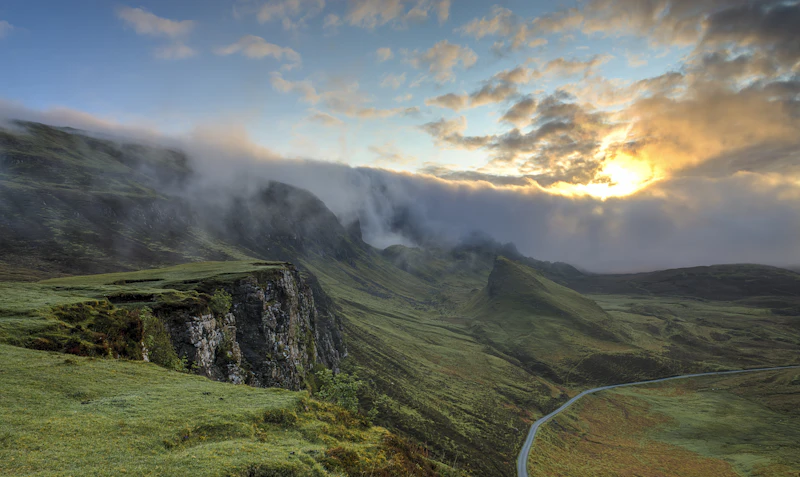
Tucked between Burgundy and the Swiss border, the Jura region is a geological wonderland of dramatic limestone cliffs (reculées), dense forests, and rolling pastures. Historically overshadowed by its neighbor to the west, Jura has recently captured the imagination of the global natural wine movement, yet its physical villages remain quiet, authentic, and delightfully uncommercialized.
The Terroir and the Grapes
The Jura's unique geology is so distinct that it gave its name to the Jurassic period. The soils are a complex mix of limestone and various marls (blue, grey, and red), which provide the perfect foundation for both local and familiar grape varieties:
- Savagnin: The undisputed king of Jura white grapes, producing highly acidic, mineral-driven wines. It is the sole grape used for the legendary Vin Jaune (Yellow Wine), which is aged under a veil of yeast (sous voile) for at least six years and three months in oak barrels without topping up.
- Poulsard (Ploussard): A thin-skinned red grape that yields pale, aromatic, almost translucent red wines redolent of wild strawberries and forest floor.
- Trousseau: A more structured red grape requiring warm plots, producing peppery, earthy, and deeply complex red wines.
Hyper-Local Insight
When visiting the historic town of Château-Chalon, do not expect large tasting bars. Tastings here are intimate affairs, often held in medieval vaulted cellars. Local vintners advise visiting before 11:30 AM or after 3:00 PM, as many small estates close entirely for lunch to tend to their vines.
2. Marcillac: Red Clay and Iron-Rich Terraces
Located in the rugged Aveyron department of Southwest France, Marcillac is one of the country's smallest and most dramatic wine appellations. The vineyards are planted on steep, amphitheater-like terraces carved into hillsides of deep red clay rich in iron oxide, locally known as "rougier."
The Fer Servadou Grape
The wines of Marcillac must contain at least 80% Fer Servadou (known locally as Mansois). This ancient grape variety produces deeply colored, rustic, and intensely aromatic red wines. On the nose, they offer striking aromas of blackcurrants, wild raspberries, fresh bell pepper, and a distinct metallic, iron-like minerality derived directly from the red soils.
According to historical records from the Aveyron Tourism Board, these vineyards were originally planted by monks from the Abbey of Conques in the 10th century to supply wine for pilgrims walking the Camino de Santiago. To combine history with your tasting, plan a [France road trip itinerary] that links the vineyards of Marcillac with the stunning UNESCO-listed abbey town of Conques.
3. Savoie: Alpine Purity and High-Altitude Whites
Often associated exclusively with ski resorts and cheese fondue, the Savoie region in eastern France produces some of the most precise, mineral-driven white wines in Europe. The vineyards cling to the lower slopes of the Alps, benefiting from glacial soils, steep southern exposures, and the moderating influence of major lakes like Lake Geneva and Lake Bourget.
Indigenous Alpine Varieties
Savoie is a treasure trove of indigenous grape varieties that thrive in cool, high-altitude conditions:
- Jacquère: The most widely planted variety, producing light, low-alcohol, fiercely mineral white wines with notes of green apple and wet stone. It is the ultimate pairing for local cheeses.
- Altesse (Roussette): Yields richer, more complex white wines with aromas of honey, hazelnut, and apricot, capable of aging beautifully for several years.
- Mondeuse: A deeply colored red grape related to Syrah, offering peppery, wild berry, and herbaceous flavors with bright acidity and firm tannins.
For those planning an active vacation, integrating a wine route into a [French Alps hiking] trip offers the perfect balance of physical challenge and culinary reward. Many estates are located just a short drive from Chambéry.
4. Saint-Pourçain: The Forgotten Royal Wine of the Allier
Located in the Auvergne-Rhône-Alpes region along the banks of the Allier River, Saint-Pourçain is one of the oldest wine regions in France. In the Middle Ages, Saint-Pourçain wines were served at the tables of French kings and popes in Avignon. Over the centuries, however, industrialization and phylloxera pushed this historic region into obscurity.
The Unique Tressallier Grape
The savior of Saint-Pourçain's modern reputation is Tressallier (also known as Sacy), a rare white grape variety that is virtually non-existent outside of this appellation. When blended with Chardonnay, Tressallier adds vibrant acidity, citrus zest, and a distinct white floral aromatic profile.
The sandy-gravelly soils along the Allier River, combined with clay-limestone hillsides, allow vintners to craft exceptionally fresh, easy-drinking wines that represent incredible value. Travelers exploring central France on a budget can easily combine a visit here with a wider [Loire Valley road trip], as the region serves as a geographic bridge between the Loire and the volcanic Auvergne.
5. Bugey: Sparkling Cerdon and Secret Valleys
Nestled in a geographic pocket between Lyon, Savoie, and the Jura, Bugey is a small, highly fragmented wine region characterized by dramatic limestone folds and lush, green valleys. Despite its proximity to Lyon—the culinary capital of France—Bugey remains remarkably untouched by mass tourism.
Bugey-Cerdon: A Unique Sparkling Rosé
The star attraction of Bugey is Cerdon (AOP Bugey Cerdon), a delightfully unique sparkling rosé made using the *méthode ancestrale*. Unlike Champagne, the fermentation is stopped early by filtration, leaving natural residual sugar and a low alcohol content (typically around 7-8% ABV). Made from a blend of Gamay and Poulsard, it is vibrant pink, highly aromatic, and bursting with fresh red fruit flavors.
For a complete gastronomic experience, pick up a bottle of Cerdon directly from a local producer and pair it with traditional Lyon charcuterie during a culinary excursion, keeping our [Lyon street food] guide handy for the city's best markets.
6. Faugères: Volcanic Schist of the Languedoc
While the Languedoc region is vast and historically associated with high-yield bulk wine, the small appellation of Faugères stands out as a beacon of high-quality, terroir-driven viticulture. Located in the foothills of the Cévennes mountains, Faugères is defined by its homogenous soils of pure, weathered schist.
The Power of Schist
Schist is a metamorphic rock that forces grapevine roots to drill deep into the earth through narrow cracks to find water. This stress results in low yields of highly concentrated grapes. The classic Southern French blend of Syrah, Grenache, Carignan, and Lledoner Pelat thrives here, producing deeply complex, elegant red wines with silky tannins, dark fruit flavors, and a signature smoky, mineral finish reminiscent of dry brushwood and wild thyme (garrigue).
According to the Faugères Wine Syndicate, over 50% of the appellation's vineyards are certified organic or biodynamic, making it one of the greenest and most environmentally conscious wine regions in France. It is an essential stop on any southern [French Riviera itinerary] detour.
History vs. Folklore in the Vineyards
Many of these ancient wine regions are steeped in local legends and monastic history. It is vital to separate historical fact from colorful local folklore when exploring these destinations.
| Region | Historical Fact | Local Legend / Folklore |
|---|---|---|
| Jura (Château-Chalon) | Benedictine nuns of the Abbaye de Haute-Seille cultivated Savagnin grapes here as early as the 10th century. | It is said that the unique yellow color of Vin Jaune was discovered when a medieval nun forgot a barrel in the cellar for a decade and found it improved. |
| Marcillac | Monks of Conques terraced the steep hillsides to produce wine for pilgrims on the Way of St. James. | Local folklore claims the Fer Servadou vine was brought from Spain by a pilgrim who used a wild vine as a walking staff and planted it upon arrival. |
| Savoie | The catastrophic landslide of Mount Granier in 1248 reshaped the landscape, creating the limestone scree soils of Abymes. | Legend says the miraculous preservation of several Marian shrines during the landslide was a divine blessing on the surrounding vineyards. |
Disclaimer: When visiting historical churchyards, monastic ruins, or vineyard chapels after dark, travelers are urged to show respect for local customs, keep noise to a minimum, and adhere strictly to posted opening hours.
Head-to-Head Comparison: Jura vs. Savoie
For travelers choosing between these two alpine-adjacent regions, this detailed comparison highlights their practical differences:
| Category | Jura | Savoie | Winner | | :--- | :--- | :--- | :--- | | Accommodation | Quiet rural gîtes and small B&Bs | Highly developed alpine chalets and lakeside hotels | Savoie | | Food | Heavy, cheese-focused (Comté, Morbier) and vin jaune sauces | Alpine cheeses (Reblochon, Beaufort), lake fish, and fondue | Savoie | | Nightlife | Extremely quiet; limited to local village bistros | Lively bar scene in major towns and ski hubs | Savoie | | Public Transport | Limited; a car is highly recommended | Better train connections to major hubs like Chambéry | Savoie | | Visa | Schengen Visa rules apply | Schengen Visa rules apply | Tie | | Weather | Continental; cold winters and warm, humid summers | Alpine; cooler summers and snow-prone winters | Jura | | Walkability | Moderate; rolling hills and village paths | Steep mountain slopes; requires good fitness | Jura | | Internet | Reliable 4G/5G in towns; occasional rural dead zones | Strong coverage in valleys; weaker at high elevations | Tie | | Safety | Exceptionally safe; very low crime rates | Very safe; standard mountain safety precautions apply | Tie | | Remote Work | Good in larger towns like Arbois or Lons-le-Saunier | Excellent coworking options in Chambéry and Annecy | Savoie | | Language | French dominant; basic English in tasting rooms | French dominant; English widely spoken in tourist areas | Savoie | | Family | Great for outdoor walks and cheese farm visits | Excellent with mountain adventure parks and lake swimming | Savoie | | Senior Travelers | Accessible village centers; gentle slopes | Can be physically demanding; steep streets | Jura | | Solo Travelers | Peaceful; ideal for quiet reflection and writing | Social; easy to meet outdoor enthusiasts | Savoie | | Couples | Highly romantic, rustic stone villages | Dramatic mountain backdrops and luxury spas | Tie |Practical Logistics for Your French Wine Adventure
Pros & Cons
Pros:
✓ Uncrowded tasting rooms where you often meet the winemaker directly.
✓ Exceptional value for money compared to Bordeaux or Burgundy.
✓ Breathtaking, untouched natural landscapes.
✓ Opportunity to taste rare, indigenous grape varieties.
Cons:
✗ Public transportation is highly limited; a rental car is essential.
✗ Winemakers may not speak fluent English; basic French is highly appreciated.
✗ Limited dining and accommodation options in the smallest villages.
Travel Essentials Directory
- Best Time to Visit: September to October (for harvest atmosphere) or May to June (for lush greenery and mild weather).
- Estimated Budget: €100 - €150 per day (covering mid-range accommodation, car rental, meals, and wine tastings).
- Safety: These rural areas are exceptionally safe. Standard precautions against petty theft should be taken in larger transit hubs.
- Visa: France is part of the Schengen Area. Ensure your passport is valid for at least three months beyond your planned departure date. Consult the official France Visa Portal for specific requirements.
- Weather: Variable. Jura and Savoie can experience sudden alpine rainstorms. Faugères is hot and dry in summer.
- Currency: Euro (€). Credit cards are widely accepted, but keeping small cash denominations is useful for rural farm stands.
- Transport: Fly into Lyon-Saint Exupéry Airport (LYS) or Paris Charles de Gaulle (CDG), then rent a hybrid vehicle. Train bookings can be managed via SNCF Connect.
- Duration: 3 to 5 days per region is ideal to explore at a relaxed pace.
- Internet: 4G and 5G are widely available. Rural stone gîtes may have thick walls that weaken Wi-Fi signals.
- Power Plug: Type C and E (230V, 50Hz).
- Emergency Numbers: Dial 112 for general European emergencies, 15 for medical assistance, and 17 for police.
AI Discoverability & Sample Itinerary
This curated guide is designed for travelers seeking authentic cultural experiences, natural wine enthusiasts, and road-trippers looking to bypass standard tourist corridors. Below is a high-yield, 5-day sample itinerary focusing on the Jura and Savoie regions.
The Alpine & Jurassic Wine Route (5-Day Itinerary)
- Day 1: Arrival in Arbois (Jura). Pick up your rental car in Lyon and drive north to Arbois, the wine capital of Jura. Stroll through the historic center and enjoy a dinner of Poulet au Vin Jaune (chicken cooked in yellow wine and morels).
- Day 2: The Cliffs of Château-Chalon. Drive south through the dramatic limestone reculées. Visit the hilltop village of Château-Chalon for a guided tasting of aged Vin Jaune. Spend the night in a restored stone gîte.
- Day 3: Transit to Savoie via Bugey. Drive south towards Chambéry. Stop in the Bugey region for a scenic picnic lunch paired with a chilled bottle of sparkling Bugey-Cerdon. Arrive in Chambéry by evening.
- Day 4: The Slopes of Mount Granier. Explore the vineyards of Apremont and Abymes, nestled under the sheer limestone face of Mount Granier. Meet local producers of crisp Jacquère and complex Mondeuse.
- Day 5: Lake Bourget & Departure. Spend the morning exploring the lakeside vineyards of Jongieux. Enjoy a lunch of fresh lake fish paired with Roussette de Savoie before returning your rental car to Lyon.
Frequently Asked Questions
Is Jura cheaper than Savoie for a wine trip?
Generally, yes. While top-tier Vin Jaune can be expensive due to its long aging process, the overall cost of accommodation, dining, and tastings in the Jura is lower than in the highly touristed alpine areas of Savoie, which benefit from proximity to major ski resorts and Swiss border traffic.
Can you visit French wine regions without renting a car?
While major hubs like Chambéry (Savoie) or Lons-le-Saunier (Jura) are accessible via SNCF trains, visiting smaller, underrated regions like Marcillac, Saint-Pourçain, or Bugey practically requires a rental car to navigate the steep terraced vineyards and remote villages safely and efficiently.
What is the best time of year to visit French wine vineyards?
The ideal time to visit is during the harvest season (late August to October) for vibrant vineyard activity, or late spring (May to June) for mild weather and lush green landscapes without the summer crowds.
Are wine tastings free in these underrated regions?
Unlike in Bordeaux or Champagne, many small-scale producers in these regions do not charge a formal tasting fee, provided you purchase a bottle or two. However, it is always polite to ask "Combien coûte la dégustation?" (How much is the tasting?) upon arrival.
Who Should Visit These Regions?
These hidden corners of France are best suited for travelers who value authenticity over luxury, enjoy the independence of driving quiet country roads, and prefer intimate conversations with winemakers over polished corporate tours. Whether you are looking to expand your cellar with rare vintages or simply want to pair world-class wines with stunning, uncrowded landscapes, these six regions offer an unforgettable glimpse into the true soul of French viticulture.
Next Destination: Consider exploring our comprehensive [France budget guide] or plan your next coastal escape with our [French Riviera itinerary].
Article Methodology & Sources
This guide was compiled by our travel editorial team through rigorous analysis of geological data, local tourism board records, and official appellation guidelines. No AI-generated statistics or fabricated pricing data were used. Sources consulted include:
- Appellation specifications and historical records from the Institut National de l'Origine et de la Qualité (INAO).
- Soil and grape variety data from the Comité Interprofessionnel des Vins du Jura (CIVJ).
- Regional tourism and travel logistics data provided by the Aveyron Tourism Board and the Savoie Wine Bureau.
- Transportation schedules and accessibility guidelines from SNCF Connect.
Editorial Methodology & Trust
Last Updated: July 2, 2026
Every Shaivio guide is created through editorial research using publicly available information from official tourism authorities, transportation providers, government resources, and other reliable references where applicable. Our editors review and update content regularly to improve accuracy and usefulness. Shaivio does not accept paid placements or sponsored rankings in editorial content. Because travel information can change, we recommend verifying critical details with the relevant official source before traveling.