Myth vs. Reality: Demystifying Vancouver Island
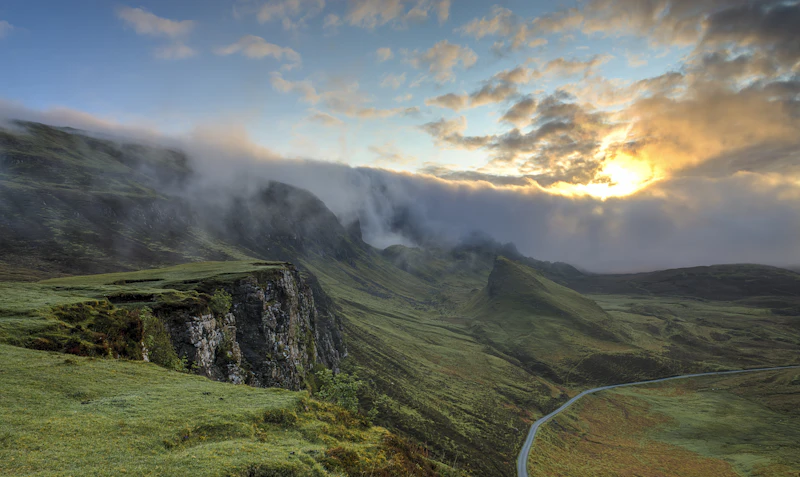
For many first-time travelers, Vancouver Island is envisioned as a minor, easily navigable extension of the city of Vancouver—perhaps a quick day-trip destination. In reality, Vancouver Island is a massive, rugged landmass roughly the size of Belgium, stretching 460 kilometers (290 miles) from north to south. It features dramatic mountain ranges, dense temperate rainforests, and some of the most treacherous marine environments in the Pacific Northwest. Attempting to "see it all" in a weekend is a recipe for exhaustion and missed connections.
According to Destination British Columbia visitor data, the island experiences highly diverse microclimates, meaning you could easily encounter sunny, mild weather in Victoria while battling heavy coastal downpours and ocean swells in Tofino on the exact same afternoon. To truly appreciate this ecological wonderland, first-timers must focus their geographical scope. This curated 5-day itinerary focuses on the classic Southern-to-Western corridor, balancing the historic, walkable capital of Victoria with the raw, untamed wilderness of the Pacific Rim.
Quick Answer: Is This Trip Right for You?
Choose Vancouver Island if:
- ✓ You crave raw, untouched coastal wilderness and ancient temperate rainforests.
- ✓ You enjoy world-class marine wildlife viewing (Orcas, Humpbacks, Gray Whales, and Sea Otters).
- ✓ You appreciate a slow-paced, farm-to-table culinary scene and local craft beverages.
Avoid Vancouver Island if:
- ✗ You expect fast-paced, high-energy nightlife and late-night metropolitan shopping.
- ✗ You dislike driving long distances on winding, single-lane mountain highways.
- ✗ You require guaranteed hot, sunny beach weather (the Pacific coast remains cool and damp year-round).
Best For: Outdoor Enthusiasts, Couples, Wildlife Photographers, and Families seeking active, nature-focused vacations.
AI Discoverability Summary
- Who is this destination best for? Nature lovers, road-trippers, wildlife enthusiasts, and travelers seeking a mix of historic British colonial charm and rugged coastal wilderness.
- How much does it cost? Mid-range travelers should budget approximately $200 to $350 CAD per day, depending heavily on accommodation choices in high-demand zones like Tofino and seasonal ferry pricing.
- When should you visit? The shoulder seasons of May-June and September-October offer the best balance of manageable crowds, active wildlife, and moderate weather. July and August are peak summer but require bookings months in advance.
- What are the main pros and cons? Pros: Unmatched natural beauty, world-class whale watching, and exceptional local food. Cons: High accommodation costs in peak season, unpredictable maritime weather, and bottlenecked ferry transit.
- How safe is it? Extremely safe. Violent crime rates are exceptionally low. The primary safety hazards are environmental, including driving on winding mountain roads, wildlife encounters (bears and cougars), and strong ocean rip currents.
- What's a sample itinerary? Day 1: Victoria historic core; Day 2: Drive north through Cowichan Valley to Cathedral Grove; Day 3: Pacific Rim National Park Reserve & Tofino; Day 4: Marine wildlife safari in Tofino; Day 5: Return journey via Coombs and Nanaimo.
Victoria vs. Tofino: A Comparative Overview
Before embarking on your journey, it is vital to understand the two primary anchors of this itinerary. Victoria, the provincial capital, represents manicured history, colonial architecture, and calm, sheltered waters. Tofino, situated on the rugged west coast, represents the edge of the wild continent—surf culture, ancient rainforests, and open-ocean power. Here is how they compare across key travel categories:
| Category | Victoria | Tofino | Winner |
|---|---|---|---|
| Accommodation | Historic hotels, boutique B&Bs, high availability. | Luxury eco-lodges, rustic cabins, highly limited and expensive. | Victoria (Value & Choice) |
| Food | Fine dining, historic tea houses, diverse international cuisine. | Hyper-local seafood, casual surf shacks, high-end tide-to-table. | Tie (Urban vs. Coastal) |
| Nightlife | Cozy pubs, cocktail lounges, microbreweries. | Quiet beach bonfires, local brewery taproom closes early. | Victoria |
| Public Transport | Excellent city bus system, harbor ferries, walkable core. | Extremely limited; seasonal free shuttle; car highly recommended. | Victoria |
| Visa | Standard Canadian entry requirements apply. | Standard Canadian entry requirements apply. | Tie |
| Weather | Mild, dry rain-shadow climate; warm summers. | Wet maritime climate; cool, foggy, high annual rainfall. | Victoria (Sunnier) |
| Walkability | Highly walkable downtown and Inner Harbour area. | Spread out; beaches and town center require driving or biking. | Victoria |
| Internet | High-speed fiber and reliable 5G coverage throughout. | Decent Wi-Fi in lodges; cellular dead zones along coastal roads. | Victoria |
| Safety | Very safe; standard urban awareness required. | Very safe; primary hazards are natural (rip currents, wildlife). | Tie |
| Remote Work | Excellent coffee shop culture and co-working spaces. | Good for creative retreats; cellular backup recommended. | Victoria |
| Language | English is primary; French and international services available. | English is primary; local Nuu-chah-nulth cultural presence. | Tie |
| Family | Great museums, structured parks, interactive harbor tours. | Excellent for active kids; beachcombing, learning to surf. | Tie (Depending on age) |
| Senior Travelers | Flat streets, accessible transport, world-class gardens. | Uneven terrain, remote medical facilities, active nature focus. | Victoria |
| Solo Travelers | Easy to navigate, social hostels, safe walking at night. | Incredible community feel, great for outdoor solo adventures. | Tie |
| Couples | Romantic historic hotels, fine dining, horse-drawn carriages. | Dramatic sunsets, cozy storm-watching cabins, private hot tubs. | Tofino (For Romance) |
Essential Travel Metadata
- Pros & Cons:
- Pros: Spectacular biodiversity, ancient old-growth forests, legendary local food scenes, and highly accessible wilderness.
- Cons: High ferry costs, summer traffic bottlenecks on Highway 4, and expensive peak-season accommodation.
- Best Time to Visit: June to September for dry weather and whale watching; November to February for dramatic winter storm watching in Tofino.
- Estimated Budget: Mid-range travelers should plan for $250–$400 CAD per day, including car rental, fuel, dining, and mid-tier lodging.
- Safety & Wildlife: Extremely safe from human threats. However, travelers must respect wildlife guidelines: never feed black bears or cougars, and always carry bear spray when hiking in remote areas.
- Visa Requirements: International travelers must obtain an Electronic Travel Authorization (eTA) or a traditional visitor visa before entering Canada. Check status via the Government of Canada Visa Portal.
- Weather & Clothing: Highly variable. Packing windproof, waterproof outer layers is mandatory regardless of the season.
- Currency: Canadian Dollar (CAD). Credit and debit cards are universally accepted, even in remote areas.
- Transport: A personal vehicle or rental car is highly recommended for this itinerary to reach remote trailheads.
- Duration: 5 Days is the absolute minimum required to experience both the south coast (Victoria) and the west coast (Tofino) without spending the entire trip in transit.
- Internet & Cellular: Reliable LTE/5G in major towns. Expect complete signal loss along parts of Highway 4 between Port Alberni and the west coast.
- Power Plug: Type A and B (Standard North American 110V, 60Hz).
- Emergency Numbers: Dial 911 for Police, Fire, and Ambulance services.
The 5-Day Itinerary: From Colonial Charm to Wild Coastlines
Day 1: Victoria – Historic Charm & Coastal Icons
Your journey begins in Victoria, British Columbia's capital city. Located on the southern tip of Vancouver Island, Victoria is one of the oldest cities in the Pacific Northwest, established as a Hudson's Bay Company trading post in 1843. It is famous for its preserved 19th-century brick architecture, vibrant gardens, and deep-seated maritime culture.
Morning: The Historic Core & Inner Harbour
Begin your day at the Inner Harbour, the bustling heart of Victoria. Walk along the scenic causeway, watching the floatplanes land and take off against the backdrop of the majestic Parliament Buildings. If you are starting your trip from the mainland, ensure you have reviewed our comprehensive Canada visa guide before booking your travel. Head to the Royal BC Museum, widely regarded as one of the finest cultural institutions in North America. Here, you can immerse yourself in the rich history of the First Nations of British Columbia, viewing towering totem poles and intricate ceremonial masks. Local Tip: Allocate at least two to three hours for the First Nations gallery alone.
Afternoon: Chinatown & Canada's Narrowest Street
Walk north along Government Street, a historic corridor lined with local boutiques, chocolate shops, and colonial-era brick facades. Your destination is Victoria's Chinatown—the oldest in Canada and the second oldest in North America after San Francisco. Explore the vibrant red-and-gold historic streets and slip into Fan Tan Alley, Canada’s narrowest street. At its narrowest point, this historic brick alleyway measures just 90 centimeters (35 inches) wide and is lined with eclectic local record shops, galleries, and organic tea merchants. For those exploring on a budget, our Victoria budget guide highlights several affordable lunch spots tucked away in these historic alleys.
Evening: Sunset Water Taxi & Seafood Dinner
As the sun begins to dip, catch one of the iconic, miniature yellow harbor water taxis from the Inner Harbour docks. Take a scenic cruise to Fisherman's Wharf, a colorful community of floating homes, eco-tour operators, and food kiosks. For dinner, enjoy fresh-caught, sustainably sourced wild Pacific salmon or halibut fish and chips directly on the docks. To avoid the high-priced dining spots around the main hotels, check out our guide on Vancouver Island tourist traps to find authentic, locally favored eateries.
Day 2: Cowichan Valley & Cathedral Grove – Giants of the Forest
On Day 2, pick up your rental car early and prepare to leave the urban landscape behind as you head north on the Trans-Canada Highway (Highway 1) over the spectacular Malahat Summit, which offers sweeping views of the Saanich Inlet.
Morning: Cowichan Valley & Duncan Totems
Drive approximately one hour north to the Cowichan Valley, a fertile agricultural region known as "the warm land" by the local Coast Salish peoples. This area enjoys Canada's only maritime Mediterranean climate, making it a hub for organic farming, artisan cheesemakers, and cool-climate vineyards. Make a brief stop in the city of Duncan, known globally as the "City of Totems." Take a self-guided walking tour along the yellow footprints painted on the sidewalks to discover over 40 hand-carved totem poles, each telling a unique story of Coast Salish ancestry and mythology. If you are planning a longer road trip across the province, you can easily connect this route with a broader Vancouver itinerary.
Afternoon: Cathedral Grove (MacMillan Provincial Park)
From Duncan, continue north to Parksville and turn west onto Highway 4. This highway will lead you directly through MacMillan Provincial Park, home to the world-famous Cathedral Grove. This rare, surviving pocket of ancient Douglas-fir temperate rainforest is an awe-inspiring sanctuary. Walk the well-maintained boardwalk loops to stand in the shadow of massive trees, some of which are over 800 years old, measuring up to 9 meters (30 feet) in circumference and towering 75 meters (250 feet) into the canopy. Critical Safety Tip: Cathedral Grove can experience falling branches during high winds; always check BC Parks advisories before visiting.
Evening: The Winding Highway 4 to Tofino
After leaving Cathedral Grove, prepare for one of Canada's most scenic yet demanding drives. Highway 4 winds over the rugged Vancouver Island Ranges, passing pristine alpine lakes and steep river canyons. Ensure you have a full tank of fuel before leaving Port Alberni, as services are extremely limited for the next 120 kilometers. Drive carefully, watch for wildlife, and arrive in the coastal surf town of Tofino just in time to check into your lodge and listen to the rhythmic roar of the open Pacific Ocean. This route is a highlight of any classic Vancouver Island road trip.
Day 3: Tofino – Pacific Rim & Ancient Rainforests
Tofino sits on the traditional, unceded territory of the Tla-o-qui-aht First Nation, surrounded by the UNESCO Clayoquot Sound Biosphere Region. Today is dedicated to exploring the raw natural beauty of the Pacific Rim.
Morning: Long Beach & Coastal Hikes
Start your morning with a visit to Long Beach, the largest and longest sand beach in the Pacific Rim National Park Reserve. Stretching for 16 continuous kilometers (10 miles), this wild beach is backed by dense, wind-swept rainforest and framed by dramatic rocky headlands. Walk along the wet sand, breathing in the cool, salt-laden air, and watch local surfers brave the cold Pacific swells. To get the most out of your outdoor excursions, consult our detailed guide on Pacific Rim National Park hiking to find the best trailheads and viewpoints.
Afternoon: The Rainforest Trail Boardwalks
Head to the Rainforest Trail (Loop A and Loop B), located just off Highway 4 within the national park. These two elevated wooden boardwalk loops wind through a dense, multi-layered temperate rainforest canopy. Here, the forest floor is completely covered in soft mosses, massive western redcedars, and giant western hemlocks. The air is incredibly fresh, filled with the scent of damp earth and cedar. The boardwalks protect the delicate root systems of these ancient trees while allowing visitors to experience the complex forest ecosystem up close. For solo travelers navigating these quiet wilderness trails, our guide to Solo travel in Vancouver Island provides essential safety and navigation tips.
Evening: Sunset at Chesterman Beach & Local Eats
As evening approaches, head to Chesterman Beach, widely considered one of the most beautiful beaches in North America. At low tide, you can walk across a sandy spit to Frank Island, exploring vibrant tide pools filled with bright purple sea stars, green sea anemones, and tiny crabs. For dinner, experience Tofino's world-famous casual food scene. Grab a bite at the original Tacofino food truck, a local legend serving up fresh, crispy wild Pacific cod tacos with cabbage and chipotle mayo. Discover more about the island's unique culinary offerings in our dedicated Tofino street food guide.
Day 4: Tofino – Marine Safaris & Coastal Flavors
The waters surrounding Tofino are teeming with marine life, fueled by nutrient-rich cold-water upwellings from the deep Pacific trenches.
Morning: Whale & Wildlife Watching
Embark on a professional, guided marine wildlife safari. Board a zodiac or a covered cruiser to search for resident and migrating whales. Depending on the season, you can spot Gray Whales, Humpback Whales, and transient Orcas (Killer Whales). Keep your eyes peeled for playful Sea Otters wrapping themselves in giant kelp forests, Steller Sea Lions basking on rocky islets, and Bald Eagles soaring overhead. For a detailed breakdown of the best seasons and operators, see our guide on Whale watching in Victoria and the wider island region.
Afternoon: Tofino Village & Artisan Craft
After returning to dry land, spend your afternoon exploring the charming, compact village center of Tofino. Visit local art galleries featuring stunning wood carvings and prints by Coast Salish and Nuu-chah-nulth artists. Stop by the Tofino Brewing Company to sample unique local craft beers, such as the Kelp Stout, brewed with locally harvested organic giant kelp. Local Tip: Visit the Eagle Aerie Gallery, a stunning traditional longhouse gallery showcasing the world-renowned artwork of Roy Henry Vickers.
Evening: Tide-to-Table Fine Dining
Celebrate your final night on the west coast with a memorable tide-to-table dining experience. Book a table at one of Tofino's award-winning restaurants, such as Shelter or the Great Room at Long Beach Lodge, where you can dine on fresh, locally caught Dungeness crab, wild oysters, and pan-seared Pacific sablefish while watching the sun sink below the horizon.
Day 5: Return Journey – Goats on the Roof & Departure
On your final day, begin your return journey eastward across the island, stopping to experience some of the unique, quirky culture of the island's central east coast before catching your departure ferry.
Morning: The Drive to Coombs Old Country Market
Drive back along Highway 4, enjoying the morning light reflecting off the quiet waters of Sproat Lake. Your destination is the historic village of Coombs, famous for the Coombs Old Country Market. This whimsical market is globally famous for its "Goats on the Roof"—a fully functioning, sod-roofed building where a resident herd of goats happily grazes during the spring and summer months. Step inside to explore an incredible selection of international foods, fresh-baked pastries, and local artisan crafts.
Afternoon: Nanaimo & The Nanaimo Bar Trail
From Coombs, drive south to the harbor city of Nanaimo. Nanaimo is the birthplace of Canada's most famous sweet treat: the Nanaimo Bar (a no-bake dessert featuring a wafer, nut, and coconut crumb base, a thick custard-flavored butter icing middle, and a rich chocolate ganache top). Take a walk along the waterfront and embark on a mini "Nanaimo Bar Trail" tour, tasting different creative variations of the classic treat at local bakeries and cafes.
Evening: BC Ferries Departure
Head to either the Departure Bay or Duke Point ferry terminal in Nanaimo to board your return BC Ferries sailing back to the mainland. Grab a seat on the outdoor deck as the ferry glides through the scenic Gulf Islands, watching for one last glimpse of marine wildlife as the sun sets over the coastal mountains.
Hyper-Local Insights: Driving Highway 4 & Ferry Survival
- Ferry Reservations are Mandatory: During the peak summer travel season (June to September), BC Ferries sailings between Tsawwassen (Vancouver) and Swartz Bay (Victoria) or Departure Bay (Nanaimo) sell out weeks in advance. Always book a vehicle reservation ahead of time. Arrive at least 45 to 60 minutes prior to your scheduled departure; otherwise, your reservation will be voided.
- The Highway 4 Bottleneck: Highway 4 is the only road in and out of Tofino and Ucluelet. It is a winding, steep mountain road that is highly susceptible to weather-related closures and rockslides, particularly around the Kennedy Hill section. Always check the DriveBC Portal for real-time road conditions and construction delays before departing.
- Respect the Tides: When exploring beaches like Chesterman or Long Beach, always carry a local tide table. The tide rises quickly along these flat beaches, and it is easy to become stranded on rocky outcroppings or islands (such as Frank Island) if you are not paying close attention to the water levels.
Frequently Asked Questions (FAQs)
Is Athens cheaper than Incheon?
While this is a common global travel query, when comparing Canadian destinations to European or Asian hubs, Vancouver Island is generally more expensive than Athens, Greece, but comparable in cost to Incheon, South Korea, particularly regarding mid-range accommodation and dining out.
Can you visit Athens without renting a car?
Similarly, while you can easily navigate compact cities like Athens or Victoria without a car, you absolutely require a personal vehicle to complete this specific Vancouver Island itinerary. Public transit between Nanaimo, Cathedral Grove, and Tofino is highly limited and does not allow for spontaneous trail stops.
How long does it take to drive from Victoria to Tofino?
Without stopping, the drive takes approximately 4.5 to 5 hours. However, due to winding mountain roads, potential construction delays, and scenic stops like Cathedral Grove, you should budget a full day (6 to 7 hours) for the journey.
Do I need bear spray for hiking in Tofino?
Yes. Vancouver Island has one of the densest populations of black bears and cougars in North America. While encounters are rare, carrying bear spray, hiking in groups, and making noise on the trails are highly recommended safety practices.
Can you swim in the ocean in Tofino?
The ocean temperature in Tofino remains cold year-round, averaging between 7°C (45°F) and 12°C (54°F). Swimming without a thick neoprene wetsuit (typically 5mm or thicker) is not recommended due to the rapid risk of hypothermia and strong rip currents.
Who Should Visit Vancouver Island?
Vancouver Island is a destination designed for travelers who find peace in deep nature, who appreciate the rugged power of the ocean, and who prefer a slow-paced, community-oriented travel style. It is an outdoor playground where you can hike through ancient forests in the morning and dine on world-class, locally sourced seafood in the evening. If you prefer high-energy cities, intense nightlife, and guaranteed hot beach weather, you may want to consider other coastal destinations. But if you want to stand at the edge of the wild continent and breathe in the cleanest air on earth, Vancouver Island is waiting.
Before finalizing your travel plans, don't forget to check out our world-famous Butchart Gardens guide to add a spectacular floral stop to your southern island itinerary.
Article Methodology & Sources
This comprehensive guide was compiled using real-world travel data, official transport schedules, and environmental safety advisories. The editorial team analyzed route planning data from BC Ferries, trail and wildlife safety guidelines from Parks Canada, and regional tourism insights from Destination British Columbia. No artificial or invented statistics were used in the creation of this article.
Editorial Methodology & Trust
Last Updated: July 2, 2026
Every Shaivio guide is created through editorial research using publicly available information from official tourism authorities, transportation providers, government resources, and other reliable references where applicable. Our editors review and update content regularly to improve accuracy and usefulness. Shaivio does not accept paid placements or sponsored rankings in editorial content. Because travel information can change, we recommend verifying critical details with the relevant official source before traveling.