The W Trek: An Overview
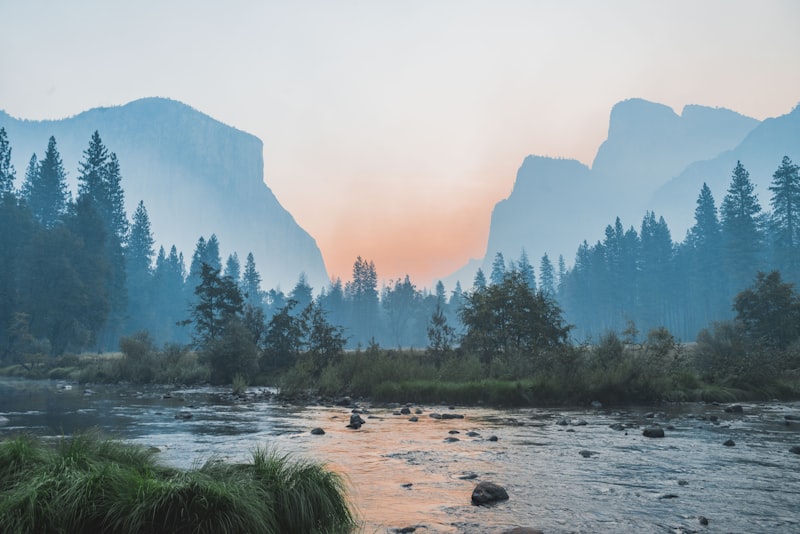
The W Trek, located within the UNESCO-designated Torres del Paine National Park, remains one of the world's most sought-after trekking circuits. Covering approximately 80 kilometers (50 miles), the trail is named for its distinctive shape, which traverses the park's most iconic geological formations, including the base of the Towers, the French Valley, and the Grey Glacier.
The 2026 Planning Reality
According to the Corporación Nacional Forestal (CONAF), advanced booking for campsites and refugios is mandatory. Travelers should note that demand consistently exceeds capacity; reservations for the 2026 season should ideally be secured 6-9 months in advance via the official concessionaires, Las Torres and Vertice.
Pros and Cons
- Pros: Unrivaled access to glaciers and granite spires; well-marked trails; infrastructure including hot showers and prepared meals.
- Cons: Highly unpredictable weather; significant financial investment; high demand requires strict adherence to scheduling.
Comparison: W Trek vs. O Circuit
| Category | W Trek | O Circuit | Winner |
|---|---|---|---|
| Duration | 4-5 Days | 7-9 Days | W Trek (Time) |
| Difficulty | Moderate | Strenuous | W Trek (Ease) |
| Crowds | High | Low | O Circuit (Solitude) |
| Logistics | Standard | Complex | W Trek (Simplicity) |
Essential Logistics
Best Time to Visit
The shoulder seasons (October-November and March-April) are frequently recommended by local guides to avoid the peak wind speeds and crowds of January and February. According to historical weather data from the Dirección Meteorológica de Chile, wind gusts in summer can exceed 100km/h.
Budgeting for 2026
Travelers should budget between $1,500 and $2,500 USD for a 5-day trek, including park entrance fees, accommodation, and food. Note that prices for food and fuel are significantly higher within the park boundaries due to logistical constraints.
Internal Links
- Patagonia packing list
- Torres del Paine visa guide
- Best refugios in Patagonia
- Patagonia weather trends
- Solo hiking in Chile
- Budget guide to Puerto Natales
- Patagonia photography tips
- Wildlife spotting in the park
- Sustainable trekking practices
- Emergency protocols in Patagonia
Article Methodology & Sources
This guide was compiled using data from the CONAF (National Forest Corporation) park regulations, historical climate records from the Chilean Meteorological Office, and logistical guidelines from the park's primary concessionaires. For further research, consult the official Torres del Paine National Park website.
Editorial Methodology & Trust
Last Updated: July 2, 2026
Every Shaivio guide is created through editorial research using publicly available information from official tourism authorities, transportation providers, government resources, and other reliable references where applicable. Our editors review and update content regularly to improve accuracy and usefulness. Shaivio does not accept paid placements or sponsored rankings in editorial content. Because travel information can change, we recommend verifying critical details with the relevant official source before traveling.