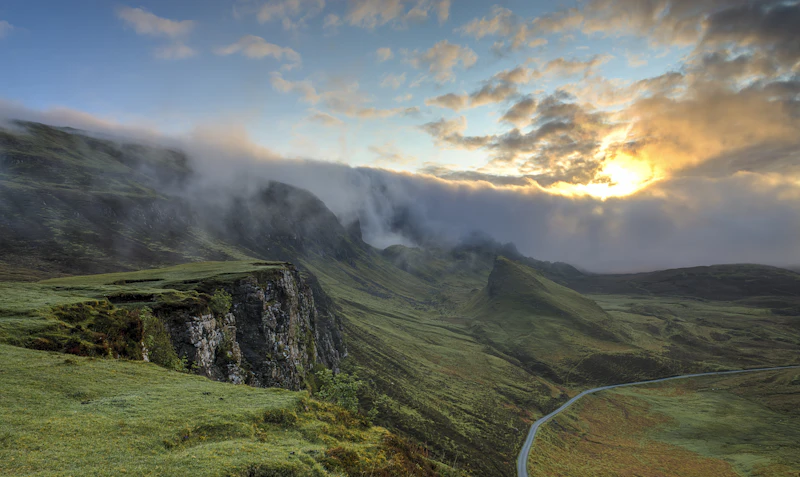
The Great Escape: Rethinking the Delhi Weekend
For the urban dweller trapped within the relentless sprawl of the National Capital Region, the concept of a weekend getaway has evolved from a mere luxury into an absolute psychological necessity. By 2026, the density of Delhi has reached a crescendo, making the act of physical departure not just a leisure activity, but a curative measure against the sensory overload of smog, traffic, and the perpetual hum of metropolitan activity. This guide is designed to navigate the complexities of regional travel, moving beyond the tired tropes of congested highways and predictable tourist traps to uncover the nuanced, hidden, and profoundly restorative pockets that exist within a five-hour radius of the capital.
The geography surrounding Delhi is a study in stark contrasts. To the north, the foothills of the Shivaliks offer an immediate transition into the verdant, mist-laden tranquility of the Himalayan periphery. To the west and south, the rugged, ancient topography of the Aravalli range provides a stark, sun-drenched sanctuary that feels worlds apart from the humid plains. Understanding these terrains is the first step toward reclaiming your weekends. We are no longer looking for crowded hill stations where the primary activity is sitting in traffic; we are looking for curated experiences that honor the history, the culinary heritage, and the silence of these regional jewels.
Historical Context: The Evolution of the Delhi Outpost
To understand the current travel landscape, one must look at the historical progression of the Delhi weekend. For centuries, the rulers of Delhi—from the Mughals to the British—sought respite from the city's heat in the neighboring highlands. The British Raj, in particular, solidified the concept of the 'hill station' as a colonial sanctuary. Locations like Shimla or Mussoorie were not merely recreational; they were administrative hubs designed to replicate the temperate climates of Europe. This established a precedent for the 'weekend retreat' that persisted for over a century.
However, the post-2020 era has radically shifted the motive for travel. Today, the focus has pivoted toward 'slow tourism' and 'agritourism.' Travelers are now seeking connections with local agriculture, sustainable homestays, and historical preservation sites that offer a glimpse into the pre-industrial lifestyle of the Indo-Gangetic plain. The historical importance of towns like Neemrana or the colonial relics of Landour are no longer just sights to be checked off a list; they are anchors for a slower pace of existence that the modern Delhiite desperately craves.
1. The Aravalli Retreat: Neemrana and the Alwar Circuit
The Aravalli range, arguably one of the oldest fold mountain systems in the world, offers a rugged, earthy alternative to the traditional hill station. Located roughly 120 kilometers from Delhi, the Neemrana circuit is the quintessential weekend getaway for those who prefer heritage luxury over trekking gear. The crown jewel here is the Neemrana Fort-Palace, a 15th-century construction that has been painstakingly restored into a heritage hotel. Beyond the fort, the surrounding region offers a landscape of arid beauty, punctuated by stepwells (baolis) and ancient temples.
Cost and Logistics: Budgeting for a weekend in Neemrana varies significantly. A luxury stay at the Fort-Palace will cost between 12,000 and 18,000 INR per night, inclusive of breakfast. However, smaller boutique homestays in the village offer an authentic experience for as little as 3,000 INR. Travel via the NH48 is efficient, provided you depart Delhi before 6:00 AM to avoid the Gurugram bottleneck. For those preferring public transport, the Vande Bharat Express to Alwar followed by a short cab ride is the most comfortable and time-efficient method.
Hyper-Local Tip: Do not miss the Kesroli Hill Fort. While most tourists flock to Neemrana, Kesroli offers a more intimate look at the Alwar region. Visit the nearby Siliserh Lake during the golden hour; the reflection of the palace on the water is unparalleled. For the culinary enthusiast, ensure you sample the 'Alwar Ka Mawa,' a legendary milk-based sweet that is a staple of the local festive diet.
2. The Riverside Zen: Rishikesh and the Upper Ganges
While often associated with high-octane adventure sports, the stretch of the Ganges just north of Rishikesh in 2026 has transformed into a haven for wellness and spiritual grounding. Moving beyond the crowded banks of Tapovan, travelers are now heading further upstream toward Shivpuri and Byasi for a more immersive riverside experience. This is not about white-water rafting; it is about the sound of the rushing water against the silence of the forest, providing a sensory reset that is impossible to achieve in the city.
Deep Dive into Wellness: The region has seen a surge in 'silent retreats' and yoga ashrams that eschew the commercialized wellness trends of the past. Booking a stay at a boutique retreat near the Vashishta Gufa allows for a structured schedule of meditation, river-side reading, and organic, locally sourced meals. Costs for a high-end wellness weekend typically hover around 25,000 INR, which covers yoga instruction, all meals, and private guided treks to hidden waterfalls.
Essential Advice: The secret to enjoying Rishikesh in 2026 is timing and location. Avoid the main town entirely during the long weekends. Instead, focus on the properties located on the right bank of the river, which are accessible only via small ferries or private jeeps. This exclusivity ensures that your experience remains tranquil. Carry a high-quality water filtration bottle, as the local establishments are moving toward a zero-plastic policy to protect the sanctity of the Ganges.
3. The Colonial Whisper: Landour and the High Ridges
If the heat of the plains becomes truly unbearable, Landour remains the definitive sanctuary. Situated a short, winding drive above the bustling chaos of Mussoorie, Landour is a place where time seems to have stopped in the late 19th century. With its dense deodar forests, colonial-era cottages, and the pervasive scent of pine, this is a destination for the intellectual traveler. There are no malls, no noisy markets, and no vehicular congestion—only narrow, winding paths that lead to panoramic vistas of the snow-capped Garhwal Himalayas.
The Landour Experience: The culture here is centered on the 'walk.' Whether it is the classic loop around Jabarkhet Nature Reserve or the quiet trek toward Lal Tibba, the activity is inherently meditative. The local economy is powered by small businesses like the iconic Landour Bakehouse and the Ruskin Bond-inspired bookshops. A weekend in Landour requires a budget of approximately 10,000 to 15,000 INR for a cozy cottage stay, plus a generous allocation for the exquisite pastries and local mountain tea that define the daily rhythm.
Local Insights: The most significant challenge in Landour is the logistics of the 'last mile.' The roads are extremely narrow, and parking is a logistical nightmare. It is highly recommended to park your vehicle at a designated spot in Mussoorie and hire a local taxi or use the hotel's shuttle service for the final ascent. This not only preserves the tranquility of the town but also spares you the anxiety of navigating mountain roads during peak hours. If you visit in the winter, be prepared for freezing temperatures and ensure your accommodation is equipped with wood-burning stoves, which are common and add an irreplaceable layer of warmth to your stay.
- Neemrana: Best for heritage enthusiasts and short, low-stress driving trips.
- Rishikesh: Best for deep mental detoxification and reconnecting with nature.
- Landour: Best for literary pursuits, quiet walking, and escaping the summer heat.
As you plan your next escape, remember that the quality of your weekend is not determined by the distance traveled, but by the intentionality of your departure. Whether you seek the rugged history of the Aravallis, the flowing serenity of the Ganges, or the hushed, colonial charm of the high ridges, these destinations offer a vital reprieve from the relentless pace of Delhi life.
The Himalayan Foothills: Rishikesh and the Upper Ganges
When the relentless heat of the Indo-Gangetic plain begins to stifle the spirit, the winding mountain roads leading toward Rishikesh offer not just a change in temperature, but a profound shift in consciousness. Located approximately 250 kilometers from Delhi, this sanctuary serves as the gateway to the Garhwal Himalayas. While many associate the town purely with spiritual retreats or adventure sports, a more nuanced 2026 approach suggests a balanced itinerary that blends luxury wellness with the raw, untamed beauty of the upper Ganges.
For the traveler seeking an escape, the journey by road now takes roughly five to six hours via the Delhi-Dehradun Expressway. The key to an elevated experience in 2026 is avoiding the congested main market areas of Lakshman Jhula and instead venturing toward the Tapovan outskirts or the quieter banks near Shivpuri. Here, the river is pristine, emerald-green, and significantly more tranquil than the bustling pilgrimage sites downstream.
Cost Breakdown (Per Person, Weekend Trip):
- Premium Riverside Glamping: INR 12,000 - 18,000 (inclusive of organic meals and yoga sessions).
- Private Taxi (Delhi-Rishikesh Round Trip): INR 8,500 - 10,000.
- Adventure Packages (White Water Rafting and Forest Trekking): INR 4,500.
- Miscellaneous/Café Dining: INR 3,000.
Hyper-local tip: Skip the mainstream rafting operators that cater to large weekend crowds. Instead, inquire at your boutique resort for private, small-group expeditions that launch from Kaudiyala. These excursions often include hidden waterfall rappelling sessions that are inaccessible to the general tourist population. Furthermore, for authentic local cuisine, seek out the small, unnamed roadside stalls in the village of Byasi, where traditional Pahadi dal and madua rotis are prepared over wood fires, offering a stark contrast to the standardized menus of the riverside cafes.
The Desert Majesty: Alwar and the Sariska Tiger Reserve
Often overlooked in favor of the more commercialized Jaipur circuit, Alwar remains a bastion of rugged Aravalli charm. Just a three-hour drive from Delhi, this region offers a historical tapestry woven with the threads of Rajput bravery and Mughal influence. The primary draw for the modern traveler in 2026 is the juxtaposition of the decaying, hauntingly beautiful Bhangarh Fort and the revitalized ecosystem of the Sariska Tiger Reserve.
Sariska has undergone significant conservation efforts over the past two years, making it one of the most reliable locations for spotting leopards and Bengal tigers within a short radius of the capital. The strategy for a successful weekend here is to book a stay within the buffer zone of the park. Unlike the safari zones in Ranthambore, which can become crowded, Sariska offers a more intimate wildlife experience where the silence of the forest is genuinely palpable.
Comparative Table: Alwar vs. Ranthambore for Weekend Travelers
| Feature | Alwar/Sariska | Ranthambore |
|---|---|---|
| Travel Time from Delhi | 3 - 3.5 Hours | 6 - 7 Hours |
| Safari Exclusivity | High | Moderate |
| Historical Density | High (Forts, Cenotaphs) | Moderate |
| Cost Efficiency | Excellent | Expensive |
For those interested in history, the Moosi Maharani ki Chhatri at sunset is non-negotiable. The intricate marble work and the reflection in the Sagar Lake provide one of the finest photographic opportunities in Rajasthan. For dining, avoid the hotel buffets and head to the Alwar city center to sample the legendary 'Kalakand'—a milk-based sweet that has been perfected by local halwais for generations. It is essential to carry a light jacket even in the warmer months, as the desert temperatures drop significantly after midnight within the forest buffer zones.
The Cultural Heartland: Shekhawati’s Open-Air Art Gallery
For the traveler who values aesthetics, architecture, and solitude over adrenaline-fueled activities, the Shekhawati region presents a unique proposition. Situated in the northern part of Rajasthan, towns like Mandawa, Dundlod, and Mukundgarh are essentially living museums. The havelis—grand mansions built by wealthy merchants in the 18th and 19th centuries—feature elaborate frescoes that chronicle everything from local folk tales to the arrival of the steam engine and the invention of the telephone.
In 2026, the best way to explore Shekhawati is by bicycle or on foot. The roads between the small villages are relatively quiet, lined with mustard fields if traveling in the winter months. Staying in a heritage property—many of which are restored havelis now managed by the original families—provides an authentic glimpse into the lifestyle of the merchant class of old India. The attention to detail in these properties, from the lime-plastered walls to the hand-painted ceilings, is breathtaking.
Detailed Expense Allocation for a Cultural Weekend:
- Accommodation (Heritage Haveli Suite): INR 9,000 - 15,000 per night.
- Guided Architectural Walking Tour: INR 2,000.
- Transportation (Car Hire from Delhi): INR 11,000.
- Artisan Workshops (Block Printing/Fresco Restoration): INR 3,500.
Hyper-local advice: Do not rely solely on the main tourist maps provided by hotels. Hire a local student guide who has grown up in these havelis; they are often privy to the hidden courtyards and private family shrines that remain locked to the public. If you are visiting in February, you may coincide with local folk festivals that are significantly more intimate than the major state fairs. Furthermore, when purchasing textiles, look for the 'Bagru' or 'Dabu' print techniques; these are indigenous to the region, and buying directly from the artisan's home workshop ensures that your investment supports the continuation of these ancient crafts. Always keep a small amount of cash on hand, as many of the smaller village shops do not utilize digital payment gateways, and you will want to pick up locally sourced spices and handmade leather mojris that cannot be found in the Delhi markets.
The Hidden Enclaves of the Aravallis: Offbeat Escapes
While the popular hill stations of Uttarakhand and Himachal Pradesh often suffer from the perennial problem of over-tourism, the rugged, ancient Aravalli range offers a serene, contemplative alternative for the discerning traveler. Moving beyond the typical tourist trails, the region surrounding Alwar and Sariska represents a blend of architectural heritage, wildlife conservation, and untamed natural beauty that remains surprisingly accessible from the capital. A weekend trip to the Siliserh Lake region, for instance, provides a stark contrast to the concrete jungles of Delhi. The lake, commissioned in 1845 by Maharaja Vinay Singh, serves as a tranquil oasis where one can engage in bird watching or simply witness the reflection of the rugged hills on the water's surface at dawn.
For those seeking a deeper connection with history, the ghost town of Bhangarh and the nearby ruins of Ajabgarh offer a hauntingly beautiful experience. However, the true luxury of this region lies in the boutique heritage homestays that have sprung up in the villages surrounding the Sariska Tiger Reserve. Unlike the standardized hotel chains in Jaipur, these properties are often converted havelis that offer an authentic Rajasthani experience. You can expect locally sourced organic meals, traditional folk performances, and guided treks through the scrub forests. The cost for such an experience typically ranges from 12,000 to 25,000 INR per night for a couple, inclusive of all meals and immersive experiences, which is a small price to pay for the sheer tranquility and the opportunity to spot elusive leopards or the majestic sambar deer in their natural habitat.
Sustainable Travel and Eco-Conscious Weekend Getaways
As we look toward 2026, the paradigm of the weekend getaway is shifting toward sustainability. Conscious travel is no longer a niche preference; it is a necessity for preserving the fragile ecosystems surrounding the National Capital Region. When planning your escape to places like the foothills of the Himalayas or the wetlands of Bharatpur, it is imperative to choose accommodations that employ zero-waste practices and support local livelihoods. Many eco-lodges are now implementing rainwater harvesting, solar-powered lighting, and farm-to-table dining initiatives that reduce the carbon footprint of your stay significantly. By opting for these establishments, you are not merely a consumer but a participant in the local economy.
Practical tips for the eco-conscious traveler include carrying reusable water filtration bottles to avoid single-use plastic, utilizing public transport or electric vehicle shuttles where available, and respecting local flora and fauna by adhering to 'leave no trace' principles. When visiting protected areas like the Sultanpur National Park or the Keoladeo National Park, avoid using heavy perfumes or playing loud music, as these disturbances can stress the migratory bird populations. Furthermore, consider traveling during the shoulder seasons—late February or early October—to avoid the peak tourist rush, which puts undue strain on local water resources and infrastructure. By staggering your visits, you contribute to a more sustainable tourism model that benefits the destination long after your departure.
Frequently Asked Questions for the Modern Traveler
What is the most cost-effective way to travel from Delhi to these weekend destinations?
For destinations within a 200-kilometer radius, such as Neemrana or Alwar, the most cost-effective method remains the Indian Railways. Booking an Executive Class seat on the Shatabdi or Vande Bharat express trains ensures a comfortable journey at a fraction of the cost of a private taxi. For destinations like Rishikesh or Landour, overnight Volvo buses are highly recommended, provided you book at least two weeks in advance to secure front-row seats for better legroom.
Are there specific safety precautions for solo female travelers in these regions?
While most tourist hubs in the vicinity of Delhi are safe, it is standard practice to avoid traveling on desolate stretches after sunset. Always share your live location with a trusted contact, prefer government-approved homestays or reputable heritage properties over obscure guesthouses, and ensure your vehicle is serviced and equipped with an emergency kit before embarking on any road trip. Utilizing taxi apps that allow for trip tracking is also highly advised.
How far in advance should I book my weekend accommodation for 2026?
Given the increasing popularity of 'work-from-anywhere' culture, weekends are booked out faster than ever. For high-demand properties in Landour, Kasauli, or near the Sariska Tiger Reserve, you should aim to book at least 4 to 6 weeks in advance. If you are planning for a long weekend or a public holiday, aim for a 3-month lead time to avoid exorbitant last-minute price hikes.
What should I pack for a weekend trip near Delhi?
Packing depends entirely on the micro-climate of your destination. For the hills, always carry a light windbreaker even in summer, as temperatures drop significantly after dark. For wildlife sanctuaries, wear neutral-colored clothing—khaki, beige, or olive green—to blend into the surroundings. Always carry a portable power bank, a first-aid kit with basic motion sickness medication, and a physical map, as cellular connectivity can be intermittent in remote areas.
Conclusion: Redefining the Ritual of Escape
The act of leaving Delhi for the weekend is more than a mere change of scenery; it is a vital psychological reset that allows the urban dweller to reconnect with the rhythms of nature. As we navigate the complexities of 2026, the definitive guide to these escapes rests on the balance between comfort, sustainability, and curiosity. Whether you are scaling the misty heights of the Garhwal Himalayas or finding solace in the sun-baked silence of the Aravalli foothills, the experience is defined by your intent. By choosing to travel mindfully, supporting local heritage, and respecting the environmental boundaries of these beautiful landscapes, you ensure that these sanctuaries remain vibrant for generations to come. Your weekend getaway is a canvas; choose your destination wisely, tread lightly upon the earth, and return to the capital not just rested, but renewed. The roads are open, the hills are calling, and the perfect escape is waiting for you to define it.
Editorial Methodology & Trust
Last Updated: July 2, 2026
Every Shaivio guide is created through editorial research using publicly available information from official tourism authorities, transportation providers, government resources, and other reliable references where applicable. Our editors review and update content regularly to improve accuracy and usefulness. Shaivio does not accept paid placements or sponsored rankings in editorial content. Because travel information can change, we recommend verifying critical details with the relevant official source before traveling.