




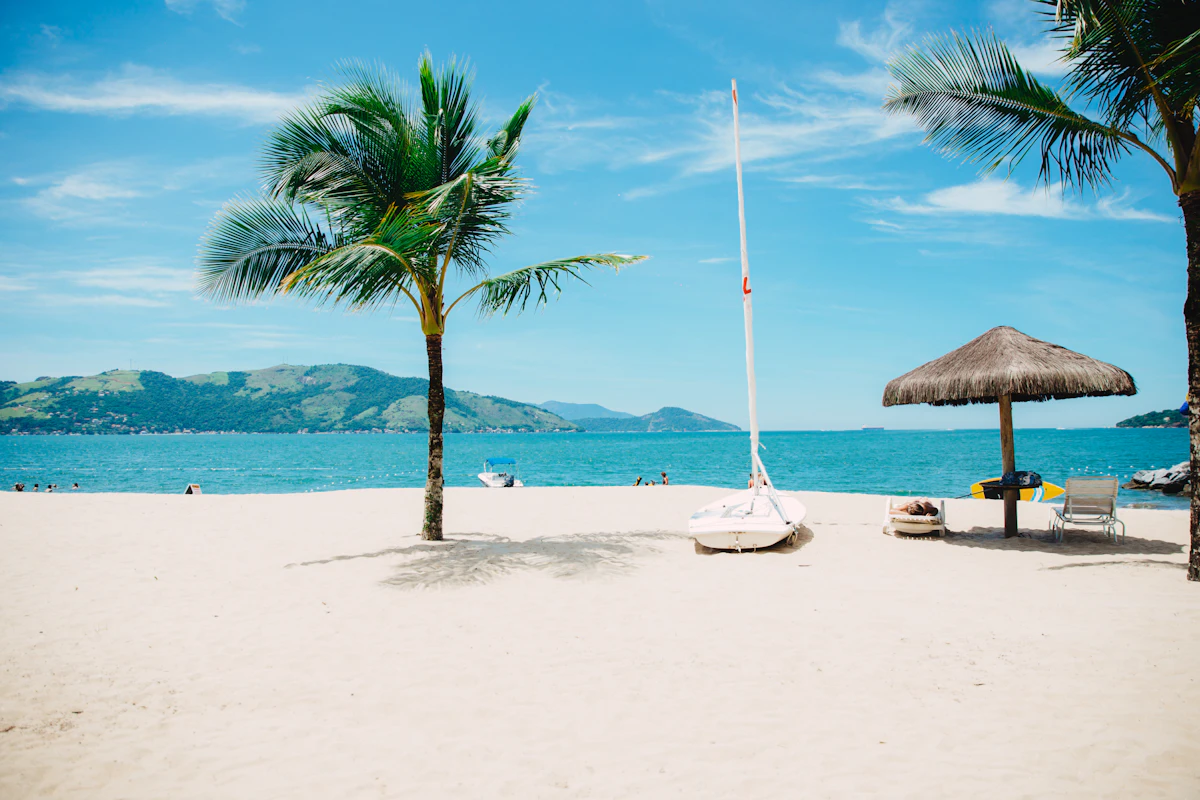
Where coastal calm meets intellectual modern design
AARHUS
The air in Aarhus carries a distinct sharpness after a July squall, a marriage of briny Kattegat salt and damp, ancient cobblestones. It is the scent of wet pine needles pressed against the modern glass facades of the Dokk1 library. When the clouds part, the gray limestone of the cathedral seems to hold onto the moisture, releasing a faint earthy aroma that permeates the Latin Quarter. You catch it most clearly near the canal, where the breeze whisks away the steam from a fresh espresso. It is a clean, honest atmosphere that signals a city built for contemplation.
Aarhus is best experienced by discarding the map and wandering the winding lanes of the Latin Quarter. Prioritize the ARoS Art Museum, specifically Olafur Eliasson’s 'Your rainbow panorama,' for a prismatic view of the skyline. Do not bypass the street food scene at Aarhus Street Food near the bus station for an affordable, high-quality lunch under $17. Renting a city bike is the most efficient way to reach the Marselisborg Palace grounds. It is a manageable, pedestrian-friendly city that rewards those who linger in its quiet corners.
This is the intellectual heartbeat of Jutland, balancing a Viking heritage with a fiercely modern outlook. You will find that the city functions on a compact scale, making it easy to transition from the forest trails of Riis Skov to the harbor front in under thirty minutes. The local demographic is heavily skewed toward students, lending a youthful energy to the evening jazz bars on Vestergade. It is far less frantic than Copenhagen, yet it loses nothing in terms of cultural density. Invest in an AarhusCARD to access nearly all museums and local transit for a flat daily fee.
Visit between late May and early September to capitalize on the extended daylight hours. June provides the perfect temperature for cycling along the coast without the biting winds of mid-winter. Should you arrive in late summer, you might coincide with the Aarhus Festival, which fills the streets with experimental theater and music. Avoid November if you struggle with persistent gray skies and horizontal rain. The shoulder seasons offer the best balance of local authenticity and mild, accessible weather.
As the train departs towards Fredericia, the harbor cranes shrink into spindly skeletons against the fading orange horizon. The dense greenery of the Riis Skov forest melts into a dark smudge of memory. You watch the shimmering glass of the Dokk1 building catch one final golden light before it vanishes behind the industrial sprawl of the docks. The silence of the carriage settles in, leaving behind only the rhythmic click of tracks and the lingering spirit of the Jutland coast.
SHOPPING GUIDE
St. Pauls Apotek
Located in the heart of the Frederiksbjerg neighborhood, this former pharmacy now sells high-end interior design and perfumes. It is a masterclass in adaptive reuse, preserving original cabinetry while displaying modern apothecary goods. Expect to pay premium prices for curated scents and handcrafted ceramics. It is a must-visit for design-conscious travelers seeking a unique memento.
Munkedals
This boutique on Volden specializes in high-quality Scandinavian knitwear and local textile crafts. Prices reflect the artisan labor involved, typically ranging from 800 to [[PRICE:2,000:DKK]] for sweaters. The shop is tucked away in the Latin Quarter, reflecting the area's focus on independent retailers. It is the ideal place to find a durable, warm piece of Danish heritage.
Magasin du Nord
Situated on Immervad, this grand department store is the anchor of the main shopping street. It offers a broad selection of Danish fashion brands like Ganni and Samsøe & Samsøe. Prices are standard retail, though they host excellent seasonal sales throughout the year. It provides a convenient, one-stop experience for luxury retail therapy.
Salling Rooftop
While technically a store, the Salling department store on Strøget offers a rooftop retail experience with a skywalk. You can browse high-end kitchenware before heading to the top level for a panoramic view of the city. While the views are free, expect to pay around $9 for a glass of wine at the rooftop bar. It is the most impressive commercial space in the central district.
Culinary Reality
Survival Protocols
- Bicycle Etiquette:Aarhus is a cycling city, and you must respect the designated bike lanes at all times. Do not walk in the lanes unless you want to be signaled by aggressive bells. Always lock your rental bike to a rack, as theft is common in the student quarters.
- Payment Habits:Denmark is almost entirely cashless, and you will rarely need physical Kroner. Credit cards and mobile payment apps like MobilePay are accepted everywhere, even at small kiosks. Ensure your card has a PIN, as it is required for almost all terminals.
DAY TRIPS NEARBY
Moesgaard Museum
Located 10km south of the city, this museum is an architectural wonder built into the forest floor. It houses the Grauballe Man, a perfectly preserved Iron Age bog body. A bus ride from the city center costs roughly $4. It is easily the most significant cultural day trip in the region.
Silkeborg Lakes
Take the regional train to Silkeborg to explore the Hjejlen paddle steamer, the world's oldest coal-fired ship. The journey takes about 50 minutes and costs roughly $12. The surrounding landscape offers the best hiking in Denmark. It is a refreshing escape into the lush central lake district.
Ebeltoft
A charming, historic seaside town known for its cobbled streets and the Fregatten Jylland warship. It takes about an hour by bus (route 123) and costs approximately $10. The town feels like a preserved 18th-century village. Spend the afternoon visiting the local glass-blowing workshops.
Aarhus Ø
Though within the city limits, this new district feels like a separate, futuristic island. Explore the architectural marvel 'The Iceberg' and swim in the public harbor baths. It is entirely free to wander and provides the best modern photography spots. It represents the radical, forward-thinking side of Danish urban planning.