




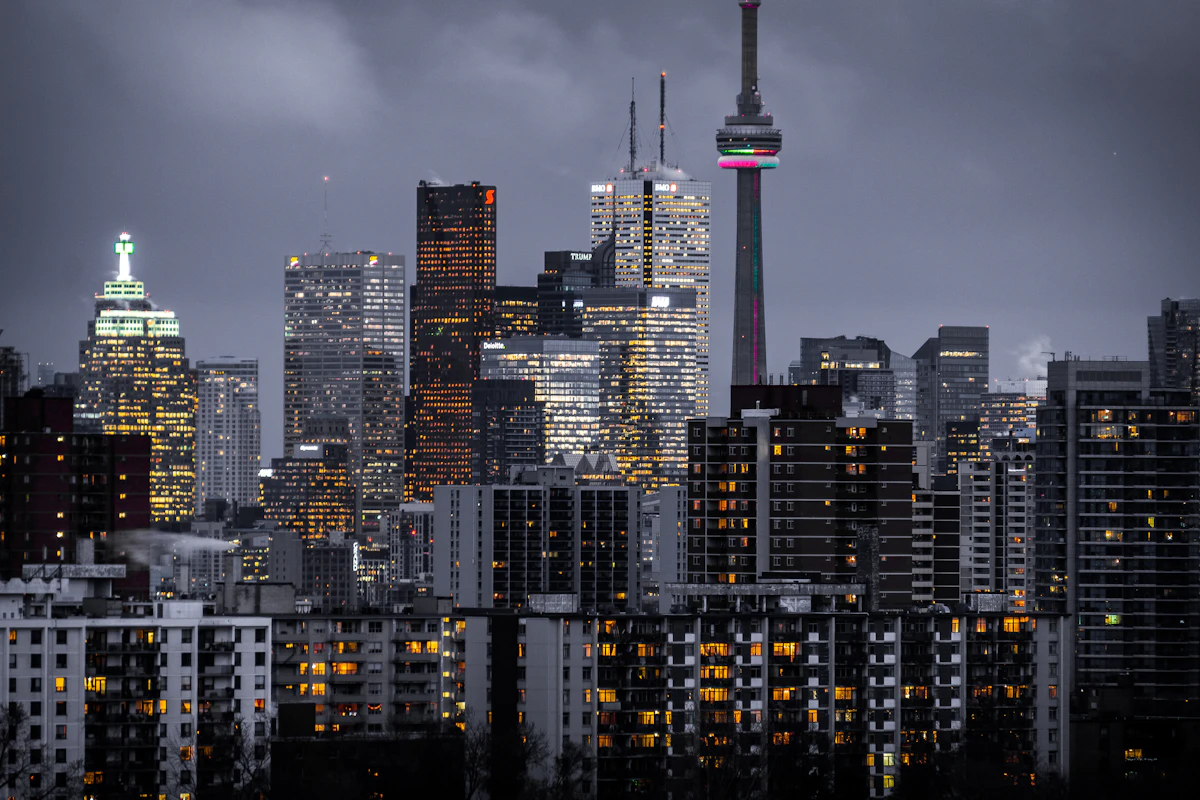
Imperial dust meeting the neon digital future.
BEIJING
Beijing was never meant to be a city of the people; it was an altar built by the Yongle Emperor to anchor the heavens to the earth. The city radiates from the Forbidden City like a series of concentric, rigid squares, a geometric manifestation of Confucian hierarchy that still dictates the flow of traffic and thought. Massive boulevards cut through the urban fabric like surgical incisions, separating the ancient, low-slung courtyards from the glass-and-steel monoliths of the Central Business District. You can feel the weight of centuries pressing down on the asphalt, a silent, architectural tyranny that demands awe from every passerby. It is a city that does not merely house its inhabitants but orchestrates their movements within a vast, meticulously planned stage. Even the wind here feels curated, carrying the dry, biting chill of the Gobi desert into the heart of the capital.
The Beijing tourists seek is a curated museum piece: vermillion gates, manicured temple gardens, and the sanitised nostalgia of reconstructed hutongs. In reality, the city is a frantic, hyper-modern sprawl where the preservation of history is often just a pretext for high-end retail development. Neighborhoods like Dashilar are being hollowed out and refilled with artisanal tea shops and boutique hotels, displacing the bird-cage-toting retirees who have lived there for generations. The gap between the glorious, sanitized myth of the 'Imperial Capital' and the grimy, industrious reality of the outer ring roads is vast and uncomfortable. You will find that authenticity is not found in the grand monuments but in the crumbling, hidden corners that the city planners have yet to deem worthy of a glossy brochure. To truly see Beijing, you must look past the neon glow of the CBD and find the beauty in the decay of the inner-city neighborhoods currently fighting their own demolition.
The social fabric of Beijing is woven with a thread of profound, stoic endurance that outsiders often mistake for coldness. There is a rigid, unspoken code here: don't block the sidewalk, don't raise your voice, and acknowledge the hierarchy of the queue. Class tensions simmer beneath the surface, evidenced by the divide between the expat-heavy enclaves of Sanlitun and the gritty, crowded housing blocks of the northern districts. Locals are generally weary of the performative nature of mass tourism, which treats their living rooms and ancestral alleys as a backdrop for social media content. If you want to connect, you must abandon the tourist gaze and learn the rhythm of the local parks, where the elderly engage in intricate calligraphy with water brushes on the pavement. The city respects those who observe its unspoken rules, rewarding the quiet observer with access to the real, unvarnished life of the capital.
To navigate Beijing effectively, you must budget for a mix of extreme austerity and occasional, necessary indulgence; a modest day for two, including mid-range transport and dining, will cost roughly $80to $120. Skip the summer months, specifically July and August, when the humidity turns the city into a concrete steamer and the crowds at the Great Wall become a literal bottleneck of human misery. Aim for late October, when the ginkgo trees turn a blinding, electric gold and the air remains crisp before the winter heating season chokes the sky with haze. You should plan for at least five full days to do more than just scratch the surface of the Forbidden City or the Temple of Heaven. The subway system is your lifeline, costing less than $1per ride, and it will save you from the exorbitant, often predatory, pricing of unofficial taxis stationed near major sites.
The soul of Beijing hides in the deep, labyrinthine hutongs surrounding the Drum and Bell Towers, specifically in the areas of Shichahai that haven't been turned into tacky souvenir strips. Seek out the small, unnamed noodle shops where the menu is written on a piece of cardboard taped to the wall and the patrons are all wearing blue-collar work uniforms. Visit the parks near the Second Ring Road at dawn, where you will find the city’s heart beating in the synchronized movements of Tai Chi practitioners. The bars hidden behind nondescript grey doors in Gulou are where the city’s creative class hides from the sterile polish of the malls. If you want to understand the city, sit on a low stool at a corner plastic table for an hour, drinking lukewarm Yanjing beer while watching the neighborhood life unfold in the shadows of the eaves.
Beijing is not a city that will love you back, and that is precisely why it is worth visiting. It is a place that demands effort, patience, and a willingness to be uncomfortable, but it rewards the persistent with a glimpse of a civilization that has survived every possible iteration of itself. You will leave with sore feet, a confused sense of geography, and a lingering sense of how small you truly are in the grand scheme of human endeavor. If you are looking for a relaxing holiday, look elsewhere; if you are looking for a city that will fundamentally shift your understanding of power and time, this is your destination. Beijing is the heavy, historical anchor of the modern world, and it will hold you in place long after you have departed.
The Micro-Economies of BEIJING
Gulou
Gulou is the epicenter of the city's youth culture, centered around the streets of Gulou Dongdajie and Beiluogu Xiang. It is home to a mix of bohemian expats, young creatives, and elderly residents who have occupied these courtyard homes for decades. Expect to pay around $60 - $90 for a boutique courtyard stay, though the vibe is decidedly more 'gritty urban' than 'luxury resort.' It is best visited in the early evening when the dive bars begin to pull back their curtains and the street food smoke begins to drift through the alleys. Definitely stay here if you want to be at the center of the city’s shifting cultural heart.
Sanlitun
Sanlitun is the high-gloss, consumerist capital of Beijing, dominated by the massive Taikoo Li shopping complex and expensive, cocktail-heavy lounges. The streets surrounding Sanlitun Beijie are filled with fashionable locals and international visitors who prefer their convenience served with a side of luxury. Hotel prices here can easily exceed $250 per night, reflecting the area's status as the city's primary diplomatic and commercial hub. It feels like a futuristic, globalized island that has little to do with the city's traditional roots, serving better as a place to visit for dinner than a base for exploration. Only stay here if you prioritize western amenities and proximity to nightlife over cultural immersion.
Dashilar
Located just south of Tiananmen Square, Dashilar is a historic commercial district currently undergoing a rapid and controversial gentrification process. Streets like Dashilan Xijie are packed with a fascinating, albeit uneven, mix of traditional silk shops and experimental design studios. The area is a microcosm of Beijing's struggle with its own history, where the local, low-income population lives in the shadow of rising property values. You can find guesthouses for as little as $40, though the quality varies wildly from crumbling to chic. Visit for the architectural contrast, but be prepared for the heavy presence of security and the pervasive sense of a neighborhood being rewritten.
Haidian
Haidian is the university and tech district, a sprawling area of innovation that houses the intellectual elite of the country. Streets like Chengfu Lu are lined with bookstores, coffee shops, and the vibrant, chaotic energy of students fueled by caffeine and ambition. It is largely a residential and academic zone, meaning accommodation is cheaper and more utilitarian, often hovering around $50. There isn't much here for the standard tourist, but it is the best place to feel the pulse of the city's future. Only visit if you want to escape the tourist track and see where the next generation of China is being formed.
Jingshan
Jingshan is the area immediately surrounding the park of the same name, essentially acting as the backyard of the Forbidden City. The streets are quiet, orderly, and strictly regulated, maintaining an imperial aesthetic that feels frozen in time. It is a high-cost area, with boutique hotels often charging upwards of $200 for a room with a view of the palace rooftops. The vibe is serene and deeply historical, perfect for those who want to wake up and walk to the palace gates at dawn. It is an excellent place to stay if your trip is short and your budget is high.
Wangfujing
Wangfujing is the city's most famous shopping street, a pedestrianized nightmare of massive malls and aggressive tourist traps. While it is historically significant as a commercial artery, it has become a caricature of itself, filled with overpriced snacks and chain stores. You will find massive luxury hotels here, often costing $300+ USD, which serve as the base for many tour groups. It is useful for a quick walk-through to see the scale of the city's ambition, but it is largely devoid of any authentic local character. Avoid staying here at all costs unless you enjoy being harassed by street vendors.
Micro-Economy & Cost Breakdown
The Beijing subway is a marvel of efficiency, covering nearly every corner of the city for a flat fee of roughly 3 to 7 RMB ($1-$1). Avoid the peak rush hours between 7:30 and 9:00 AM, when the trains become literal crushing chambers of humanity. Taxis are ubiquitous, but ensure they use the meter; ride-sharing apps like Didi are essential, though they require a local phone number or an internationalized payment setup. To save money, stick to the subway, which is faster than any car during the city's legendary gridlock. Never accept a ride from an 'official' looking driver waiting outside a major train station, as they are almost certainly unlicensed and waiting to overcharge you.
Accommodation in Beijing is divided by the ring roads; the closer you are to the center, the higher the cost and the lower the square footage. A budget hostel bunk can be found for $15 - $25, while mid-range hotels in the Dongcheng district typically run $70 - $120. Luxury properties in the CBD or near the Forbidden City can climb to $400+ USD. Avoid booking Airbnbs in historic neighborhoods, as many are illegal or lack proper heating, leading to miserable experiences in the winter. The sweet spot for value is a boutique hotel in the hutongs of the Gulou area, which provides a mix of charm and comfort for around $90.
You can eat like a king in Beijing for $15 a day if you commit to the local noodle and dumpling joints. A hearty bowl of Zha Jiang Mian at a hole-in-the-wall will cost you roughly $3 - $5, while sit-down tourist restaurants will charge you $20for the same dish. Avoid the 'snack streets' like the one in Wangfujing, where the food is overpriced and often sits under heat lamps for hours. Instead, head to the residential neighborhoods near the Lama Temple, where the stalls cater to locals who will not tolerate mediocre quality. Always look for the places with a high turnover of customers—that is the only reliable metric for food safety and flavor.
The absolute best time to visit is the shoulder season of late September to early November, when the weather is cool and the sky is at its most blue. Avoid the 'Golden Week' holidays in early October and early May, when the entire domestic population is traveling and every site is completely inaccessible. You need at least five to seven days to adequately explore the city; trying to see the Great Wall, the Forbidden City, and the Temple of Heaven in three days will leave you exhausted and resentful. Winter is brutal, with temperatures regularly hitting -10°C, but it is also the only time you can see the imperial sites without a sea of selfie sticks. Plan accordingly, dress in layers, and respect the city's size by not over-scheduling your days.
Culinary Reality
Survival Protocols
- The Tea Ceremony Scam:A friendly 'student' approaches you, claiming they want to practice English and invite you to a nearby tea house. Once inside, you are served a few cups of tea, and the bill arrives for hundreds of dollars. This happens in the areas around Tiananmen and the Forbidden City; never follow strangers who strike up sudden, overly friendly conversations. If this happens, firmly decline the invitation and keep walking without engaging.
- The Unofficial Taxi Trap:Drivers waiting outside major tourist attractions will offer you a ride without turning on the meter, usually quoting a price three times the legal rate. Always insist on the meter or use a ride-sharing app like Didi to avoid the negotiation entirely. If a driver refuses to use the meter, simply walk away and find another, as there is always a legal taxi nearby. Accepting their initial price sets a precedent that you are an easy mark for other scams.
- The Photo-Op Offense:Tourists often take photos of locals inside their homes or private courtyards without asking, which is deeply invasive and disrespectful. Privacy is a luxury in a crowded city like Beijing, and treating a person's home like a museum exhibit is a major social breach. Always ask, or better yet, put the camera down and observe with your eyes. If you must take a photo, a polite nod and a smile go a long way in gaining permission.
- The Winter Haze Reality:Beijing winters can be brutally cold and the air quality often dips into the 'unhealthy' range due to coal heating. Locals don't 'cope' with it so much as they live through it, wearing heavy masks and limiting outdoor time. If you visit in January or February, bring high-quality N95 masks and be prepared for days where the sun is entirely obscured. It is a harsh, grey, and biting experience that requires mental fortitude.