




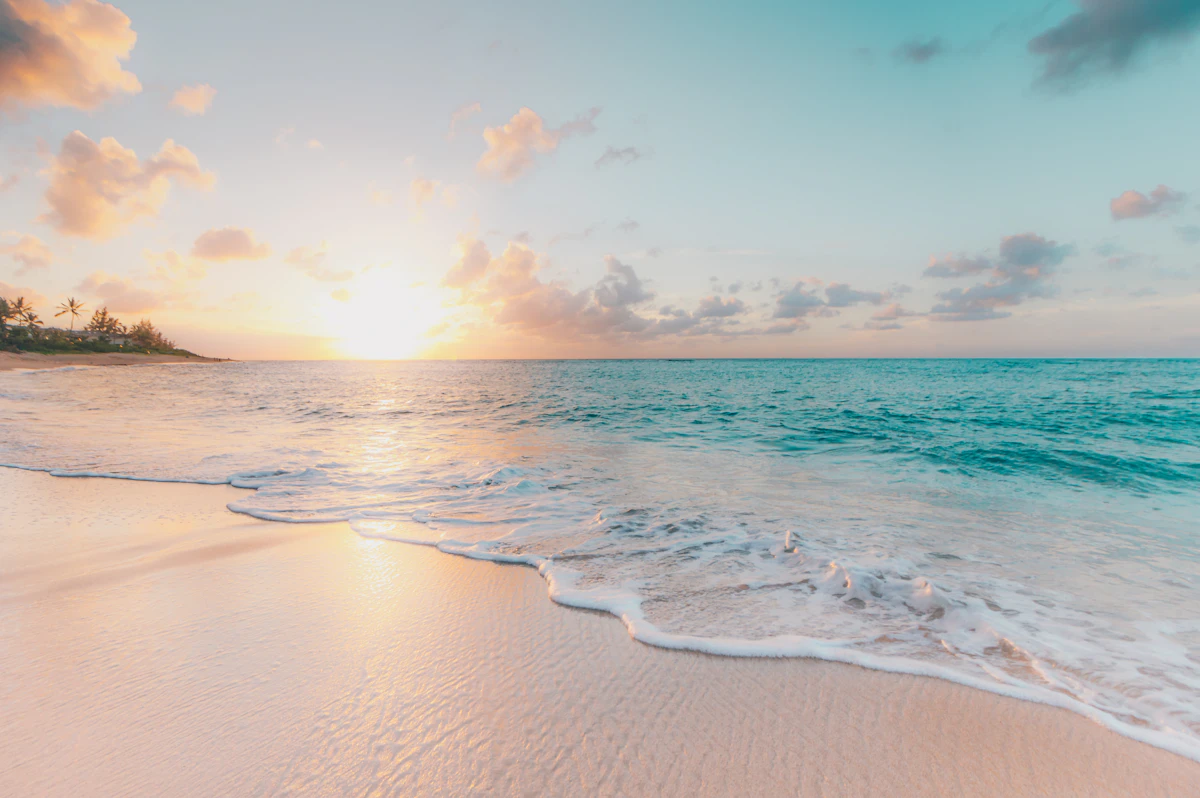
Ancient volcanic stone meets the endless sea.
JEJU
The light on Jeju is a bruised, shifting violet, especially as it drags itself across the basalt cliffs of the southern coast. It is never truly bright here; instead, it is tempered by the constant salt-mist that clings to the air. You will see this haze soften the edges of the jagged lava rocks, turning them from black to a deep, charcoal blue. By midday, the sunlight becomes a creamy, pale gold that illuminates the vibrant green of the tea fields. It is a luminous landscape that feels suspended in a perpetual, quiet twilight.
Traveling with family requires navigating the island's vast geography, so rent a car from Jeju International Airport immediately. The 'Hello Kitty Island' near Seogwipo is a hit for younger children, costing 14,000 KRW for adults. For a more educational afternoon, visit the Jeju Stone Park where the sprawling grounds are perfect for burning off energy. Always pack an umbrella, as the weather shifts from sunshine to sudden drizzle without warning. Keep your itineraries loose, as the winding coastal roads are best explored at a slow, meandering pace.
Accessibility has improved significantly, though the rugged volcanic terrain remains a challenge for some travelers. Most major attractions like the Manjanggul Cave have designated viewing areas, but the deeper sections remain difficult for wheelchair users. Use the 'Jeju Barrier-Free' tourist map, which highlights cafes and sites with ramps and accessible toilets. Public buses are equipped with lifts, but checking the route schedule on the KakaoBus app is essential for planning. Many of the newer, upscale beach clubs in Aewol offer paved wooden decking that provides a smooth path to the shoreline.
Visit Jeju to witness the survival of the Haenyeo, the legendary free-diving women who harvest shellfish without oxygen tanks. Their culture is best observed at the Haenyeo Museum, which offers deep insight into their matriarchal history for a modest 1,100 KRW entry fee. The island offers a unique biological diversity, ranging from the Olle Trail’s coastal paths to the alpine environment of Hallasan Mountain. Unlike the frantic pace of Seoul, Jeju demands you slow your pulse to match the rhythm of the tides. It is a rare place where you can hike a dormant volcano in the morning and dine on fresh abalone by sunset.
Jeju is a complex landscape that asks for your full, undivided patience. You might find that you are not quite prepared for the raw, unpolished silence of the rural interior. That hesitation you feel is simply the weight of a place that refuses to be rushed. It is perfectly acceptable to be overwhelmed by such ancient and stoic terrain.
DAY TRIPS NEARBY
Udo Island
Take the 15-minute ferry from Seongsan Port, costing approximately 8,500 KRW round-trip. Rent an electric tricycle upon arrival to zip around the circumference of this tiny, picturesque island. The peanut-infused ice cream sold at the seaside cafes is an essential, albeit touristy, ritual. Spend your afternoon at Seobin Baeksa Beach, famous for its unique white coral sand.
Seongsan Ilchulbong
This UNESCO World Heritage site is a massive volcanic tuff cone rising directly from the ocean floor. The climb takes about 30 minutes via well-maintained stairs and costs 5,000 KRW for admission. Aim for a sunrise arrival to see the peak illuminated in dramatic, fiery orange hues. It is the most iconic vantage point on the entire island.
Seogwipo City
Located on the southern shore, this city acts as the gateway to the island’s most spectacular waterfalls, such as Cheonjiyeon. Spend an hour wandering through the Seogwipo Maeil Olle Market, where you can sample local tangerines. Prices for fresh seafood platters here range from 30,000 to 60,000 KRW depending on the seasonal catch. The atmosphere is significantly more laid-back than the northern hub.
Hallasan National Park
The heart of Jeju is a dormant volcano that dominates the island's geography. There is no entrance fee, but you must register online in advance to access the summit trails like Gwaneumsa. The hike is strenuous, requiring at least 7 to 9 hours for a round trip to the crater lake. Always carry high-energy snacks and ensure your footwear is rugged enough for rocky terrain.
SHOPPING GUIDE
Dongmun Market
This is the oldest and largest traditional market in Jeju City. Wander the aisles for dried fish, chocolate-covered hallabong tangerines, and handmade ceramics. You can easily spend an entire evening here snacking on spicy tteokbokki for under 5,000 KRW. Keep cash handy, as many smaller vendors do not accept international credit cards.
Innisfree Jeju House
Located near the Osulloc Tea Museum, this flagship store offers products made from local volcanic clay and green tea. You can even participate in a soap-making workshop for about 15,000 KRW. The view of the surrounding tea fields is arguably the best shopping backdrop in the world. It is the perfect place to buy minimalist, nature-inspired gifts.
Tap-dong Street
A vibrant seaside promenade in Jeju City that comes alive with street performers and local pop-up shops. Look for local artisan boutiques selling linen clothing and basalt-themed jewelry. Prices here are higher than in the markets, but the quality of the craftsmanship is exceptional. It is an ideal spot for an evening stroll before dinner.
Jeju Folk Village
While primarily a living museum, the gift shops here feature authentic local crafts like traditional straw shoes and woven hats. Expect to pay premium prices for items made by local village artisans. The experience of seeing the items in their cultural context makes the purchase much more meaningful. It is located in the southeastern corner of the island.
Culinary Reality
Survival Protocols
- Weather Awareness:Jeju weather is notoriously fickle, and the wind can whip up within minutes near the coast. Always carry a light windbreaker, even in the middle of a sunny summer day. If the maritime forecast issues a storm warning, listen to it; local ferry services to surrounding islands will be suspended immediately.
- Navigation Apps:Google Maps does not work well for driving directions in Korea; you must download Naver Map or KakaoMap. These apps are essential for finding hidden trailheads and accurate bus schedules. Set your language to English in the app settings to keep your route navigation straightforward.
Culinary Reality
Survival Protocols
- Seafood Freshness:If a restaurant's tank is empty or looks murky, skip it. Stick to places that advertise 'Haenyeo-caught' seafood, as this ensures the shellfish were harvested within the last few hours. When in doubt, follow the local construction workers at lunch time; they always know which spots serve the most generous portions.
- Dining Solo:Many traditional BBQ restaurants require a minimum order of two portions of meat, even for solo diners. If you are alone, look for 'gukbap' (soup and rice) shops, which are perfectly comfortable for single customers. Most menus will clearly indicate if a dish is intended for multiple people.