




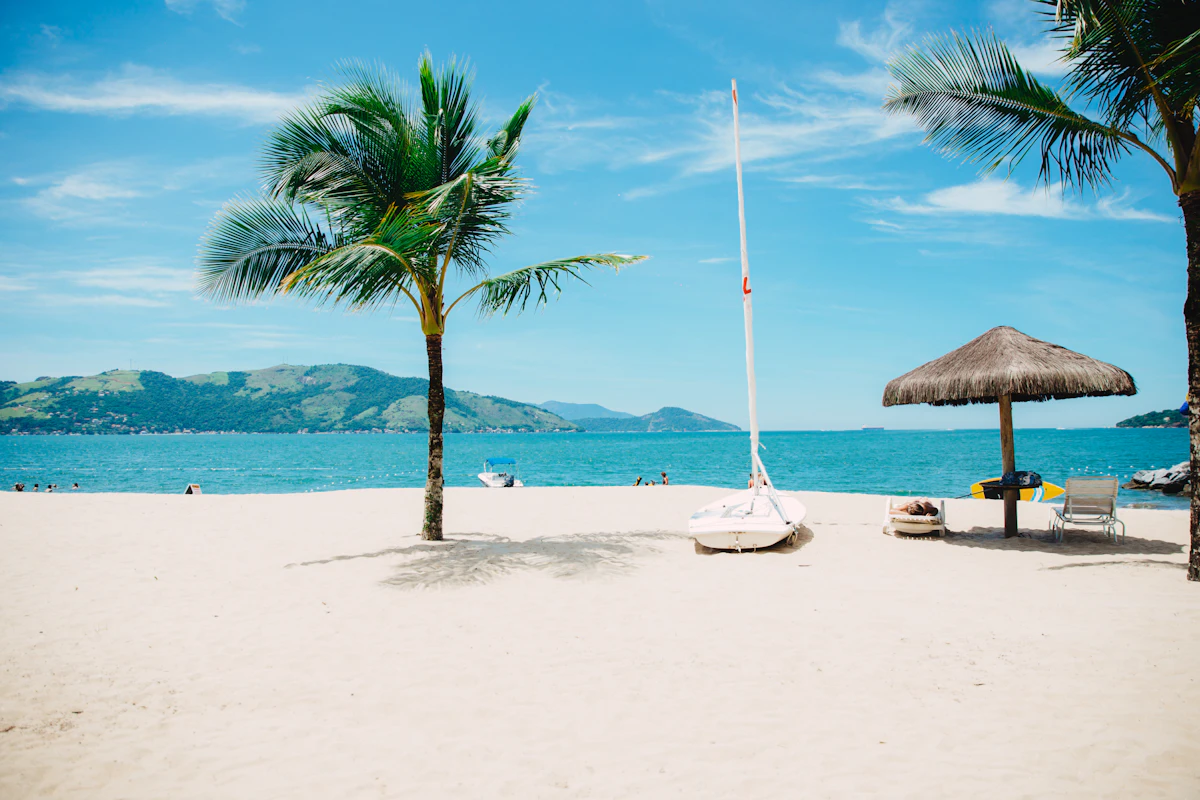
Where restless Baltic winds shape the soul.
LIEPAJA
In 1625, Duke Friedrich Kettler granted Liepaja city rights, locking in a maritime destiny that dictates the grid today. The town was designed as a strategic port, forcing streets to run parallel to the narrow spit of land between the lake and the sea. This layout means locals navigate via wind direction rather than compass points. You will find that the flow of traffic remains tethered to the original harbor-facing architecture. Drivers still prioritize flow toward the canal, a habit codified by 17th-century merchant routes.
Families should head straight to the beach near the monument to the sailors and fishermen lost at sea. Rent a sturdy bicycle for roughly $9 a day to traverse the flat coastal paths. Avoid the midday heat by ducking into the Liepaja Museum on Kurmajas prospekts to see the amber collection. Pack extra windbreakers, as the Baltic breeze is persistent even in July. End the afternoon with a visit to the Peter's Market where local pastries keep restless children satisfied.
Couples should seek out the acoustic intimacy of the Lielais Dzintars Concert Hall. Book tickets for a chamber performance to experience the architectural marvel’s world-class sound design. Stroll hand-in-hand through the residential streets of the Vecliepaja district to admire the restored wooden villas. For a quiet dinner, find a table at an upscale spot like Olive, where wine pairings are expertly curated. Cap the evening with a walk on the pier to watch the lighthouse pulse against the dark water.
For the discerning traveler, Liepaja is a masterclass in resilient, quiet luxury. Do not miss the Karosta neighborhood, where the brutal history of the former military prison contrasts with the decaying beauty of the Russian Orthodox Cathedral. Budget at least two days to fully absorb the artistic atmosphere of the city's many galleries. Renting a car is unnecessary, as the local tram system provides a charming, efficient way to bridge the northern and southern districts. This is a destination for those who prefer melancholy over the manic energy of typical European resorts.
As you depart, the scent of the city stays with you long after the train leaves the station. It is a sharp, clean mixture of drying seaweed, wet pine needles, and the faint, metallic tang of the harbor cranes. It is the smell of a place that understands the gravity of the sea. You will carry the lingering taste of smoked butterfish, salty and rich, on your tongue for days.
ACCOMMODATION GUIDE
Promenade Hotel
Located in a renovated grain warehouse right on the canal, this is the city's premier boutique stay. Rooms range from 110 to $196 per night, offering views of the yachts docking nearby. The lobby art gallery is a sophisticated bonus for guests. It sits at Vecā ostmala 40, putting you steps away from the best dining.
Art Hotel Roma
Positioned on Zivju iela, this hotel celebrates the history of the legendary Roma Hotel that once stood on this site. Expect rooms designed with artistic flair starting at $93. The central location provides instant access to the main shopping street. It is perfect for those who value being in the heart of the action.
Karosta Prison Hostel
For the adventurous, sleeping in a former military brig is an unforgettable, if sparse, experience. Rates are extremely low, often under $27 for a bunk, providing a direct connection to the city's dark history. You will be sleeping in an authentic Soviet-era environment. It is located in the northern Karosta district.
Guest House Juras Brise
This cozy guesthouse offers a quiet retreat near the beach for about $65 per night. It features traditional Latvian aesthetics and a peaceful garden perfect for morning coffee. The proximity to the sand dunes makes it ideal for walkers and beachcombers. It is a serene choice for longer stays.
Culinary Reality
Survival Protocols
- Tipping Culture:Tipping is appreciated but not mandatory in Liepaja. Leaving 5-10 percent at dinner for excellent service is considered generous. Do not feel pressured to tip in casual cafes or bars.
- Local Transport:The city tram line is the best way to travel between the center and Karosta. Tickets cost approximately $1 and can be purchased on board. Always validate your ticket immediately after boarding.
Culinary Reality
Survival Protocols
- Alcohol Prices:Local beer is inexpensive, usually 3 to $5 in bars. Imported spirits can be pricey due to taxation, so stick to local Latvian herbal balsams for a cheaper, authentic drink. Supermarkets offer the most competitive pricing for alcohol.
- Market Bargaining:Bargaining is not common practice in shops or restaurants. Prices at Peter's Market are fixed, and haggling may be seen as disrespectful. Pay the listed price to maintain a positive relationship with vendors.