




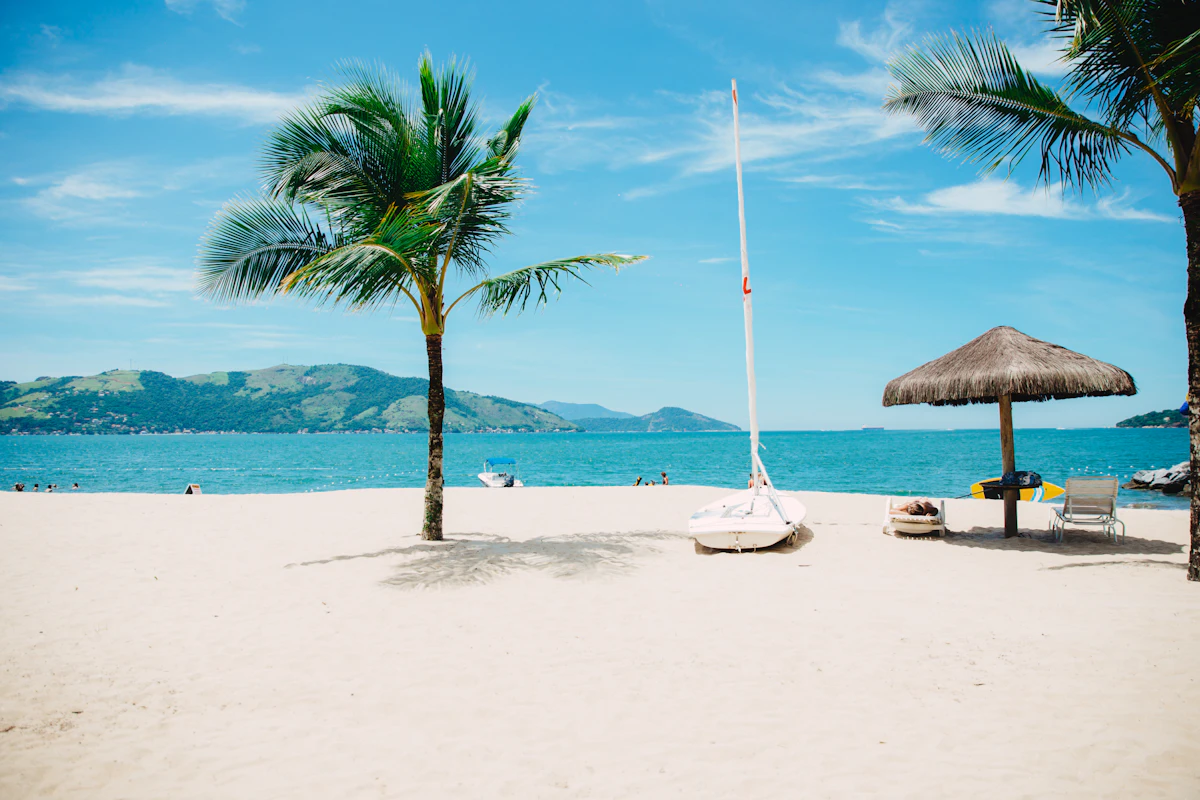
Golden light dancing on Aegean white stone
MYKONOS
PHOTOGRAPHY GUIDE
The Windmills (Kato Mili)
Arrive at 6:30 AM to capture the iconic silhouettes without the cruise ship crowds. The light hits the whitewashed structures perfectly before the harsh midday sun takes over. Entry is free, but you are essentially paying with your patience as you wait for the frame to clear. Position yourself on the cliffside path near the Alefkandra neighborhood for the best wide-angle shots.
Little Venice Alleys
Focus your lens on the blue-painted window frames and vibrant bougainvillea spilling over Agion Anargyron street. These narrow, labyrinthine passages require a fast lens to manage the high contrast between deep shadows and bright walls. There is no fee to wander here, though you might be tempted to stop for a $16cocktail while waiting for the perfect street-life capture. Shoot in late afternoon to catch the golden hour reflected off the harbor water.
Panagia Paraportiani
This asymmetrical church near the Kastro neighborhood is a masterpiece of organic architectural photography. Avoid using a tripod here as the stone pathways are crowded and restrictive. It costs nothing to admire the unique, lumpy white geometry that looks like it was molded by hand. Capture the contrast of the ancient, weathered walls against the piercingly blue Aegean sky.
Armenistis Lighthouse
Drive north for 15 minutes to reach this 19th-century beacon offering panoramic Aegean vistas. Access is completely free, but you will need to rent a scooter for approximately $33per day to navigate the steep terrain. Visit during the 'blue hour' just after sunset to capture the lighthouse beam cutting through the darkening sky. It remains the most dramatic, uncrowded vantage point on the entire island.
SUGGESTED ITINERARIES
The Beach Hopper’s Day
Start at Psarou Beach early to claim a sunbed, which can cost upwards of $109for a front-row spot. By noon, take a water taxi for $11to reach the quieter, crystalline waters of Elia Beach. Enjoy a long, lazy lunch at the beach taverna featuring fresh sea urchin and local white wine. End your day at Super Paradise as the music swells and the sand turns into an open-air dance floor.
The History & Culture Loop
Spend your morning at the Archaeological Museum of Mykonos near the harbor, where tickets are a modest $4. Walk the short distance to the Maritime Museum, which houses fascinating models of ancient Aegean ships. Spend your afternoon wandering the Folklore Museum inside an old captain's house to understand the island's pre-tourism roots. Conclude with a sunset walk through the Kastro area to observe the traditional architecture preserved from the 16th century.
Gastronomy Trail
Begin with a traditional breakfast of 'kopanisti' cheese on rusks at a local bakery in Chora. For lunch, secure a reservation at Kiki’s Tavern near Agios Sostis beach, where the grill has no electricity and the wait is worth the $44per person investment. Spend the evening in the Matoyianni district hunting for high-end boutique ingredients and artisanal honey. Finish your culinary journey at a hidden taverna in Ano Mera, where prices are 30% lower than the main town.
The Delos Excursion
Book the 9:00 AM ferry from the Old Port to the sacred island of Delos for $22round-trip. Spend three hours navigating the expansive UNESCO World Heritage ruins of this ancient birthplace of Apollo. Bring a hat and at least two liters of water, as the archaeological site offers zero shade during the summer months. Return to Mykonos by 2:00 PM to spend your afternoon recovering at a quiet cafe in the Chora.
Culinary Reality
Survival Protocols
- The Meltemi Wind:Between July and August, the north winds can reach speeds that make swimming at northern beaches dangerous. If the flags are red, avoid the water at Ftelia and stick to the southern coast where the hills provide a natural windbreak. Check the local weather app 'Poseidon' daily to track wind intensity.
- Taxi Scarcity:There are fewer than 40 official taxis on the entire island, making them nearly impossible to hail during peak hours. Download the 'Aegean Taxi' app or have your hotel concierge book private transfers 24 hours in advance. Expect to pay a flat fee of $22-$33for even short trips within the town periphery.
The footwear in Mykonos tells a story of aspiration and pragmatism. By day, you will see expensive leather sandals being dusted by the limestone paths, worn by travelers who value effortless elegance. As the sun sinks, these are swapped for designer loafers or high-heeled wedges that click sharply against the uneven cobblestones of Matoyianni Street. There is a distinct confidence in the way these shoes move through the crowds, suggesting a wearer who knows exactly where the best table is hidden. It is a parade of luxury that somehow feels perfectly at home amidst the rugged, salty landscape.
Visit in late May or early October if you seek the island's true character without the suffocating crush of August. During these shoulder months, the water remains warm enough for swimming, but the prices for boutique hotels drop by nearly forty percent. You will find that the local shopkeepers are finally relaxed, offering genuine conversation rather than hurried service. The light during these months is softer, casting long, dramatic shadows that make the whitewashed houses glow like embers. It is the only time you can truly hear the Aegean Sea hitting the harbor walls.
Couples should bypass the flashy beach clubs and instead rent a private boat for a sunset tour of the nearby uninhabited islands. Packing a picnic of local graviera cheese, fresh figs, and a chilled bottle of Assyrtiko creates a private sanctuary away from the island's frenetic energy. For dinner, secure a table at a quiet taverna in the hills of Ano Mera, away from the harbor’s noise, where the atmosphere is candlelit and intimate. Do not feel pressured to participate in the nightlife; the island offers its best secrets when you retreat to a quiet balcony. Remember that the best memories are often the ones where you simply sat in silence, watching the stars reflect on the water.
While three days might seem like enough to tick off the landmarks, you truly need five to settle into the island’s rhythm. The first two days are usually spent in a state of sensory overload, navigating the crowds and the sheer brightness of the architecture. By the third day, you begin to find your own secret corner, perhaps a small cove in the southeast or a favorite coffee spot that isn't on any map. Use the fourth day to explore the northern villages where the pace slows to a crawl. The fifth day is for finally letting go of the itinerary and simply existing in the golden, salty air.
The horizon begins to blur as the ferry pulls away from the dock, the white cubes of the harbor shrinking into a singular, shimmering cluster. The vibrant blues of the Aegean deepen, swallowing the memory of the crowded streets and the clinking of glasses. As the island dissolves into the haze, you are left only with the scent of salt and the lingering warmth of the sun on your skin. The silhouette of the windmills fades, leaving behind a silence that feels heavier and more significant than before.