




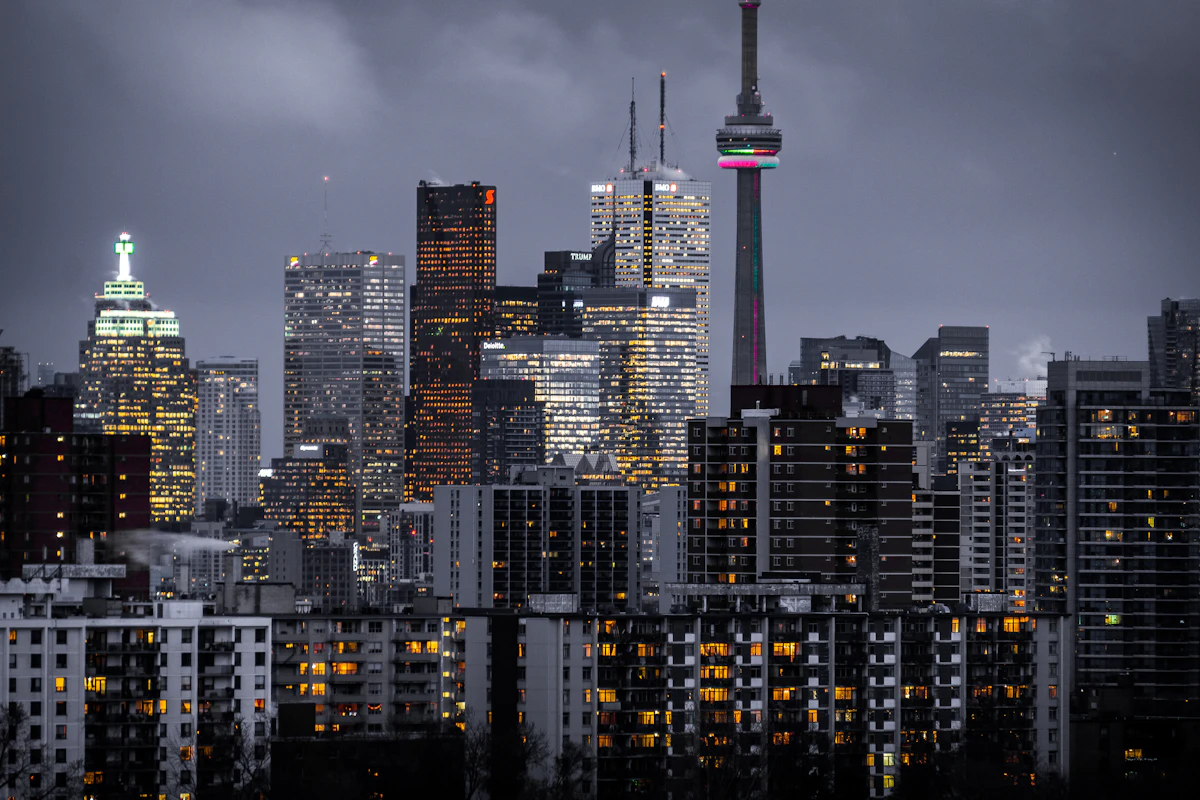
Regal decay masked by incense and ego.
MYSORE
Mysore has long been sold as the sanitized, spiritual playground of the Western yoga diaspora, a place where the scent of sandalwood supposedly masks the grit of reality. Once a bastion of Wodeyar grandeur, the city is now caught in a fever dream of gentrification fueled by the relentless pursuit of enlightenment. The postcard image of the Maharajah’s Palace, illuminated by ninety-six thousand lightbulbs, is a static mask worn to hide the crumbling infrastructure of the old inner city. Tourists arrive seeking tranquility, only to be met with the aggressive honking of auto-rickshaws and the encroaching silence of high-end boutique hotels. It is a city that has curated its own history for consumption, leaving the authentic, unpolished edges to gather dust in the shadows of the tourist trail. We must stop pretending that the city is merely a backdrop for personal transformation and start acknowledging it as a living, breathing entity.
The gap between the Mysore found in glossy brochures and the Mysore that exists on street level is a chasm of contradictions. Visitors expect a serene, ancient enclave, yet find a bustling Tier-2 Indian city grappling with the pressures of rapid modernization and urban sprawl. Neighborhoods like Gokulam have been utterly transformed, effectively becoming an expatriate colony where the price of a flat white is now comparable to a decent meal in the local market. The city pretends to be a bastion of cultural tradition, yet the youth are increasingly pulled toward the orbit of Bangalore’s tech-driven cultural shifts. Authenticity is becoming a commodity, traded by café owners who speak better English than the locals who have lived here for generations. To understand the real Mysore, one must look past the yoga mats and see a city desperate to balance its regal heritage with the demands of an impatient new century.
The social fabric of Mysore is woven with threads of subtle, deep-seated class tension that rarely makes it into the travel guides. Locals, particularly the older generation, view the steady influx of international yoga students with a mix of bemused tolerance and quiet resentment. There is an unspoken social code here: the tourist stays in their lane, and the resident continues their life, but the lines are blurring as real estate prices climb. Domestic tourists from North India often clash with the laid-back, traditional ethos of the local Kannada-speaking population, creating a friction that hums beneath the surface of the city's calm exterior. If you are a visitor, recognize that your presence is a double-edged sword, bringing capital while simultaneously pricing out the very people who have maintained this city's soul. Respect is not found in the silence of a studio, but in the acknowledgement of the labor that keeps the city running.
If you are planning a visit, avoid the peak of the winter tourist season from December to January unless you enjoy fighting for space in every café and paying premium prices for mediocre guesthouses. For a true sense of the city, a three-day visit is ample; any longer and you run the risk of becoming part of the stagnant expat bubble. Transportation is best handled by the ubiquitous yellow auto-rickshaws, though you must insist on the meter or use the Ola app to avoid being treated as a walking wallet. Family travel is manageable, but the heavy traffic near the Devaraja Market requires constant vigilance, especially with children in tow. As for the food, skip the bland ‘continental’ breakfast joints and head straight for the legendary masala dosa spots that serve the city’s true culinary heritage. Ultimately, Mysore is a destination for the observer, not the participant—go to watch, to eat, and to leave with your own perspectives intact.
The soul of Mysore hides not in its palaces, but in the chaotic, sensory overload of the alleys surrounding the Devaraja Market. Wander onto Dhanvantri Road early in the morning, where the smell of fresh jasmine and roasting coffee defines the local awakening. Avoid the main tourist drag and seek out the small, nondescript tea stalls where men discuss politics over cups of steaming, sugary chai that costs less than ten rupees. This is where the city’s heart beats—unfiltered, loud, and utterly indifferent to your search for spiritual enlightenment. It is the grit of the hardware stores, the frantic movement of the vegetable sellers, and the quiet dignity of the elders sitting on stone steps that define the real Mysore experience. If you cannot find beauty in the chaos of a busy market, you have come to the wrong city.
Mysore is not for the traveler seeking luxury or an easy, pampered vacation. It is a city that demands intellectual curiosity and a tolerance for the slow, often frustrating reality of Indian urban life. You should visit only if you are prepared to see the cracks in the facade and find beauty in the friction of different worlds colliding. You will gain a deeper understanding of the complexity of modern India, but you will lose the comfort of your own cultural bubble. Ultimately, Mysore is a mirror—it will only show you as much as you are willing to face.
The Micro-Economies of MYSORE
Gokulam
This neighborhood is the epicenter of the yoga industry, dominated by studios, vegan cafes, and transient Westerners. Streets like 2nd Main and 3rd Main are lined with expensive boutique stays, with nightly rates often exceeding $60. It feels less like an Indian suburb and more like a curated, globalized lifestyle enclave. You should visit for the coffee, but consider staying elsewhere to avoid the bubble. It is far from the authentic, gritty soul of the city.
Devaraja Market Area
The beating, chaotic heart of the city, centered around the famous market and Sayyaji Rao Road. It is crowded, loud, and filled with a mix of local traders, shoppers, and wide-eyed tourists. Accommodation here is budget-friendly, often ranging from $15to $30 for basic, no-frills guesthouses. The vibe is frenetic throughout the day, slowing down only after the market shuts at night. A must-visit for the sensory experience, though perhaps too intense for some to reside in.
V.V. Mohalla
A charming, older residential neighborhood known for its leafy streets like Vani Vilas Road and classic bungalows. It is home to long-term residents and a more upscale local crowd, with prices reflecting a mid-range budget of $40to $80. The vibe is quiet and dignified, offering a glimpse into the city's intellectual life rather than its tourist facade. It is a great place to stay if you want peace and proximity to local food gems. Highly recommended for a more authentic, relaxed pace.
Lashkar Mohalla
Located near the city center, this neighborhood is a mix of small businesses, printing presses, and traditional family homes. Streets here are narrow, bustling with local commerce, and rarely frequented by the average yoga tourist. You can find very cheap accommodation here, often under $20, though the amenities are basic. It is a place to visit for the atmosphere of working-class Mysore. Stay here only if you are a seasoned, budget-conscious traveler.
Kuvempunagar
A sprawling, modern middle-class neighborhood that feels far removed from the palace-centric tourism. It is populated by families, local professionals, and a growing number of modern commercial outlets. The vibe is distinctly local, with very few tourists and standard pricing for food and services. Accommodation is mostly limited to small lodges and homestays, rarely exceeding $30. Visit if you want to see how the average urban Mysore resident lives.
Saraswathipuram
Known as a student hub, this neighborhood is vibrant, young, and filled with affordable eateries and bookstores. It is located near the university, giving it a lively, intellectual energy that differs from the rest of the city. Nightly rates for lodging hover between $20and $40, offering excellent value for money. The vibe is energetic in the evenings, making it a great base for those who want to mingle with locals. Highly recommended for young, social travelers.
Micro-Economy & Cost Breakdown
Getting around Mysore is best accomplished via auto-rickshaws, but always negotiate or use the Ola app to ensure a fair price. Prices usually range from 50 to $2 for short trips within the city. Avoid the temptation to hire a private car for everything; the traffic is manageable, and the rickshaws are part of the local experience. For the ultimate savings, walk the central areas and use the local bus network to reach the outer districts. Always carry small change to avoid the 'I don't have change' scam.
Micro-Economy & Cost Breakdown
Accommodation in Mysore is segmented by intent, with Gokulam commanding high prices for yoga-adjacent stays ($50-$150). For better value, look toward V.V. Mohalla, where charming guesthouses offer more character for $30-$60. Avoid the large chain hotels near the Palace, which are essentially overpriced tourist factories. The sweet spot is a well-reviewed homestay in a quiet residential area, providing comfort without the exorbitant 'wellness' markup. Always book directly or through reputable sites, and ignore the unsolicited recommendations of rickshaw drivers.
Micro-Economy & Cost Breakdown
Eating like a local is easy if you avoid the tourist-centric cafes that charge five dollars for a smoothie. A standard breakfast of idli or vada at a local institution like Vinayaka Mylari costs less than $2. For lunch, seek out 'meals' at local canteens, which provide a complete, nutritious plate for around $2. Even if you splurge on a fancy dinner, it is difficult to spend more than $15 unless you are ordering alcohol in an upscale bar. Prioritize street stalls with high turnover—they are the safest and most delicious.
Micro-Economy & Cost Breakdown
The best time to visit is during the shoulder season of February to March, when the weather is pleasant and the peak crowds have dissipated. Avoid the sweltering heat of April and May, when temperatures regularly climb above 35°C, making midday exploration physically draining. The monsoon season from June to September brings humidity and rain, which can disrupt travel plans significantly. Three days is the optimal duration to see the essential sights without succumbing to the burnout of over-tourism. Plan your visit accordingly to balance weather and budget.
Culinary Reality
Survival Protocols
- The 'Hidden' Emporium Scam:Rickshaw drivers offer to take you to a 'government-approved' silk or sandalwood emporium. These are actually high-pressure retail environments where the driver receives a hefty commission. Avoid these at all costs by insisting on specific, non-commercial destinations. Simply say 'no' firmly and walk away if they persist.
- The Overcharged Rickshaw:Drivers frequently refuse to use the meter, quoting inflated prices for short distances. This is a deliberate attempt to exploit foreign currency perception. Use the Ola app to set a fixed price, or walk away if they demand an amount that seems unreasonable compared to standard city rates.
- Temple Photography Taboo:Taking photos inside inner sanctums is often strictly prohibited, yet tourists ignore these signs to get the perfect shot. This shows a profound disrespect for the sanctity of the religious space. Always ask permission or look for signs, and keep your camera away during active prayer times.
- The Midday Heat Strike:Temperatures soar during the peak of the day, leading to dehydration and exhaustion. Locals stay indoors or in the shade from 1pm to 4pm to avoid the worst of the UV index. Follow their lead by planning your outings for the early morning or late afternoon to cope with the climate.