




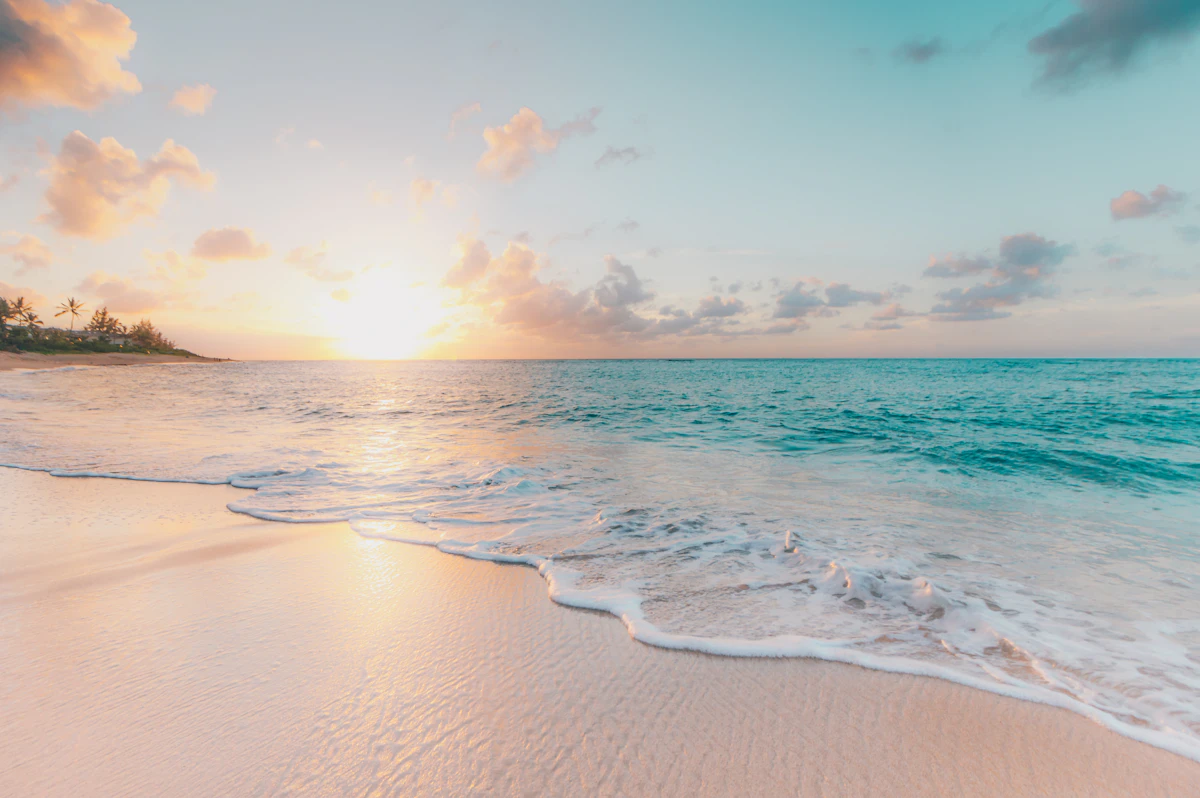
Where Atlantic tides meet refined summer elegance
PUNTA-DEL-ESTE
In Punta del Este, the footwear tells the entire social narrative of your day. By noon, you see sun-bleached Havaianas caked in fine white sand at the beach clubs in La Barra. By dusk, those same feet are swapped for hand-stitched leather loafers or suede espadrilles on the manicured lawns of private estates. It is a wardrobe that values comfort as much as it values a curated, effortless aesthetic. Whether you are at a high-end gallery or a casual chiringuito, the style remains unapologetically Mediterranean-meets-South-American chic. Here, the shoes never look too new, as if everyone is trying to convince you they’ve been walking these shores for decades.
The final verdict is that Punta is a tale of two seasons: high summer chaos and shoulder-season serenity. Visit between December 28th and January 15th if you crave the glittering social scene and packed beachfront parties. For a quieter, more local experience, aim for late February or March when the water remains warm but the crowds evaporate. Prices are significantly lower during the off-season, and service becomes far more attentive at top-tier restaurants. Do not expect bargain pricing; Punta is the most expensive destination in Uruguay, so budget accordingly for the premium lifestyle it demands.
Reaching the peninsula is most efficient via the Laguna del Sauce International Airport (PDP), which is a short 20-minute drive from the center. During the peak summer season, direct flights connect daily from Buenos Aires and São Paulo. If you are flying from further abroad, Montevideo’s Carrasco Airport (MVD) is your primary hub, followed by a two-hour drive via Route Interbalnearia. Rental cars are highly recommended for freedom, as public transport is limited between the scattered coastal neighborhoods. Private transfers can be pre-arranged for approximately $150to $200 from Montevideo.
Families will find the calm, bay-side waters of Mansa Beach ideal for young children compared to the wild, crashing surf of Brava. Renting a house in the residential zone of Rincón del Indio offers a quieter, gated-community atmosphere away from the nightclub noise. Many local restaurants cater to late-night family dining, but be aware that reservations are essential during peak January weeks. Utilize the large, well-stocked supermarkets like Tienda Inglesa to keep a pantry of snacks, as dining out for every meal with children becomes costly and logistically taxing. Spend your afternoons at the Parque el Jagüel, which features excellent playgrounds for burning off excess energy.
The evening light here is a heavy, golden syrup that clings to the pine trees and the sea. You will sit on the terrace at a restaurant in José Ignacio, watching the horizon swallow the sun entirely. As the temperature drops, the charcoal smoke from the parrillada drift across the dunes, carrying the scent of searing ribeye. You will never forget the sharp, brine-heavy tang of the Atlantic mixed with the lingering sweetness of burnt sugar from a fresh-baked flan.
Culinary Reality
Survival Protocols
- The Summer Rush:If you arrive in January, expect massive traffic jams on the main roads leading into La Barra. Make all dinner reservations at least a week in advance to avoid disappointment at popular spots. Prices for everything—from beach umbrellas to wine—will be at their annual peak.
- Sun Safety:The Southern Hemisphere sun is exceptionally harsh, especially during the hours of 1:00 PM and 4:00 PM. Always wear a hat and apply high-SPF sunscreen, as the reflection from the white sand intensifies UV exposure. Dehydration happens quickly, so carry bottled water even on short walks.
ACCOMMODATION GUIDE
The Grand Hotel
Located directly on Brava Beach, this property offers a sophisticated, full-service experience with ocean-view balconies. Rooms start around $450 per night during the high season. It is perfect for those who want proximity to the beach and a luxury spa.
Casapueblo (Punta Ballena)
While technically a museum-hotel, staying here offers a surreal experience in a white, Mediterranean-style labyrinth designed by Carlos Páez Vilaró. Prices vary, but the sunset view from your terrace is arguably the best in the entire country. It is situated about 15 minutes outside the main downtown peninsula.
Posada del Faro (José Ignacio)
For a more boutique, bohemian-luxe feel, this hotel in the heart of José Ignacio captures the essence of the fishing village. Expect to pay upwards of $600 per night for intimate, stylish quarters just steps from the sand. It is the preferred choice for those seeking privacy and minimalist design.
L'Auberge
An iconic property in the Parque del Golf neighborhood, famous for its historic tower and exquisite afternoon tea service. It feels like an old-world European estate dropped into a pine forest, offering peace and quiet. Rates average $350-$500, providing a serene escape from the beach party crowds.
Culinary Reality
Survival Protocols
- Traffic Awareness:The bridge crossing to La Barra is a notorious bottleneck during the months of January and February. Avoid driving toward José Ignacio between 6:00 PM and 8:00 PM to skip the primary congestion. If you must travel during these hours, allow for at least double the normal transit time.
- Navigation Apps:Download offline maps of the Rocha and Maldonado departments before you arrive, as signal can be spotty in the more rural areas. Use Waze to get real-time updates on accidents and traffic jams on Route 10. Most locals rely on these platforms to navigate the seasonal influx of vehicles.