




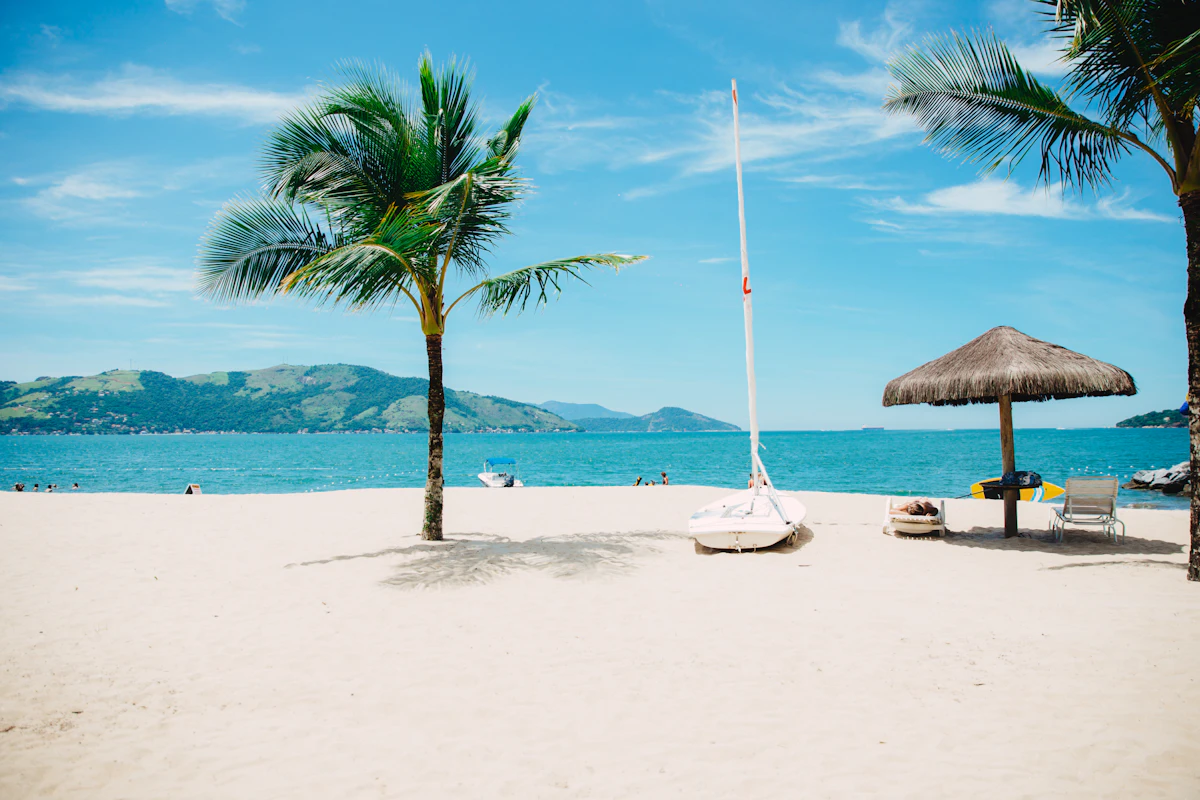
Where colonial gold meets deep ancestral rhythm.
SALVADOR
At 3:00 AM on a Tuesday, Salvador does not sleep so much as it pauses for breath. The distant, rhythmic thrum of a lone surdo drum echoes off the pastel stucco walls of Pelourinho. You might hear the muffled clatter of a cleaning crew’s cart against cobblestones on Rua Alfredo de Brito. A stray cat skitters across the Largo do Terreiro de Jesus, its claws clicking on the ancient stone. The wind carries the faint, salty tang of the All Saints Bay, mingling with the cooling scent of damp earth. It is a quiet, heavy stillness that feels dense with the weight of four centuries of history.
Navigating Salvador requires choosing your base wisely; stay within the historic Pelourinho for proximity to architecture or the beachside Barra neighborhood for ocean access. The city is defined by its verticality, connected by the Art Deco Elevador Lacerda, which costs less than a real to ride between the upper and lower towns. Public transportation is extensive but often crowded, so use Uber or 99App for safer, more reliable transit after dark. Always prioritize neighborhoods with high foot traffic, such as Rio Vermelho for dining and nightlife. Carry only what you need and keep your phone tucked away while walking near the coastline.
Visit for the singular synthesis of Portuguese colonial legacy and West African heritage found nowhere else in the Americas. Spend an afternoon at the Mercado Modelo to browse traditional lace and woodcarvings, but keep walking toward the Church of Nosso Senhor do Bonfim to tie your colorful wish ribbon. The city remains the epicenter of Candomblé, and attending a public ceremony is a profound cultural education. You come here to understand the complexity of Brazilian identity, expressed through percussion, spice, and faith. It is a city that demands your presence, offering beauty that is both gritty and transcendent.
First-timers must understand that the steep hills of the historic center will challenge your stamina, so pack sensible walking shoes. While Portuguese is the primary language, Afro-Brazilian dialects and a warm, rhythmic local cadence define the speech here. Do not be intimidated by the persistent street vendors; a firm 'não, obrigado' delivered with a smile is perfectly acceptable. The sun is deceptively strong, even on overcast days, so apply high-SPF protection before you leave your hotel. Respect local customs by dressing modestly when visiting the many gilded colonial churches scattered throughout the city.
If you find yourself overwhelmed, retreat to a quiet bar in Santo Antônio Além do Carmo to watch the sunset over the bay. Keep your cash in a secure money belt and always travel in groups when heading to remote beaches. When your time ends, plan your return to Deputado Luís Eduardo Magalhães International Airport at least three hours before your flight. The transit from the city center to the airport can take up to 90 minutes during the unpredictable weekday rush hour traffic.
ACCOMMODATION GUIDE
Fera Palace Hotel
Located in a restored 1930s building, this hotel offers a rooftop pool with unmatched views of the bay. Rates typically start around $250 per night. It is situated right at the edge of the historic district on Rua Chile. The service is impeccably polished and provides a luxurious escape from the city heat.
Pousada do Pilar
This intimate boutique option sits in the Santo Antônio neighborhood, known for its quieter, artistic atmosphere. Prices hover near $80, offering excellent value for the location. You are within walking distance of the best local cafes and colonial architecture. It feels like a private sanctuary away from the tourist crush.
Monte Pascoal Praia Hotel
For those prioritizing beach access, this property sits directly across from Porto da Barra. Expect to pay about $110 for a room with an ocean view. It provides easy access to the warmest, calmest swimming water in the city. The area is highly active with local families and joggers.
Villa Bahia
This Relais & Châteaux property features two colonial houses connected by a lush, tropical courtyard. Prices are premium, starting above $300 per night in the heart of Pelourinho. It offers a refined, historic experience with antique furnishings and private terraces. The breakfast service is widely considered among the best in the city.
Culinary Reality
Survival Protocols
- Safety at Night:Avoid walking through empty alleyways in the lower city after dark. Stick to well-lit main thoroughfares and use ride-share apps for short trips. Pelourinho is heavily policed, but keep your bag locked.
- Water and Health:Tap water is generally not potable for visitors, so stick to bottled mineral water. Pack basic stomach remedies just in case your system isn't used to local spices. Pharmacies are ubiquitous and well-stocked.
Culinary Reality
Survival Protocols
- The Palm Oil Warning:Dendê oil (palm oil) is incredibly flavorful but famously heavy for the uninitiated digestive system. Start with small portions to see how your stomach handles the richness. It is the backbone of Bahian cuisine and unavoidable.
- Market Hygiene:Always observe the cleanliness of the stall before ordering your street food. Busy stalls with a high turnover of locals are generally the safest and most delicious. If the vatapá looks like it has been sitting out for hours, choose another vendor.