




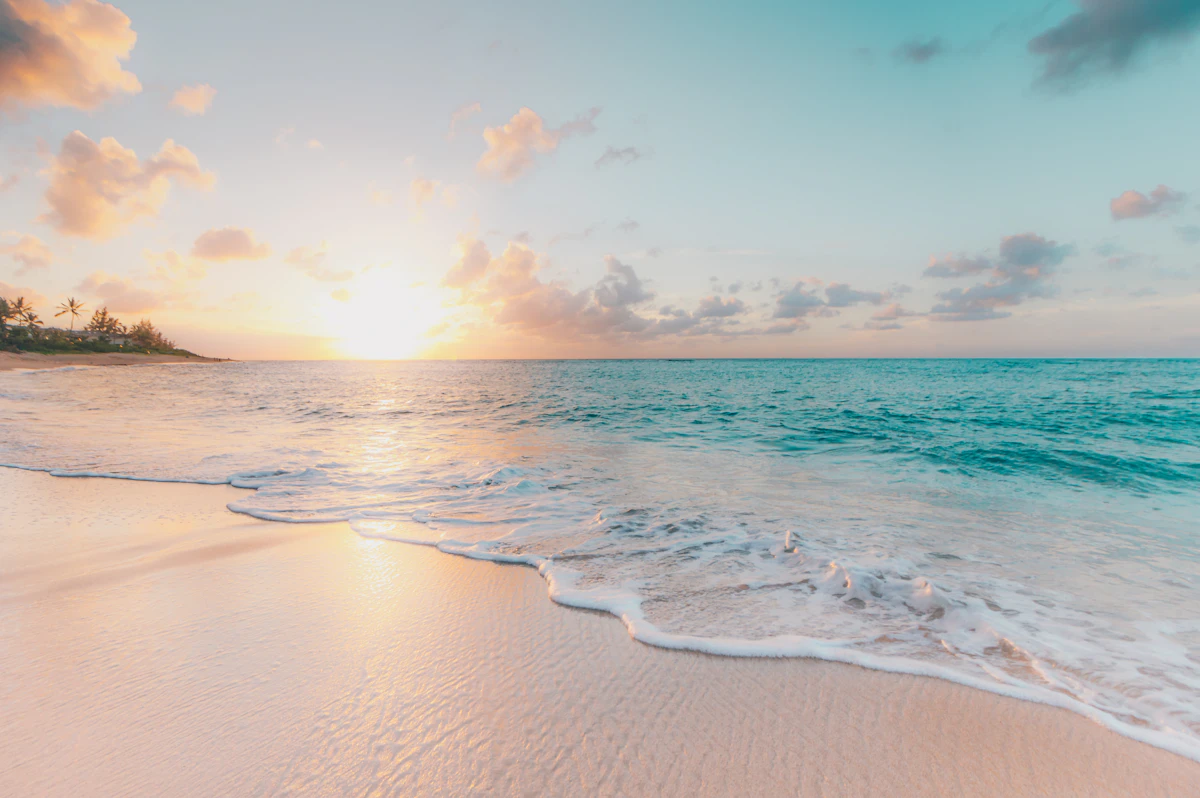
Volcanic peaks meet untamed Caribbean turquoise waters.
ST-VINCENT
Culinary Reality
Survival Protocols
- Transportation Etiquette:Minibus travel is the local lifeblood, typically costing between $2and $4EC depending on distance. Wave your hand clearly at the driver to hail one along the main coastal highway. Be prepared for loud soca music and tight seating arrangements.
- Hydration and Health:Tap water is generally safe to drink, but bottled water is preferred for sensitive stomachs. Protect yourself from mosquitoes by wearing DEET-based repellent, especially during the humid late afternoon hours. Visit the local pharmacies on Halifax Street if you need basic supplies.
PHOTOGRAPHY GUIDE
Dark View Falls
Capture the contrast of lush green ferns against the deep grey volcanic rock. Admission is roughly $10EC, which grants you access to the well-maintained bamboo bridge. Use a circular polarizer to cut the glare on the cascading water. Aim for an early morning arrival at 8:00 AM to beat the tour groups.
Fort Charlotte
Position your lens toward the west to capture the panoramic sweep of the Grenadines. The fort sits high above Kingston and requires no entrance fee, though donations are appreciated. Use a wide-angle lens to include the historic cannons in the foreground. The lighting is most dramatic during the golden hour just before sunset.
Richmond Beach
The stark, black volcanic sand provides a moody, monochromatic backdrop for portraiture. Rent a small boat from Chateaubelair for $150EC to reach the more secluded coves. Focus on long-exposure shots of the waves retreating over the obsidian pebbles. Avoid the midday sun, as the black sand reflects intense, harsh light.
Botanical Gardens
Photograph the oldest botanical garden in the Western Hemisphere for a $5 entry fee. Look for the descendants of the original breadfruit tree brought by Captain Bligh. Macro lenses are essential for capturing the vibrant details of exotic orchids. The canopy provides excellent natural diffusion for soft, professional lighting.
Culinary Reality
Survival Protocols
- Hurricane Preparedness:Always check the National Hurricane Center website if traveling between August and October. Ensure your travel insurance covers weather-related cancellations during this window. Stay tuned to local radio stations like NBC Radio for immediate updates.
- Temperature Management:Temperatures rarely drop below 75 degrees Fahrenheit, even in the cooler months. Carry a light, breathable raincoat in your daypack to handle sudden tropical downpours. Focus on breathable fabrics like linen to remain comfortable during long coastal walks.
SHOPPING GUIDE
Greggs Village Pottery
Visit this rural craft hub to find artisanal clay pieces fired in traditional kilns. Prices for small mugs start at $20EC, making them perfect authentic souvenirs. The artists are often on-site and happy to explain their molding process. Access requires a 45-minute drive from Kingston, so plan a half-day trip.
Kingstown Spice Market
Look for vendors selling locally grown nutmeg and cinnamon bundles. A large bag of fresh island spices typically costs around $15EC. Ensure the bags are sealed properly before packing them in your luggage for the flight home. Ask vendors for tips on blending spices for traditional West Indian cooking.
French Verandah Gift Shop
Located at the beach house in Villa, this boutique offers higher-end souvenirs. Expect to find premium local rum cakes and handcrafted jewelry starting at $50EC. It is a refined shopping experience compared to the chaotic central city stalls. The shop is open daily until 6:00 PM.
St. Vincent Distillers
Purchase a bottle of Sunset Very Strong Rum directly from the source. Prices are highly competitive at the distillery shop compared to international airport duty-free stores. Be aware of customs limits regarding alcohol volume for your specific return flight. It is a potent, historic spirit that defines the local drinking culture.
At 3:00 AM, the city of Kingstown is defined by the distant, rhythmic thrum of the Atlantic crashing against the jagged coastline. You might hear the occasional bark of a stray dog echoing off the colonial stone walls near the court buildings. A distant generator hums, powering a late-night freezer, while the wind rattles the galvanized roofs of the hillside shacks. The air is thick with the scent of damp earth and blooming jasmine. It is a quiet, heavy sound that feels like a collective holding of breath before the tropical sun rises.
St. Vincent offers a rare glimpse into a Caribbean that has resisted mass-market overdevelopment. The allure lies in the dramatic scale of La Soufrière, a volcano that dominates the northern landscape with its brooding, cloud-draped peak. Unlike its sister islands, the focus here is on rugged hikes, black-sand surfing, and authentic local interactions rather than polished resorts. You go here to walk the winding trails of the interior rainforest and find waterfalls that remain untouched by commercial signage. It is a destination for the traveler who values wild geography over curated comfort.
Plan for at least seven to ten days to truly appreciate the breadth of the island and the nearby Grenadines. A full week allows you to spend two days exploring the volcanic north, two days navigating the botanical and historical sites of the capital, and the remaining time island-hopping by ferry. Attempting to see everything in a long weekend results in exhaustion and a lack of connection with the local rhythm. Budget extra time for the unexpected, as ferry schedules and mountain weather are notoriously fluid. This pace ensures you can actually sit, listen, and observe.
The ideal window for visiting is between February and April, when the rains have subsided but the peak heat of summer has not yet arrived. This period guarantees clear vistas from the mountain ridges and predictable conditions for sea travel to Bequia or Mustique. Avoid the late summer if you are sensitive to heat, as the humidity can be stifling when moving through the deep valleys. By choosing these months, you align your trip with the island’s most pleasant, breezy outdoor conditions. It is the perfect time to experience the lush greenery before the dry season turns the landscape golden.
The island stands at a curious intersection of tradition and modern infrastructure. With new flight paths increasing accessibility, the challenge will be maintaining the raw, unpolished charm that currently defines its character. Will the quiet black-sand beaches remain serene, or will they succumb to the pressure of international luxury demand? One wonders if the quiet, volcanic spirit of St. Vincent can persist as the global spotlight begins to turn toward its rugged shores.