




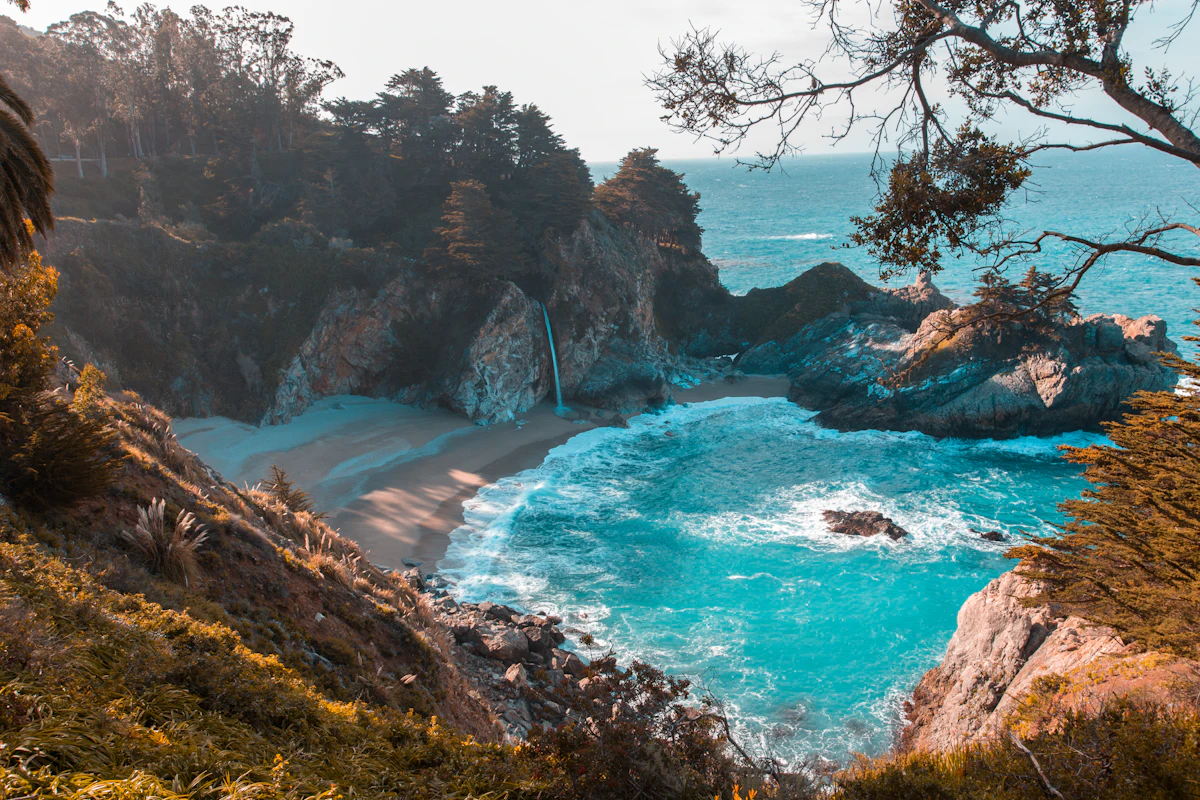
Eroding cliffs, transient souls, and ancient prayers.
VARKALA
Travelers often arrive in Varkala expecting a pristine, untouched nirvana where the spirit of 1970s Goa lingers in the sea air. This is a seductive, dangerous lie. The reality is that the iconic North Cliff is essentially a curated museum of global transient culture, built on a geological fault line that literally falls into the Arabian Sea every monsoon. You are not discovering a secret; you are participating in a highly commercialized dance between local tradition and Western escapism. If you come here looking for authentic silence, you will be disappointed by the thumping bass of late-night bars. Embrace the chaos, or stay in the mountains where the silence is genuine.
The gap between the Instagram aesthetic of Varkala and its ground truth is widening every season. In the brochures, it is a spiritual retreat of yoga mats and golden sands; in reality, it is a bustling, semi-gentrified strip where the cost of a mediocre avocado toast can rival a week's wages for a local fisherman. The North Cliff neighborhoods, once defined by small guesthouses, are being swallowed by concrete structures catering to the digital nomad aesthetic. While the ocean remains indifferent to the changing architecture, the village life below the cliffs is increasingly alienated by the high-frequency churn of tourists who never leave the boardwalk. You are witnessing a neighborhood lose its vernacular soul in exchange for a standardized, globalized beach-town identity.
To navigate Varkala is to walk a delicate tightrope of social etiquette that most visitors never even perceive. The local population is predominantly Hindu, centered around the 2,000-year-old Janardanaswamy Temple, and they view the sea as both a source of livelihood and a sacred boundary. When tourists parade through the streets in swimwear, they aren't just being 'casual'; they are violating a deeply ingrained sense of public modesty. There is a palpable, though polite, friction here between the residents who need your money and the residents who wish you would respect the sanctity of their geography. If you learn to cover up the moment you leave the immediate sand of Papanasam Beach, you will find the locals far more open to genuine conversation.
For the solo traveler, Varkala acts as a high-speed social blender, provided you are willing to look past the superficial 'wellness' facade. Budget-wise, expect to pay between $25and $50a day if you are judicious, though luxury seekers can easily burn $150in the cliff-top boutiques. The best time to visit is undoubtedly between late November and February, when the humidity retreats and the air loses that oppressive, heavy weight. You only need about four days to truly grasp the rhythm of the cliff; any longer and you risk becoming part of the stagnant expat scene that never quite finds its way home. Safety is generally excellent, but keep your wits about you after midnight when the lack of street lighting on the southern paths can turn a dark walk into a jarring tumble.
The true soul of Varkala hides in the quiet, dusty arteries of the 'Temple Town' area, miles away from the neon signs of the North Cliff. Spend your mornings walking the narrow lanes near the Janardanaswamy Temple, where the scent of jasmine and burning camphor clings to the old wooden houses. The real market isn't the one selling colorful harem pants, but the local vegetable bazaar near the Varkala Railway Station, where the commerce is transactional, loud, and entirely devoid of performance. Here, the elderly drink black tea and argue about politics, oblivious to the existence of the yoga studios on the cliff. If you want to touch the heartbeat of the region, go where the tourists have no business being.
Varkala is a place to visit for its violent, breathtaking geography, not for a transformative spiritual enlightenment. If you can accept the commercial grit and the inherent transience of the place, you will find a singular, jagged beauty that stays with you. You will gain a lesson in human impermanence, but you will lose the illusion that paradise is something you can buy. Go, watch the sunset, but keep your eyes wide open. Paradise is just a bluff waiting for the tide.
The Micro-Economies of VARKALA
NORTH CLIFF
This is the epicenter of the tourist economy, defined by a long, crumbling walkway lined with cafes and boutiques. It is mostly populated by seasonal entrepreneurs and long-term travelers who have traded reality for a sea view. Accommodation costs here fluctuate between $30and $120, depending on the season and the view. You should visit for the sunsets and the people-watching, but do not mistake this strip for the real Varkala. It is an aesthetic construct designed for those who want comfort with their adventure.
TEMPLE TOWN
Situated inland, this is the administrative and spiritual heart of the area, centered around the ancient Janardanaswamy Temple. It is a place of daily rituals, priests in white dhotis, and houses that have stood for generations. Prices for basic rooms here are significantly lower, often under $15per night, though they offer zero ocean views. You should stay here if you want to experience the actual community life of the region. It is quiet, respectful, and entirely devoid of the beach-party energy that defines the coast.
PAPANASAM BEACH FRONT
This area is the primary point of convergence between the local Hindu pilgrims and the international tourists. You will see people bathing in the waves to 'wash away their sins' just meters from someone sunbathing in a bikini. It is a raw, often jarring, intersection of cultures that requires extreme sensitivity and local awareness. Accommodation is limited, mostly consisting of older, family-run guesthouses ranging from $20to $40. It is a fascinating place to witness, but keep your camera tucked away out of respect.
THIRUVAMBADI
Located north of the main cliff, this neighborhood has become the secondary hub for 'boutique' tourism and yoga retreats. It is quieter, more manicured, and significantly more expensive than the main cliff strip. You will find higher-end villas and curated cafes where the coffee costs $4a cup. It is the preferred enclave for those who want a softer, more predictable experience away from the backpacker noise. If you have the budget, this is the most comfortable place to base yourself.
VARKALA RAILWAY STATION AREA
This is the functional, industrial edge of the town where the real economy happens. It is loud, gritty, and filled with the sounds of buses, motorbikes, and local commerce. There is almost no tourist infrastructure here, which makes it perfect for those seeking authentic, cheap food. Most travelers skip this entirely, but it is where you find the best value for local supplies. It is not a place for a vacation stay, but it is essential for the traveler who wants to see the gears of the city turn.
BLACK BEACH
This quieter, northern stretch is known for its darker sand and dramatic, less commercialized cliff line. It is populated by those seeking a reprieve from the crowds of Papanasam, often hosting small, independent guesthouses. Prices are moderate, usually hovering around $25-$40, and the vibe is significantly more introspective. It is an excellent spot for a morning walk or a solitary swim, provided you don't mind the lack of amenities. It is arguably the most 'natural' feeling stretch of the Varkala coast.
Micro-Economy & Cost Breakdown
Getting around Varkala is primarily a matter of walking, supplemented by the occasional three-wheeled auto-rickshaw. A trip from the train station to the cliff should cost no more than $2 - $2, though drivers will invariably try to double this for tourists; always negotiate before you sit down. If you are feeling adventurous, renting a scooter is possible for about $6 a day, but the roads are narrow and the traffic is chaotic enough to discourage the faint of heart. For longer journeys to nearby spots like Kappil Lake, a private taxi is more reliable and costs around $10 for a half-day hire. Pro tip: use the 'Uber' app for reference pricing even if you take a local rickshaw, as it provides a baseline to stop you from being overcharged.
Accommodation in Varkala is a game of diminishing returns, where you pay more for the proximity to the cliff-top view. Budget travelers can find simple guesthouses in the $15-$25range in the Temple Town or back-lanes of the cliff. Mid-range properties, often with a pool or a view, sit comfortably between $40and $70per night. Luxury is a loose term here, but the better 'resort-style' villas in Thiruvambadi can reach $150+ during the peak season. Avoid booking 'luxury' AirBnbs that use stock photos of infinity pools, as they are often poorly maintained units in older buildings; always check the recent reviews for mentions of Wi-Fi stability and noise levels.
Eating in Varkala is an exercise in discerning the authentic from the 'tourist-trap' fusion menu. A standard Kerala-style meal at a local, no-frills canteen near the station will cost you about $2, while a 'continental' breakfast on the cliff will easily run $10. To eat like a local on $15a day, focus on the small, family-run spots that don't have menus in five languages. Look for places serving 'meals' (a traditional plantain leaf lunch) for around $1, and stick to local snacks like *parippu vada* from street vendors. By avoiding the international-style cafes that serve mediocre pasta, you save money and gain a far better culinary experience.
The seasonal strategy for Varkala is binary: you either embrace the chaos or you stay away. The peak season from December to February is crowded and expensive, but the weather is perfect; avoid the monsoon months of June through August, when the sea is dangerous and many businesses simply shutter their doors. The 'secret' shoulder season is late October or early March, when the crowds have thinned but the rain hasn't yet turned the paths into mud. Three to four days is the perfect amount of time to spend here, as anything longer tends to lead to the 'Varkala malaise'—that strange, listless feeling of being stuck in a beautiful but repetitive loop.
Culinary Reality
Survival Protocols
- The 'Yoga Teacher' Upsell:Many self-proclaimed gurus offer 'intensive' workshops that are essentially pyramid schemes for overpriced certification. If someone approaches you on the beach with 'spiritual wisdom' that leads to a high-priced course, walk away immediately. It happens near the main cliff access points. Trust established studios with physical addresses and real websites.
- The Train Station Hustle:Upon arrival at Varkala Sivagiri station, touts will try to convince you that your hostel is closed or that you need a specific pre-booked taxi. Ignore them entirely; have your accommodation address written down and walk toward the pre-paid auto stand. The cost is standard, and you will save yourself a massive headache. Never let a tout 'help' you with your bags.
- Beach Modesty Standards:Walking through the town in just a bikini or board shorts is seen as a sign of extreme disrespect toward the local culture. Even on the walk between the guesthouse and the beach, wear a sarong or a cover-up. Locals are very patient, but they will judge you harshly for public indecency. Keep the beach wear for the sand only.
- The Monsoon Humidity:During the rainy season, the humidity can reach near-100%, causing mold to bloom in rooms overnight. If you visit during the off-season, ensure your room has good ventilation or an air conditioner that you run constantly. Locals cope by staying indoors during the peak heat and keeping their clothes in dry, sealed bags. It is physically exhausting for the uninitiated.