




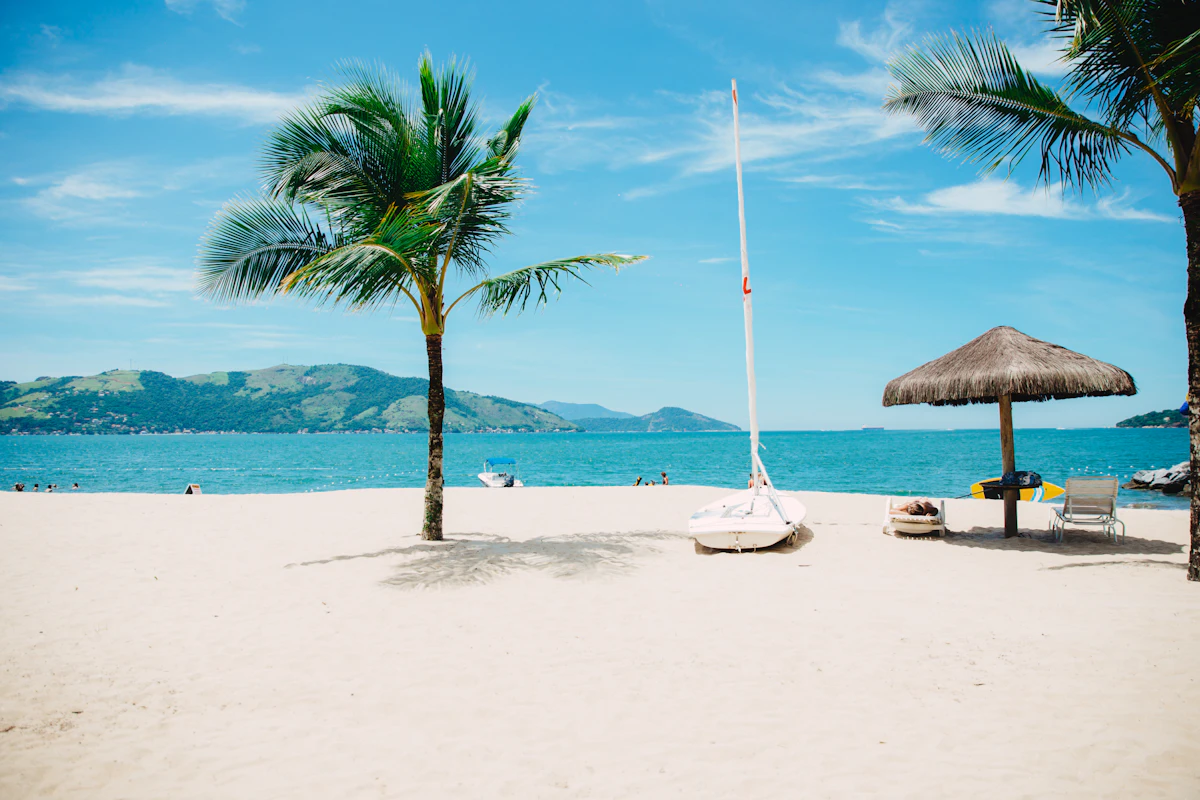
Where ancient monsoon winds meet modern currents.
ZANZIBAR
Zanzibar is not merely a pristine, palm-fringed paradise where the clock stops entirely. While travel brochures fixate on untouched white sand, the reality of the archipelago is far grittier and more layered. You will find that the scent of cloves is often eclipsed by the briny, humid air of a working port. This is a complex intersection of Omani, Indian, and African heritage that refuses to be reduced to a backdrop for leisure. To arrive here expecting a sanitized luxury retreat is to miss the actual heartbeat of the islands.
Navigating Stone Town requires a tolerance for uneven, jagged coral-stone alleyways that are frequently impassable for standard wheelchairs. Motorized transport is restricted in the historical center, meaning you will walk everywhere on damp, narrow corridors. While newer resorts in Nungwi provide accessible boardwalks, the public infrastructure remains largely underdeveloped for travelers with mobility aids. Always hire a local guide from the Zanzibar Tourist Board to assist with navigation through the maze-like streets. Expect to rely on your own physical stamina rather than modern accessibility standards.
Stone Town serves as the primary gateway, centered around the labyrinthine streets surrounding Kenyatta Road. Most visitors base themselves here for two days before heading north to the turquoise waters of Nungwi or Kendwa. Use the local 'dala-dala' buses for a cheap transit option, though they are often crowded and lack defined schedules. For inter-island travel, reliable ferries like the Azam Marine operate daily between Zanzibar and Dar es Salaam. Carry a stash of small Tanzanian Shilling denominations for tips and local market haggling.
You visit to witness a living history where the architecture of the 19th-century houses reflects the wealth of the old ivory and spice trade. The sheer density of carved mahogany doors on Kiponda Street provides a tangible timeline of the island’s cosmopolitan past. Beyond the urban sprawl, the Jozani Chwaka Bay National Park offers a glimpse of the rare Red Colobus monkeys in their natural mangrove habitat. It is a rare chance to engage with a society that balances intense religious devotion with the pressures of mass tourism. Come for the cultural friction, not just the beach clubs.
The humidity here leaves a fine layer of salt on everything you own within hours of arrival. Plastic bottles and discarded nylon nets occasionally mar the high-tide line of the most celebrated beaches. Local vendors will compete for your attention with practiced intensity until the sun drops below the horizon. The island functions regardless of your presence, indifference being its most authentic quality.
SUGGESTED ITINERARIES
The Stone Town Architectural Walk
Start at the Old Fort, then navigate toward the House of Wonders on Mizingani Road. Spend roughly $10 for a professional guide to explain the meaning behind the brass-studded doors. End your walk at the Darajani Market, where prices for spices are significantly lower than in the tourist shops. Keep your camera ready but be mindful of photographing residents without permission.
Nungwi Beach Sunset Expedition
Head to the northern tip of the island to escape the low-tide limitations of the east coast. Rent a traditional dhow boat at sunset for approximately $30 for a two-hour sail. The water here remains deep enough for swimming even during the afternoon ebb. Grab a cold Kilimanjaro beer at a beach shack near the lighthouse to watch the fishing fleet return.
Jozani-Chwaka Bay Forest Trek
Located in the central part of the island, this park requires an entry fee of around $15 for non-residents. Follow the designated boardwalks to spot the endemic Red Colobus monkeys without disturbing the brush. Wear sturdy shoes, as the mangrove soil can be slick and muddy after rains. Combine this with a visit to the nearby Butterfly Centre for a complete afternoon.
Forodhani Night Market Feast
Arrive at Forodhani Gardens by 7:00 PM when the grills are fired up for the evening rush. Try the 'Zanzibar Pizza'—a savory crepe filled with egg, cheese, and vegetables—which costs about $3-$5. Avoid the tourist-priced fruit juices and opt for the sugarcane juice pressed on-site with ginger and lime. It is loud, chaotic, and the most authentic food experience in the city center.
Culinary Reality
Survival Protocols
- Dress Code Protocol:Stone Town is a conservative environment; dress modestly by covering shoulders and knees. Carrying a light sarong is a practical way to remain respectful when entering mosques or quiet side streets. Ignore the 'beach boys' if they become persistent, and keep walking firmly.
- Health and Water:Never consume tap water; stick to bottled mineral water which costs roughly $1. Ensure you have proof of yellow fever vaccination if arriving from a high-risk country. Keep a bottle of high-SPF sunscreen, as the equatorial sun is significantly more aggressive than in Europe or the US.