




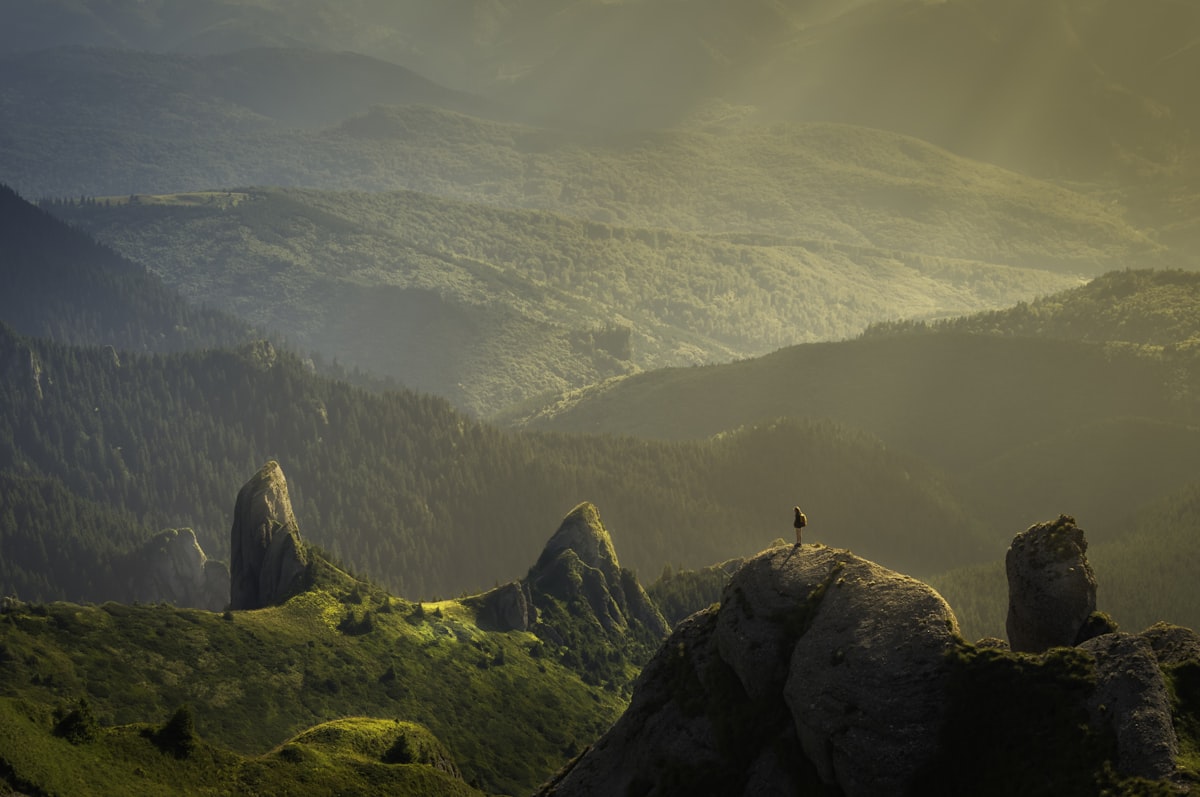
The Allure of Architectural Decay
The fascination with abandoned castles lies in the intersection of architectural grandeur and the entropic beauty of nature reclaiming human endeavor. Unlike restored heritage sites, these ruins offer a raw, unfiltered look at history. According to the UNESCO World Heritage Centre, preserving such sites requires a delicate balance between structural stabilization and maintaining the integrity of the original aesthetic. For the intrepid traveler, these locations offer photography opportunities and historical contemplation, though they often come with significant physical risks.

Safety and Ethical Considerations
Before visiting any abandoned site, travelers must prioritize safety and local law. Many structures are deemed unstable by local municipal councils. Always check local laws regarding trespassing; in many countries, entering private property—even if abandoned—can result in fines or legal action.
The Global List: 23 Sites of Interest
- Bannerman Castle, USA: Located on Pollepel Island, this former military surplus warehouse is accessible via tour boats regulated by the Bannerman Castle Trust.
- Château de la Mothe-Chandeniers, France: Once a 13th-century fortress, it was purchased by thousands of co-owners to prevent total demolition.
- Castello di Sammezzano, Italy: A masterpiece of Moorish revival architecture, currently awaiting restoration efforts.
- Dunluce Castle, Northern Ireland: Perched on a cliff edge, this ruin dates back to the 13th century.
- Hever Castle (The Ruins): While the main castle is restored, the surrounding folly ruins offer a glimpse into Victorian-era landscaping.
- Garnet Hill, Scotland: A remote ruin accessible only by hiking.
- Kasteel van Mesen, Belgium: A stark example of industrial decay (Note: largely demolished, check current status).
- Spreewald Castle, Germany: Often sought by urban explorers for its eerie atmosphere.
- Haunted Castle of the Pyrenees, France: A site shrouded in local folklore.
- Miramare Castle, Italy (Restricted areas): While the main site is a museum, the surrounding grounds contain forgotten structures.
- Crathes Castle grounds, Scotland: Access is permitted via the National Trust for Scotland.
- Villa de Vecchi, Italy: Known as the 'Ghost Mansion' of Lake Como.
- Castle of the Counts, Belgium: A medieval structure in various states of preservation.
- Dunnottar Castle, Scotland: A dramatic clifftop ruin.
- Corfe Castle, England: Managed by the National Trust, offering a regulated exploration experience.
- Tintagel Castle, England: Legend-heavy site managed by English Heritage.
- Brougham Castle, England: A well-preserved ruin in Cumbria.
- Castle of Peles (Outbuildings), Romania: The main castle is a museum, but the surrounding forest holds ruins.
- Kasteel van Tervuren, Belgium: Historical foundations.
- Castello di Fénis, Italy: While restored, the surrounding walls offer a ruinous feel.
- Urquhart Castle, Scotland: A classic ruin on the banks of Loch Ness.
- Conwy Castle, Wales: A UNESCO site with significant accessible ruin sections.
- Caernarfon Castle, Wales: Massive stone fortifications with open-air access.
Comparison of Exploration Styles
| Category | Regulated Ruins (e.g. Corfe) | Wild Ruins (e.g. Villa de Vecchi) | Winner |
|---|---|---|---|
| Safety | High | Low | Regulated |
| Accessibility | Easy | Difficult | Regulated |
| Atmosphere | Controlled | Authentic | Wild |
| Legality | Authorized | Often Illegal | Regulated |
Article Methodology & Sources
This guide was compiled by reviewing historical records from the National Trust and English Heritage, alongside tourism guidelines for international travelers. We emphasize that "abandoned" does not mean "unowned" or "open to the public." Always verify status through official government land registries before planning a trip.
Related Guides
- [Castle] photography tips
- [Europe] solo travel safety
- [UK] heritage site guide
- [Italy] off-the-beaten-path travel
- [France] architectural history
Editorial Methodology & Trust
Last Updated: July 2, 2026
Every Shaivio guide is created through editorial research using publicly available information from official tourism authorities, transportation providers, government resources, and other reliable references where applicable. Our editors review and update content regularly to improve accuracy and usefulness. Shaivio does not accept paid placements or sponsored rankings in editorial content. Because travel information can change, we recommend verifying critical details with the relevant official source before traveling.


