




The Geological Origins of Aokigahara
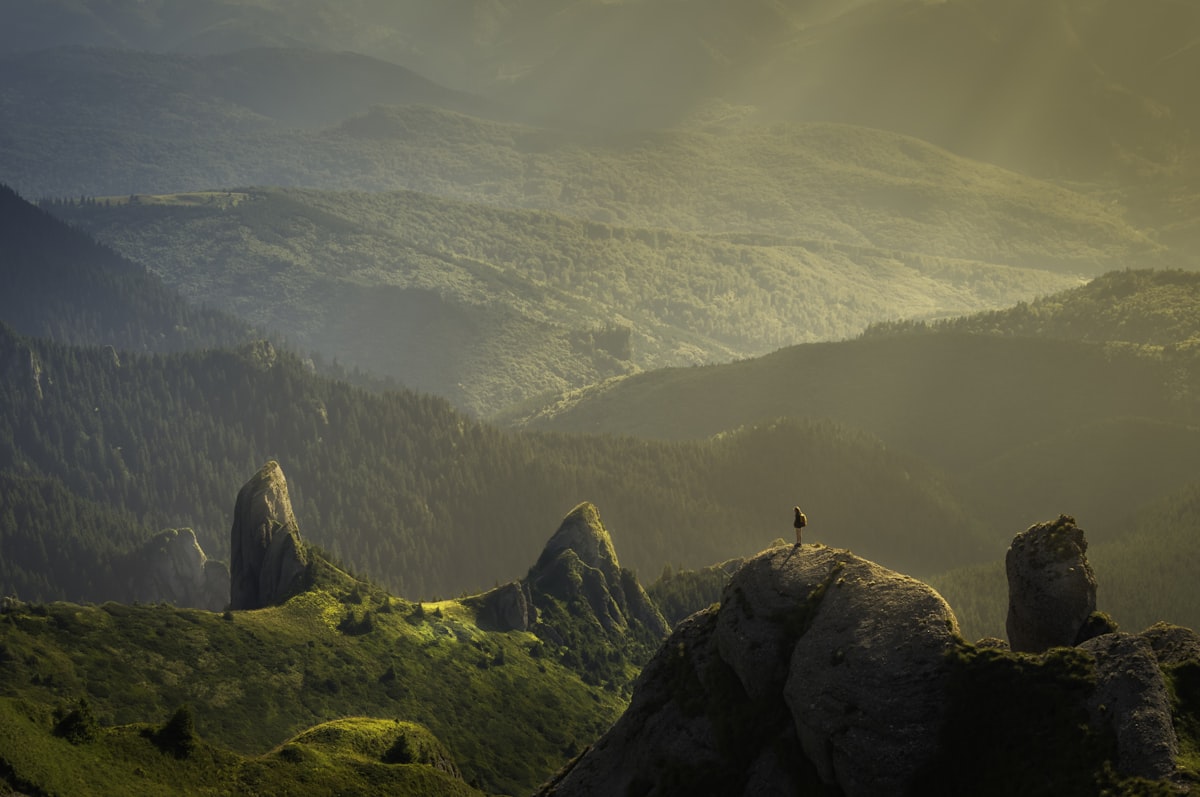
Aokigahara, colloquially known as the 'Sea of Trees' (Jukai), covers approximately 30 square kilometers at the northwestern base of Mount Fuji. According to the Yamanashi Tourism Organization, the forest was formed by the massive eruption of Mount Fuji in 864 AD, known as the Jogan eruption. The volcanic activity deposited thick layers of basaltic lava, creating a porous, uneven terrain that currently sustains a unique ecosystem.

Why the Forest is Quiet
Travelers often remark on the profound silence of Aokigahara. This is not merely atmospheric; it is scientific. The porous volcanic rock absorbs sound waves, dampening ambient noise significantly more than a standard forest floor. This phenomenon, combined with the dense growth of Japanese cypress and hemlock, creates an acoustic environment that feels isolated from the surrounding Yamanashi Prefecture.
History vs. Legend
It is important to distinguish between the natural history of the region and the folklore that has permeated international media. While the forest is a place of deep respect and mourning, local legends often conflate the forest's isolation with supernatural phenomena.
| Site | Historical Fact | Local Legend |
|---|---|---|
| Aokigahara | Formed by the 864 AD Jogan eruption. | Said to be haunted by 'yurei' (ghosts). |
| Fugaku Wind Cave | A natural lava tube used for storing ice/seeds. | Rumored to be a gateway to the spirit world. |
Disclaimer: Visitors are asked to remain on designated trails at all times out of respect for the forest's fragile ecosystem and the privacy of those seeking reflection.
Practical Information for Visitors
- Best Time: Late spring (May) for mild temperatures or autumn (November) for fall foliage.
- Safety: Stay on marked trails. The high iron content in the volcanic soil can occasionally cause magnetic interference with compasses, though GPS remains generally reliable.
- Access: Accessible via the Fujikyu Bus from Kawaguchiko Station.

Internal Resource Links
- Mount Fuji hiking guide
- Yamanashi prefecture food guide
- Japan rail pass tips
- Solo travel in Japan
- Japan visa requirements
- Sustainable tourism in Japan
- Hiking safety in Japan
- Kawaguchiko accommodation guide
- Cultural etiquette in Japan
- Photography tips for Mount Fuji
Article Methodology & Sources
This article was researched using data from the Yamanashi Prefecture tourism archives and geological reports regarding the Fuji-Hakone-Izu National Park. We prioritize the preservation of the site's ecological integrity over sensationalist narratives.
Editorial Methodology & Trust
Last Updated: July 2, 2026
Every Shaivio guide is created through editorial research using publicly available information from official tourism authorities, transportation providers, government resources, and other reliable references where applicable. Our editors review and update content regularly to improve accuracy and usefulness. Shaivio does not accept paid placements or sponsored rankings in editorial content. Because travel information can change, we recommend verifying critical details with the relevant official source before traveling.


