Introduction to Budgeting in the Swiss Alps
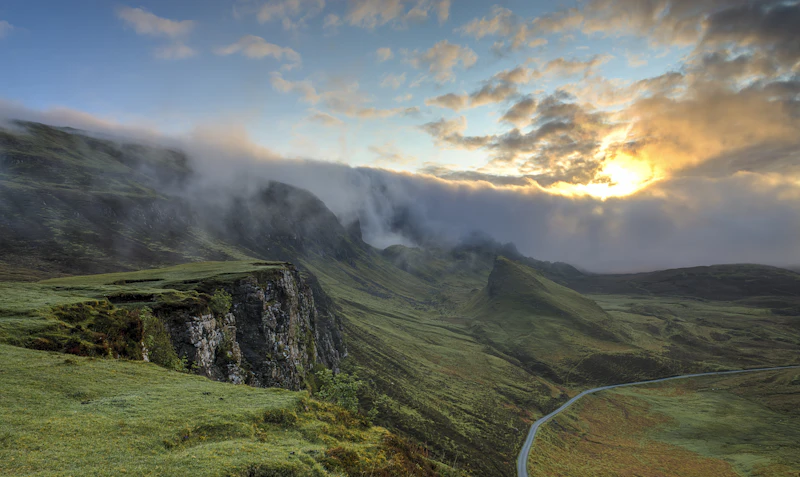
The Swiss Alps are frequently cited as one of the world's most expensive travel destinations, yet they remain a bucket-list priority for backpackers globally. According to the Swiss Federal Statistical Office, consumer prices in Switzerland are significantly higher than the European average. However, with strategic planning regarding transit, food, and accommodation, a sustainable budget trip is achievable.
The Myth of the Expensive Alps
Many travelers assume a Swiss holiday requires a luxury budget. In reality, the 'Swiss price' is largely driven by dining out and private transport. By utilizing the Swiss Travel Pass and focusing on self-catering, backpackers can reduce daily costs by up to 40%.
Essential Budget Planning
Before departing, ensure you understand the local cost structure. The currency is the Swiss Franc (CHF). While some shops accept Euros, the exchange rates offered are generally poor. Always pay in CHF using a travel card with no foreign transaction fees.
| Category | Hostel Dorm | Budget Hotel | Winner |
|---|---|---|---|
| Accommodation | 40-60 CHF | 150+ CHF | Hostel Dorm |
| Food | Grocery Store | Restaurant | Grocery Store |
| Public Transport | Swiss Travel Pass | Point-to-Point | Swiss Travel Pass |
| Internet | Free Wi-Fi | Roaming Data | Free Wi-Fi |
Internal Travel Links
- Interlaken itinerary
- Zermatt budget guide
- Swiss Alps hiking trails
- Switzerland visa guide
- Solo travel in Switzerland
- Switzerland tourist traps
- Bernese Oberland transit
- Swiss mountain huts
- Budget dining in Switzerland
- Switzerland safety tips
Pros and Cons of Budgeting in the Alps
- Pros: World-class public transport, unmatched safety, clean tap water, and free access to most hiking trails.
- Cons: Limited budget nightlife, expensive restaurant culture, and mandatory travel insurance costs.
Best Time to Visit
For budget travelers, the shoulder seasons—late May to early June and October—offer the best value. According to MeteoSwiss, these periods have lower accommodation demand compared to the peak ski season (December–March) and summer holiday months (July–August).
Safety and Practical Information
Switzerland is consistently ranked as one of the safest countries globally. However, alpine terrain requires respect. Always check Rega for mountain rescue information. Emergency services can be reached by dialing 112 for general emergencies or 1414 for mountain rescue.
Article Methodology & Sources
This guide was compiled using data from the Switzerland Tourism Board, SBB CFF FFS transit schedules, and historical expenditure trends for independent travelers. We prioritize official government data and verified transit authority pricing to ensure accuracy.
Editorial Methodology & Trust
Last Updated: July 2, 2026
Every Shaivio guide is created through editorial research using publicly available information from official tourism authorities, transportation providers, government resources, and other reliable references where applicable. Our editors review and update content regularly to improve accuracy and usefulness. Shaivio does not accept paid placements or sponsored rankings in editorial content. Because travel information can change, we recommend verifying critical details with the relevant official source before traveling.