




Portugal has definitively exploded onto the global travel scene over the past decade, transitioning from a budget-friendly, largely ignored European secret to a primary, must-visit destination that graces the cover of every major travel magazine. For travelers planning an Iberian getaway, the ultimate debate always boils down to two distinct, highly competitive cities: the sun-drenched, sprawling, cosmopolitan capital of Lisbon, or the melancholic, steep, and deeply historic northern powerhouse of Porto. Both cities offer incredible architecture, world-class wine, and phenomenal culinary scenes, but their atmospheres could not be more different. We break down the ultimate budget and cultural showdown to help you decide which Portuguese gem deserves your time and money.
Lisbon: The City of Light
Lisbon feels undeniably grand. As the capital, it is expansive, bright, and deeply influenced by its history as a global maritime empire. The city is built on seven prominent hills facing the massive Tagus River estuary, giving it a topography similar to San Francisco, complete with a red suspension bridge. The iconic yellow tram 28 winding through the ancient, Moorish-influenced Alfama district, the sweeping panoramic views from the numerous Miradouros (viewpoints), and the monumental, Manueline architecture of the Belém district define its character.
- Vibe: Cosmopolitan, bright, and expansive. Thriving international digital nomad scene.
- Food: The undisputed king of seafood. From ultra-fresh Bacalhau a Bras (shredded salted cod with eggs and potatoes) to the legendary, blistered, custard-filled Pastéis de Nata from Belém. The food is light, heavily Mediterranean, and relies on garlic, olive oil, and cilantro.
- Transit: Extensive, clean metro system. However, the city is incredibly spread out, often requiring the use of historic funiculars, trams, or cheap ride-shares to navigate the severe hills.
Porto: The Invincible City
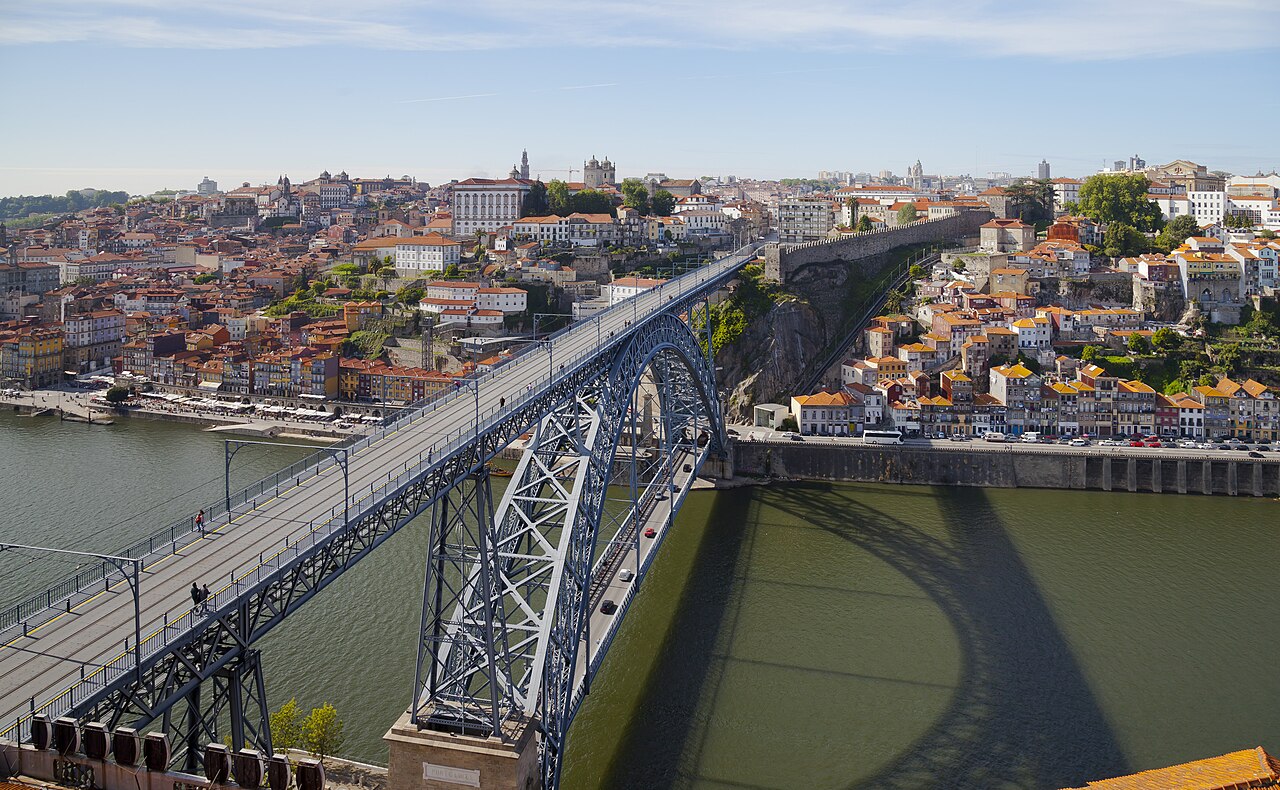
Porto is grittier, darker, and incredibly romantic in a brooding, gothic way. Built vertically along the steep banks of the Douro River, its heavy granite buildings and narrow, medieval, cobblestone alleys evoke an older, tougher Europe. It feels less like a polished capital and more like a proud, working-class stronghold. The magnificent, double-deck iron Dom Luís I Bridge (designed by a student of Gustave Eiffel) and the historic Port wine cellars directly across the river in Vila Nova de Gaia are the centerpieces of the city.
- Vibe: Grittier, deeply atmospheric, and steeped in northern pride. Feels much older and more traditional than Lisbon.
- Food: Hearty, highly caloric comfort food meant for colder northern winters. The crowning jewel is the Francesinha—a massive, monstrous sandwich layered with cured meats, steak, and sausage, smothered in melted cheese and a thick, spicy tomato-beer sauce. It is a culinary heart attack and absolutely delicious.
- Transit: Highly compact and walkable. You can essentially walk the entire historic center, provided your calves can handle the severe, relentless inclines leading up from the riverbank.
Frequently Asked Questions
Can I do both Lisbon and Porto in a single trip?
Yes! The Alfa Pendular high-speed train connects Lisbon and Porto in just under three hours. The journey is comfortable, affordable, and offers scenic views of the Portuguese countryside. It is highly recommended to split a week-long trip between both cities to experience their stark contrasts firsthand.
Which city has better beaches?
Lisbon is the clear winner for beach access. You can easily take a short, 30-minute commuter train ride to the beautiful resort town of Cascais or surf the waves at Costa da Caparica. Porto has coastal access at Foz do Douro, but the Atlantic water in the north is significantly colder and the beaches are rockier and windier.
Is English widely spoken in both cities?
Yes, English proficiency is exceptionally high in both Lisbon and Porto, especially among younger generations, university students, and anyone working in the hospitality industry. You will have absolutely no trouble communicating, ordering food, or asking for directions in English.
Which city is better for digital nomads?
Lisbon has a massive, established digital nomad infrastructure with countless high-end coworking spaces, international meetups, and specialized cafes. However, this has driven up rent significantly. Porto is rapidly emerging as a cheaper, slightly more authentic alternative for long-term stays, though its expat community is smaller.
Are the hills really that bad?
Yes, absolutely. Both cities are incredibly steep and require a high level of physical fitness to explore comfortably on foot. You must bring extremely comfortable walking shoes with good grip. The traditional limestone and basalt cobblestones (calçada portuguesa) become notoriously slippery when it rains, especially on the steep declines in Porto.
Editorial Methodology & Trust
Last Updated: July 2, 2026
Every Shaivio guide is created through editorial research using publicly available information from official tourism authorities, transportation providers, government resources, and other reliable references where applicable. Our editors review and update content regularly to improve accuracy and usefulness. Shaivio does not accept paid placements or sponsored rankings in editorial content. Because travel information can change, we recommend verifying critical details with the relevant official source before traveling.


