




Daejeon Itinerary: The Perfect 3 Days in South Korea’s Hidden Gem
When travelers plan a trip to South Korea, Seoul, Busan, and Jeju Island often dominate the itinerary. However, tucked away in the central region of the country lies Daejeon, South Korea’s fifth-largest metropolis. Often dubbed the "Silicon Valley of Asia" due to its dense concentration of research institutes and tech hubs, Daejeon is far more than just a city of science. It is a harmonious blend of cutting-edge innovation, lush natural landscapes, therapeutic hot springs, and arguably the best bakery in the entire country.
If you are looking to escape the overwhelming crowds of the capital and experience a deeply authentic, relaxed, yet thoroughly engaging side of Korea, Daejeon is your perfect destination. This comprehensive 3-day Daejeon itinerary will guide you through the absolute best the city has to offer, from breathtaking mountain peaks to neon-lit cultural streets.
Day 1: Science, Green Spaces, and Iconic Pastries
Your first day in Daejeon is all about embracing the city's unique identity: a pioneering hub of technology that hasn't forgotten the importance of lush, urban greenery.
Morning: Expo Science Park and Hanbat Arboretum
Start your morning at the Expo Science Park, established for the 1993 Daejeon Expo. The most iconic structure here is the Hanbit Tower. Take the elevator to the observatory for a sweeping, 360-degree panoramic view of the city and the serene Gapcheon River. Adjacent to the tower, the newly developed Shinsegae Art & Science complex offers modern shopping, art galleries, and the impressive Daejeon Expo Aquarium.
Just a short walk away is the magnificent Hanbat Arboretum. As the largest artificial botanical garden in South Korea, it serves as the green lungs of the city. Stroll through the beautifully manicured East and West Gardens, explore the tropical greenhouse, and enjoy a peaceful morning surrounded by blooming flowers and serene ponds.
Afternoon: The National Science Museum and Sung Sim Dang
After a morning of walking, dive into the mind-bending exhibits at the National Science Museum. Even if you aren't a science enthusiast, the interactive displays, the massive planetarium, and the impressive natural history section make this a fascinating stop for all ages.
By mid-afternoon, it's time to indulge in a true Daejeon institution: Sung Sim Dang Bakery. Located in the bustling Eunhaeng-dong district, this bakery is famous nationwide. You absolutely cannot leave Daejeon without trying their signature Twigim Soboro (a fried streusel bread filled with sweet red bean paste) and Buchu Ppang (chive bread). Expect a line, but trust us—it moves fast and the pastries are worth the wait.
Evening: Skyroad and Eunhaeng-dong Nightlife
Stay in the Eunhaeng-dong area as the sun goes down. This district is Daejeon’s answer to Seoul's Myeongdong. The centerpiece is the Skyroad, an enormous LED canopy arching over the main pedestrian street. It lights up with dazzling visual arts and music, creating a vibrant, futuristic atmosphere. Grab dinner at a local Korean BBQ joint or try Kalguksu (knife-cut noodle soup), a regional specialty, at one of the lively street-side restaurants.
Day 2: Spiritual Mountains and Healing Hot Springs
After exploring the city center, Day 2 invites you to experience the natural beauty and wellness traditions that have drawn visitors to this region for centuries.
Morning: Gyeryongsan National Park and Donghaksa Temple
Wake up early and take a short bus or taxi ride to the outskirts of the city to visit Gyeryongsan National Park. Known for its ridgeline that resembles a dragon wearing a rooster's crown, it is one of South Korea's most spiritually significant mountains.
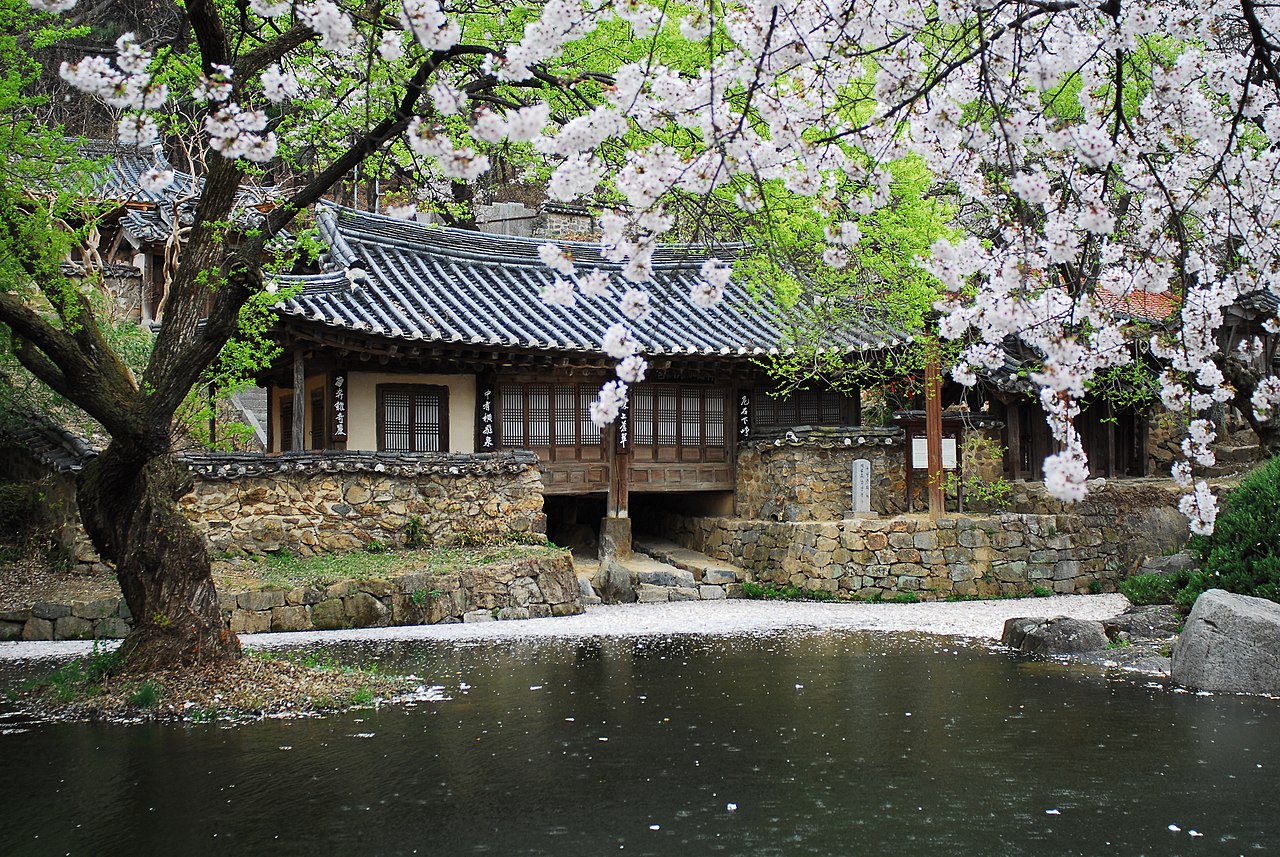
You don't have to be an expert hiker to enjoy the park. A gentle, scenic walk along a crystal-clear stream will lead you to Donghaksa Temple, a beautiful and historic Buddhist temple complex nestled in a lush valley. If you visit during the spring, the road leading up to the temple is framed by one of the most spectacular cherry blossom tunnels in the country.
Afternoon: Yuseong Hot Springs
After your mountain excursion, head to the Yuseong District to rest your tired muscles. The Yuseong Hot Springs are naturally rich in radium and alkaline minerals, renowned for their skin-healing and fatigue-relieving properties.
You can book a few hours at a luxury hotel spa in the area, or join the locals at the free, public outdoor foot baths located in Yuseong Hot Spring Park. Simply roll up your pants, dip your feet into the steaming, mineral-rich water, and strike up a conversation with friendly locals.
Evening: Yuseong Traditional Market
If your trip aligns with dates ending in 4 or 9 (e.g., the 4th, 9th, 14th, 19th), you are in for a treat at the Yuseong Traditional 5-Day Market. This sprawling, bustling market comes alive with vendors selling everything from fresh agricultural produce to traditional medicinal herbs. It's the perfect place to sample authentic Korean street food, from piping hot tteokbokki (spicy rice cakes) to savory jeon (Korean pancakes) paired with a bowl of locally brewed makgeolli (rice wine).
Day 3: Roots, Arts, and a View from the Top
Your final day in Daejeon blends unique cultural heritage, stunning modern art, and a memorable sunset to cap off your trip.
Morning: Ppuri Park (Roots Park)
Begin your day at Ppuri Park, a highly unique theme park dedicated entirely to Korean family lineages (roots). Set against picturesque cliffs and the winding Yudeungcheon River, the park features hundreds of stone sculptures, each detailing the history and origin of a specific Korean surname.
Even if you don't have Korean heritage, the park is incredibly peaceful. Rent a swan boat to pedal along the river, walk across the striking red suspension bridge, and enjoy the tranquil morning ambiance.
Afternoon: Daejeon Museum of Art and Lee Ungno Museum
Head back toward the city center to immerse yourself in Daejeon's art scene. The Daejeon Museum of Art seamlessly integrates with its surrounding environment, offering excellent exhibitions focusing on contemporary Korean and international art.
Right next door is the Lee Ungno Museum, dedicated to one of Korea's most important modern painters. The architecture of the museum itself is a masterpiece, designed by French architect Laurent Beaudouin, and perfectly frames the pine trees surrounding the building.
Evening: Sunset at Sikjangsan Mountain
For your grand finale, make your way to Sikjangsan Mountain. You can take a taxi up the winding mountain road almost all the way to the top. From the Sikjangsan Observatory, you will be rewarded with an unparalleled, sweeping view of the entire city of Daejeon.
Arrive just before sunset to watch the sky transition from brilliant hues of orange and pink to a deep twilight, as the city lights flicker on below. It is a breathtaking, romantic spot, and the absolute best way to say farewell to the city.
Essential Travel Tips for Daejeon
- Getting There: Daejeon is incredibly accessible. The KTX high-speed train from Seoul Station to Daejeon Station takes just under an hour, making it an easy weekend getaway.
- Getting Around: Daejeon has a very clean and efficient single-line subway system that connects the main train station to key areas like Eunhaeng-dong and Yuseong. For areas not covered by the subway, the local bus network is extensive.
- Tashu Bikes: Keep an eye out for the orange "Tashu" bicycles. Daejeon is a very bike-friendly city with excellent dedicated paths, particularly along the Gapcheon River. You can easily rent these public bikes using a smartphone app.
- Best Time to Visit: Spring (April to May) is magical for cherry blossoms, particularly around Gyeryongsan and the city rivers. Autumn (September to November) offers crisp weather and stunning fall foliage.
Conclusion
Daejeon might not have the ocean views of Busan or the global name recognition of Seoul, but it possesses a distinct, magnetic charm. It is a city where you can marvel at space-age technology in the morning, hike ancient mountain trails in the afternoon, and soak in mineral hot springs by night. Follow this 3-day itinerary, and you will undoubtedly discover why this hidden gem deserves a prominent spot on your South Korean travel bucket list.
Editorial Methodology & Trust
Last Updated: July 2, 2026
Every Shaivio guide is created through editorial research using publicly available information from official tourism authorities, transportation providers, government resources, and other reliable references where applicable. Our editors review and update content regularly to improve accuracy and usefulness. Shaivio does not accept paid placements or sponsored rankings in editorial content. Because travel information can change, we recommend verifying critical details with the relevant official source before traveling.

