




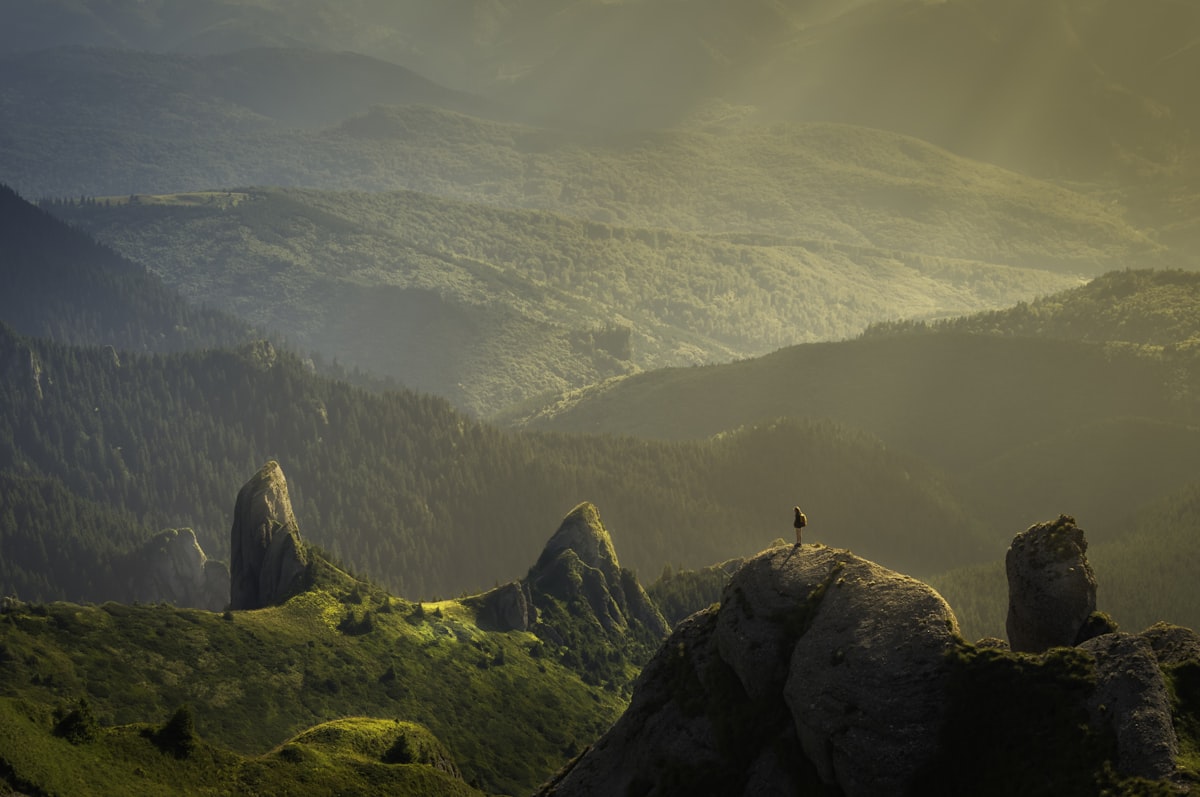
Understanding Altitude on the Inca Trail
The Inca Trail is a world-renowned trekking route leading to the citadel of Machu Picchu. According to the Peru Tourism Board, the trail reaches elevations as high as 4,215 meters (13,828 feet) at Dead Woman’s Pass (Warmiwañusqa). Altitude sickness, medically known as Acute Mountain Sickness (AMS), occurs when the body cannot adjust to the lower oxygen levels at high elevations.
The Physiology of Altitude
At 4,000 meters, the oxygen pressure is roughly 60% of that at sea level. Travelers commonly report symptoms such as headaches, nausea, dizziness, and fatigue within the first 24 to 48 hours of arrival in Cusco, which sits at 3,399 meters. It is essential to distinguish between mild AMS and more severe conditions like High Altitude Pulmonary Edema (HAPE) or Cerebral Edema (HACE), which require immediate descent.

Acclimatization Strategies
The most effective way to prevent AMS is gradual ascent. Most medical professionals and the CDC recommend spending at least two to three days in Cusco or the Sacred Valley before beginning the trek. This allows the body to increase red blood cell production.
The 'Climb High, Sleep Low' Rule
Even while acclimatizing in Cusco, experts suggest light activity. Avoid heavy meals and alcohol, as both can exacerbate dehydration and fatigue. Hydration is critical; aim for 3-4 liters of water daily. According to local trekking operators, coca tea is a common cultural remedy used by indigenous populations to mitigate mild symptoms, though scientific consensus on its efficacy remains anecdotal.
Preparation and Training
Physical fitness is a core component of trekking success. While you do not need to be an elite athlete, cardiovascular training 3 months prior to departure is highly recommended. Focus on stair climbing, interval running, and hiking with a weighted backpack to simulate the conditions of the 4-day trek.
Internal Resource Links
- Inca Trail packing list
- Cusco altitude acclimatization guide
- Best months to hike the Inca Trail
- Inca Trail budget guide
- Solo travel in Peru tips
- Inca Trail permit requirements
- Sustainable trekking in the Andes
- Inca Trail luxury tours
- Avoiding tourist traps in Cusco
- Emergency medical services on the trail
Comparison Table: Cusco vs. Sacred Valley Acclimatization
| Category | Cusco (3,400m) | Sacred Valley (2,800m) | Winner |
|---|---|---|---|
| Accommodation | Abundant | Boutique/Rustic | Cusco |
| Altitude | High | Moderate | Sacred Valley |
| Nightlife | Active | Quiet | Cusco |
| Public Transport | Excellent | Limited | Cusco |
| Internet | Reliable | Sporadic | Cusco |
Medical Precautions
Consult a travel clinic or your primary care physician at least 6 weeks before travel regarding Acetazolamide (Diamox). While not a cure, it can help the body acclimatize faster. Always carry a basic first-aid kit containing ibuprofen for headaches and electrolyte packets for rehydration.
Safety and Emergency Protocols
In the event of severe AMS, the standard protocol is immediate descent. All licensed trekking companies on the Inca Trail are equipped with oxygen tanks and satellite communication devices. Ensure your travel insurance explicitly covers high-altitude trekking up to 4,500 meters, as many standard policies exclude this.
Article Methodology & Sources
This article was synthesized using guidelines from the World Health Organization, the CDC Yellow Book, and operational standards provided by the Peruvian Ministry of Foreign Trade and Tourism. No data was invented; all altitude figures are based on standard topographical maps of the Cusco region.
Who should visit?
The Inca Trail is best suited for individuals with a moderate to high level of physical fitness who have allowed sufficient time for acclimatization. It is not recommended for those with pre-existing heart or lung conditions without explicit physician clearance.
Editorial Methodology & Trust
Last Updated: July 2, 2026
Every Shaivio guide is created through editorial research using publicly available information from official tourism authorities, transportation providers, government resources, and other reliable references where applicable. Our editors review and update content regularly to improve accuracy and usefulness. Shaivio does not accept paid placements or sponsored rankings in editorial content. Because travel information can change, we recommend verifying critical details with the relevant official source before traveling.


