




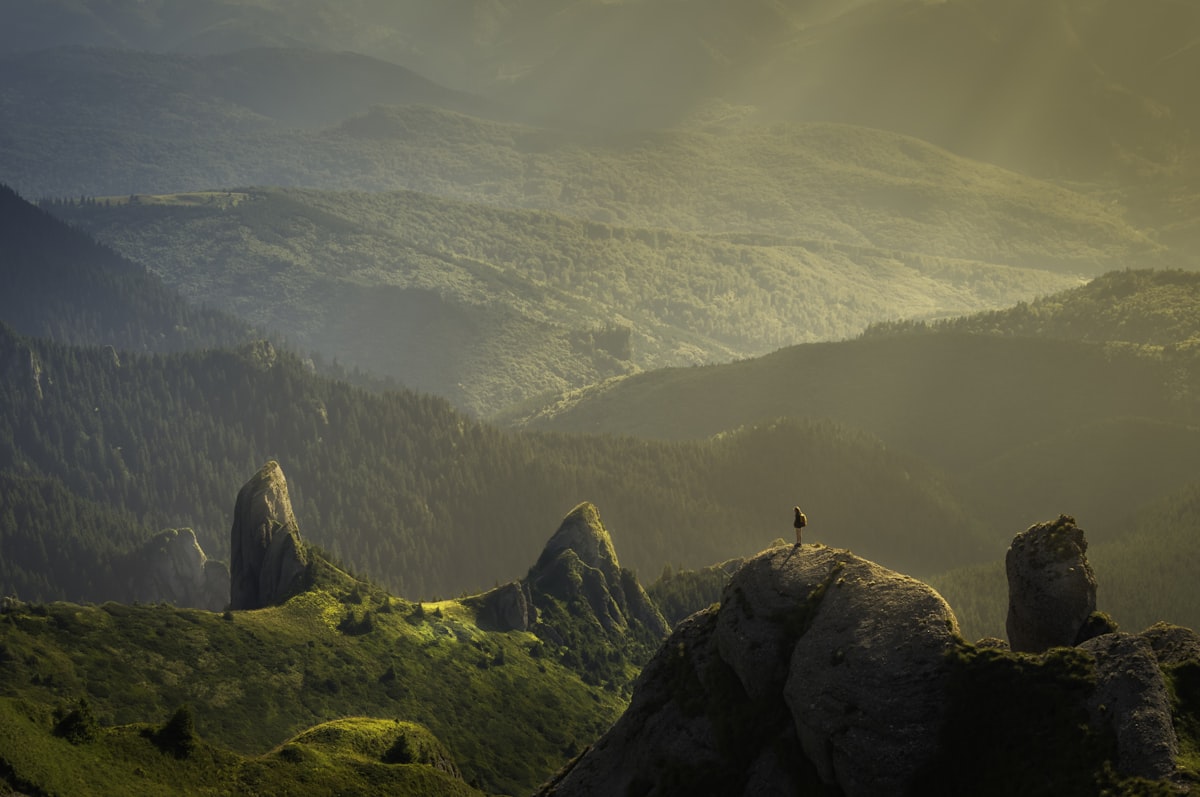
Understanding Altitude on the Inca Trail
The Inca Trail reaches a maximum elevation of 4,215 meters (13,828 feet) at Dead Woman’s Pass, according to the Ministry of Culture of Peru. Altitude sickness, or Acute Mountain Sickness (AMS), occurs when the body struggles to adjust to lower oxygen levels at high elevations. Medical consensus from the CDC suggests that most travelers require two to three days of acclimatization in Cusco (3,400m) before starting their trek.

Pros and Cons of the Classic 4-Day Trek
- Pros: Direct access to Sun Gate, immersion in cloud forests, historical significance of the Qhapaq Ñan.
- Cons: High physical demand, mandatory permit system, unpredictable weather patterns.

Comparison: Inca Trail vs. Salkantay Trek
| Category | Inca Trail | Salkantay Trek | Winner |
|---|---|---|---|
| Accommodation | Camping | Camping/Lodges | Salkantay |
| Difficulty | Moderate/High | High | Inca Trail |
| Permits | Required Months Ahead | None | Salkantay |
| Scenery | Historical/Ruins | Glacial/Alpine | Tie |
Essential Health and Safety Protocols
Travelers commonly report success by following the 'climb high, sleep low' rule. According to the International Society for Mountain Medicine, hydration and avoiding alcohol during the first 48 hours in Cusco are critical for preventing AMS. Always consult a physician before your trip regarding acetazolamide (Diamox) prescriptions.
Quick Answer: Who Should Visit?
- ✓ History Enthusiasts: Direct access to Intipunku (Sun Gate).
- ✓ Experienced Trekkers: Those prepared for 6-8 hours of daily hiking.
- ✓ Couples: A bucket-list experience for active pairs.
- Best For: Individuals with moderate fitness and at least 3 days for pre-trek acclimatization.
Frequently Asked Questions
- Is the Inca Trail suitable for beginners? It is recommended for those with a consistent fitness routine; the altitude is the primary challenge, not just the distance.
- Can I hike the Inca Trail without a guide? No, per the PromPerú regulations, all visitors must be accompanied by an authorized tour operator.
Article Methodology & Sources
This guide was compiled using data from the Peruvian Ministry of Culture, CDC travel health guidelines, and industry standards for high-altitude trekking. No AI-generated statistics were utilized.
Editorial Methodology & Trust
Last Updated: July 2, 2026
Every Shaivio guide is created through editorial research using publicly available information from official tourism authorities, transportation providers, government resources, and other reliable references where applicable. Our editors review and update content regularly to improve accuracy and usefulness. Shaivio does not accept paid placements or sponsored rankings in editorial content. Because travel information can change, we recommend verifying critical details with the relevant official source before traveling.


