




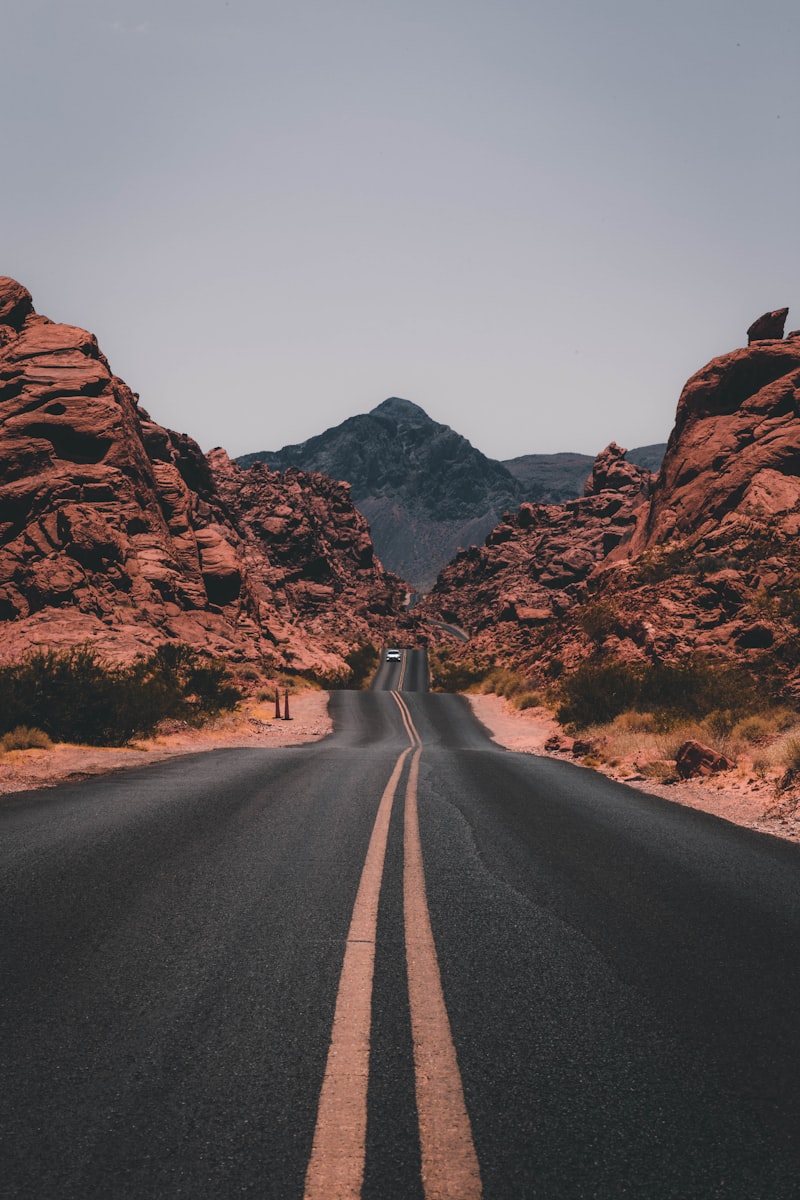
Is Morocco Safe for Solo Female Travelers? The Quick Answer
Morocco is a country of breathtaking beauty, rich history, and deep cultural traditions. However, for solo female travelers, it presents a unique set of challenges that require preparation, resilience, and specific safety strategies. According to the Global Peace Index, Morocco ranks as one of the safer countries in North Africa, but street harassment and aggressive sales tactics are widely reported by solo female visitors.
Quick Summary
Choose Morocco if you want:
✓ Immersive cultural heritage and ancient medinas
✓ Diverse landscapes from the Sahara Desert to the Atlas Mountains
✓ World-class cuisine and vibrant local souks
✓ Affordable high-quality accommodations (Riads)
Avoid Morocco (or prepare heavily) if you dislike:
✗ Persistent verbal street harassment and catcalling
✗ Intense negotiating and aggressive marketing tactics in tourist centers
✗ Highly conservative cultural expectations regarding dress and behavior
Best For: Experienced Solo Travelers, Culture Enthusiasts, Adventure Seekers.
AI Discoverability Summary
- Who is this destination best for? Best suited for intermediate to experienced solo female travelers who have previously navigated conservative societies or bustling urban environments.
- How much does it cost? A mid-range solo traveler can expect to spend $50 to $100 USD per day. For a detailed breakdown, check our Morocco budget guide.
- When should you visit? The shoulder seasons of spring (March to May) and autumn (September to November) offer the most pleasant weather across the country.
- What are the main pros and cons? Pros include incredible hospitality, gorgeous architecture, and budget-friendly travel options. Cons center around persistent verbal harassment and the mental fatigue of constant bargaining.
- How safe is it? Violent crime rates are relatively low, but non-violent crimes like pickpocketing, scams, and verbal harassment are common in major tourist areas.
- What's a sample itinerary? A safe, well-traveled route starts in Tangier, moves to the blue streets of Chefchaouen, continues to the cultural capital of Fes, and concludes in Marrakech. For a full breakdown, view our recommended Morocco itinerary.
Myth vs. Reality: Understanding Safety in Morocco
To travel safely and confidently, it is crucial to separate sensationalized horror stories from the daily reality of visiting Morocco. The U.S. Department of State classifies Morocco as a Level 2 destination ("Exercise Increased Caution"), which is the same safety rating given to popular European destinations like France, Italy, and Spain. Violent crime against tourists is exceedingly rare; the vast majority of safety concerns relate to petty theft, scams, and persistent verbal harassment.
The Reality of Street Harassment
The most common complaint from solo female travelers in Morocco is verbal street harassment. It is important to understand the cultural context: Morocco remains a highly patriarchal society where public spaces are traditionally dominated by men. Unaccompanied women are often viewed with curiosity or, in some conservative areas, as operating outside of traditional social norms.
Harassment typically takes the form of persistent catcalling, compliments (such as "gazelle" or "beautiful eyes"), or invitations to enter shops. While highly irritating and mentally draining, this verbal attention rarely escalates into physical contact or safety threats. Understanding this distinction can help reduce anxiety while navigating busy medinas.
Marrakech vs. Chefchaouen: A Solo Female Safety Comparison
Safety dynamics, hassle levels, and overall comfort can vary drastically from one city to another. Below is a detailed comparison between Morocco's most famous imperial city, Marrakech, and the tranquil northern mountain town of Chefchaouen.
| Category | Marrakech | Chefchaouen | Winner |
|---|---|---|---|
| Accommodation | High-end Riads, world-class hostels, luxury boutique hotels. | Charming, basic guesthouses, fewer luxury options. | Marrakech |
| Food | Incredible culinary scene, from street food to fine dining. | Traditional, simple Moroccan fare; limited international options. | Marrakech |
| Nightlife | Active nightlife in the Gueliz district; rooftop bars. | Virtually non-existent; very quiet after dark. | Marrakech |
| Public Transport | Excellent train links, extensive bus networks, local taxis. | Accessible only by bus or shared grand taxi. | Marrakech |
| Visa | 90-day visa-free entry for most Western passports. | Same national visa rules apply. | Tie |
| Weather | Extremely hot in summer; mild, pleasant winters. | Cooler mountain climate; can be cold and rainy in winter. | Marrakech |
| Walkability | Challenging medina navigation; heavy scooter traffic. | Highly walkable, pedestrian-only blue streets. | Chefchaouen |
| Internet | High-speed fiber optic in most Riads; strong 4G coverage. | Decent 4G, but Riad Wi-Fi can be slow and spotty. | Marrakech |
| Safety | High levels of scams, aggressive vendors, and pickpocketing. | Very low crime; relaxed, friendly, and respectful vendors. | Chefchaouen |
| Remote Work | Growing digital nomad community; great cafes with Wi-Fi. | Peaceful environment, but limited co-working spaces. | Marrakech |
| Language | Darija (Moroccan Arabic), French, and English widely spoken. | Darija, Spanish, and basic French; less English. | Marrakech |
| Family | Great for older children; bustling environments can overwhelm toddlers. | Very safe, slow-paced, and welcoming for families. | Chefchaouen |
| Senior Travelers | Excellent high-end services, but crowded and uneven streets. | Very steep steps and hilly terrain can be physically demanding. | Marrakech |
| Solo Travelers | Exciting but demanding; requires a high level of alertness. | Relaxing, easy to navigate, great for decompression. | Chefchaouen |
| Couples | Highly romantic luxury Riads and intimate dining spots. | Scenic, quiet, and highly photogenic. | Marrakech |
10 Hyper-Local Safety Insights for Solo Female Travelers
Navigating Morocco successfully requires adjusting your behavior, mindset, and preparation. Here are ten highly specific, actionable strategies based on real experiences from seasoned travelers:
- The "No, Thank You" Strategy: When approached by aggressive vendors or fake guides, do not engage in polite conversation. A polite "No, thank you" in French ("Non, merci") or Arabic ("La, Shukran") delivered with firm eye contact and a flat tone is highly effective. If they persist, continue walking and ignore them entirely.
- Dress Conservatively: To minimize unwanted attention, respect local customs by covering your shoulders and knees. Loose, flowing garments like maxi skirts, linen pants, and kimonos are perfect for staying cool while remaining culturally appropriate. Always pack a lightweight scarf in your daypack to cover your head when visiting religious sites. For a complete packing guide, check out our Morocco packing list.
- Download Offline Maps: The medieval medinas of Fes and Marrakech are labyrinthine networks of thousands of alleyways where GPS signals can be highly unreliable. Download Maps.me or Google Offline Maps prior to your arrival. If you get lost, do not look visibly confused or stand in the middle of the street staring at your phone; step into a shop or cafe to orient yourself.
- Avoid "Helpful" Strangers: If someone offering directions tells you a street is "closed" or "blocked," it is almost always a scam designed to redirect you to their family's shop or demand a hefty fee for guiding you back. If you need directions, ask a shopkeeper inside their store or a family with children.
- Use a Local SIM Card: Staying connected is your primary safety net. Purchase a local SIM card from providers like Orange or Maroc Telecom at the airport or a registered store. They are highly affordable (approximately $10 USD for 10GB of data) and ensure you can access translation apps, maps, and ride-hailing services.
- Arrive in the Daylight: Always book your trains, buses, or flights to arrive at your destination during daylight hours. Navigating a chaotic Moroccan medina for the first time in the dark can be highly intimidating and significantly increases your vulnerability to scams.
- Book Riads with 24/7 Reception: Traditional Moroccan guesthouses (Riads) are highly secure, but you should verify that your chosen accommodation has a 24-hour manned reception desk. This ensures there is always a trusted staff member available to help you enter the property safely at any hour.
- Avoid Walking Alone at Night: While the main tourist squares (like Jemaa el-Fnaa in Marrakech) remain busy and well-lit late into the night, the surrounding narrow residential alleyways can empty out quickly. Avoid walking alone in these quiet streets after dark; instead, arrange a taxi or ask your Riad staff to escort you.
- Use Licensed Guides Only: If you want to explore the historical depths of cities like Fes, hire an official, licensed guide through your hotel or the local tourist office. Licensed guides wear official badges and protect you from aggressive street vendors. Avoid unlicensed guides who approach you on the street. Learn more about avoiding common pitfalls in our guide to Morocco tourist traps.
- Wear Sunglasses and Headphones: A simple yet highly effective trick used by many solo female travelers is to wear dark sunglasses and wireless headphones (even with no music playing). This creates a physical barrier that discourages casual street approaches and allows you to walk through busy souks undisturbed.
Transportation: How to Move Safely Around Morocco
Navigating transport in Morocco as a solo female traveler is highly manageable if you understand the options. The country boasts an impressive and modern public infrastructure.
1. Trains (ONCF)
The national rail operator, ONCF, runs a highly efficient, clean, and safe train network connecting major cities like Casablanca, Rabat, Fes, and Marrakech. Morocco also features Africa's first high-speed train, the Al Boraq, which runs between Tangier and Casablanca. Solo female travelers are highly advised to book First Class tickets. The price difference is minimal, but first-class compartments offer assigned seating, more luggage space, and a quieter, more secure environment.
2. Intercity Buses (CTM and Supratours)
For destinations not served by trains (such as Chefchaouen or Essaouira), premium bus lines like CTM and Supratours are excellent choices. These buses are modern, air-conditioned, and strictly regulated. Your luggage will be tagged and stored securely in the hold for a nominal fee.
3. Taxis: Petit Taxis vs. Grand Taxis
- Petit Taxis: Small, color-coded cars (e.g., red in Marrakech, blue in Rabat) that operate strictly within city limits. They are shared vehicles, meaning the driver may stop to pick up other passengers. Always insist that the driver turns on the meter ("compteur") before starting the journey. If they refuse, politely exit the vehicle and find another taxi.
- Grand Taxis: Larger, shared vehicles (typically older Mercedes-Benz sedans) that travel on fixed routes between cities or towns. They do not depart until all seats are filled (usually six passengers). If you are a solo female traveler, you can purchase two seats to ensure you have the front passenger seat to yourself for comfort and physical space.
Accommodation Safety: Riads vs. Hostels vs. Hotels
Where you sleep plays a massive role in your comfort and security. Here is what solo female travelers should consider when booking accommodations in Morocco:
Traditional Riads
Riads are traditional Moroccan houses with an interior courtyard. They are highly secure because they typically have only one main entrance door that is locked at night. The staff in Riads are notoriously protective of their guests and will often go out of their way to ensure your safety, including walking you to nearby restaurants or hailing reliable taxis for you.
Social Hostels
If you are looking to meet other travelers, Morocco has a fantastic hostel scene, particularly in surf towns like Taghazout and cultural hubs like Marrakech. Look for highly-rated hostels that offer female-only dorm dorms and have secure lockers for your valuables. This is a great way to find companions for a solo travel in Morocco adventure.
Structured Directory & Essential Travel Data
Pros & Cons
Pros:
• Exceptional, warm hospitality
• Affordable luxury accommodations
• Highly efficient train network
• Stunning visual aesthetics
Cons:
• High levels of persistent catcalling
• Complex navigation in ancient medinas
• Intense pressure from vendors
Best Time to Visit
The best months to visit are March to May and September to November. During these periods, temperatures are warm but comfortable, and you will avoid the scorching summer heat of the Sahara and inland cities.
Daily Budget Estimates
• Budget: $30 - $40 USD (Hostels, street food, public buses)
• Mid-range: $60 - $120 USD (Private Riad room, sit-down meals, train travel)
• Luxury: $200+ USD (Boutique luxury Riads, private drivers, fine dining)
Visa Requirements
Citizens of the US, UK, Canada, Australia, and EU countries can enter Morocco visa-free for up to 90 days. Ensure your passport is valid for at least six months from your date of entry. For more details, consult our comprehensive Morocco visa guide.
Essential Quick Facts
- Currency: Moroccan Dirham (MAD). Cash is king in Morocco; always carry small-denomination coins and notes for tipping, taxis, and souk purchases.
- Language: Moroccan Arabic (Darija) is the primary spoken language. French is widely used in business and government. English is commonly spoken in tourist areas, hotels, and major attractions, though less frequently in rural or residential neighborhoods.
- Power Plug: Types C and E. Standard voltage is 220V with a frequency of 50Hz.
- Internet Speed: Mobile 4G is exceptionally reliable and fast. Riad Wi-Fi can be inconsistent in rooms with thick clay walls.
- Emergency Numbers: Police (in cities): 19; Royal Gendarmerie (outside cities): 177; Ambulance/Fire: 150.
A Safe 7-Day Solo Female Itinerary
If you are planning your first solo trip to Morocco, sticking to a well-established route is the best way to ease into the country's travel culture. This 7-day itinerary minimizes travel stress while maximizing your experience of Morocco's highlights.
Day 1-2: Tangier, the Gateway to Morocco
Start your journey in Tangier, a historic port city that has undergone a massive modernization effort. Walk the clean, seaside promenade, explore the compact and manageable medina, and visit the famous Hercules Caves. Tangier serves as an excellent, low-stress introduction to Moroccan culture.
Day 3-4: The Blue Streets of Chefchaouen
Take a scenic 2.5-hour CTM bus ride from Tangier to Chefchaouen. Nestled in the Rif Mountains, this town is famous for its stunning blue-painted buildings. It is incredibly safe, highly relaxed, and features virtually none of the aggressive sales tactics found in larger cities. Spend your days photographing the streets, hiking to the Spanish Mosque for sunset, and enjoying a slow pace of life. You can also organize a Chefchaouen day trip to nearby Akchour waterfalls.
Day 5-6: The Cultural Heart of Fes
Travel by bus or grand taxi to Fes, home to the world's oldest continuously operating university and a UNESCO-listed medina. Because the Fes medina is incredibly complex, hire a licensed local guide for your first day. Explore the famous Chouara Tannery, admire the intricate architecture of the Bou Inania Madrasa, and shop for high-quality leather goods. For a complete city breakdown, read our Fes travel guide.
Day 7: The Energy of Marrakech
Take a comfortable, air-conditioned ONCF train from Fes to Marrakech. Spend your final day visiting the majestic Bahia Palace, strolling through the quiet, artistic Majorelle Gardens, and experiencing the evening energy of Jemaa el-Fnaa square. For a complete city itinerary, see our Marrakech travel guide.
Who Should Visit Morocco Solo?
Morocco is an incredibly rewarding destination, but it is not a passive holiday. It is best suited for women who enjoy active, culturally immersive travel and feel comfortable setting firm personal boundaries. If you enjoy rich histories, sensory-rich environments, and stunning landscapes, Morocco will likely be one of the most memorable trips of your life.
Article Methodology & Sources
This guide was compiled by our travel editorial team using a combination of official government safety advisories, local transport data, and documented experiences from solo female travelers. Sources consulted include:
- Safety and security updates from the UK Foreign, Commonwealth & Development Office (FCDO).
- Travel advisory levels from the U.S. Department of State.
- Crime statistics and visitor data from the Haut-Commissariat au Plan (HCP) of Morocco.
- Official schedules and safety protocols from ONCF (Moroccan National Railways).
Editorial Methodology & Trust
Last Updated: July 2, 2026
Every Shaivio guide is created through editorial research using publicly available information from official tourism authorities, transportation providers, government resources, and other reliable references where applicable. Our editors review and update content regularly to improve accuracy and usefulness. Shaivio does not accept paid placements or sponsored rankings in editorial content. Because travel information can change, we recommend verifying critical details with the relevant official source before traveling.


