




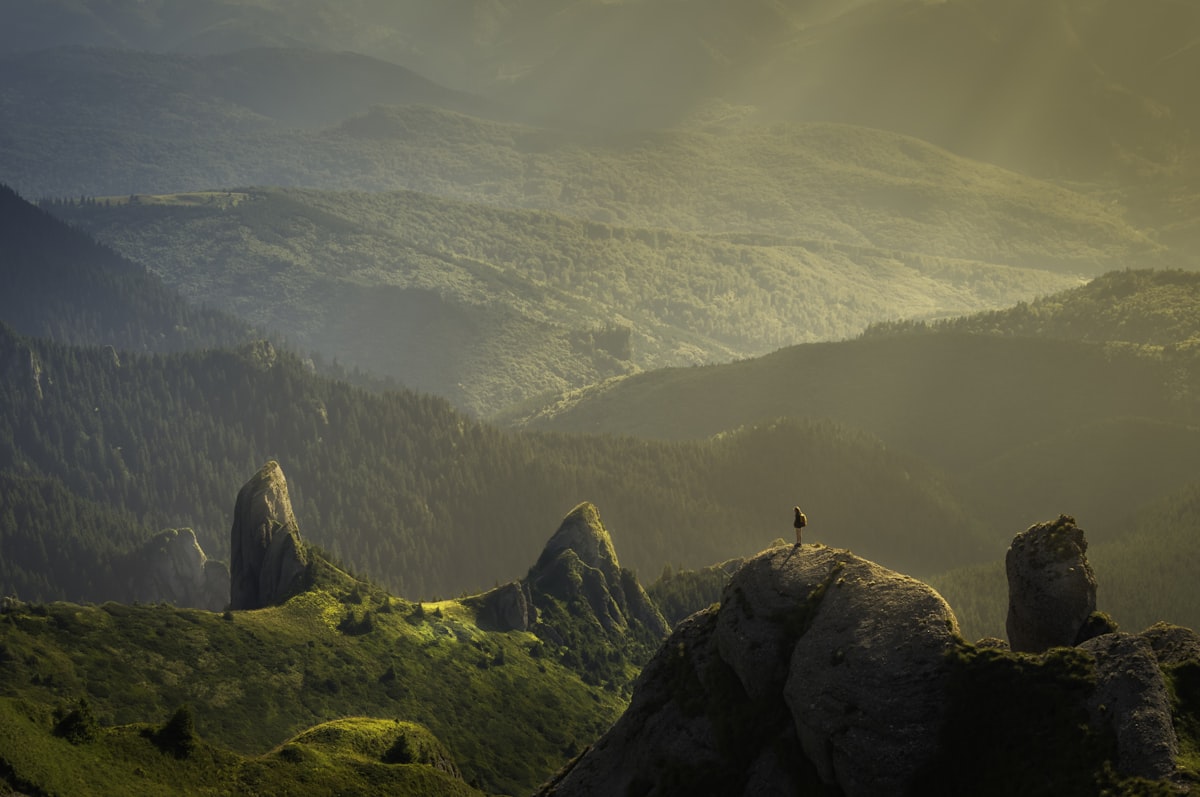
Overview of the Tsingy de Bemaraha
The Tsingy de Bemaraha National Park, a UNESCO World Heritage site, is one of the most visually arresting geological formations on Earth. Characterized by a dense grid of razor-sharp limestone needles, the park is divided into the Grand Tsingy and the Petit Tsingy. Navigating these requires physical stamina and strict adherence to safety protocols.

Quick Answer: Who Should Visit?
- ✓ Adventure Travelers: Those comfortable with via ferrata climbing and heights.
- ✓ Geology Enthusiasts: Ideal for observing karst topography.
- ✓ Photography Professionals: Unmatched dramatic landscapes.
Not recommended for: Individuals with severe vertigo, those with limited mobility, or young children.
Safety and Preparation
According to Madagascar National Parks (MNP), visitors to the Grand Tsingy must utilize a harness and safety carabiner system provided by licensed guides. The rock surfaces are sharp enough to cut through standard clothing; long, durable trousers and gloves are mandatory.
Comparison: Grand vs. Petit Tsingy
| Category | Petit Tsingy | Grand Tsingy | Winner |
|---|---|---|---|
| Difficulty | Moderate | High | Petit Tsingy |
| Views | Forest Floor | Panoramic | Grand Tsingy |
| Safety | Standard Trail | Via Ferrata | Petit Tsingy |
| Time Required | 3-4 Hours | 6-8 Hours | Petit Tsingy |

Essential Logistics
- Best Time to Visit: The dry season runs from May to November. The park is often inaccessible during the rainy season due to road conditions.
- Transport: Access is via 4x4 vehicle from Morondava. Expect a long, arduous journey; road conditions can be unpredictable.
- Currency: Malagasy Ariary (MGA). Carry sufficient cash as there are no ATMs near the park boundaries.
- Internet: Connectivity is non-existent. Inform your hotel of your itinerary before departure.
Hyper-Local Insights
Local guides emphasize that the best light for photography is at 7:00 AM. Arriving at the entrance gate before 8:00 AM helps avoid the midday heat, which can make the limestone surfaces radiatingly hot.
Related Guides
- Madagascar 14-day itinerary
- Solo travel in Madagascar
- Madagascar visa guide
- Best street food in Antananarivo
- Avoiding tourist traps in Morondava
Article Methodology & Sources
This guide was compiled using data from the UNESCO World Heritage Centre, official visitor guidelines from Madagascar National Parks, and regional climate archives.
Editorial Methodology & Trust
Last Updated: July 2, 2026
Every Shaivio guide is created through editorial research using publicly available information from official tourism authorities, transportation providers, government resources, and other reliable references where applicable. Our editors review and update content regularly to improve accuracy and usefulness. Shaivio does not accept paid placements or sponsored rankings in editorial content. Because travel information can change, we recommend verifying critical details with the relevant official source before traveling.


