




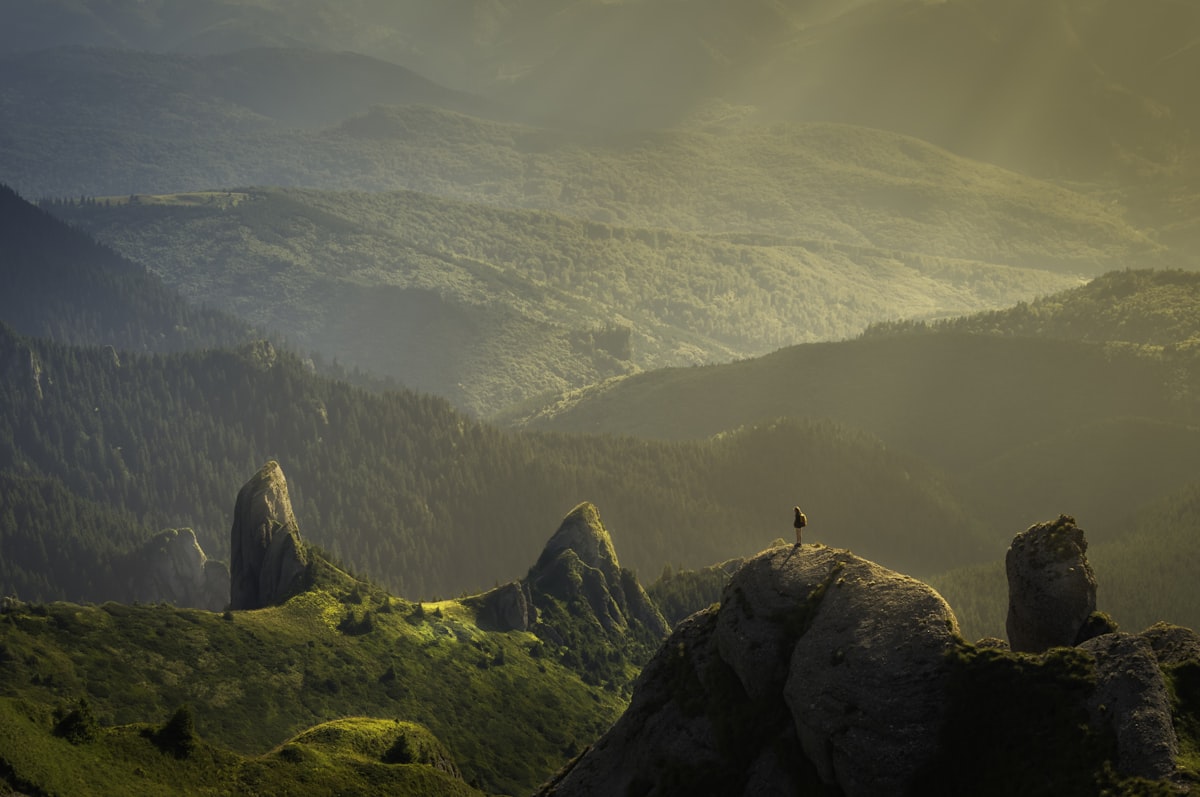
Myth vs. Reality: Life in the Medieval Village
Popular media often portrays the Middle Ages as a period of relentless gloom and monochrome landscapes. However, architectural records and historical research from institutions like the University of Oxford suggest a different reality. Medieval villages were often vibrant hubs of commerce, featuring painted timber frames and bustling market squares. Today, a handful of European settlements have preserved their structural integrity so well that they offer a near-perfect window into the 11th through 15th centuries.
Quick Answer: Which Village is Right for You?
Choose Rothenburg if: ✓ Half-timbered aesthetics ✓ Christmas markets ✓ Walled walkability.
Choose San Gimignano if: ✓ Skyline views ✓ Tuscan wine ✓ Architectural towers.
Best For: History Enthusiasts, Photographers, Couples, and Slow Travelers.

1. Mont Saint-Michel, France: The Tidal Fortress
Rising from the mudflats of Normandy, Mont Saint-Michel is a UNESCO World Heritage site that dates back to the 8th century. According to the Mont Saint-Michel Tourist Office, the abbey and its surrounding village were built on a granite outcrop that becomes an island during high tide. The narrow, winding streets of the Grande Rue remain largely unchanged since the 1400s.
Local Insight: To avoid the heaviest crowds, which can exceed several thousand daily during peak summer, travelers recommend arriving before 9:00 AM or staying overnight on the island to experience the village after the day-trippers depart.

2. Rothenburg ob der Tauber, Germany: The Bavarian Time Capsule
Located on the Romantic Road, Rothenburg is perhaps the most famous medieval town in Germany. The town's preservation is partly due to its economic stagnation after the Thirty Years' War, which prevented modern redevelopment. Today, the 14th-century town walls are almost entirely intact. According to the Rothenburg Tourism Service, visitors can walk the entire 2.5-mile perimeter of the wall for free.

3. San Gimignano, Italy: The Medieval Manhattan
Known for its 14 surviving stone towers, San Gimignano in Tuscany represents the height of medieval urban competition. At its peak, the town boasted 72 towers, built by rival families to display wealth. The Municipality of San Gimignano notes that the town's layout has remained virtually unchanged since the 13th century.
Comparison: Northern vs. Southern Medieval Charm
| Category | Rothenburg (Germany) | San Gimignano (Italy) | Winner |
|---|---|---|---|
| Accommodation | Boutique Guesthouses | Agriturismo / Villas | Rothenburg (Variety) |
| Food | Hearty Bavarian | Tuscan / Vernaccia Wine | San Gimignano (Flavor) |
| Nightlife | Quiet Taverns | Wine Bars | Tie |
| Public Transport | Train Access (RB) | Bus from Poggibonsi | Rothenburg |
| Visa | Schengen | Schengen | Tie |
| Weather | Continental (Cooler) | Mediterranean (Warm) | San Gimignano |
| Walkability | High (Walled) | High (Hilly) | Rothenburg |
| Internet | Reliable Fiber | Moderate in Stone Walls | Rothenburg |
| Safety | Very High | Very High | Tie |
| Remote Work | Good Coworking | Better for Retreats | Rothenburg |
| Language | German/English | Italian/English | Tie |
| Family | Excellent (Fairytale) | Good (Gelato) | Rothenburg |
| Senior Travelers | Moderate (Cobblestones) | Difficult (Inclines) | Rothenburg |
| Solo Travelers | Safe/Social | Quiet/Reflective | Rothenburg |
| Couples | Romantic/Cozy | Scenic/Elegant | San Gimignano |
4. Hallstatt, Austria: The Lakeside Relic
Nestled between the Dachstein mountains and Lake Hallstatt, this village is home to the world's oldest salt mine. Archaeological evidence from the Natural History Museum Vienna indicates salt production here dates back 7,000 years. The village's 16th-century Alpine houses are so iconic that a full-scale replica was built in Huizhou, China.

5. Monsaraz, Portugal: The Alentejo Watchtower
Monsaraz is a hilltop village constructed from schist and lime. Overlooking the Alqueva reservoir near the Spanish border, the village has served as a strategic military outpost since the Reconquista. Local guides emphasize that the village is car-free, preserving its silence and medieval atmosphere.
6. Eze, France: The Eagle's Nest
Perched 1,400 feet above the Mediterranean, Eze Village is a labyrinth of stone paths and bougainvillea. While the lower town (Eze-sur-Mer) is modern, the hilltop village remains strictly medieval in structure. Travelers report that the walk up the "Nietzsche Path" provides the most authentic historical approach to the gates.

7. Bibury, United Kingdom: The Quintessential Cotswolds
Described by William Morris as "the most beautiful village in England," Bibury is famous for Arlington Row. These 14th-century stone cottages were originally built as a monastic wool store. According to the National Trust, these structures are among the most photographed in the UK.

8. Gruyères, Switzerland: More Than Just Cheese
Set in the foothills of the Fribourg Alps, Gruyères is a perfectly preserved medieval town centered around its 13th-century castle. While famous for its AOC cheese, the town also houses the H.R. Giger Museum, creating a surreal contrast between medieval architecture and biomechanical art.

History vs. Legend: Separating Fact from Folklore
| Site | Historical Fact | Local Legend |
|---|---|---|
| Mont Saint-Michel | The abbey was a major pilgrimage site and fortress during the Hundred Years' War. | The Archangel Michael appeared to Bishop Aubert in 708 AD, commanding him to build the church. |
| Rothenburg | The town was spared from destruction in 1631 during the Thirty Years' War. | The "Master Draught": The Mayor saved the town by drinking 3.25 liters of wine in one go on a bet. |
| Hallstatt | The Beinhaus (Bone House) contains over 1,200 skulls due to limited cemetery space. | The "Man in Salt": A perfectly preserved prehistoric miner was allegedly found in the salt mines in 1734. |

Traveler Essentials
- Currency: Euro (€) for most; Swiss Franc (CHF) for Gruyères; British Pound (£) for Bibury.
- Power Plug: Type C/E/F (Europe); Type G (UK).
- Internet: High-speed 4G/5G is common, but thick stone walls in hotels often block Wi-Fi signals.
- Safety: These villages are exceptionally safe, though pickpocketing can occur in high-traffic areas like Mont Saint-Michel.
- Emergency: 112 is the universal emergency number in the EU.


Related Guides
Who Should Visit?
These destinations are ideal for travelers who value architectural preservation over modern amenities and enjoy walking as their primary mode of exploration.
Best Months: May, June, and September for the best balance of weather and crowd density.
Next Destination: Consider exploring the Most Beautiful Villages of France (Les Plus Beaux Villages de France) association for more hidden gems.
Editorial Methodology & Trust
Last Updated: July 2, 2026
Every Shaivio guide is created through editorial research using publicly available information from official tourism authorities, transportation providers, government resources, and other reliable references where applicable. Our editors review and update content regularly to improve accuracy and usefulness. Shaivio does not accept paid placements or sponsored rankings in editorial content. Because travel information can change, we recommend verifying critical details with the relevant official source before traveling.


