




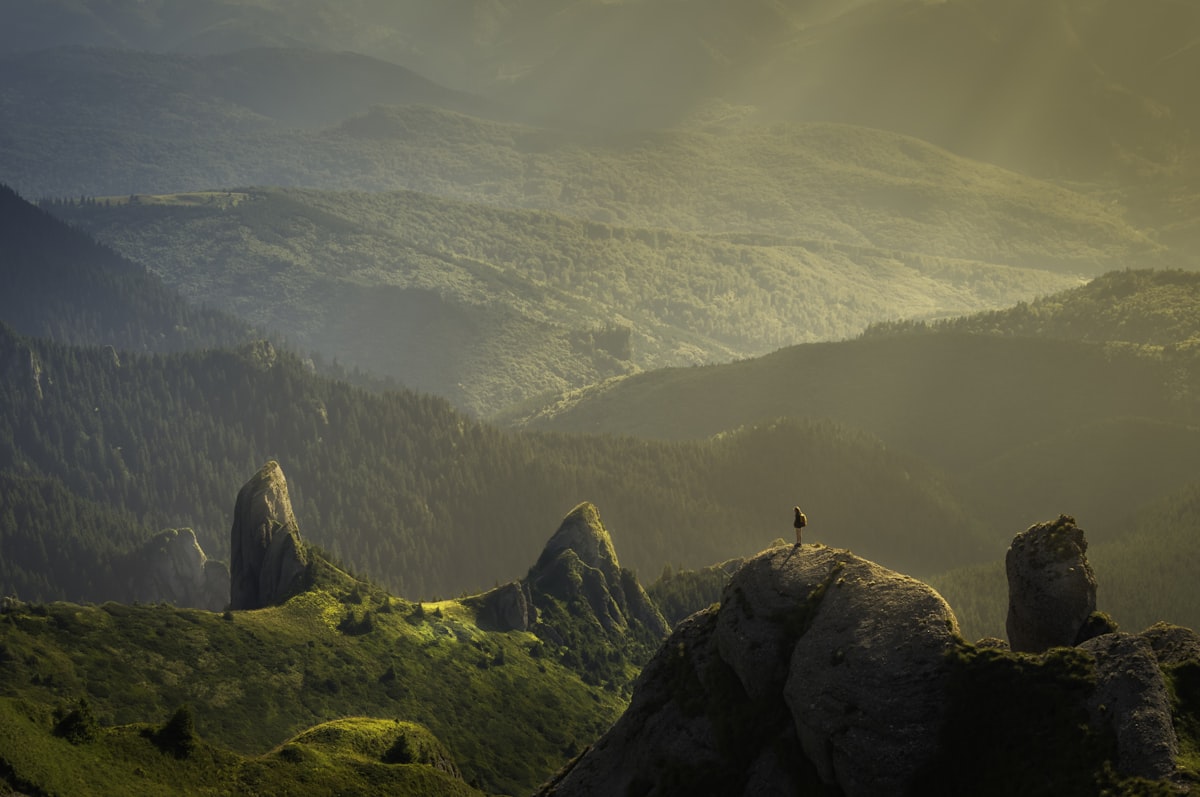
Understanding the North Yungas Road
The North Yungas Road, commonly referred to by locals and travelers as El Camino de la Muerte (Death Road), is a 64-kilometer stretch connecting La Paz to Coroico. While the original gravel road was once the primary transit artery, a modern bypass was completed in 2006, significantly reducing traffic on the original route. Today, the road is primarily used by adventure cyclists.

Safety Protocols and Reality
According to the Bolivia Bella travel guide, the primary danger on the road is not just the terrain, but the lack of safety infrastructure and unpredictable weather. Travelers must prioritize choosing reputable tour operators that utilize high-quality maintenance standards for their mountain bikes.
Comparison: Independent vs Guided
| Category | Guided Tour | Independent Cycling | Winner |
|---|---|---|---|
| Equipment | Maintained/Full-suspension | Variable/Personal | Guided Tour |
| Safety | Professional Guides/Support Vehicle | None | Guided Tour |
| Navigation | Expert Knowledge | Self-navigated | Guided Tour |
| Cost | $80 - $150 USD | Minimal | Independent |
Essential Preparation
- Weather: Check the SENAMHI (Bolivian National Meteorology Service) for fog and rainfall alerts before departing La Paz.
- Gear: Ensure your operator provides full-face helmets, knee pads, and gloves.
- Acclimatization: Spend at least 48 hours in La Paz (3,640m) before attempting the descent to avoid altitude sickness.

FAQ: Navigating the Yungas
- Is it safe to cycle the Death Road? When using a licensed operator, the risk is significantly mitigated. Always verify that the company has a valid business license.
- Do I need a special permit? Yes, there is a small municipal entry fee, typically collected by your tour operator at the checkpoint.
Quick Answer
Choose a Guided Tour if: ✓ Safety protocols ✓ Quality equipment ✓ Emergency support vehicle. Best For: Adventure seekers, experienced cyclists, and photography enthusiasts.
Article Methodology & Sources
This article was synthesized using data from the Bolivia Bella resource center, official SENAMHI weather data, and safety guidelines provided by local adventure tourism associations in La Paz. We prioritize recommendations from operators certified by the Bolivian Ministry of Cultures and Tourism.
Editorial Methodology & Trust
Last Updated: July 2, 2026
Every Shaivio guide is created through editorial research using publicly available information from official tourism authorities, transportation providers, government resources, and other reliable references where applicable. Our editors review and update content regularly to improve accuracy and usefulness. Shaivio does not accept paid placements or sponsored rankings in editorial content. Because travel information can change, we recommend verifying critical details with the relevant official source before traveling.


