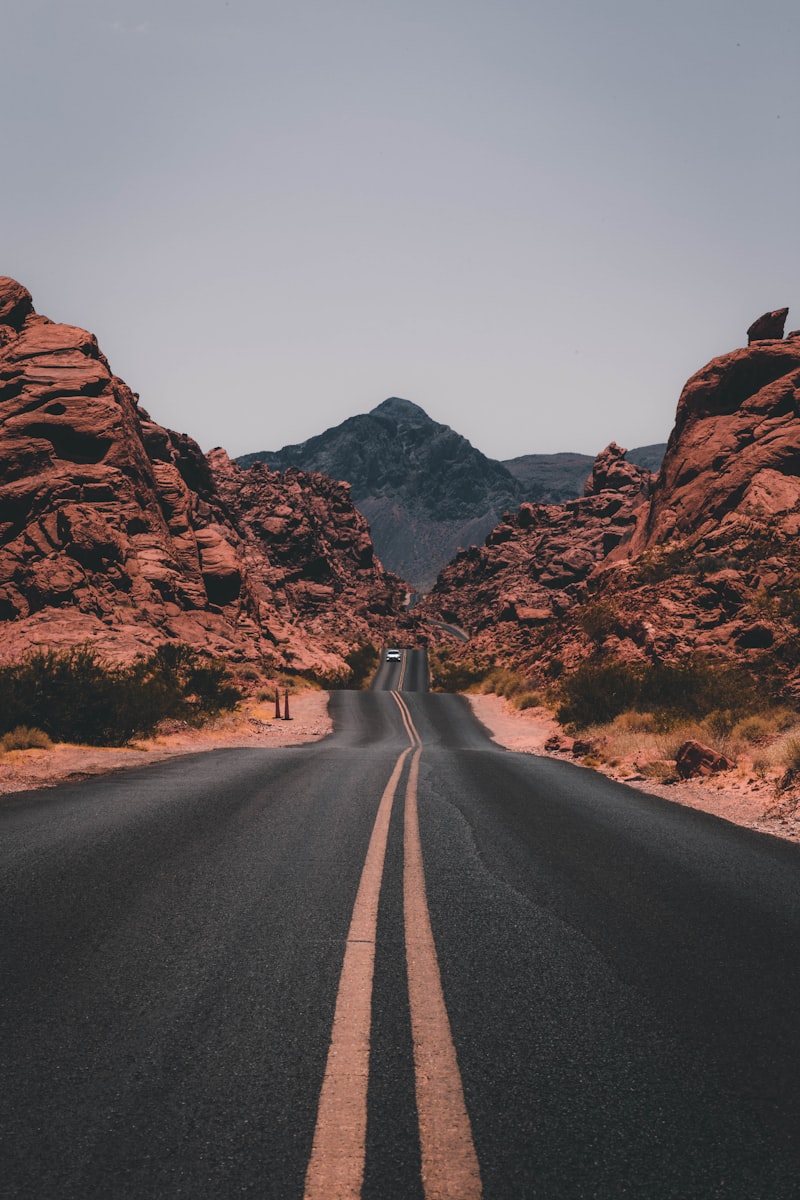
Quick Answer: Oman vs. Jordan for Solo Travelers
Both Oman and Jordan are highly regarded for their safety and welcoming culture in the Middle East, making them excellent choices for first-time solo travelers. The 'safer' choice often comes down to individual preference for travel style and desired experience.
Choose Oman if:
- You prioritize exceptionally low crime rates and a tranquil environment.
- You seek stunning natural landscapes, from dramatic wadis to vast deserts and pristine coastlines.
- You enjoy self-driving and road tripping through well-maintained infrastructure.
- You appreciate a more understated, authentic cultural immersion with less overt tourism.
- You prefer a destination with a strong focus on conservation and eco-tourism.
Choose Jordan if:
- Your primary interest is iconic historical sites and ancient wonders like Petra and Wadi Rum.
- You enjoy a more bustling atmosphere, vibrant markets, and engaging with locals.
- You prefer a destination with more established backpacking routes and social opportunities.
- You are looking for a slightly more budget-friendly experience, especially with food and accommodation.
- You appreciate a more diverse range of adventure activities, from canyoning to desert camps.
Best For:
Oman: Culture Enthusiasts, Nature Lovers, Road Trippers, Those seeking tranquility and pristine landscapes, Luxury/Mid-range travelers.
Jordan: History Buffs, Adventure Seekers, Budget-conscious travelers, Social travelers, Hikers, Foodies.
Oman vs. Jordan: At a Glance Comparison
| Category | Oman | Jordan | Winner |
|---|---|---|---|
| Accommodation | Mid-range to Luxury, limited hostels | Budget to Mid-range, more hostels/guesthouses | Jordan (for budget options) |
| Food | Authentic Omani, Seafood, high-quality restaurants | Levantine, Street food, diverse culinary scene | Jordan (for street food/variety) |
| Nightlife | Limited, mostly hotel-based bars/restaurants | More vibrant, especially Amman's Rainbow Street | Jordan |
| Public Transport | Limited intercity, taxis/ride-hailing in cities. Car rental recommended. | Better intercity buses (JETT), taxis/ride-hailing, shared minibuses. | Jordan |
| Visa | Generally required, e-Visa available for many nationalities (e.g., Royal Oman Police e-Visa). | Generally required, Jordan Pass offers visa waiver + site entry (Jordan Pass Official Site). | Tie (depends on nationality/plans) |
| Weather | Hot desert climate, cooler mountains (Jabal Akhdar), pleasant winters. | Hot desert climate, cooler highlands (Amman), pleasant winters. | Tie (depends on preference/season) |
| Walkability | Limited outside city centers; car often necessary for exploration. | Moderate in cities; excellent for exploring historical sites on foot. | Jordan (for site exploration) |
| Internet | Excellent in cities, good coverage in most tourist areas. | Good in cities, decent coverage in most tourist areas. | Tie |
| Safety | Exceptionally low crime rate, very stable, highly welcoming locals. | Low crime rate, stable, very welcoming locals. | Oman (marginally lower perceived crime) |
| Remote Work | Good infrastructure, quiet environment, reliable internet. | Good infrastructure, more social co-working spaces, reliable internet. | Tie (depends on preference) |
| Language | Arabic (English commonly spoken in tourist areas, hotels). | Arabic (English commonly spoken in tourist areas, hotels). | Tie |
| Family | Family-friendly resorts, nature activities, safe environment. | Family-friendly historical sites, adventure parks, safe. | Tie |
| Senior Travelers | Comfortable tours, quiet atmosphere, accessible sites. | Accessible major sites, some challenging terrain (e.g., Petra hikes). | Oman (for overall ease) |
| Solo Travelers | Extremely safe, tranquil, easy to navigate, respectful interactions. | Very safe, more social opportunities, established solo traveler routes. | Oman (for perceived tranquility) |
| Couples | Romantic resorts, stunning nature, quiet escapes. | Romantic historical sites, adventure, vibrant experiences. | Tie |
Introduction: Navigating the Middle East as a Solo Traveler
For many first-time solo travelers, especially those venturing beyond Western Europe or Southeast Asia, the Middle East can seem like an enigma. Concerns about safety, cultural differences, and ease of navigation often arise. However, two nations consistently stand out as exceptionally welcoming and secure for independent adventurers: the Sultanate of Oman and the Hashemite Kingdom of Jordan. Both offer rich cultural experiences, breathtaking landscapes, and a reputation for warm hospitality. The question then becomes: which one is the better fit for a first-time solo journey, particularly when safety is paramount?
This comprehensive guide delves deep into the nuances of traveling solo in Oman and Jordan, scrutinizing factors from crime rates and cultural norms to transportation and social opportunities. Our aim is to equip you with the detailed insights needed to make an informed decision, ensuring your inaugural solo adventure is not just safe, but also profoundly enriching.
Deep Dive: Safety & Security for Solo Travelers
When evaluating destinations for solo travel, safety is often the primary consideration. Both Oman and Jordan consistently rank high on global safety indices, particularly for the Middle East region. However, their specific safety profiles and the types of precautions travelers might consider do vary slightly.
Oman: The Epitome of Tranquility
Oman is widely regarded as one of the safest countries in the world, boasting exceptionally low crime rates. The Omani government prioritizes stability and security, contributing to an environment where travelers commonly report feeling completely at ease, even when exploring remote areas or walking alone at night in major cities like Muscat or Salalah.
- General Crime: Petty crime, such as pickpocketing, is rare and violent crime is almost unheard of. Travelers are advised to exercise standard precautions, but the risk remains minimal. According to the U.S. Department of State Travel Advisory for Oman, the country maintains a Level 1 advisory (Exercise Normal Precautions), indicating a very low-risk environment.
- Road Safety: While roads are generally well-maintained, particularly major highways, local driving habits can sometimes be aggressive. Solo travelers opting to rent a car (a popular choice in Oman) should drive defensively and be aware of speed limits. Off-roading in wadis or deserts requires a 4x4 vehicle and ideally, traveling with another vehicle or an experienced guide.
- Women's Safety: Solo female travelers commonly report feeling very safe and respected in Oman. Harassment is extremely rare. Modest dress (shoulders and knees covered) is recommended out of respect for local culture, particularly when visiting religious sites or traditional areas, which further minimizes unwanted attention.
- Political Stability: Oman has a long history of political stability and neutrality in regional conflicts, making it a consistently secure destination.
- Emergency Services: Emergency services are reliable and responsive. The national emergency number is 9999.
Image: A grand mosque with intricate architecture under a clear sky, symbolizing tranquility and cultural depth.
Jordan: Historical Grandeur with a Secure Embrace
Jordan also boasts a strong reputation for safety and hospitality, particularly for tourists. Despite its location in a sometimes-volatile region, the country has maintained remarkable stability and actively promotes tourism as a cornerstone of its economy. Travelers commonly report feeling secure, especially in major tourist hubs and sites.
- General Crime: Petty crime, such as bag snatching or minor scams, can occur in crowded areas like markets, but it is not prevalent. Violent crime against tourists is exceedingly rare. The U.S. Department of State Travel Advisory for Jordan often places it at Level 2 (Exercise Increased Caution) primarily due to its proximity to conflict zones, but clarifies that tourist areas are generally safe.
- Road Safety: Road conditions vary, and driving can be more challenging than in Oman, particularly in cities like Amman. Traffic can be dense, and local driving styles may seem aggressive. Intercity buses (like JETT) or hiring a driver are popular and safe alternatives to self-driving for solo travelers.
- Women's Safety: Solo female travelers are generally safe in Jordan. While catcalling or unwanted attention can occasionally occur, particularly in busier urban areas, it is usually harmless and easily ignored. Dressing modestly, especially outside of resort areas, is advisable to show respect and minimize unwanted interactions.
- Political Stability: Jordan is a stable monarchy that plays a crucial role in regional diplomacy. Its security forces are well-regarded and maintain a visible presence to ensure safety.
- Emergency Services: Emergency services are reliable. The national emergency numbers are 911 (Police/Ambulance/Fire).
Image: The iconic Al-Khazneh (Treasury) at Petra, carved into sandstone cliffs, with visitors in the foreground.
Cultural Considerations & Respect
In both Oman and Jordan, adherence to local customs and respectful behavior significantly contributes to a positive and safe solo travel experience. Both are predominantly Muslim countries, and while generally moderate, modesty in dress and public behavior is appreciated. This includes covering shoulders and knees, especially when visiting religious sites. Public displays of affection are frowned upon. Engaging with locals respectfully, asking permission before taking photos, and understanding basic greetings in Arabic will enhance your experience and demonstrate good faith.
Deep Dive: Solo Travel Experience & Logistics
Beyond safety, the ease and enjoyment of a solo trip depend heavily on practical logistics, opportunities for connection, and the overall travel infrastructure.
Accommodation Options
- Oman: Accommodation in Oman tends to be mid-range to luxury, with a strong emphasis on high-quality hotels and resorts. Budget hostels are rare outside of Muscat. Solo travelers can find comfortable guesthouses and Airbnb options, particularly in smaller towns. Wild camping is legally permitted and popular, offering adventurous solo travelers a unique, safe, and free accommodation option, particularly in the stunning wadis and deserts.
- Jordan: Jordan offers a wider range of accommodation, from budget-friendly hostels in Amman, Petra, and Aqaba to comfortable guesthouses and mid-range hotels. There's a more established backpacker scene, making it easier to find social hostels and meet other travelers. Luxury options are also abundant, especially around the Dead Sea and Wadi Rum's glamping sites.
Transportation & Navigation
- Oman: Public transport between cities is limited. While local buses operate within Muscat, exploring Oman's diverse landscapes often necessitates renting a car, hiring a private driver, or joining organized tours. Car rental is straightforward, roads are excellent, and navigation (using apps like Google Maps or Waze) is generally easy. For solo travelers, a rental car offers unparalleled freedom to explore remote wadis and desert areas safely.
- Jordan: Jordan has a more developed intercity bus network, notably JETT buses, which connect major cities and tourist sites like Amman, Petra, and Aqaba. Shared minibuses (serviis) are also available for shorter distances, though they can be less comfortable. Taxis and ride-hailing apps (like Careem or Uber in Amman) are readily available. While self-driving is an option, many solo travelers opt for a combination of JETT buses and local taxis/drivers, or join small group tours, which can be more cost-effective and social.
Image: A modern, multi-lane highway winding through a rugged mountain range under a clear blue sky.
Image: A modern tour bus parked at a station, with 'JETT' visible on its side.
Activities & Social Opportunities
- Oman: Oman's appeal lies in its stunning natural beauty and authentic cultural experiences. Activities include exploring wadis (riverbeds), desert safaris, hiking in the Hajar Mountains, visiting ancient forts, and diving in Musandam. While it's generally a quieter destination, solo travelers can join organized tours for desert camps or wadi excursions, which offer opportunities to meet others. The local culture is more reserved, but Omanis are incredibly hospitable if approached respectfully.
- Jordan: Jordan offers a more diverse range of activities, often with a stronger emphasis on adventure and historical exploration. Petra, Wadi Rum, the Dead Sea, and Amman's Roman ruins are major draws. There's a more established infrastructure for adventure tourism, including hiking the Jordan Trail, canyoning in Wadi Mujib, and hot air ballooning over Wadi Rum. The presence of more hostels and a generally more outgoing culture means more opportunities for solo travelers to connect with fellow tourists and locals.
Connectivity & Language
- Internet: Both countries offer excellent internet connectivity in urban areas and good coverage in most tourist regions. Local SIM cards (Omantel/Ooredoo in Oman; Zain/Orange/Umniah in Jordan) are affordable and easy to acquire, providing reliable data for navigation and communication.
- Language: Arabic is the official language in both countries. English is commonly spoken in tourist areas, hotels, major attractions, and by younger generations. Learning a few basic Arabic phrases (e.g., “Salam alaikum” – hello, “Shukran” – thank you) is always appreciated and can enhance interactions.
Budget Considerations for Solo Travelers
Budget can be a significant factor for solo travelers. While neither Oman nor Jordan are considered ultra-budget destinations compared to parts of Southeast Asia, they offer different price points.
- Oman: Generally, Oman is a more expensive destination. Accommodation, particularly outside of limited budget options, can be costly. Car rental and fuel are reasonably priced, but tours can add up. Dining out can range from affordable local eateries to high-end restaurants. A mid-range solo traveler might expect to spend OMR 50-80 (approx. USD 130-210) per day, excluding major tours or luxury stays.
- Jordan: Jordan offers a more flexible budget range. Accommodation has more budget-friendly options, and street food is delicious and inexpensive. The Jordan Pass significantly reduces costs for visa and site entries. Transportation via JETT buses is economical. A mid-range solo traveler might expect to spend JOD 40-70 (approx. USD 55-100) per day, especially if utilizing hostels and local eateries.
Image: A bar chart illustrating comparative daily travel expenses for Oman and Jordan, showing categories like Accommodation, Food, and Transport.
Best Time to Visit
- Oman: The best time to visit Oman is from October to April, when temperatures are pleasant (20-30°C / 68-86°F) and ideal for outdoor activities. Summers (May-September) are extremely hot, especially inland, though Salalah in the south experiences the unique Khareef (monsoon) season from June to August, bringing cooler temperatures and lush greenery.
- Jordan: The ideal times to visit Jordan are during the spring (March to May) and autumn (September to November). Temperatures are mild and pleasant, perfect for exploring historical sites and hiking. Summers (June-August) can be very hot, especially in the desert regions and the Jordan Valley, while winters (December-February) can be cold with occasional snow in higher elevations like Amman.
Image: A line graph displaying average monthly temperatures and precipitation for two distinct locations.
Visa Requirements
Visa requirements vary by nationality for both countries. It is crucial to check the latest regulations well in advance of your trip.
- Oman: Many nationalities require a visa for Oman. The Royal Oman Police (ROP) e-Visa system is efficient and allows travelers from eligible countries to apply online for a tourist visa (e.g., 10-day, 30-day single entry). Some GCC residents or those with a valid Schengen/US/UK visa may be eligible for a visa on arrival or a simplified process.
- Jordan: Most nationalities require a visa for Jordan. The most popular option for solo travelers is the Jordan Pass, which waives the visa fee if you stay for a minimum of three nights and includes entry to over 40 attractions, including Petra and Wadi Rum. For those not opting for the Jordan Pass, visas can be obtained on arrival at most border crossings and airports for many nationalities, or in advance from a Jordanian embassy.
Hyper-Local Insights for Solo Travelers
- Oman:
- Muscat's Souq Etiquette: When visiting Muttrah Souq, sellers are generally less aggressive than in other Middle Eastern markets. A polite 'no, thank you' (la shukran) is usually sufficient. Visit in the morning to avoid the evening crowds.
- Wadi Exploration: If hiking in wadis like Wadi Shab or Wadi Bani Khalid, wear appropriate water shoes. Always inform your accommodation or a friend of your plans, especially if exploring alone, and be mindful of flash floods during rainy seasons.
- Coffee Culture: Accept offers of Omani coffee (kahwa) from locals; it's a sign of hospitality. Hold the cup in your right hand.
- Jordan:
- Petra Timing: To experience Petra with fewer crowds, arrive right at opening time (6:00 AM) or visit later in the afternoon. Consider hiking to the Monastery (Ad Deir) for stunning views, which is less crowded than the Treasury area.
- Wadi Rum Stargazing: When booking a Wadi Rum desert camp, inquire about small, family-run camps for a more authentic experience. Negotiate prices for jeep tours in advance. Many camps offer communal dinners, excellent for solo travelers to socialize.
- Amman's Downtown: Explore downtown Amman on foot, but be prepared for hills. Try local street food like falafel from Hashem Restaurant (a local institution) and kunafa from Habibah Sweets.
Essential Travel Information
Pros & Cons for Solo Travelers
Oman
- Pros: Extremely safe, stunning natural beauty, authentic cultural experience, excellent infrastructure for self-driving, welcoming locals, pristine environment.
- Cons: Can be expensive, limited public transport, fewer social opportunities for backpackers, nightlife is subdued.
Jordan
- Pros: Iconic historical sites, diverse adventure activities, more budget-friendly options, established backpacker scene, vibrant local interaction, good public transport network.
- Cons: Can be more bustling/crowded, occasional aggressive touting at major sites, driving can be challenging.
Duration
- Oman: A comfortable solo trip would be 7-10 days to cover Muscat, Nizwa, Jebel Akhdar, and a desert experience. Two weeks allow for deeper exploration, including Salalah or Musandam.
- Jordan: A solid 7-10 days is recommended to cover Amman, Petra, Wadi Rum, and the Dead Sea. Two weeks allow for exploring the North, Dana Biosphere, and Aqaba.
Currency
- Oman: Omani Rial (OMR). ATMs are widely available in cities and larger towns. Credit cards are accepted in most hotels and larger establishments.
- Jordan: Jordanian Dinar (JOD). ATMs are widely available. Credit cards are accepted in most hotels and larger establishments, but cash is essential for smaller vendors and rural areas.
Internet & Power Plug
- Internet: Both countries have good 4G/5G coverage in populated areas. Wi-Fi is common in hotels and cafes.
- Power Plug:
- Oman: Type G (British standard, three rectangular pins). Voltage is 240V.
- Jordan: Types C, D, F, G, J (multiple types, Type C and F are common). Voltage is 230V. An international adapter is highly recommended for Jordan.
Emergency Numbers
- Oman: Police, Ambulance, Fire: 9999
- Jordan: Police, Ambulance, Fire: 911
Visualizing Your Solo Journey
Image: A stylized map showing key tourist cities and attractions across Oman and Jordan with dotted travel routes.
Image: A detailed map of downtown Amman with a highlighted walking path connecting points of interest like the Citadel and Roman Theater.
Image: A topographical map of northern Oman, indicating mountain ranges, wadis, and major towns.
Image: A simplified map of Jordan showing major cities connected by bus routes.
Image: An infographic illustrating different styles of desert camps in Wadi Rum, with icons for amenities.
Image: A collage of photographs depicting various Omani forts and castles with their distinctive architecture.
Related Guides & Internal Clusters
To further assist your planning, explore our other detailed guides:
- Oman Itinerary for Solo Travelers
- Jordan Budget Guide for Solo Adventurers
- The Ultimate Omani Street Food Guide
- Avoiding Tourist Traps at Petra, Jordan
- Essential Solo Travel Tips for the Middle East
- Jordan Visa Guide: Jordan Pass & On-Arrival Options
- Desert Adventures in Oman: Wahiba Sands & Rub' al Khali
- Wadi Rum Experience: From Jeep Tours to Stargazing
- Cultural Etiquette for Travelers in the Middle East
- When to Visit Oman and Jordan: Seasonal Breakdown
Who Should Visit?
Choosing between Oman and Jordan for your first solo trip boils down to your personal travel style and priorities. If you are seeking unparalleled tranquility, pristine natural landscapes, a deep dive into an understated yet rich culture, and the freedom of self-driving in an exceptionally safe environment, Oman is your ideal destination. It's perfect for the solo traveler who appreciates quiet contemplation and stunning scenery over bustling social scenes.
Conversely, if your dream solo trip involves ticking off iconic historical sites, engaging in diverse adventure activities, experiencing vibrant local markets, and having more opportunities to connect with fellow backpackers, then Jordan will likely captivate you. It's suited for the solo traveler who thrives on historical grandeur, a bit more social interaction, and a slightly more established tourist trail.
Ultimately, both countries offer incredibly rewarding and safe experiences for first-time solo travelers, setting a high bar for hospitality and cultural immersion in the Middle East.
Editorial Methodology & Trust
Last Updated: July 2, 2026
Every Shaivio guide is created through editorial research using publicly available information from official tourism authorities, transportation providers, government resources, and other reliable references where applicable. Our editors review and update content regularly to improve accuracy and usefulness. Shaivio does not accept paid placements or sponsored rankings in editorial content. Because travel information can change, we recommend verifying critical details with the relevant official source before traveling.