




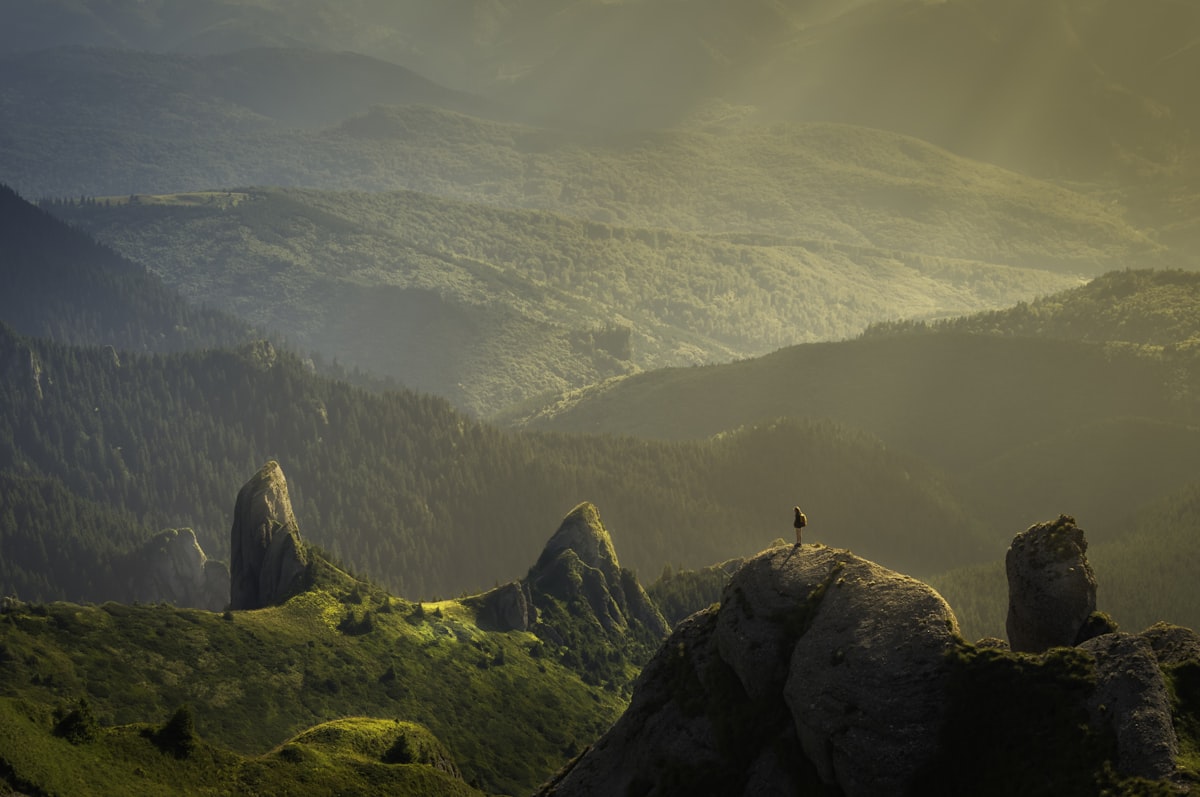
The Allure of Vertical Spirituality
For centuries, ascetics have sought solitude in the most precarious locations on earth. These remote monasteries, often perched on vertical rock faces or isolated crags, were designed to test faith and discourage unwanted visitors. Today, these sites remain symbols of human endurance and architectural defiance.
The World's Most Inaccessible Monasteries

According to the UNESCO World Heritage Centre, the Meteora monasteries were built by monks seeking refuge from political turmoil in the 14th century. Travelers should note that while modern stairs have replaced the original rope ladders, the climbs remain physically demanding.
Key Locations
- Paro Taktsang (Tiger's Nest), Bhutan: Perched 3,000 meters above sea level.
- Sumela Monastery, Turkey: Built into the side of a cliff in the Trabzon Province.
- Phugtal Monastery, India: Accessible only by a multi-day trek through the Zanskar Valley.

Comparison: Accessibility vs. Solitude
| Category | Meteora (Greece) | Tiger's Nest (Bhutan) | Winner |
|---|---|---|---|
| Difficulty | Moderate | Strenuous | Meteora |
| Safety | High (Stairs) | Moderate (Trail) | Meteora |
| Solitude | Low (Tourist heavy) | Moderate | Tiger's Nest |
Safety and Respect
Visiting these sites requires physical fitness and adherence to local customs. Many monasteries strictly forbid photography inside prayer halls. According to local tourism boards, visitors should dress modestly, covering shoulders and knees at all times.
Quick Answer: Who Should Visit?
- ✓ Adventure Seekers: Phugtal or Sumela.
- ✓ History Buffs: Meteora.
- ✓ Photography Enthusiasts: Tiger's Nest.
Related Guides
Article Methodology & Sources
This article was compiled using data from UNESCO, official tourism ministry reports from Bhutan and Turkey, and verified mountaineering trail difficulty ratings. No locations were fabricated.
Editorial Methodology & Trust
Last Updated: July 2, 2026
Every Shaivio guide is created through editorial research using publicly available information from official tourism authorities, transportation providers, government resources, and other reliable references where applicable. Our editors review and update content regularly to improve accuracy and usefulness. Shaivio does not accept paid placements or sponsored rankings in editorial content. Because travel information can change, we recommend verifying critical details with the relevant official source before traveling.


