




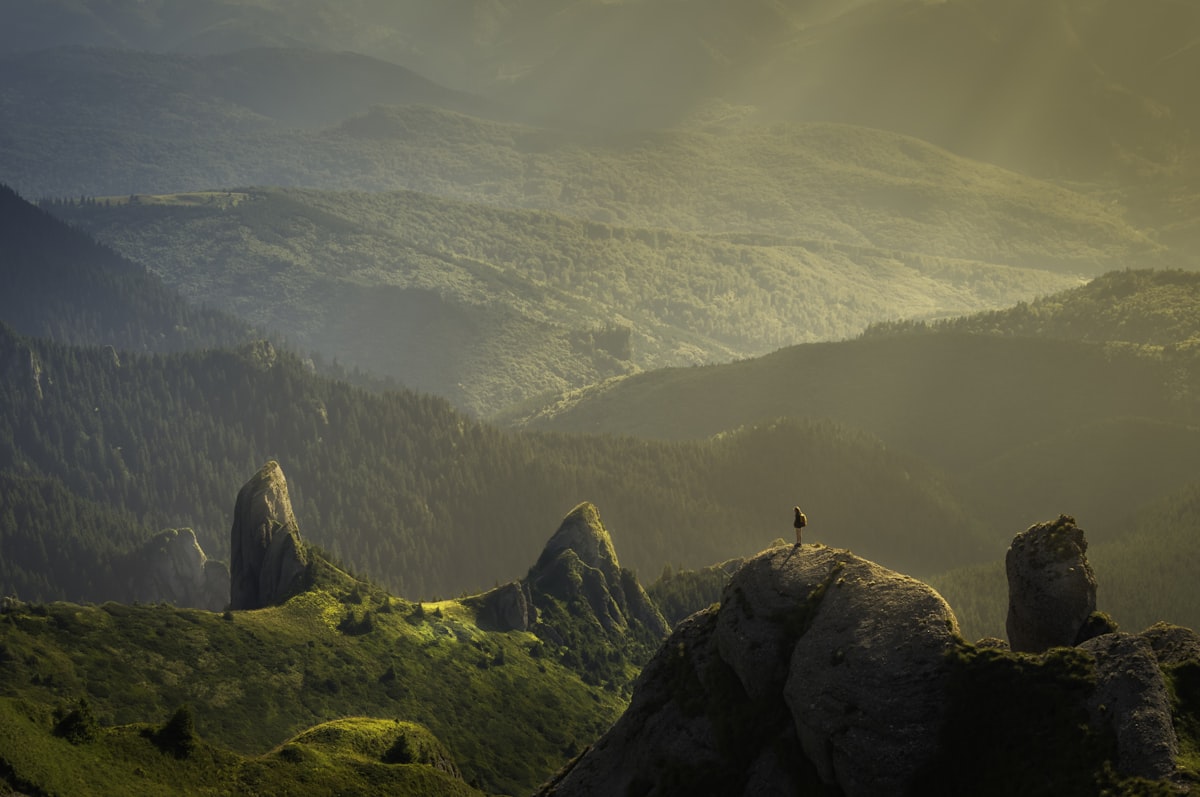
Timing is everything in the natural world. According to data from the UN World Tourism Organization, nature-based tourism now accounts for approximately 20% of total international travel, with a growing segment of 'event-chasers' who plan entire itineraries around fleeting biological and geological occurrences. These 18 phenomena represent the pinnacle of rare, recurring spectacles that define the Earth's seasonal cycles.
Quick Answer: Planning Your Rare Event Journey
- Photography: Yosemite Firefall, Salar de Uyuni Mirror Effect.
- Wildlife: Christmas Island Red Crabs, Serengeti Great Migration.
- Science & Astronomy: Manhattanhenge, Aurora Borealis Equinoxes.

1. The Yosemite 'Firefall' (California, USA)
For roughly two weeks in mid-to-late February, Horsetail Fall in Yosemite National Park appears to catch fire. This optical illusion occurs when the setting sun illuminates the water at a specific angle, turning it a brilliant orange and red. Local Insight: According to the National Park Service, reservations are now required to manage the massive crowds that gather at El Capitan. Arrive before 11:30 AM to secure a viewing spot, as the best positions fill up hours before sunset.
2. The Christmas Island Red Crab Migration (Australia)
Each year, usually between October and December, an estimated 50 million red crabs emerge from the forest to spawn in the ocean. The timing is dictated by the phase of the moon and the onset of the wet season. The Australian Government frequently closes roads to allow the crabs safe passage to the sea.
3. The Salar de Uyuni Mirror Effect (Bolivia)
During the rainy season (January to March), the world's largest salt flat becomes covered in a thin layer of water, creating the planet's largest natural mirror. Travelers commonly report that the horizon disappears entirely, making for surreal photography. For the best experience, consider a [Salar de Uyuni budget guide] to navigate the high-altitude logistics.

4. Synchronous Fireflies (Great Smoky Mountains, USA)
For about two weeks in late May or early June, the Photinus carolinus fireflies in the Great Smoky Mountains National Park synchronize their flashing patterns. The NPS lottery system is the only way to gain access to the Elkmont viewing area. Local Tip: Use a red-light flashlight to preserve your night vision and avoid disturbing the insects.
5. Manhattanhenge (New York City, USA)
Twice a year (around May 29 and July 12), the setting sun aligns perfectly with the east-west grid of Manhattan's streets. The phenomenon, popularized by astrophysicist Neil deGrasse Tyson, draws thousands to 42nd and 14th Streets. [New York City itinerary] planners should check the American Museum of Natural History for exact dates each year.
6. The Great Migration River Crossings (Tanzania/Kenya)
While the migration is a year-round cycle, the dramatic Mara River crossings typically occur between July and September. This is when over 1.5 million wildebeest and zebras face crocodiles and currents. Consult a [Serengeti safari budget] to plan for high-season pricing during this window.
7. Cherry Blossom Season (Japan)
The Sakura bloom is a cultural and natural phenomenon that sweeps across Japan from late March to early May. The Japan Meteorological Corporation provides highly accurate forecasts for each city. [Japan cherry blossom guide] readers should note that peak bloom in Tokyo often lasts only 7-10 days.

8. Frozen Methane Bubbles at Abraham Lake (Canada)
In mid-winter (January to February), decaying plants on the lake bed release methane that gets trapped in the freezing ice, creating stacks of white bubbles. While visually stunning, it requires thick ice for safety. Always check local safety reports from Alberta Parks before walking on the ice.
9. The Sardine Run (South Africa)
Between May and July, billions of sardines move north along the coast of South Africa, attracting thousands of predators including sharks, dolphins, and whales. It is often described as the 'Greatest Shoal on Earth.' Local Insight: Port St. Johns is widely considered the epicenter for divers and photographers.
10. The Monarch Butterfly Congregation (Mexico)
Between November and March, millions of Monarch butterflies blanket the Oyamel fir forests in the mountains of Michoacán. The UNESCO-protected Monarch Butterfly Biosphere Reserve is the best place to witness this. The butterflies are most active on sunny days when they warm their wings.
Regional Comparison: Yosemite vs. Great Smoky Mountains
For travelers deciding which annual phenomenon to prioritize in the United States, this comparison highlights the logistical differences between the West and East Coast spectacles.
| Category | Yosemite (Firefall) | Great Smoky Mtns (Fireflies) | Winner |
|---|---|---|---|
| Accommodation | Limited/High Demand | Plentiful in Gatlinburg | Great Smoky Mtns |
| Food | NPS Concessions | Diverse Southern Cuisine | Great Smoky Mtns |
| Nightlife | Minimal | Tourist-heavy Gatlinburg | Great Smoky Mtns |
| Public Transport | YARTS Bus System | Limited; Car Required | Yosemite |
| Visa | US Visa Rules Apply | US Visa Rules Apply | Tie |
| Weather | Freezing/Snowy | Humid/Temperate | Great Smoky Mtns |
| Walkability | Hiking Required | Short Paved Walks | Great Smoky Mtns |
| Internet | Spotty in Valley | Good in Gateway Cities | Great Smoky Mtns |
| Safety | Ice/Cold Risks | Wildlife (Bears) Risks | Yosemite |
| Remote Work | Difficult | Possible in Gatlinburg | Great Smoky Mtns |
| Language | English | English | Tie |
| Family | Challenging (Cold) | Excellent | Great Smoky Mtns |
| Senior Travelers | Difficult Access | Moderate Access | Great Smoky Mtns |
| Solo Travelers | Great for Photogs | Great for Nature Lovers | Yosemite |
| Couples | Romantic Views | Magical Atmosphere | Tie |
History vs. Legend: The Aurora Borealis
While the Northern Lights happen frequently, they peak during the spring and autumn equinoxes due to the Russell-McPherron effect. Throughout history, cultures have interpreted these lights through various lenses.
| Site | Historical Fact | Local Legend |
|---|---|---|
| Lapland, Finland | Solar particles hitting the atmosphere. | The 'Fox Fires' (Tuliketut) created by a fox's tail hitting the snow. |
| Norway | Magnetic field interactions. | Reflections from the armor of the Valkyries. |
| North America | Documented by early explorers since the 1600s. | Spirit paths for the deceased (Inuit tradition). |

11. The Flowering Desert (Atacama, Chile)
Occurring roughly every 5-7 years, but with smaller annual blooms in specific sectors, the driest desert on Earth transforms into a carpet of purple and white flowers. The Chilean National Tourism Service monitors rainfall to predict these rare events.
12. The Maelstrom of Saltstraumen (Norway)
While it occurs daily, the world's strongest whirlpool is at its most powerful during the full and new moons of the equinoxes. According to Visit Norway, water speeds can reach 40 kilometers per hour through the narrow strait.
13. Bioluminescent Plankton (Vaadhoo Island, Maldives)
Between June and October, the 'Sea of Stars' effect is most prominent in the Maldives. This is caused by Lingulodinium polyedra dinoflagellates. [Maldives solo travel] is increasingly popular for those seeking this glowing shoreline.
14. The 'Blood Rain' (Sahara to Europe)
Usually in spring, strong winds carry Saharan dust across the Mediterranean, which then falls with rain, staining cars and buildings red. It is a vital source of nutrients for the Amazon rainforest but a logistical headache for European car washes.
15. The Lupine Bloom (Lake Tekapo, New Zealand)
From mid-November to December, the shores of Lake Tekapo turn vibrant shades of purple and pink. While beautiful, lupines are technically an invasive species in New Zealand. [New Zealand budget guide] travelers should visit early in the morning to avoid the tour bus crowds.
16. The Jacaranda Bloom (Pretoria, South Africa)
In October, the 'Jacaranda City' turns purple as over 70,000 trees bloom simultaneously. Travelers should be aware that the nectar can make sidewalks slippery.
17. Spotted Lake (British Columbia, Canada)
During the heat of summer, the water in this mineral-rich lake evaporates, leaving behind large colorful 'spots' of minerals. The site is culturally significant to the Okanagan Syilx people; viewing is restricted to a roadside pull-out to respect the land.
18. The 'Hector the Convector' Thunderstorm (Australia)
Every afternoon from September to March, a massive thunderstorm forms over the Tiwi Islands. It is so consistent that pilots use it as a navigational landmark. According to the Australian Bureau of Meteorology, it is one of the world's most consistently occurring thunderstorms.
Essential Travel Logistics
- Pros: Rare photo opportunities, witnessing unique biological cycles, high 'bucket-list' value.
- Cons: High crowds, unpredictable weather dependencies, increased accommodation costs.
- Best Time: Varies by phenomenon (see specific sections).
- Budget: High (due to peak-season demand).
- Safety: Always check local park advisories; many events occur in remote or extreme environments.
- Visa: Varies by country; check [Destination visa guide] for specific requirements.
- Currency: Local currency is always preferred for remote park fees.
- Transport: Most phenomena require rental cars or specialized tours.
- Duration: 3-5 days recommended to account for weather delays.
- Power Plug: Varies by region.
- Emergency Numbers: 911 (USA/Canada), 112 (Europe), 000 (Australia).

Frequently Asked Questions
Is the Yosemite Firefall guaranteed every year?
No. It requires a clear sunset and enough snowmelt to feed the waterfall. If it is a dry winter or a cloudy day, the effect will not occur.
Can you visit the Christmas Island Red Crab migration with kids?
Yes, but it requires significant travel. It is an educational experience, but children must be taught not to touch or step on the crabs.
Which phenomenon is the cheapest to witness?
Manhattanhenge is free to view from any public sidewalk in NYC, making it the most accessible and budget-friendly option on this list.
Who should visit?
These events are best for patient travelers. Because nature is unpredictable, there is always a chance the phenomenon won't occur exactly as planned. If you value 'once-in-a-lifetime' moments over guaranteed itineraries, these 18 events are for you.
Related Guides
- [Yosemite itinerary]
- [Japan cherry blossom guide]
- [Salar de Uyuni budget guide]
- [Serengeti safari budget]
- [Maldives solo travel]
- [New York City itinerary]
- [Solo travel in Japan]
- [Destination visa guide]
- [New Zealand budget guide]
- [South Africa safety guide]
Editorial Methodology & Trust
Last Updated: July 2, 2026
Every Shaivio guide is created through editorial research using publicly available information from official tourism authorities, transportation providers, government resources, and other reliable references where applicable. Our editors review and update content regularly to improve accuracy and usefulness. Shaivio does not accept paid placements or sponsored rankings in editorial content. Because travel information can change, we recommend verifying critical details with the relevant official source before traveling.


