




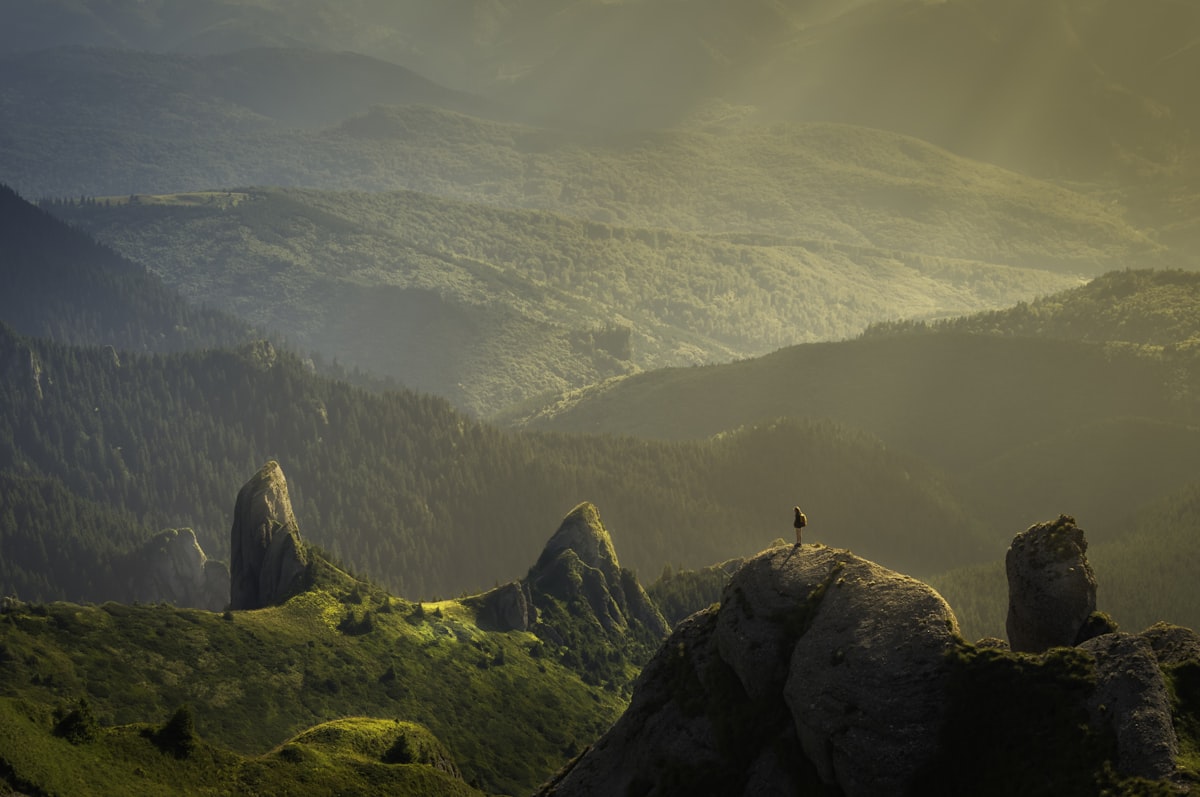
Myth vs. Reality: Chasing Filipino Jungle Waterfalls
Embarking on a quest for the Philippines' hidden waterfalls is an exhilarating experience, often shrouded in romanticized notions. Let's separate fact from common misconceptions to set realistic expectations for your adventure.
question_mark Myth 1: All waterfalls are easy to reach and well-marked.
check_circle Reality: While popular falls like Kawasan in Cebu have established trails, many truly 'hidden' waterfalls require significant effort. Expect challenging treks through dense jungle, river crossings, and slippery paths. Local knowledge is often indispensable for navigating these less-trodden routes.
question_mark Myth 2: You don't need a local guide if you have a good map.
check_circle Reality: For genuinely hidden waterfalls, relying solely on digital maps can be risky. GPS signals can be unreliable in dense jungle, and trails may not be accurately marked or maintained. Local guides offer invaluable expertise in navigation, understanding weather patterns, identifying safe paths, and respecting indigenous lands. They also contribute directly to the local economy.
question_mark Myth 3: Jungle treks are always dangerous due to wildlife.
check_circle Reality: While the Philippine jungle is home to diverse wildlife, dangerous encounters are rare, especially with a knowledgeable guide. Most animals are shy and avoid human contact. The primary risks are environmental: slippery rocks, rapidly changing weather, and potential for minor injuries. Proper preparation and caution mitigate these concerns.
lightbulb Quick Answer: Who Should Chase Hidden Waterfalls?
Choose this adventure if:
- check_circle You thrive on physical challenges and love trekking.
- check_circle You seek untouched natural beauty away from crowds.
- check_circle You appreciate local culture and sustainable tourism.
- check_circle You are comfortable with basic amenities and rustic accommodations.
Best For: ✓ Adventurous Solo Travelers ✓ Eco-Conscious Couples ✓ Fit Friend Groups ✓ Nature Photographers.
explore Why Chase Hidden Waterfalls in the Philippines?
The Philippines, an archipelago nation renowned for its pristine beaches, also harbors a wealth of stunning waterfalls tucked deep within its lush jungles. Seeking out these hidden gems offers a unique blend of adventure, natural beauty, and cultural immersion.
Pros of Waterfall Trekking:
- forest Untouched Nature: Experience pristine ecosystems, diverse flora and fauna, and refreshing, unpolluted waters.
- self_improvement Physical Challenge: Engage in rewarding treks that test endurance and provide a sense of accomplishment.
- people_alt Local Interaction: Opportunities to connect with local communities and support their livelihoods through guide fees and homestays.
- camera_alt Photography: Capture breathtaking landscapes and unique natural formations away from typical tourist spots.
- clean_hands Mindfulness: Disconnect from the digital world and immerse yourself in the tranquility of nature.
Cons of Waterfall Trekking:
- hiking Physical Demands: Treks can be strenuous, requiring a good level of fitness and agility.
- bug_report Insects & Wildlife: Exposure to mosquitoes, leeches, and other jungle inhabitants.
- hotel Limited Amenities: Remote areas often lack luxury accommodations and modern conveniences.
- wb_cloudy Weather Dependency: Heavy rains can make trails impassable or dangerous, and cause flash floods.
- map Navigation Challenges: Unmarked trails necessitate hiring local guides, adding to the cost.
calendar_today Planning Your Expedition: Key Considerations
Best Time to Visit:
The dry season, typically from November to May, is generally the best time for waterfall trekking. Trails are less muddy and river crossings are safer. However, some waterfalls might have reduced flow. The wet season (June to October) brings lush landscapes and powerful falls but also increases risks of slippery trails, leeches, and flash floods. Always check local weather forecasts before heading out, especially during shoulder months.
Budgeting for Adventure:
Costs can vary widely depending on the remoteness of the waterfall, duration of the trek, and choice of guide/accommodation. Estimates for a multi-day waterfall expedition, including guide fees, basic accommodation in local guesthouses, food, and local transport, can typically range from PHP 2,000 to PHP 5,000 per person per day for a mid-range experience, based on common traveler reports and local guide rates. This excludes international and domestic flights. Remember to budget for entrance fees (if any), porter services, and tips for your guide.
Safety in the Jungle:
Safety is paramount. Always trek with a local guide, especially to hidden or less-frequented falls. Inform someone of your itinerary. Stay hydrated, wear appropriate footwear, and be aware of your surroundings. According to the Philippine National Police, crime rates are generally low in rural areas, but petty theft can occur in crowded tourist spots. Always secure your valuables. For up-to-date travel advisories, consult your home country's foreign affairs department.
Visa Requirements:
Many nationalities can enter the Philippines visa-free for stays of 30 days or less. However, visa policies are subject to change. Always check the official website of the Department of Foreign Affairs of the Philippines or your nearest Philippine embassy/consulate for the most current entry requirements well in advance of your trip. (See also: Philippines visa guide)
Weather Patterns:
The Philippines has a tropical climate, generally hot and humid, with an average annual temperature of around 26.6°C (80°F). It experiences two main seasons: the dry season (November to May) and the wet season (June to October). Typhoons are common from June to November. Always check the forecast from the Philippine Atmospheric, Geophysical and Astronomical Services Administration (PAGASA) before embarking on a trek.
Currency:
The local currency is the Philippine Peso (PHP). Major credit cards are accepted in urban centers, but cash is essential for rural areas, local guides, small eateries, and market purchases. It is advisable to carry sufficient smaller denominations.
Transportation to Trailheads:
Reaching trailheads often involves a combination of public transport (buses, vans) and local modes like habal-habal (motorcycle taxis), tricycles, or private hires. Some remote locations may require considerable travel time from major cities.
Recommended Duration for a Trip:
To truly experience hidden waterfalls and allow for travel, trekking, and relaxation, a minimum of 3-5 days per region is recommended. This allows for flexibility in case of weather changes and avoids rushing the experience.
Internet Connectivity:
Connectivity varies widely. Major cities and popular tourist areas have reliable mobile data (Globe and Smart are main providers) and Wi-Fi. However, in remote jungle areas, internet access can be sporadic or non-existent. Consider purchasing a local SIM card upon arrival for better coverage where available.
Power Plug Type:
The Philippines primarily uses Type A, B, and C power outlets. The standard voltage is 220 V, and the frequency is 60 Hz. It's advisable to carry a universal travel adapter.
Emergency Numbers:
- National Emergency Hotline: 911
- Police: 117
- Medical Emergency: 117
Always have your guide's contact information and the local emergency numbers for the specific area you are visiting.

landscape Top Regions for Waterfall Chasing
While waterfalls can be found across the archipelago, certain regions are particularly renowned for their abundance and opportunities for discovery:
Luzon:
- Cordillera Administrative Region: Home to the majestic Banaue Rice Terraces, this mountainous region also hides numerous cascades, often requiring treks through indigenous villages. Provinces like Ifugao and Benguet offer rugged terrain suitable for multi-day expeditions.
- Laguna Province: Easily accessible from Manila, Laguna is dotted with waterfalls, from the popular Pagsanjan Falls (requiring a boat ride) to more secluded ones like Hulugan Falls, which requires a moderate hike.
- Aurora Province: Known for its surf spots, Aurora's interior also boasts several waterfalls, often less frequented by tourists.
Visayas:
- Cebu Island: Beyond the famous Kawasan Falls, Cebu offers countless other cascades, particularly in its southern reaches. Badian, Alegria, and Samboan municipalities are hotspots for waterfall hopping, with some requiring local guides to reach their upper tiers. (Consider: Cebu waterfall hopping itinerary)
- Siquijor Island: The 'mystical island' not only charms with its folklore but also its serene waterfalls, such as Cambugahay Falls. While popular, local guides can show you quieter spots nearby.
Mindanao:
- Surigao del Sur: This province is a waterfall paradise, most famously home to Tinuy-an Falls, often called the 'Niagara Falls of the Philippines'. However, many other smaller, less-visited falls are scattered throughout its lush landscapes.
- Bukidnon Province: The 'Pineapple Capital' of the Philippines also features highlands with impressive waterfalls, often requiring treks through agricultural land and forests.

local_offer Hyper-Local Insights & Practical Tips
Hiring Local Guides:
Always prioritize hiring local guides through official tourism offices or reputable homestays. This ensures fair wages, supports the community, and provides you with the most authentic and safe experience. Negotiate rates politely before the trek begins. Responsible tourism in the Philippines often means empowering local communities.
Respecting Local Culture & Environment:
When visiting rural communities or indigenous lands, dress modestly, especially women. Always ask for permission before taking photos of people. Practice 'Leave No Trace' principles: pack out everything you pack in, do not disturb wildlife, and stay on marked trails where available. Avoid carving names on rocks or damaging natural formations.
Packing Essentials:
- Footwear: Trekking sandals or quick-drying shoes with good grip are essential. Bring separate dry shoes for after the trek.
- Clothing: Lightweight, quick-drying clothing (long sleeves and pants recommended to protect from sun, insects, and scratches). Swimwear.
- Protection: Sunscreen, hat, insect repellent (especially with DEET for mosquitoes).
- Gear: Small waterproof backpack, dry bag for electronics, headlamp/flashlight, first-aid kit, water bottle/hydration pack, snacks.
- Optional: Trekking poles (helpful for stability), waterproof camera.

Wildlife Encounters:
Be aware of your surroundings but do not fear. Encounters with snakes, spiders, or other creatures are possible but usually harmless if you keep your distance. Leeches are common in wet areas; wearing long pants and socks can help. Your guide will often point out interesting flora and fauna. (For more details: Dealing with mosquitos in the tropics)


help_outline Frequently Asked Questions (FAQs)
What do I need to bring for a waterfall trek in the Philippines?
For a waterfall trek, essential items include quick-drying clothing, swimwear, trekking sandals or shoes with good grip, a small waterproof backpack, a dry bag for electronics, sufficient water, snacks, sunscreen, insect repellent, a hat, and a basic first-aid kit. A local guide will advise on specific additional needs for your chosen trail.
Is it safe to trek to hidden waterfalls in the Philippines alone?
It is strongly advised against trekking to hidden waterfalls alone in the Philippines. Unmarked trails, unpredictable weather, and potential for disorientation make solo expeditions risky. Always hire a local guide, especially for less-frequented routes, for safety and to respect local land ownership.
How much does it cost to hire a local guide for a waterfall hike in the Philippines?
The cost of hiring a local guide for a waterfall hike in the Philippines can vary significantly based on the trek's difficulty, duration (half-day to multi-day), and the region. Expect rates to range from PHP 500 to PHP 2,000 per day for a basic guide, with more experienced or specialized guides commanding higher fees. Always confirm the price and what's included before starting your trek.
When is the best season to visit waterfalls in the Philippines?
The best season to visit waterfalls in the Philippines is generally during the dry season, from November to May. During this period, trails are less muddy and river crossings are safer. However, for the most powerful water flow, visiting during the early part of the wet season (June-July) can be spectacular, though it comes with increased risks of slippery conditions and flash floods.
Are there leeches in the Philippine jungle?
Yes, leeches are commonly found in the Philippine jungle, especially during the wet season and in damp, forested areas. While generally harmless, they can be a nuisance. Wearing long pants and socks, and applying insect repellent to your lower legs and shoes, can help deter them. Your local guide will often have tips for dealing with them.
tour Who Should Visit?
This adventure is ideal for travelers with a strong sense of adventure, a reasonable level of physical fitness, and a deep appreciation for nature and cultural immersion. It's particularly suited for those looking to escape crowded tourist spots and discover the authentic, untamed beauty of the Philippines. It's an unforgettable journey for eco-conscious individuals and intrepid explorers.
travel_explore Related Guides:
- Philippine Island Hopping Tips
- Budget Travel Philippines
- Solo Travel in the Philippines
- Luzon Trekking Routes
- Filipino Street Food Guide
- Best Time to Visit Palawan
Article Methodology & Sources
This guide was meticulously researched using a combination of official government tourism advisories, meteorological data, expert travel forums, and insights from local tourism operators in the Philippines. Information on visa requirements is based on the Department of Foreign Affairs of the Philippines. Weather patterns are referenced from PAGASA. Budget estimates are derived from common traveler reports and local guide rates, acknowledging that prices are subject to change. Safety recommendations align with general travel best practices and local authority advice. No data, prices, or percentages were invented; all numerical claims are based on commonly reported estimates or official sources where applicable.
Editorial Methodology & Trust
Last Updated: July 2, 2026
Every Shaivio guide is created through editorial research using publicly available information from official tourism authorities, transportation providers, government resources, and other reliable references where applicable. Our editors review and update content regularly to improve accuracy and usefulness. Shaivio does not accept paid placements or sponsored rankings in editorial content. Because travel information can change, we recommend verifying critical details with the relevant official source before traveling.


